Putri Inara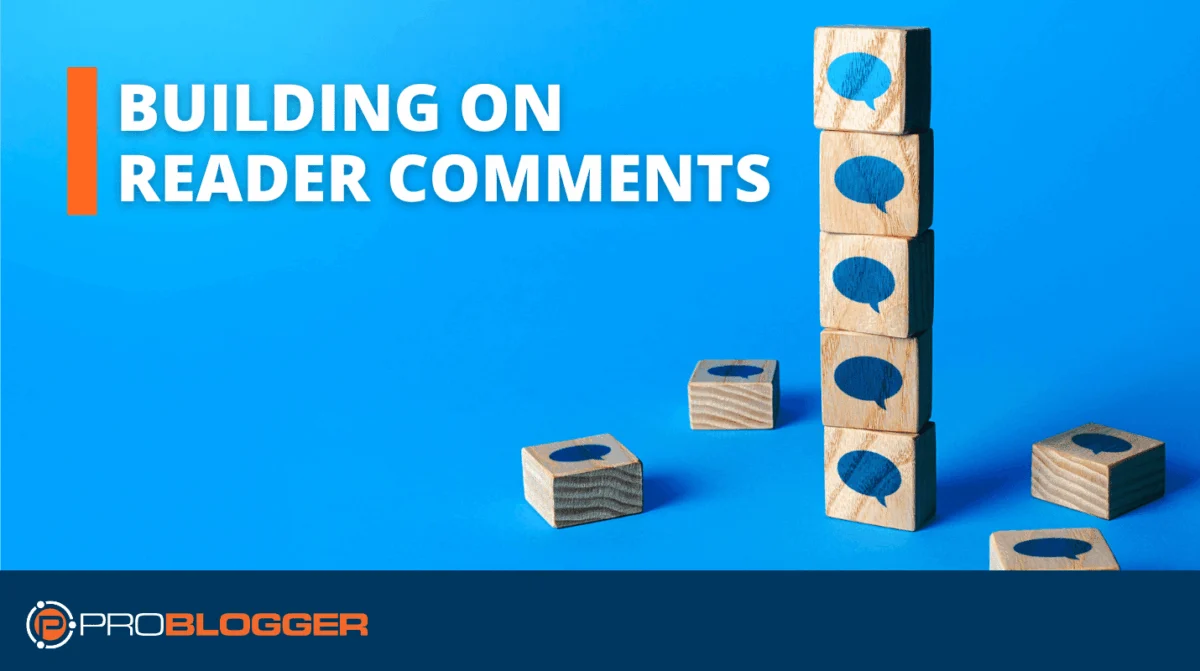
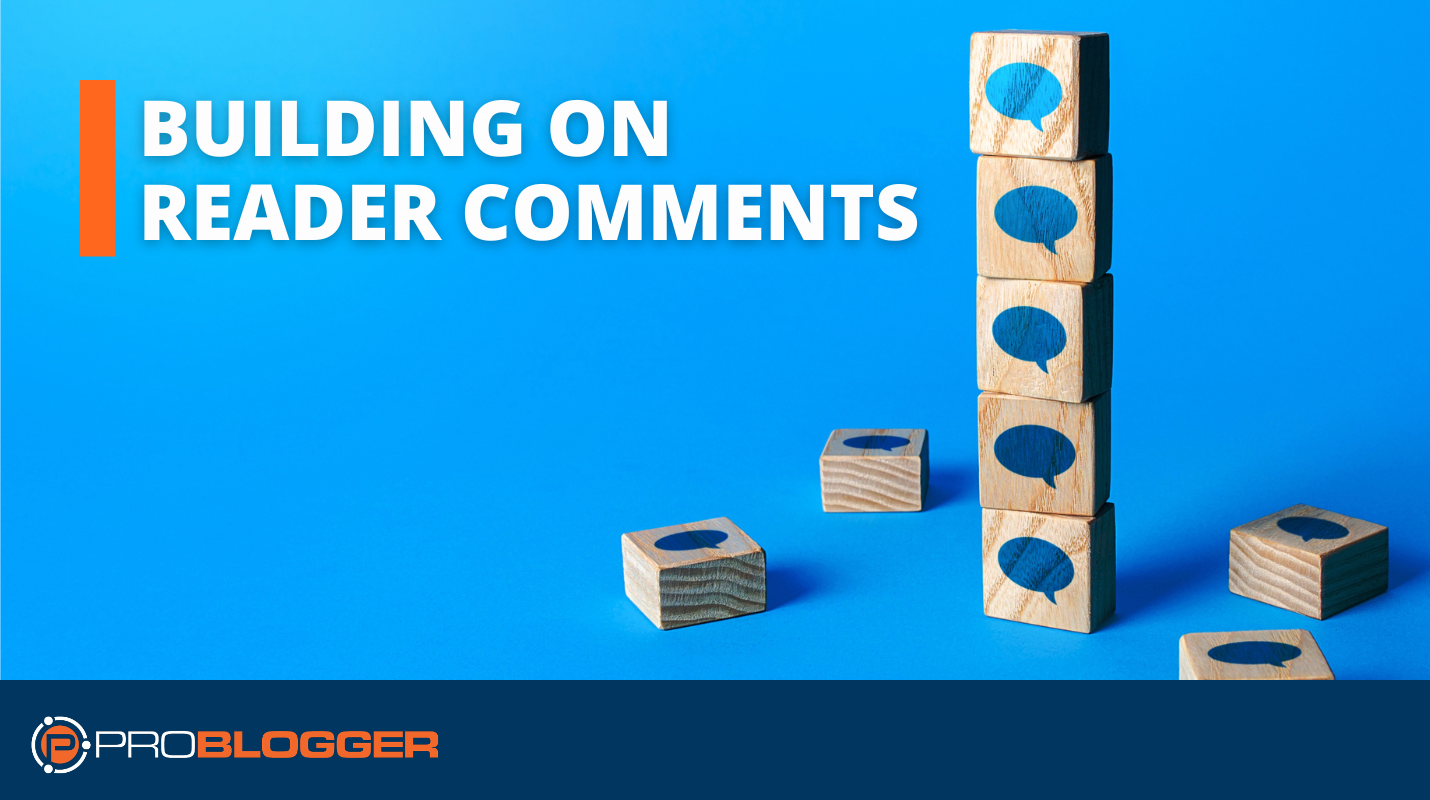
The landscape of digital publishing has undergone a fundamental transformation, transitioning from a unidirectional broadcast model to a multidimensional conversational ecosystem. In this evolving environment, the role of reader engagement has moved from a secondary metric to a primary driver of content strategy. ProBlogger, a leading authority on the professionalization of the blogosphere, has identified the comment section not merely as a repository for feedback, but as a critical engine for maintaining editorial momentum. By elevating reader contributions to the status of primary content, publishers can effectively bridge the gap between static information and dynamic community-led growth.
The Strategic Shift from Monologue to Dialogue
Historically, blogging was viewed as a digital extension of traditional journalism, where the author served as the sole arbiter of information. However, contemporary data suggests that the most resilient digital platforms are those that foster a sense of mutual ownership between the creator and the audience. The strategy of leveraging reader comments addresses a common challenge in the content lifecycle: the rapid decay of engagement following the publication of a new post. While technical solutions such as "recent comments" widgets and subscription plugins offer short-term visibility, they often fail to capture the long-term intellectual value contained within the discourse.
Industry analysts note that a reader’s comment is often a catalyst for broader inquiry. When a publisher transitions a high-value comment into a standalone article, they perform a dual function: they validate the individual contributor and provide a structured environment for the wider community to explore complex topics. This methodology transforms the comment section into a decentralized editorial board, providing real-time insights into the audience’s needs, pain points, and interests.
Chronology of Engagement: From Feedback to Feature
The process of transforming a comment into a cornerstone piece of content follows a distinct editorial chronology. This workflow ensures that the momentum generated by an initial post is captured and redirected into subsequent publishing cycles.
- The Publication Phase: An initial article is published, designed to spark inquiry or address a specific niche topic.
- The Engagement Window: Within the first 24 to 72 hours, the comment section becomes active. During this period, the author monitors threads for insightful questions, personal anecdotes, or dissenting views that offer a new perspective.
- The Identification of "Goldmine" Content: The publisher identifies specific comments that contain sufficient depth to warrant an expansion. This is often characterized by a question that many readers share or a unique experience that provides a case study for the topic at hand.
- The Elevation Phase: The identified comment is selected as the focal point for a new post. The original commenter is credited, and the context of the discussion is framed for a broader audience.
- The Re-Engagement Cycle: The new post is published, often drawing the original participants back to the site while attracting new readers who are interested in the specific sub-topic.
This cycle creates a self-sustaining loop of content generation that reduces the "blank page" syndrome often faced by high-frequency publishers. By utilizing the existing community discourse, the blogger ensures that the new content is pre-validated by audience interest.
Supporting Data: The Impact of Community-Led Content
Market research into digital engagement highlights the efficacy of user-generated content (UGC) in maintaining site authority. According to studies on audience retention, websites that actively feature or respond to user comments see a significant increase in return visitor rates. Data indicates that sites with integrated community feedback loops experience:
- Increased Dwell Time: Users spend an average of 15% to 25% more time on pages that feature active, high-quality discussions.
- Lower Bounce Rates: When readers see their peers’ contributions being valued, they are more likely to navigate to other sections of the site to participate further.
- Enhanced SEO Performance: Search engines prioritize content that demonstrates high levels of engagement and frequent updates. Elevating comments into new posts creates a dense network of internal links and long-tail keywords that naturally align with user search intent.
Furthermore, a 2023 report on digital trust found that 70% of consumers value peer-to-peer recommendations and shared experiences over brand-led messaging. By highlighting reader stories, a blog aligns itself with this preference for authenticity, thereby strengthening its brand equity.
Methodologies for Amplifying Reader Contributions
To effectively integrate reader feedback into an editorial calendar, ProBlogger suggests several distinct formats. These methods ensure that the transition from comment to post is seamless and professional.
The Question-and-Answer Feature
One of the most direct ways to maintain momentum is to take a reader’s question and provide a comprehensive, researched answer in a new post. This not only solves a problem for the individual but serves as a resource for the thousands of other readers who may have had the same question but remained silent.
The Case Study or Story Spotlight
Readers often share their own successes or failures in the comments. By turning these into structured case studies, the publisher provides tangible proof of the concepts discussed on the blog. This approach adds a layer of practical application that abstract advice often lacks.
The Synthesis of Dissenting Views
Healthy debate is a hallmark of a thriving community. When a reader provides a well-reasoned counter-argument, elevating that perspective into a post demonstrates editorial integrity. It shows that the platform is a space for critical thinking rather than an echo chamber, which in turn encourages higher-level discourse.
Professional Reactions and Industry Analysis
Digital media strategists have long advocated for the "democratization of content." Reactions from industry experts suggest that the ProBlogger model of "maintaining momentum" through comments is a sophisticated form of audience development.
"The modern reader wants to be a participant, not a spectator," says one digital marketing consultant. "When a publisher takes the time to lift a comment out of the footer and into the headline, they are sending a powerful signal about the brand’s values. It shifts the power dynamic from ‘expert-to-student’ to ‘peer-to-peer,’ which is essential for building loyalty in a saturated market."
However, analysts also caution that this strategy requires careful moderation. For the "comment-to-post" model to work, the original discourse must be of high quality. This necessitates a proactive approach to community management, including the use of tools to filter spam and the setting of clear community guidelines to ensure that the dialogue remains constructive and professional.
Technical Facilitators and the Role of AI
The ability to track and elevate comments has been enhanced by recent technological advancements. While traditional "recent comments" widgets provided a basic level of visibility, modern Content Management Systems (CMS) now offer sophisticated tagging and notification systems.
Furthermore, the integration of Artificial Intelligence (AI) in community management is beginning to play a role. AI sentiment analysis tools can now help publishers identify "trending" topics within their own comment sections, highlighting which discussions are generating the most passion or confusion. This allows editors to move more quickly in capturing the momentum of a conversation before it fades.
Despite these technological aids, the core of the strategy remains human-centric. The decision to elevate a comment is an editorial one, requiring a deep understanding of the blog’s mission and the audience’s psychological drivers.
Broader Implications for Content Marketing and Journalism
The implications of this strategy extend beyond the realm of personal or professional blogging. Major news organizations and corporate brands are increasingly adopting similar tactics. For example, several high-profile digital newspapers now feature "Top Comments" or "Reader Perspectives" as standalone sidebar features, recognizing that their subscribers often find as much value in the community’s insights as they do in the reporting itself.
In the corporate sector, this translates to "Customer-Led Growth." Companies that use customer feedback and forum discussions to shape their product blogs find that they can reduce support costs while increasing brand advocacy. The transition from a static "About Us" page to a dynamic "Community Stories" section is a direct application of the momentum-building strategies pioneered by the blogging community.
Conclusion: The Future of Interactive Publishing
As the digital landscape continues to fragment, the ability to maintain a centralized, engaged community becomes a competitive advantage. The strategy of building on reader comments is a testament to the fact that the real power of a blog lies in the strength of its connections. By viewing every comment as a potential seed for a new narrative, publishers can ensure that their content remains relevant, resonant, and reflective of the people it serves.
Maintaining momentum is not about the volume of content produced, but the quality of the interactions sustained. In the final analysis, the most successful blogs are not those that speak the loudest, but those that listen the most intently and turn that listening into a shared journey of growth and inspiration. Through the deliberate elevation of the audience’s voice, the modern publisher can transform a simple website into a living, breathing ecosystem of collaborative knowledge.