Ena Muazin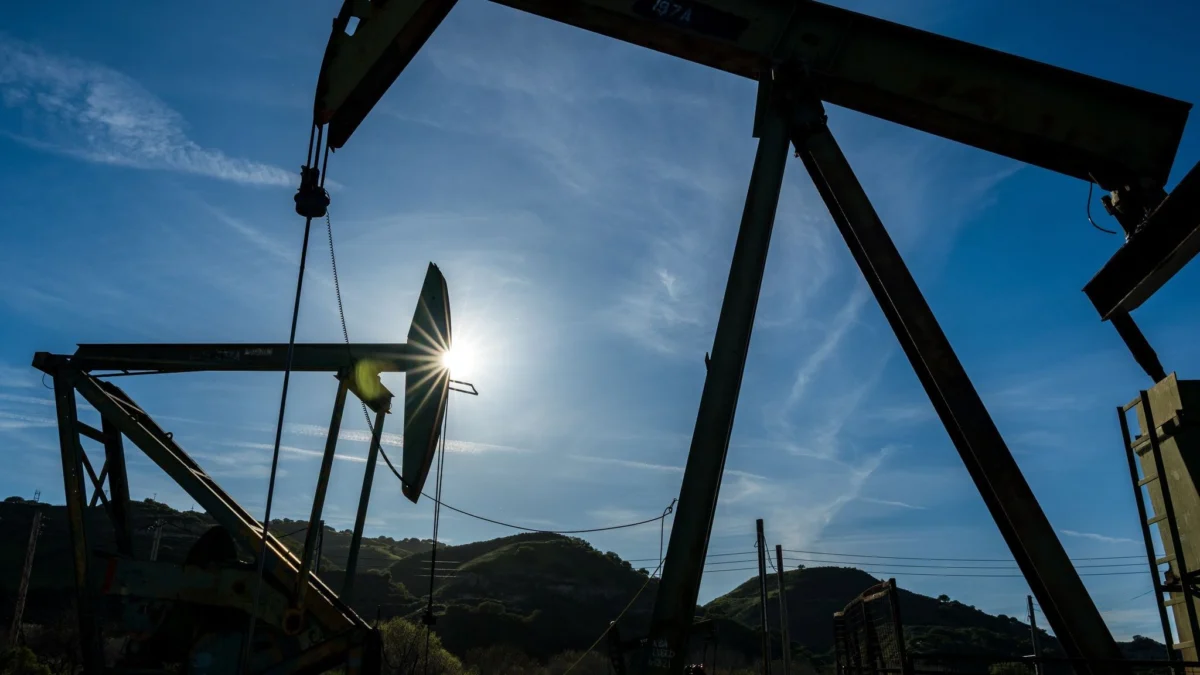
Oil prices experienced a dramatic rollercoaster ride driven by the escalating Iran conflict, but a recent glimmer of hope for diplomatic negotiations has sent them tumbling back below the psychologically significant $100 per barrel mark. The price for a barrel of North Sea Brent crude for May delivery saw a swift decline of nearly four percent in minutes following pronouncements from U.S. President Donald Trump indicating a potential for talks with Iran.
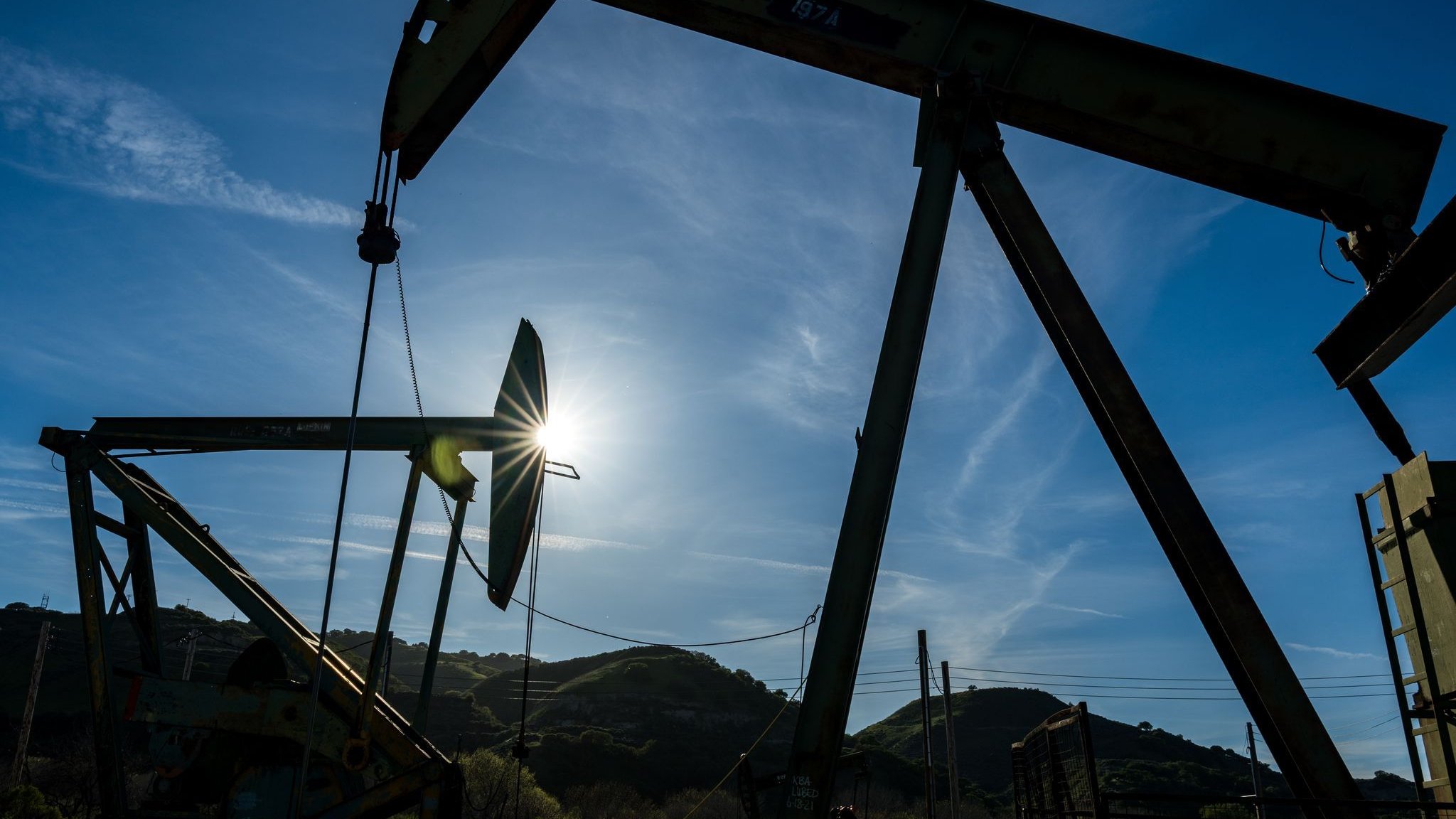
This sudden shift in market sentiment underscores the volatile nature of geopolitical events and their immediate impact on global energy markets. For weeks, the escalating tensions had propelled oil prices upwards, with Brent crude briefly touching nearly $120 per barrel at the peak of the conflict. This marked a significant surge from the $60 to $70 per barrel range where prices had stabilized for months prior to the escalation. The heightened conflict had also led to substantial price increases for refined products such as gasoline and diesel, as well as heating oil, directly impacting consumers worldwide.
Background: The Escalating Iran Conflict and Market Volatility
The geopolitical landscape surrounding Iran has long been a source of concern for global energy markets, given the nation’s significant role as an oil producer. The recent intensification of the conflict, characterized by various incidents and heightened rhetoric, created a palpable sense of uncertainty. Analysts had warned that any disruption to Iranian oil exports, or even the perception of such a disruption, could lead to significant price hikes due to the global reliance on crude oil.
The surge in prices prior to Trump’s recent statements reflected a market deeply concerned about supply security. The Organization of the Petroleum Exporting Countries (OPEC) and its allies, including Russia, have been attempting to manage global oil supply through production cuts, but the Iran situation presented a significant exogenous shock that threatened to overwhelm these efforts. The premium attributed to the risk of supply disruption had become a dominant factor in oil price calculations.
A Timeline of Tension and Shifting Fortunes
The recent period has been marked by a series of events that have directly influenced oil market dynamics:
- Pre-Conflict Stability: For several months preceding the recent escalation, oil prices for Brent crude remained relatively stable, trading in a range of $60 to $70 per barrel. This period was characterized by a focus on OPEC+ production management and steady global demand.
- Escalation and Price Surge: As tensions with Iran began to rise, market participants grew increasingly concerned about potential supply disruptions. This fear drove prices upward, with Brent crude briefly breaching the $100 mark and nearing $120 per barrel at its apex. This reflected a significant "risk premium" being factored into the price.
- Trump’s Diplomatic Overture: In a notable shift, U.S. President Donald Trump made statements suggesting that Iran was ready for negotiations. Speaking to journalists, Trump indicated, "We are actually talking to the right people, and they very much want to make a deal."
- Market Reaction: The immediate aftermath of Trump’s remarks saw a sharp and rapid decline in oil prices. Within minutes, Brent crude futures for May delivery fell below the $100 threshold, erasing substantial gains made during the period of heightened conflict.
Data and Analysis: The Economic Impact of Geopolitical Shifts
The fluctuations in oil prices have profound economic implications. A sustained period of prices above $100 per barrel typically leads to:
- Increased Inflationary Pressures: Higher energy costs translate directly into higher prices for transportation, manufacturing, and consumer goods, contributing to broader inflation.
- Reduced Consumer Spending: As households spend more on essential energy needs, discretionary spending typically declines, potentially slowing economic growth.
- Impact on Energy-Dependent Industries: Sectors heavily reliant on oil, such as aviation and transportation, face increased operating costs, potentially leading to higher ticket prices or reduced services.
- Economic Strain on Importing Nations: Countries that are net importers of oil face a significant worsening of their trade balances, potentially impacting their currency values and fiscal stability.
Conversely, a sustained drop in oil prices, as observed following Trump’s statements, can have the following effects:

- Lower Inflation: Reduced energy costs can ease inflationary pressures, potentially allowing central banks more flexibility in monetary policy.
- Increased Consumer Purchasing Power: Lower gasoline prices, for instance, can leave consumers with more disposable income, potentially boosting spending.
- Reduced Costs for Businesses: Industries that rely on oil as a feedstock or for transportation benefit from lower operating expenses.
- Improved Trade Balances: For oil-importing nations, falling prices reduce the cost of energy imports, positively impacting their trade accounts.
The swiftness of the price drop highlights how sensitive the oil market is to geopolitical pronouncements. While the immediate relief from lower prices is welcomed by many economies, the underlying geopolitical tensions remain a significant factor to monitor.
Official Responses and Diplomatic Currents
President Trump’s assertion that "the right people" in Iran are eager to negotiate signals a potential de-escalation in a conflict that had been rapidly intensifying. His administration has employed a strategy of "maximum pressure" against Iran, aiming to curb its nuclear program and reduce its regional influence. However, the economic consequences of this strategy, particularly the surge in oil prices, have been a significant concern for global economic stability.

Historically, Iran has denied readiness for direct negotiations under such pressure, often linking any dialogue to a lifting of sanctions. The lack of an immediate official comment from Tehran following Trump’s latest remarks leaves the diplomatic landscape somewhat ambiguous. However, the market’s immediate positive reaction suggests that even the possibility of dialogue is being viewed as a significant de-escalating factor.
The implications of any potential negotiation could be far-reaching. A diplomatic resolution could lead to the easing of sanctions on Iranian oil, potentially bringing significant volumes of crude back onto the global market. This would likely exert further downward pressure on prices and contribute to greater market stability. However, the complexities of the Iran-U.S. relationship and the various regional players involved suggest that any diplomatic breakthrough would likely be a gradual and intricate process.

Broader Impact and Future Implications
The volatility in oil prices directly linked to the Iran conflict serves as a stark reminder of the interconnectedness of global security and economic stability. The ability of a single geopolitical event to cause such significant price swings underscores the vulnerability of the global economy to disruptions in key energy-producing regions.
While the current reprieve in oil prices offers some economic relief, the underlying factors that led to the escalation of tensions have not disappeared. The long-term implications will depend on the sustainability of any diplomatic engagement and the broader geopolitical trajectory of the region. Analysts will be closely watching for any concrete signs of de-escalation, such as verifiable steps towards dialogue or a reduction in military posturing.

The market’s reaction also highlights the power of sentiment and expectation in commodity trading. The mere suggestion of a diplomatic solution was enough to trigger a significant price correction, demonstrating how quickly investor confidence can shift based on perceived geopolitical developments.
Looking ahead, the following factors will be crucial in determining the future direction of oil prices:

- Sustained Diplomatic Engagement: The longevity and effectiveness of any dialogue between the U.S. and Iran will be paramount.
- Sanctions Relief and Iranian Oil Exports: Any easing of sanctions would directly impact global supply dynamics.
- Global Economic Growth and Demand: Underlying global demand for oil remains a key driver of prices, irrespective of geopolitical events.
- OPEC+ Policy: The production decisions of OPEC and its allies will continue to play a significant role in managing supply.
- Other Geopolitical Hotspots: The emergence of new or escalating conflicts elsewhere in the world could also influence oil market sentiment.
In conclusion, the recent sharp decline in oil prices, driven by the prospect of diplomatic engagement with Iran, offers a temporary respite from the pressures of the escalating conflict. However, the underlying geopolitical complexities suggest that the oil market will remain sensitive to developments in the region, underscoring the ongoing need for vigilance and a focus on diplomatic solutions to ensure global energy security and economic stability.