Clara Shinta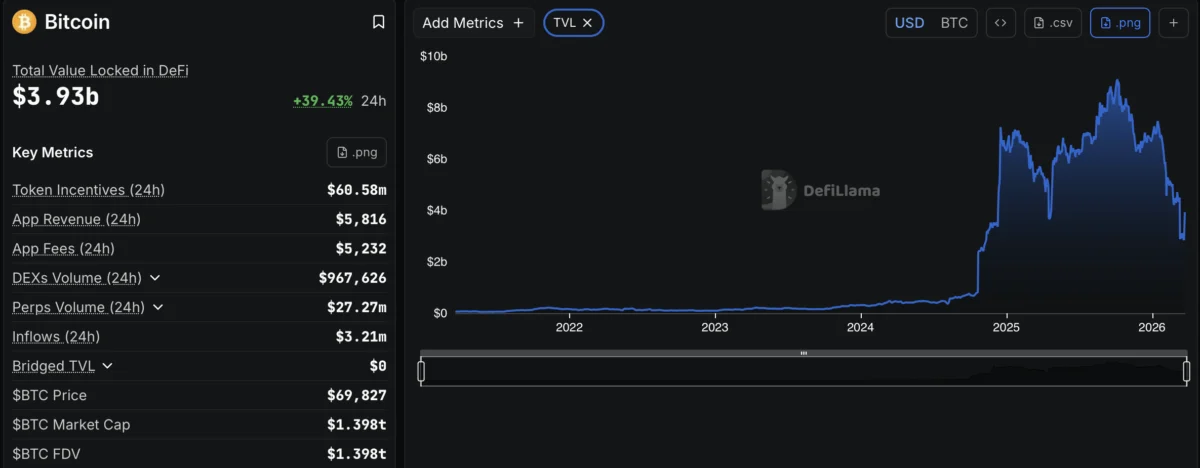
Lombard, a pioneering company dedicated to building robust Bitcoin-based lending infrastructure, has officially announced a strategic partnership with Bitwise Asset Management, a leading force in crypto investment solutions. This collaboration is poised to fundamentally transform how institutions interact with their substantial Bitcoin holdings, enabling them to earn yield and borrow against Bitcoin (BTC) without the prohibitive requirement of moving these assets out of their existing custodial arrangements. The ambitious goal of this alliance is to unlock hundreds of billions of dollars in Bitcoin currently held passively in institutional custody, integrating it into the broader onchain financial ecosystem.
The groundbreaking partnership was formally unveiled on Tuesday at the prestigious Digital Asset Summit held in New York, a key gathering point for innovators and investors in the digital asset space. This announcement marks a significant milestone in the ongoing effort to bridge the gap between traditional finance and the rapidly evolving world of decentralized finance (DeFi), specifically for the world’s largest cryptocurrency.
Jacob Phillips, CEO and co-founder of Lombard, articulated the profound significance of this development in an exclusive statement to Cointelegraph. Phillips highlighted the core innovation driving this new capability: "The breakthrough is Bitcoin Smart Accounts—connecting two previously isolated worlds: institutional custody and onchain finance." This statement underscores the paradigm shift Lombard’s technology aims to initiate, moving away from fragmented systems towards a more integrated and efficient financial landscape for Bitcoin.
The Genesis of "Bitcoin Smart Accounts": A New Frontier for Institutional Engagement
For years, institutional investors have grappled with the challenge of maximizing the utility of their Bitcoin holdings. While Bitcoin has gained widespread acceptance as a store of value and a hedge against inflation, its integration into productive financial strategies has been severely hampered by security concerns, operational complexities, and the inherent risks associated with moving assets across different platforms or jurisdictions. The traditional approach often involved transferring Bitcoin to third-party lending platforms, requiring a relinquishing of custody and exposing institutions to significant counterparty risk, as tragically demonstrated by several high-profile collapses in the crypto lending sector.
Lombard’s "Bitcoin Smart Accounts" directly address these critical pain points. According to an announcement shared with Cointelegraph, the platform leverages sophisticated Bitcoin-native tools, including partially signed transactions (PSBTs) and timelocks, to verify collateral onchain. Crucially, this innovative approach allows lending positions to be represented and secured on the blockchain without ever requiring the underlying Bitcoin assets to be transferred from the institution’s custodian or to be rehypothecated. This technical design is a game-changer, as it maintains the highest standards of security and control that institutional investors demand.
Phillips further elaborated on the distinct advantage of this architecture, noting that "Bitcoin Smart Accounts eliminate all three risk vectors simultaneously." These vectors – custody risk, bridge risk, and counterparty risk – have historically acted as formidable barriers, severely limiting the appetite of institutional players for Bitcoin lending. By removing the necessity for cross-chain bridges (which have been targets of exploits leading to billions in losses) and preventing the rehypothecation of assets, Lombard’s solution offers a vastly more secure and transparent pathway for institutions to engage with DeFi.
A Strategic Alliance: Roles and Complementary Expertise
The partnership structure leverages the unique strengths of each participating entity. Lombard, as the architect of the core infrastructure, provides the foundational technology that enables secure onchain interaction with custodied Bitcoin. Bitwise Asset Management, with its established reputation and expertise in navigating the complexities of crypto markets for institutional clients, will be responsible for developing sophisticated yield strategies. These strategies are designed to combine the innovative potential of DeFi lending with the stability and familiarity of tokenized real-world assets, offering diversified and robust return profiles.
Adding another critical layer to this ecosystem is Morpho, a leading decentralized lending protocol. Morpho will provide the underlying lending infrastructure, facilitating the borrowing against Bitcoin through its proven and audited protocol. Morpho’s role is essential in ensuring the decentralized and transparent execution of lending activities, aligning with the ethos of DeFi while catering to institutional requirements. This multi-party collaboration exemplifies how specialized expertise across infrastructure, asset management, and decentralized protocols can converge to create highly integrated and secure financial products.
Unlocking Latent Capital: The $500 Billion Opportunity
The target audience for this innovative offering is broad yet specific, encompassing high-net-worth individuals, sophisticated asset managers, and corporate treasuries. These entities collectively hold substantial Bitcoin positions, often acquired for long-term strategic reasons, but which have remained largely dormant due to the lack of viable options for generating yield or accessing liquidity without altering existing custody arrangements, incurring excessive risk, or triggering potentially significant taxable events.
Lombard’s internal estimates paint a compelling picture of the untapped potential: approximately $500 billion worth of Bitcoin is currently held in institutional custody. A substantial portion of this colossal sum remains outside the dynamic and rapidly expanding onchain financial markets. Phillips emphasized the transformative nature of their model, stating, "We’re moving Bitcoin from a pure store of value to productive institutional capital. That’s the shift." This sentiment encapsulates the core objective of the partnership: to transform Bitcoin from a passive asset on a balance sheet into an actively managed, yield-generating component of an institutional portfolio.
Historically, Bitcoin in institutional portfolios has functioned predominantly as a passive store of value, a digital gold reserve. The options for generating income or accessing liquidity from these holdings were severely limited. Institutions either had to sell their Bitcoin, potentially incurring capital gains taxes and losing exposure to future price appreciation, or engage in risky lending practices that often involved rehypothecation and reliance on centralized third parties. The Lombard-Bitwise solution seeks to eliminate this dilemma, offering a pathway for institutions to put their Bitcoin to work while retaining control and mitigating systemic risks.

The Road Ahead: Implementation and Future Expansion
The rollout of this transformative platform is anticipated in the second quarter of 2026. This timeline allows for comprehensive development, rigorous security audits, and meticulous integration with institutional custodians and existing financial workflows. Looking beyond the initial launch, Lombard has outlined ambitious plans to expand its ecosystem by adding more custodians and decentralized protocols. This strategic expansion is crucial for broadening access and maximizing the reach across the vast landscape of institutional Bitcoin holdings. The modular and adaptable nature of the "Bitcoin Smart Accounts" infrastructure is designed to facilitate this future growth, enabling seamless integration with a diverse array of financial service providers and DeFi applications.
The phased approach to rollout and expansion is a testament to the complex regulatory and operational environment in which these innovations are being introduced. By starting with a focused offering and gradually broadening its scope, Lombard and Bitwise aim to build trust, demonstrate efficacy, and adapt to evolving market demands and regulatory landscapes. This measured approach is vital for fostering long-term institutional adoption.
The Broader Landscape of Bitcoin DeFi: A Growing Ecosystem
The partnership between Lombard and Bitwise is not an isolated event but rather a significant acceleration within a broader trend: the burgeoning growth of Bitcoin DeFi. Data from DefiLlama currently shows Bitcoin’s total value locked (TVL) in decentralized finance at approximately $2.93 billion. While this figure represents a substantial sum, it remains a relatively small fraction of Bitcoin’s approximately $1.4 trillion market capitalization. This stark disparity highlights the immense untapped potential for Bitcoin to play a more active role within DeFi. However, momentum is undeniably building, fueled by concerted efforts to transform Bitcoin into a yield-generating asset.
One key driver behind this burgeoning momentum is the rise of onchain vaults. These innovative financial instruments function much like automated investment funds, strategically deploying user capital across a variety of DeFi strategies to optimize returns. In a related development, Bitwise had already demonstrated its commitment to this space in January, when it announced a tie-up with DeFi lending protocol Morpho to launch non-custodial vaults specifically designed to generate yield through overcollateralized lending. This earlier collaboration laid foundational groundwork that logically extends into the current Lombard partnership.
The trend towards making Bitcoin more productive has accelerated rapidly in recent months. In February, the popular messaging application Telegram integrated yield-generating vaults into its built-in crypto wallet, allowing users to earn returns on Bitcoin, Ether, and USDT directly within the app. This move significantly lowered the barrier to entry for millions of users to engage with DeFi-like yield generation. In March, the Bitcoin staking protocol Babylon made headlines by integrating with hardware wallet maker Ledger. This integration enables users to deploy their BTC in various financial applications while rigorously maintaining self-custody through hardware-based transaction signing, a crucial security feature for many investors.
At the time of writing, Babylon Protocol stands as a prominent leader in the Bitcoin-based DeFi sector, boasting an impressive total value locked of approximately $2.8 billion. Lombard, while newer to the public stage with its current offering, already ranks second with around $744 million in TVL, underscoring the rapid validation and adoption of its innovative approach. The landscape of Bitcoin DeFi is becoming increasingly diverse, featuring solutions for staking, lending, and sophisticated vault strategies, all contributing to the overarching goal of enhancing Bitcoin’s utility beyond a mere store of value.
Analysis: Implications for the Future of Finance
The Lombard-Bitwise partnership represents more than just a new product offering; it signals a maturing phase in the institutional adoption of digital assets. By addressing the critical concerns of security, custody, and counterparty risk with a Bitcoin-native solution, the collaboration is poised to accelerate the integration of Bitcoin into mainstream financial strategies.
Impact on Institutional Adoption: This innovation removes significant friction points that have historically deterred large institutions. The ability to earn yield or borrow against Bitcoin without transferring it from a trusted custodian drastically lowers the operational burden and risk profile, potentially opening the floodgates for a new wave of institutional capital to flow into productive Bitcoin-centric DeFi applications. It provides a more familiar and secure framework for traditional finance players to engage with the digital asset economy.
Shift in Bitcoin’s Role: The partnership reinforces Bitcoin’s evolving identity from a purely speculative or passive reserve asset to a dynamic, yield-generating component of a diversified portfolio. This shift could alter how financial advisors, asset managers, and corporate treasurers view and allocate capital to Bitcoin, moving it from a "hold and forget" strategy to an actively managed asset.
Regulatory Considerations: While the article does not explicitly delve into regulatory aspects, the development of secure, custody-agnostic solutions like Bitcoin Smart Accounts will inevitably prompt closer scrutiny and potentially clearer guidance from financial regulators. As institutional participation grows, the demand for regulatory clarity around onchain lending, collateralization, and yield generation will intensify, pushing jurisdictions to adapt their frameworks to accommodate these innovations. The emphasis on mitigating traditional crypto risks (custody, bridge, counterparty) could also be viewed favorably by regulators.
Competitive Landscape: The burgeoning Bitcoin DeFi space is becoming increasingly competitive. This partnership, combining Lombard’s technical innovation with Bitwise’s institutional reach and Morpho’s decentralized infrastructure, sets a high bar. It will likely spur other players in the market to innovate further, fostering a robust environment of competition that ultimately benefits institutional and retail users seeking secure and efficient ways to leverage their Bitcoin.
In conclusion, the strategic alliance between Lombard and Bitwise Asset Management, leveraging the groundbreaking "Bitcoin Smart Accounts" and Morpho’s decentralized lending protocol, marks a pivotal moment for institutional engagement with Bitcoin. By securely bridging the divide between institutional custody and onchain finance, this partnership is set to unlock billions in previously dormant capital, transforming Bitcoin from a passive store of value into a truly productive institutional asset. The anticipated rollout in Q2 2026 will be a closely watched event, as it promises to reshape how institutions perceive and utilize their Bitcoin holdings, driving a new era of growth and innovation in the global financial landscape.