Ena Muazin
Düsseldorf – International financial markets experienced a surge of optimism on Monday, fueled by a statement from United States President Donald Trump that signaled a potential de-escalation in tensions with Iran. The announcement, which indicated a temporary suspension of threatened attacks on Iranian power plants, sent oil prices lower and saw significant gains in several stock market indices. This development marks a critical juncture in the ongoing geopolitical standoff, offering a glimmer of hope for stability in a region prone to volatility.
The initial impetus for this market reaction stemmed from President Trump’s social media post, which detailed "productive" discussions held over the weekend with Iranian representatives. This statement suggested a willingness to pause punitive actions, a move that directly addressed the escalating crisis in the Strait of Hormuz. The President had previously issued a 48-hour ultimatum for the release of the strategically vital waterway, a demand that had heightened anxieties about potential military confrontations and their cascading economic consequences.
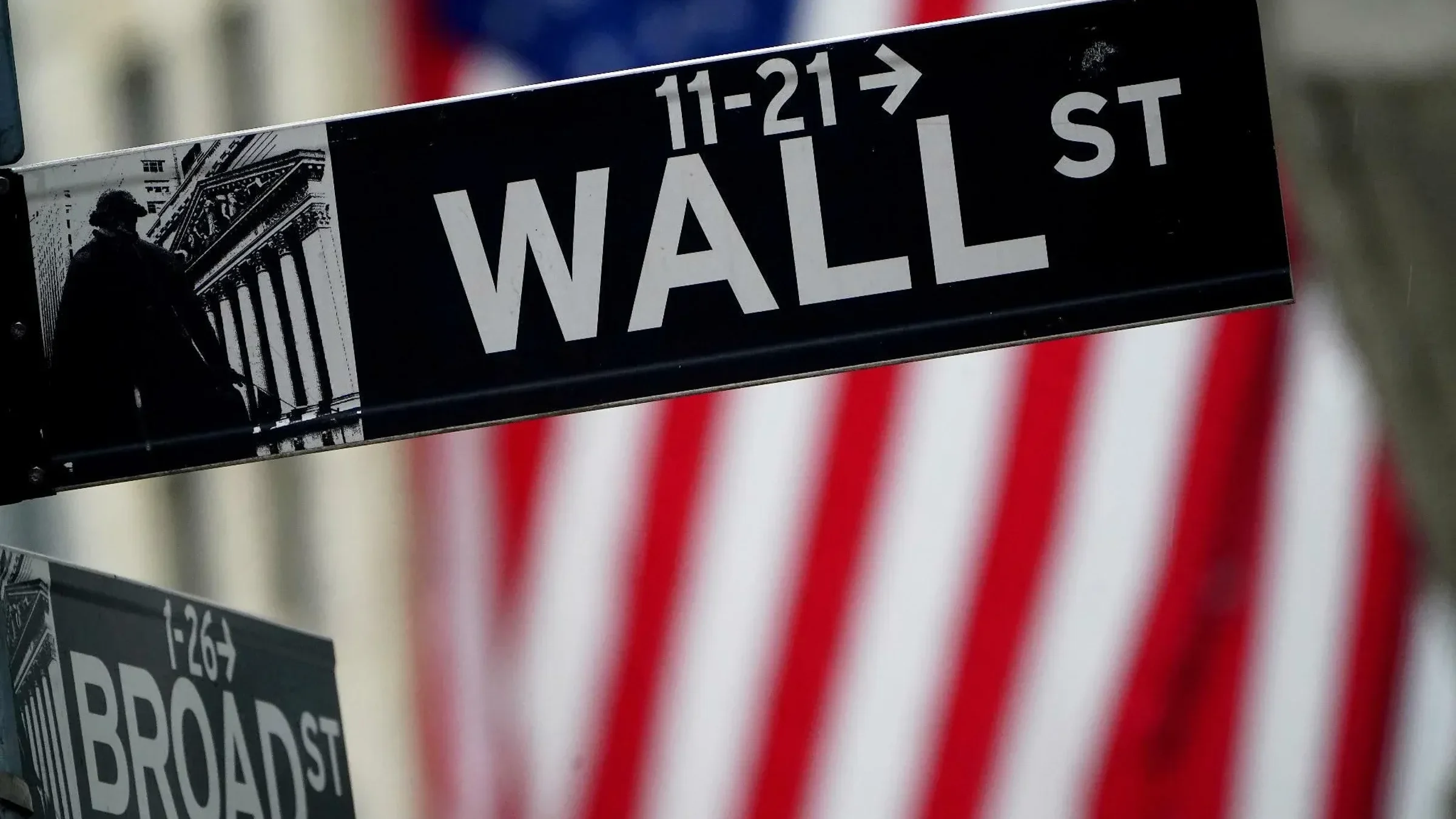
The immediate aftermath of Trump’s announcement saw a notable uptick in major US stock market indices. While some of these gains moderated by the close of trading, the overall sentiment remained positive, with indices finishing significantly in the green. This rebound represents a welcome development for investors who had witnessed a sharp downturn in the preceding days. Just the previous Friday, all three major US indices—the Dow Jones, S&P 500, and Nasdaq—had closed with losses ranging from one to three percent, reflecting widespread concern over the escalating US-Iran conflict.
Background and Escalation of the Crisis
The recent escalation in tensions between the United States and Iran had been a primary driver of market uncertainty. President Trump, via his platform Truth Social, had issued a stern warning on Sunday, threatening to inflict severe damage upon Iran’s energy infrastructure if the country did not release the Strait of Hormuz within the stipulated 48-hour timeframe. This direct threat was met with a defiant response from Iran, which subsequently published a list of potential targets within its arsenal and alluded to the possibility of mining sections of the Persian Gulf.
The exchange between the two nations had been intensifying over the preceding weeks, with a series of actions and reactions that had brought the region to a precarious precipice. The US had been reinforcing its military presence in the Persian Gulf and had previously imposed stringent sanctions on Iran, aimed at curtailing its oil exports and pressuring its economy. Iran, in turn, had threatened to disrupt maritime traffic through the Strait of Hormuz, a critical chokepoint for global oil supplies, accounting for approximately one-fifth of the world’s oil consumption.
Conflicting Narratives on Negotiations
President Trump attributed his decision to suspend the threatened attacks to alleged discussions involving his son-in-law, Jared Kushner, and Middle East envoy Steve Witkoff, who purportedly engaged with representatives of the Islamic Republic. However, this narrative was swiftly challenged by Iranian official sources. The semi-official Fars news agency, as well as the speaker of the Iranian parliament, categorically denied that any negotiations had taken place. These contradictory statements highlight the complex and often opaque nature of diplomatic engagement between the two adversaries, leaving room for ambiguity and potential misinterpretation.
The Iranian parliament speaker’s denial suggests that any perceived progress might have been unilateral or based on indirect channels rather than formal diplomatic talks. This discrepancy raises questions about the veracity of the claims and the true extent of communication between the two nations. It underscores the persistent challenges in bridging the gap between US demands and Iran’s strategic interests and security concerns.

Market Reactions and Oil Prices
The immediate impact on financial markets was a palpable sense of relief. The price of Brent crude oil, a key global benchmark, saw a notable decline following President Trump’s announcement, reflecting the reduced immediate risk of supply disruptions in the Strait of Hormuz. This downward pressure on oil prices is a direct consequence of decreased geopolitical risk premiums that had been driving up energy costs. Analysts had been closely monitoring oil markets, as any significant spike could have led to increased inflation and dampened global economic growth.
Equities, particularly those sensitive to oil prices and geopolitical stability, experienced a strong positive reaction. Sectors such as airlines, shipping, and energy exploration, which had been under pressure due to rising fuel costs and the threat of conflict, saw a significant uplift. The broader market rally indicated that investors were willing to price in a more optimistic scenario, at least in the short term.

Broader Implications and Economic Analysis
The events of Monday represent a crucial test for diplomatic channels in managing high-stakes international relations. The tentative de-escalation, even if based on conflicting accounts of communication, provides a much-needed respite. However, the underlying issues that led to the crisis remain unresolved. The US sanctions regime against Iran continues, and Iran’s strategic objectives, including its regional influence and nuclear program, remain points of contention.
The economic implications of the Strait of Hormuz being closed or significantly disrupted are substantial. A sustained disruption could have triggered a global recession, with oil prices potentially soaring to unprecedented levels. The International Energy Agency (IEA) had previously warned that any prolonged closure of the strait could lead to a significant shortfall in global oil supply, impacting not only energy markets but also the broader economy through increased transportation costs and inflation.

Furthermore, the region’s interconnectedness means that conflict in the Persian Gulf can have ripple effects across global supply chains. The presence of major oil-producing nations in the region, coupled with the strategic importance of shipping routes, makes any instability a significant concern for international trade and economic stability.
Future Outlook and Analyst Perspectives
While the markets have reacted positively to the immediate news, many analysts caution that the situation remains fluid. The conflicting reports from the US and Iran suggest that the path to sustained de-escalation may be fraught with challenges. The effectiveness of the current US administration’s diplomatic approach, often characterized by a blend of pressure and negotiation, will continue to be scrutinized.

Key questions remain about the long-term implications of this episode. Will this temporary reprieve lead to a more sustained dialogue? Can the underlying geopolitical issues be addressed through diplomatic means? Or will this be merely a pause in an ongoing conflict? The answers to these questions will be critical in shaping regional stability and global economic outlook in the coming months and years.
The market’s immediate euphoria should be viewed within the context of its sensitivity to perceived risks. The return of stability, even if fragile, allows investors to re-evaluate assets based on fundamental economic factors rather than immediate geopolitical threats. However, the memory of previous escalations and the potential for renewed tensions will likely keep a certain degree of caution embedded in market sentiment.

A Tentative Step Towards Peace
The recent developments offer a welcome, albeit tentative, step away from the brink of conflict. The market’s positive reaction underscores the global economy’s deep reliance on stability in key geopolitical regions. For now, the focus shifts to whether this moment of apparent de-escalation can be translated into a more enduring diplomatic resolution, addressing the core grievances that have fueled the tensions between the United States and Iran. The coming days and weeks will be crucial in determining whether this initial euphoria translates into lasting peace and economic stability.