Evan Lee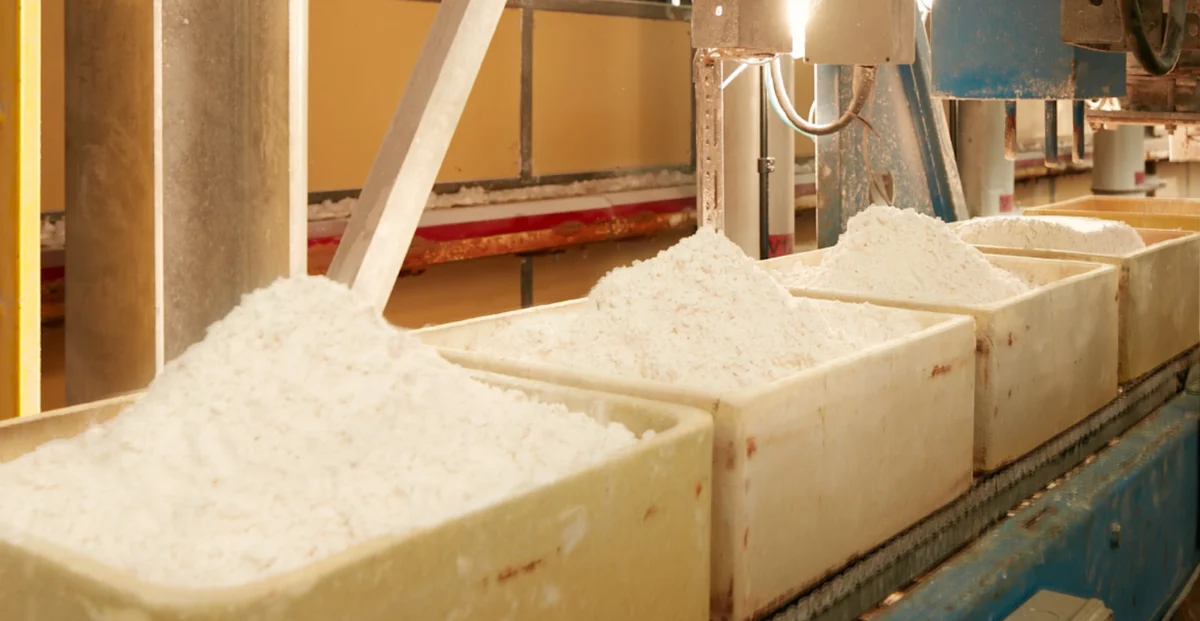
Lynas Rare Earths (ASX: LYC) has reached a significant milestone in its strategic expansion outside of China, successfully producing its first batch of samarium oxide at its processing facility in Malaysia. This achievement not only diversifies the company’s product portfolio to include three critical heavy rare earth oxides – samarium, dysprosium, and terbium – but also solidifies its unique position as the sole commercial producer of separated heavy rare earths outside the People’s Republic of China. The development signals a crucial step in global efforts to de-risk and diversify the supply chain for these essential materials, which are indispensable for advanced technologies.
A Strategic Leap in Heavy Rare Earth Production
The successful production of samarium oxide marks a pivotal moment for Lynas Rare Earths, underscoring its commitment to expanding its heavy rare earth capabilities. Previously, Lynas had already established itself as a key player by commencing the production of dysprosium and terbium, both vital components in high-performance magnets. The addition of samarium oxide to its repertoire further enhances its offering to a global market increasingly reliant on these specialized elements. Samarium oxide is a highly sought-after commodity, finding critical applications in the manufacturing of high-performance permanent magnets essential for electric vehicles, wind turbines, and advanced defense systems. Its utility also extends to optical technologies, catalysts in industrial processes, and various medical applications, highlighting its broad strategic importance.
The initial timeline for samarium oxide production had been projected for April, following Lynas’s announcement of a substantial expansion of its Malaysian plant. This expansion project, estimated to cost approximately A$180 million, is designed to significantly increase the facility’s capacity to process up to 5,000 tonnes per annum of heavy rare earth feedstock. The progressive integration of this new processing capacity is expected to yield a broader suite of separated heavy rare earth products within the next two years. The initial flowsheet for this expanded capacity includes samarium, gadolinium, dysprosium, terbium, yttrium, and lutetium. Lynas has indicated that further investments in enhancing its processing capabilities to produce additional rare earth elements, such as europium, holmium, ytterbium, and erbium, will be contingent upon securing commercial agreements that guarantee an appropriate return on investment.
Background: The Criticality of Rare Earth Elements and China’s Dominance
Rare earth elements (REEs) are a group of 17 metallic elements with unique magnetic, catalytic, and luminescent properties. Despite their name, they are not particularly rare in the Earth’s crust, but their extraction and processing are complex and environmentally challenging. For decades, China has held a near-monopoly on the global rare earth market, controlling a significant majority of both mining and, crucially, the downstream processing operations. This concentration has led to concerns among Western nations about supply chain security, particularly in the face of geopolitical tensions and potential trade disruptions. The reliance on a single dominant supplier poses a strategic vulnerability for industries critical to national security and the transition to green energy.
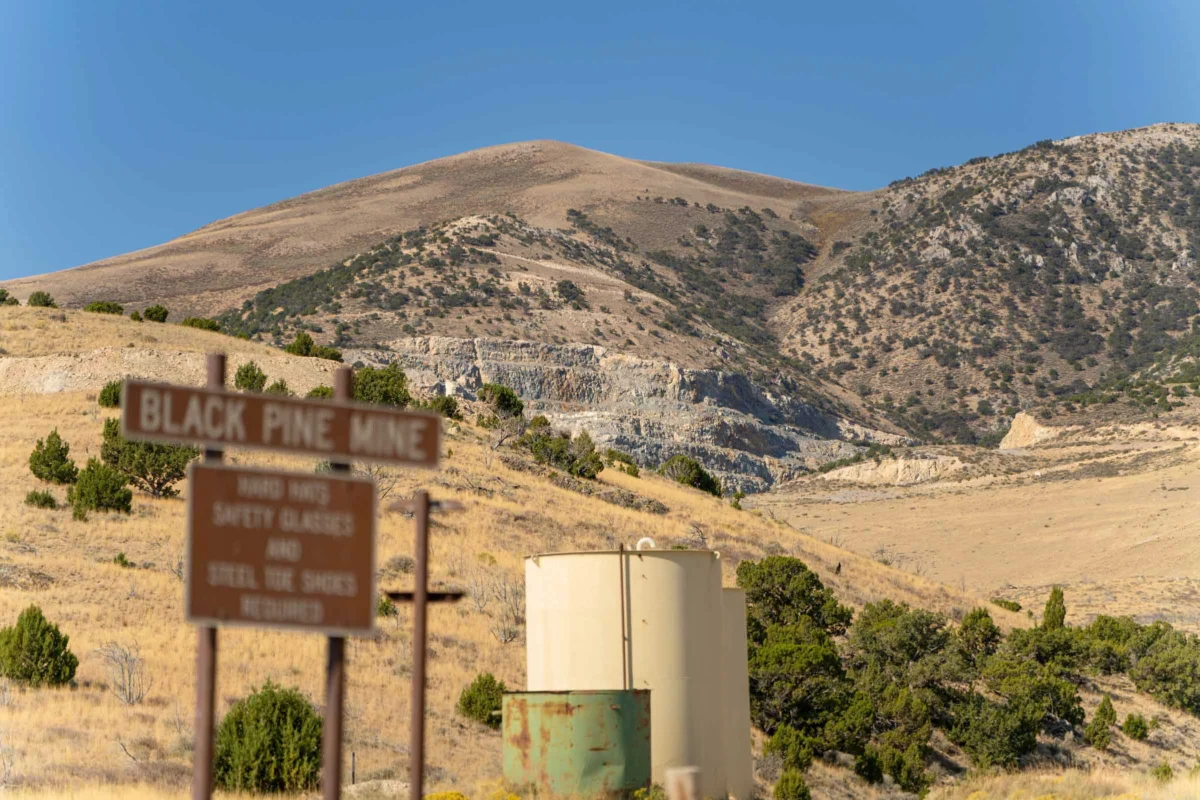
The extraction of rare earth ores typically involves large-scale mining operations, such as those conducted by Lynas at its Mount Weld mine in Western Australia. However, the separation and refining of these elements into usable oxides is a highly specialized and technically demanding process, often involving complex chemical treatments. Historically, China has invested heavily in developing this downstream processing capacity, creating a significant barrier to entry for new players. Lynas’s success in establishing and expanding its Malaysian facility represents a substantial investment and a testament to its technological expertise in overcoming these challenges.
Chronology of Lynas’s Heavy Rare Earth Expansion
Lynas Rare Earths has been strategically building its heavy rare earth capabilities over the past several years. Key milestones include:
- Late 2021/Early 2022: Lynas announces plans for significant expansion of its Malaysian facility to increase heavy rare earth processing capacity.
- Summer 2023: The company announces the commencement of production of dysprosium and terbium, marking its entry into the separated heavy rare earth market outside of China. This was a major step, signifying the initial success of its downstream processing investments.
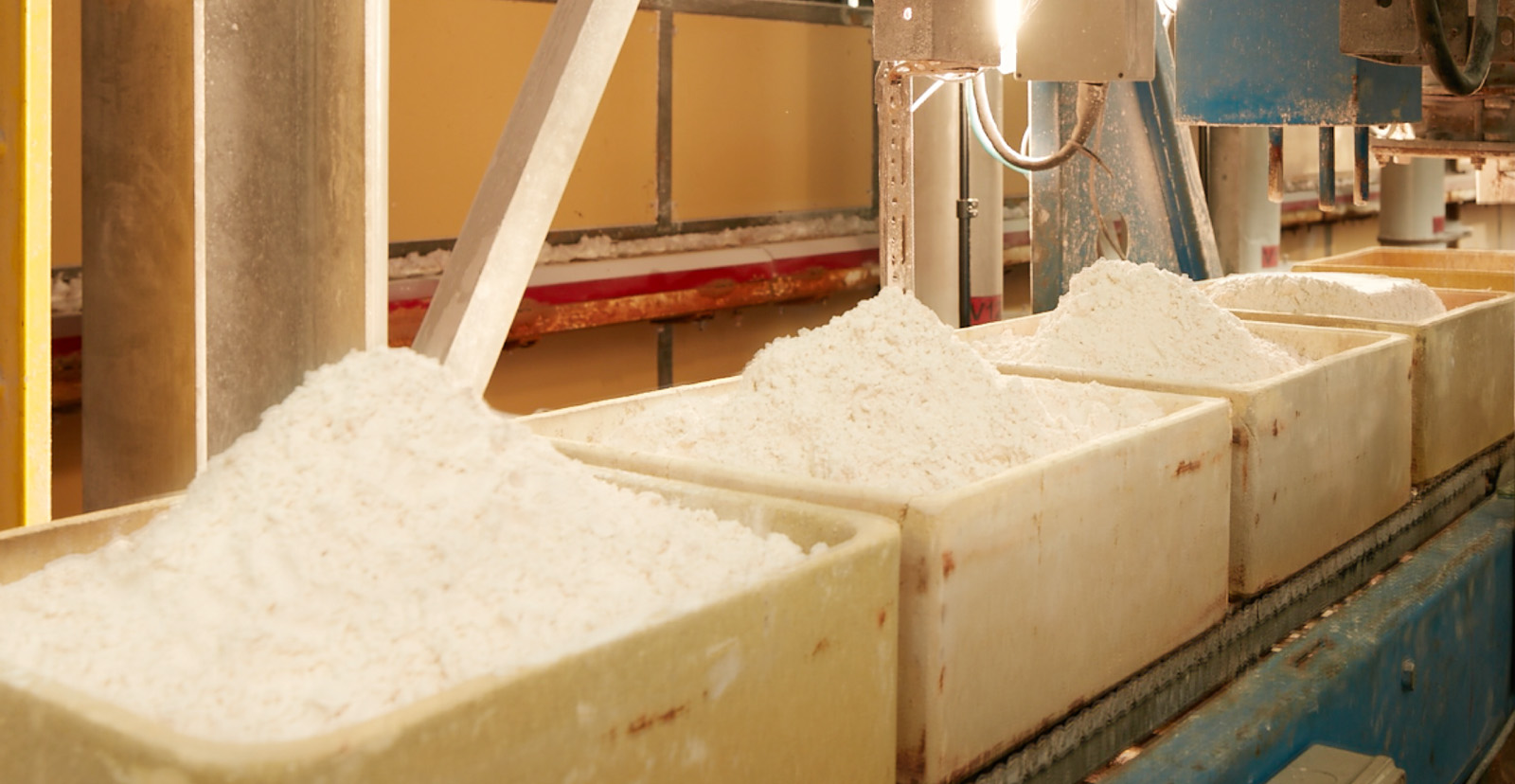
- March 2024 (Reported): Lynas confirms the production of its first samarium oxide, achieving a new critical product milestone. This event occurred slightly ahead of the initially anticipated April timeline.
- Recent Weeks: Lynas secures a binding letter of intent with the U.S. Department of Defense for the supply of rare earth oxides, further underscoring the strategic importance of its production capabilities.
Supporting Data and Market Context
The global demand for rare earth elements is projected to grow significantly in the coming years, driven by the burgeoning electric vehicle (EV) market, renewable energy technologies such as wind turbines, and advanced electronics. Analysts estimate the global rare earth market to be valued at tens of billions of dollars annually, with projections indicating continued robust growth. For instance, the demand for neodymium and praseodymium, key elements for permanent magnets, is expected to double by 2030. While Lynas’s current focus is on heavy rare earths like samarium, dysprosium, and terbium, these elements are also critical for high-temperature magnets and other specialized applications, making their secure supply paramount.
The strategic investment by governments worldwide in diversifying rare earth supply chains is a significant factor supporting Lynas’s expansion. The U.S. government, for example, has actively sought to reduce its reliance on China for critical minerals. The recent binding letter of intent signed by Lynas with the U.S. Department of Defense, covering the supply of both light and heavy rare earth oxides over a four-year period, is a clear indication of this governmental strategy and provides a strong commercial underpinning for Lynas’s operations. This deal is valued at approximately $120 million over the four-year term, highlighting the commercial viability and strategic importance of Lynas’s Malaysian production.
Official Responses and Industry Reactions
Amanda Lacaze, CEO of Lynas Rare Earths, expressed her satisfaction with the achievement: “The achievement of first Samarium oxide, on spec and ahead of schedule, is a significant milestone for Lynas and demonstrates the expertise and capability of our inhouse team which is unique outside China.” This statement emphasizes not only the technical accomplishment but also the distinctiveness of Lynas’s operational capabilities in the global landscape.
The U.S. government’s engagement through the binding letter of intent with Lynas is a clear signal of its commitment to fostering domestic and allied rare earth supply chains. While specific reactions from other governmental bodies or industry peers were not detailed in the initial report, the broader implications are that this development is viewed positively by nations seeking to strengthen their critical mineral security. The ability of Lynas to consistently produce separated rare earths outside China is a strategic asset that is likely to be further supported through various governmental initiatives and private sector partnerships.
Broader Impact and Implications for Global Supply Chains
Lynas Rare Earths’ successful production of samarium oxide has profound implications for the global rare earth market and the broader geopolitical landscape of critical minerals.
- Supply Chain Diversification: This development significantly contributes to the global effort to create a more diversified and resilient rare earth supply chain. By offering a viable alternative to Chinese suppliers, Lynas helps mitigate the risks associated with over-reliance on a single source, which can be susceptible to geopolitical shifts, trade disputes, or disruptions.
- Technological Advancement: The availability of samarium oxide and other heavy rare earths from a non-Chinese source is crucial for industries driving technological innovation. Companies in the aerospace, defense, automotive, and electronics sectors can now pursue their development and manufacturing plans with greater supply chain confidence.
- Economic Opportunities: The expansion of Lynas’s operations in Malaysia creates local employment opportunities and contributes to the country’s economic development as a hub for advanced mineral processing. Furthermore, it positions Australia, as the origin of the ore, as a key player in the upstream segment of the critical minerals value chain.
- Strategic Autonomy: For countries like the United States, securing reliable access to rare earths is essential for maintaining technological leadership and national security. Lynas’s output directly supports this objective, enabling greater strategic autonomy in sectors reliant on these materials.
Financial Performance and Future Outlook
Despite a slight dip of 2.2% in its share price on Friday, closing at A$19.7 billion in market capitalization, Lynas Rare Earths has demonstrated strong performance over the year, with its stock gaining nearly 60%. This upward trend reflects investor confidence in the company’s strategic direction and its crucial role in the evolving global critical minerals landscape. The ongoing investments in capacity expansion and the securing of long-term supply agreements, such as the one with the U.S. government, are likely to further bolster its financial standing and market position.
The company’s strategy of integrating mining with advanced downstream processing capabilities is a significant competitive advantage. As global demand for rare earths continues to surge, driven by the green energy transition and technological advancements, Lynas Rare Earths is well-positioned to capitalize on these trends, solidifying its status as a vital player in securing the critical mineral supply chains of the future. The ongoing success at its Malaysian facility, now including the production of samarium oxide, is a testament to its long-term vision and operational excellence.