Ena Muazin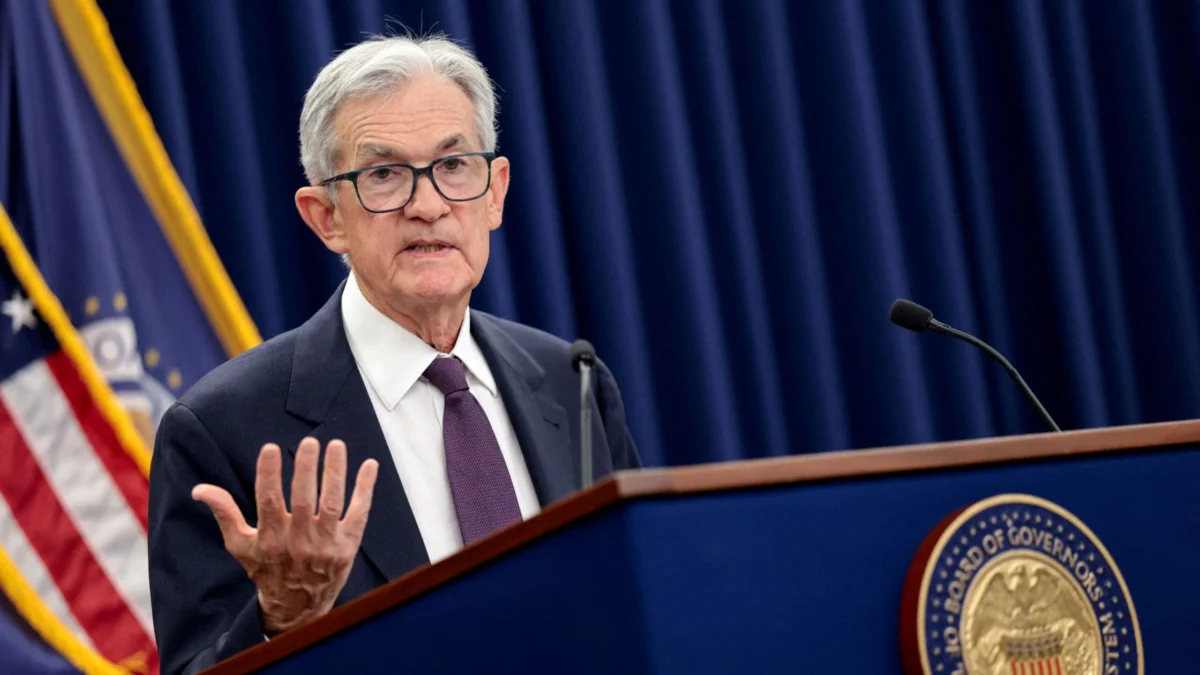
The U.S. Federal Reserve has maintained its benchmark interest rate, keeping it within the previously established range of 3.50% to 3.75%. This decision, widely anticipated by market participants, comes as the central bank navigates a complex economic landscape marked by persistent geopolitical tensions and ongoing domestic economic adjustments. In a notable announcement, Fed Chair Jerome Powell confirmed his intention to remain on the Federal Open Market Committee (FOMC) until the conclusion of the Fed’s current investigations, signaling a commitment to continuity during a critical period.
Background: The Fed’s Monetary Policy Stance
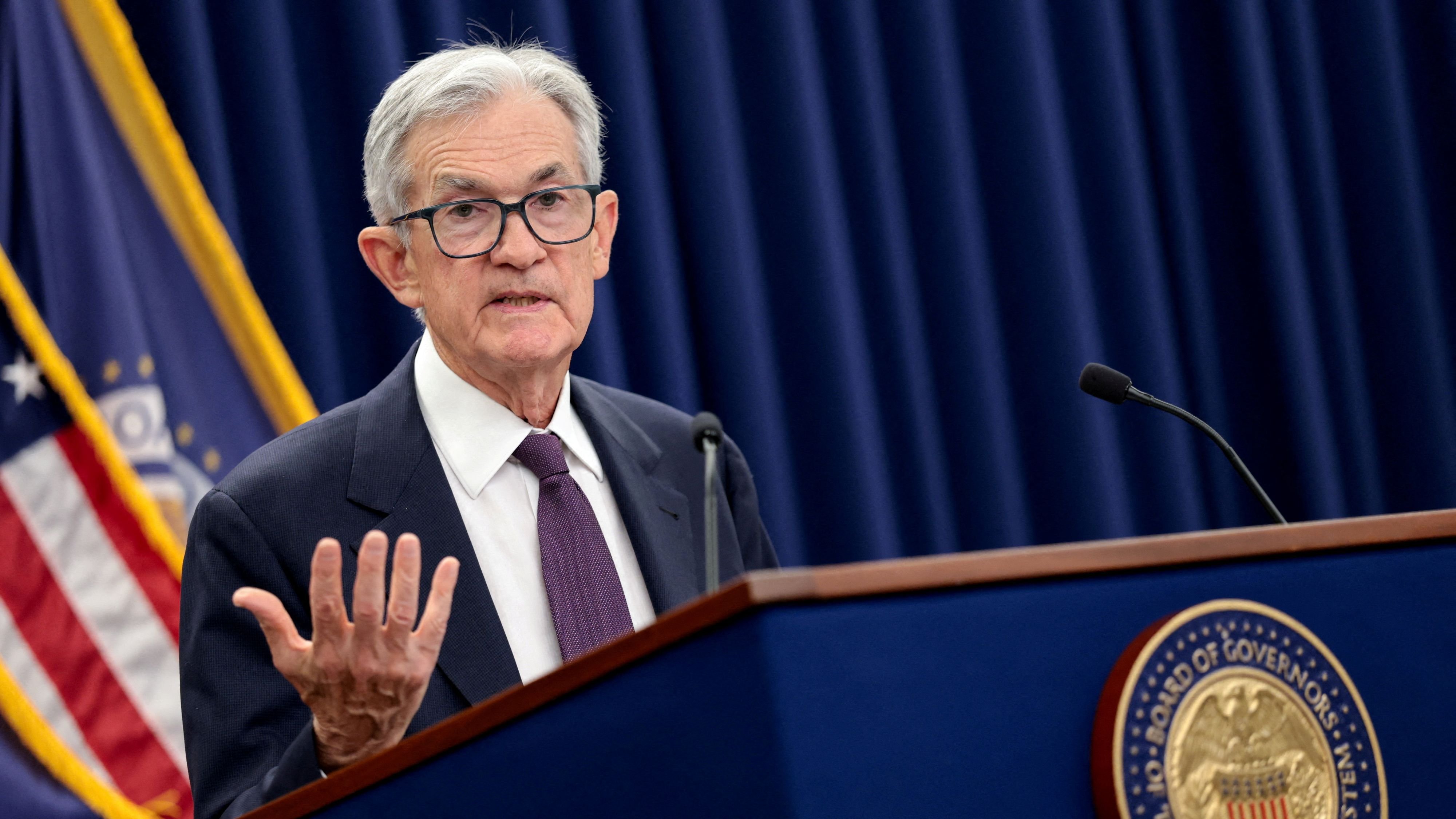
This latest decision follows a pattern of holding steady that began earlier in the year, with the Fed previously implementing a pause on rate hikes in January. The central bank’s monetary policy is guided by a dual mandate: to promote maximum employment and to ensure price stability. In recent times, the Fed has been engaged in a delicate balancing act, attempting to curb inflation without triggering a significant economic downturn. The ongoing conflict in the Middle East has introduced an additional layer of complexity, creating uncertainty about its potential impact on global supply chains, energy prices, and overall economic growth.
Economic Landscape and Geopolitical Influences
The Federal Reserve’s statement explicitly acknowledged the elevated level of uncertainty surrounding the economic outlook. "The uncertainty regarding the economic outlook remains high," the statement read, directly addressing the implications of the escalating situation in the Middle East. The central bank highlighted that the effects of these developments on the U.S. economy are unpredictable. This cautious stance reflects a recognition that geopolitical events can rapidly alter economic conditions, potentially impacting inflation rates and employment levels.
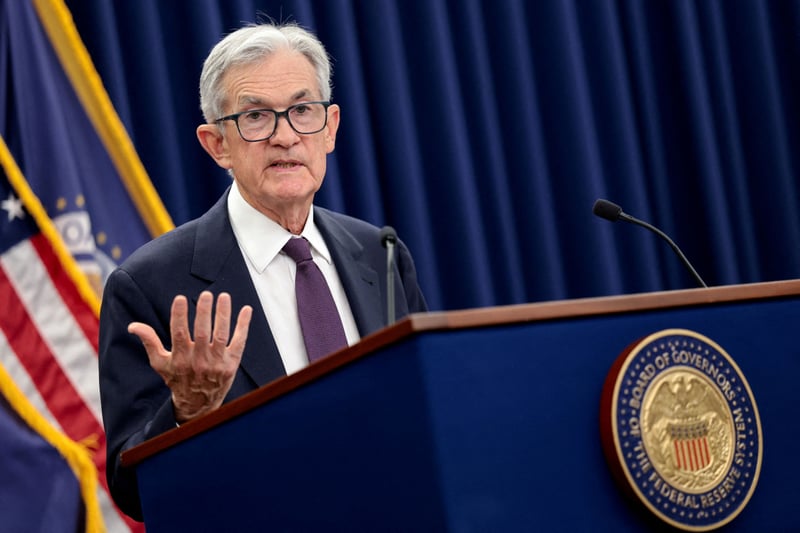
The Fed’s commitment to monitoring risks for both sides of its mandate—price stability and maximum employment—is underscored by its vigilant approach. While inflation has shown signs of moderating from its peak, it remains a primary concern for policymakers. Simultaneously, the labor market has demonstrated resilience, though there are indications of a gradual cooling. The intersection of these factors, coupled with the unpredictable nature of international conflicts, necessitates a data-driven and adaptable monetary policy.
Market Reactions to the Fed’s Decision
Following the announcement of the Federal Reserve’s decision to maintain interest rates, major U.S. stock indices experienced a notable decline. The sharp drop in the market suggests that investors had perhaps anticipated a more dovish signal or were reacting to the Fed’s explicit acknowledgement of heightened geopolitical risks. The increased volatility indicates a degree of apprehension within the financial markets regarding the near-term economic trajectory. Analysts are closely observing the market’s response as an indicator of investor sentiment and their interpretation of the Fed’s forward guidance.
Internal Deliberations within the FOMC
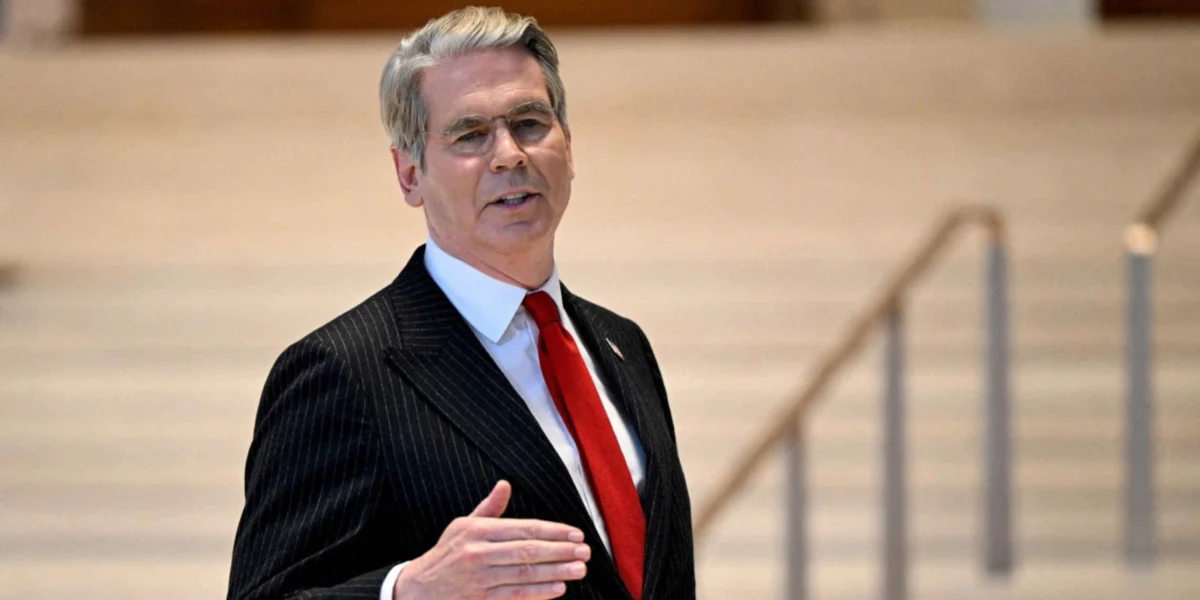
The decision to hold interest rates steady was met with broad consensus within the FOMC. However, a single dissenting voice emerged: Fed Governor Stephen Miran, who advocated for a quarter-percentage-point reduction in interest rates. This divergence, while singular, provides insight into the varying perspectives on the appropriate pace and direction of monetary policy. Art Hogan, Chief Strategist at B. Riley Wealth, commented on this, suggesting that Miran’s stance might be indicative of a "rate-cut autopilot" within certain factions of the committee.
The FOMC comprises twelve voting members. In previous meetings, particularly in December and January, there had been a higher degree of dissent, with three and two dissenting votes respectively. The current meeting’s near-unanimous decision suggests a greater alignment on the immediate path of monetary policy, emphasizing the prevailing view that maintaining the current interest rate is the most prudent course of action given the prevailing economic and geopolitical uncertainties.

Timeline and Context of Fed’s Monetary Policy Adjustments
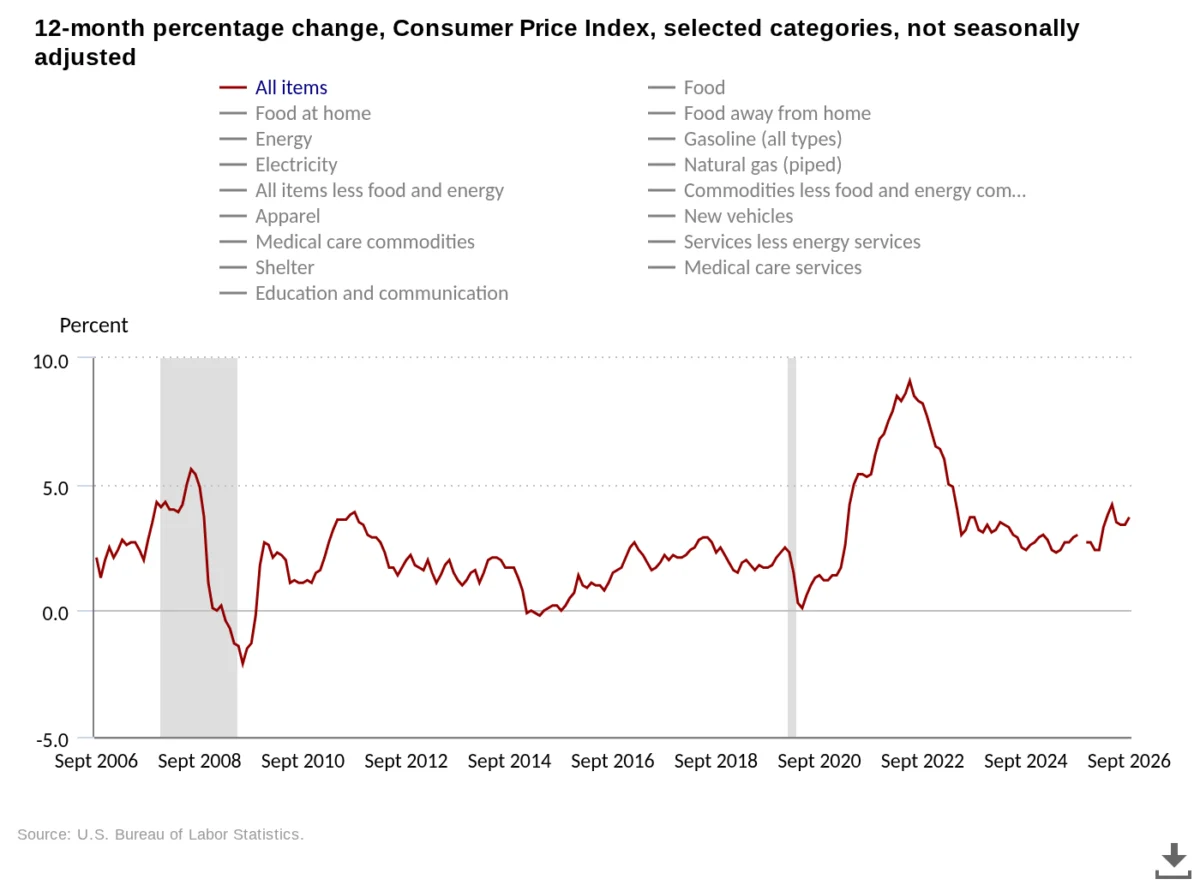
The Federal Reserve’s current policy stance is the culmination of a series of adjustments made over the past several years. Following a prolonged period of exceptionally low interest rates aimed at stimulating economic growth after the 2008 financial crisis and during the initial phases of the COVID-19 pandemic, the Fed began a tightening cycle in early 2022 to combat surging inflation. This cycle involved a series of aggressive interest rate hikes, pushing the benchmark rate to its highest levels in over two decades.
The decision to implement a "pause" on rate hikes in January marked a potential pivot point, signaling that the Fed might be nearing the end of its tightening cycle. This latest decision to hold rates steady reinforces that pause, suggesting a period of observation and evaluation before any potential future adjustments. The market is now keenly focused on the Fed’s commentary and economic projections for any clues about future rate movements, with speculation ranging from further pauses to eventual rate cuts later in the year, contingent on evolving economic conditions.

Broader Economic Implications
The Fed’s decision to maintain interest rates has several potential implications for the broader economy. For consumers, borrowing costs for mortgages, auto loans, and credit cards are likely to remain elevated, potentially dampening consumer spending. Businesses may also face higher borrowing costs, which could influence investment decisions and hiring plans.
However, the Fed’s primary objective remains price stability. By keeping rates at a level that is restrictive to economic activity, the central bank aims to continue the disinflationary process. The success of this strategy hinges on the continued moderation of inflation without precipitating a sharp increase in unemployment.

The persistent geopolitical uncertainty, particularly the conflict in the Middle East, adds a significant risk factor. A prolonged or escalating conflict could lead to a surge in energy prices, feeding into broader inflation and potentially forcing the Fed to reconsider its current policy. Conversely, a swift de-escalation could provide a tailwind for economic growth and potentially allow the Fed more flexibility in its future policy decisions.
Future Outlook and Analyst Perspectives
Looking ahead, market participants and economists will be closely scrutinizing upcoming economic data releases, including inflation reports, employment figures, and consumer sentiment surveys, for insights into the trajectory of the U.S. economy. The Fed’s future actions will undoubtedly be heavily influenced by these indicators and the evolving geopolitical landscape.

The commitment of Fed Chair Jerome Powell to remain on the FOMC until the completion of ongoing investigations signals a desire for stability and continuity at the helm of the central bank. This is particularly important during a period characterized by economic headwinds and international instability. His continued presence suggests a commitment to guiding the institution through these complex challenges with a steady hand.
The dissenting vote from Governor Miran, while not swaying the immediate decision, highlights the ongoing debate within the Fed about the optimal path forward. Some analysts believe that the Fed may need to consider rate cuts sooner rather than later to avoid an unnecessarily deep economic slowdown, especially if inflation continues to decline. Others maintain that the Fed should err on the side of caution, ensuring that inflation is firmly under control before contemplating any easing of monetary policy. The coming months will be critical in shaping the Fed’s policy trajectory and its impact on the global economy.