Ena Muazin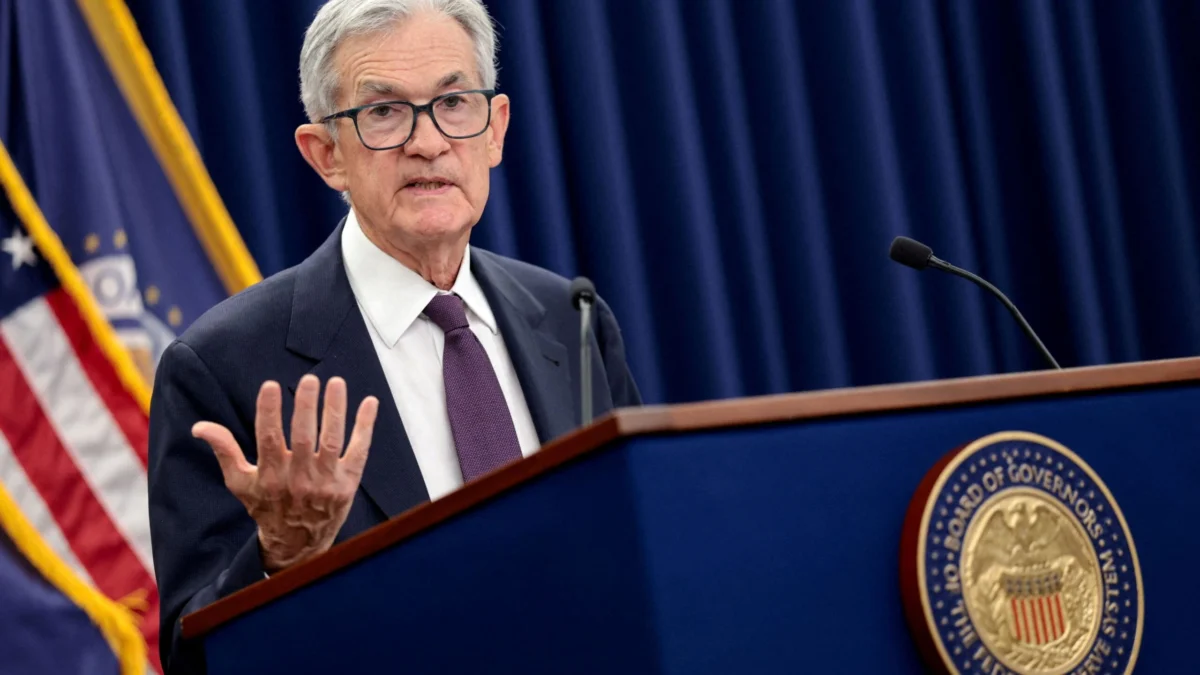
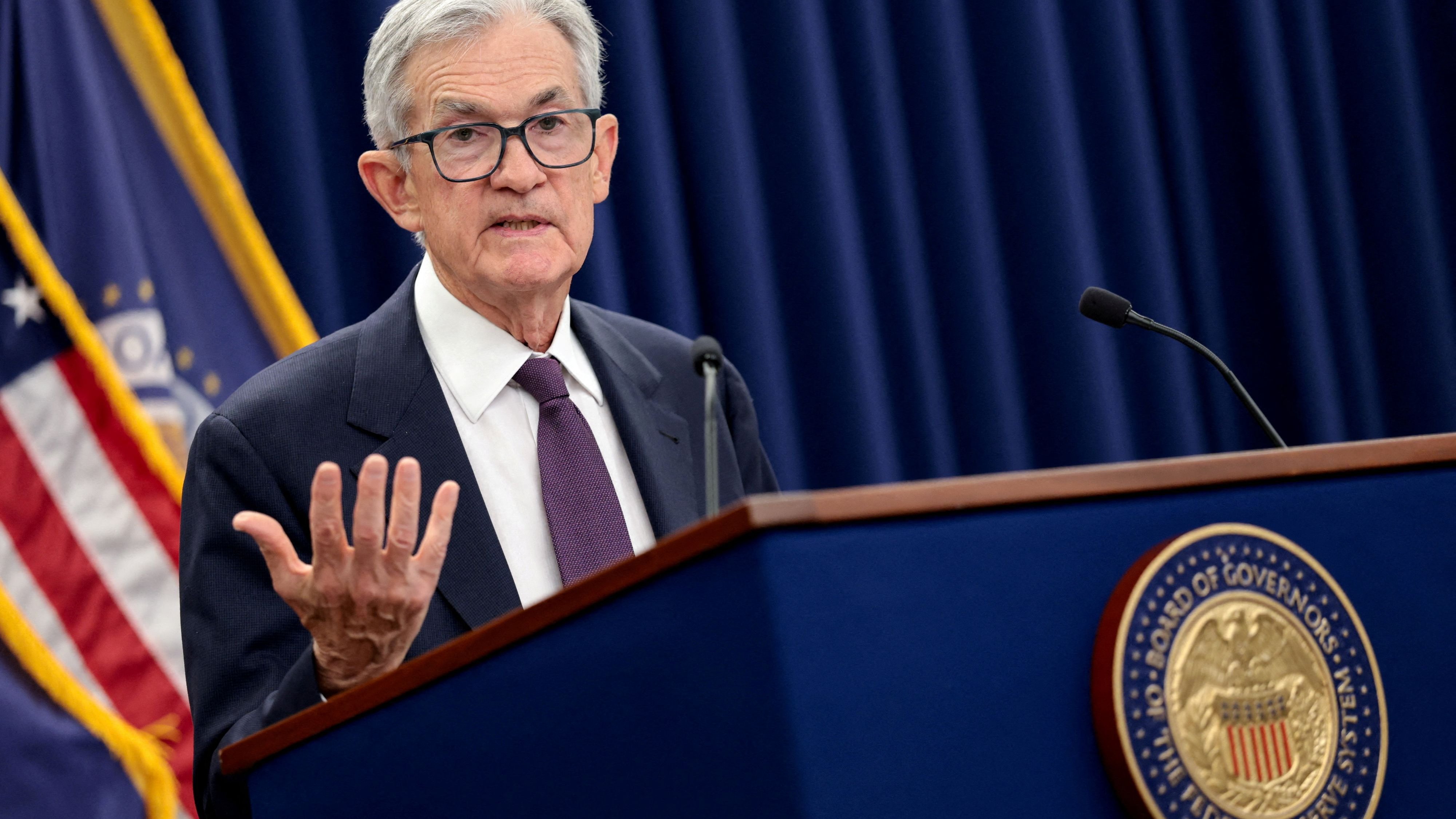
In a move anticipated by economists and market participants alike, the U.S. Federal Reserve has maintained its benchmark interest rate at the current target range of 3.50% to 3.75%. This decision, announced following the Federal Open Market Committee (FOMC) meeting, marks a continuation of the pause in rate hikes initiated in January, signaling a cautious approach by the central bank as it navigates a complex economic landscape marked by persistent inflationary pressures and geopolitical uncertainties.
The decision to hold rates steady was not unanimous. While twelve of the nineteen FOMC participants supported the current stance, Federal Reserve Governor Stephen Miran cast a dissenting vote, advocating for a 0.25 percentage point reduction in interest rates. This divergence, though minor, underscores the ongoing debate within the committee regarding the optimal path for monetary policy in the current environment.
Background: The Fed’s Mandate and the Inflationary Challenge
The Federal Reserve operates under a dual mandate from Congress: to promote maximum employment and to maintain price stability. For the past two years, the primary focus of monetary policy has been to combat soaring inflation, which reached multi-decade highs. Aggressive interest rate hikes were implemented to cool down an overheated economy, curb demand, and bring inflation back towards the Fed’s target of 2%.
However, recent economic data has presented a more nuanced picture. While inflation has shown signs of moderating from its peak, the latest producer price index (PPI) data from the U.S. Bureau of Labor Statistics has signaled a potential resurgence in inflationary pressures. The PPI, which measures the average change over time in the selling prices received by domestic producers for their output, rose more than expected in the latest reporting period, indicating that businesses may be facing increased costs that could eventually be passed on to consumers. This development adds a layer of complexity to the Fed’s decision-making process, as it must balance the need to control inflation with the risk of stifling economic growth.
The "Dot Plot" and Future Rate Expectations
Central to understanding the Fed’s future intentions is the Summary of Economic Projections, often referred to as the "Dot Plot." This tool provides individual FOMC participants’ projections for key economic indicators, including the future path of the federal funds rate. In the latest projections, a majority of twelve out of nineteen participants indicated an expectation of at least one interest rate cut within the current year.
This projection suggests a potential shift in monetary policy later in the year, contingent on further economic data. However, the timing and magnitude of any potential rate cuts remain uncertain. The CME FedWatch Tool, a closely watched market indicator, currently shows a low probability of a rate cut at the upcoming meetings, with a stronger possibility emerging around the December meeting. This reflects a general market sentiment that the Fed will likely maintain a "higher for longer" interest rate environment until there is more definitive evidence that inflation is on a sustainable path back to the 2% target.
Geopolitical Factors and Economic Uncertainty
The recent escalation of conflict in the Middle East has introduced a significant element of uncertainty into the global economic outlook. The war in Iran, as mentioned in the original report, has raised concerns about potential disruptions to global energy supplies, which could lead to higher oil prices and further inflationary pressures. The Fed has explicitly acknowledged this uncertainty, stating in its release that "the economic outlook remains highly uncertain" and that the "implications of developments in the Middle East for the U.S. economy are uncertain."
The Fed’s dual mandate becomes particularly challenging in such an environment. Higher energy prices can fuel inflation, requiring a tighter monetary policy, while also potentially dampening consumer spending and business investment, which could necessitate looser policy to support employment. The FOMC committee is closely monitoring these risks, aiming to strike a delicate balance between price stability and maximum employment.

Analysis of Implications: A Balancing Act for Policymakers
The Federal Reserve’s decision to hold rates steady, despite the emergence of some inflationary signals, reflects a strategic recalibration. Having aggressively tightened monetary policy over the past year, the Fed appears to be in a data-dependent mode, observing the full impact of its previous actions on the economy.
-
Inflation Control: The continued pause provides the Fed with more time to assess whether the current inflation trajectory is sustainable or if further action might be required. The producer price index data, while concerning, is just one piece of a larger economic puzzle. The Fed will be scrutinizing consumer price inflation, wage growth, and other indicators to form a comprehensive view.

-
Economic Growth and Employment: The risk of overtightening and triggering a recession remains a significant concern. By holding rates steady, the Fed aims to avoid unnecessarily hindering economic activity and jeopardizing the progress made in the labor market. A sustained period of low unemployment is a key objective, and policymakers are keen to avoid a sharp increase in job losses.
-
Market Expectations: The Fed’s communication is crucial in managing market expectations. The "Dot Plot" provides a forward-looking signal, but the inherent uncertainty in the economic outlook means that these projections are subject to change. Investors and businesses will be closely watching future economic data releases and Fed commentary for clues about the future path of interest rates.
-
Geopolitical Impact: The ongoing geopolitical tensions present a wildcard. Any significant disruption to global energy markets could force the Fed to re-evaluate its strategy, potentially leading to a more hawkish stance if inflation accelerates rapidly. Conversely, a de-escalation of tensions could provide more room for the Fed to consider rate cuts sooner.

The Road Ahead: Data-Driven Decisions
The Federal Reserve’s commitment to a data-dependent approach means that future monetary policy decisions will be heavily influenced by incoming economic statistics. The committee will continue to analyze a wide range of indicators, including inflation reports, employment figures, consumer spending data, and business sentiment surveys.
The next few months will be critical in shaping the Fed’s policy trajectory. Should inflation continue to trend downwards and the labor market remain robust, the prospect of interest rate cuts later in the year becomes more likely. However, any signs of a significant re-acceleration of inflation or a substantial weakening of the economy could lead the Fed to maintain higher rates for a longer period or even consider further tightening, though the latter appears less probable at present.

The Federal Reserve’s current position underscores the complex balancing act it faces. The goal is to achieve price stability without unduly sacrificing economic growth and employment. The coming months will reveal whether the Fed’s cautious approach proves to be the correct strategy in navigating the intricate challenges of the current economic environment.