Gilang Muhammad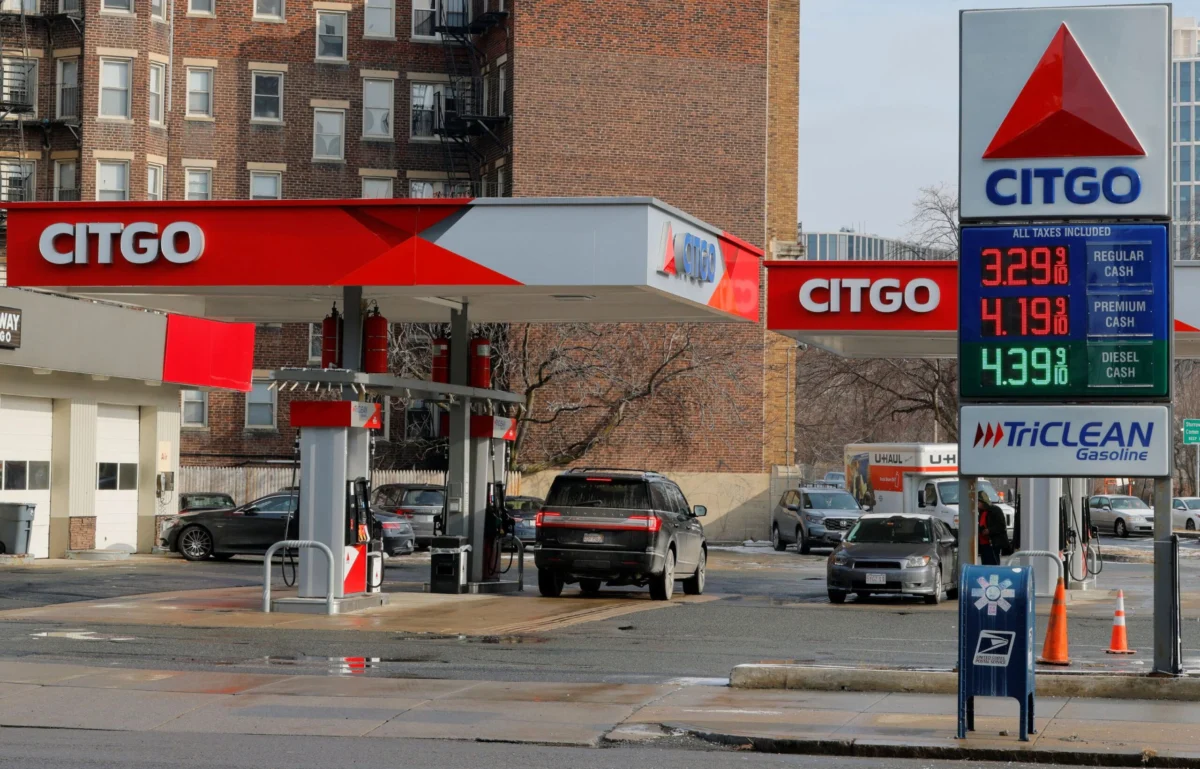
The United States is grappling with a severe energy shock as domestic gasoline prices soar to their highest levels in over a year and a half, a direct consequence of the escalating U.S.-Iran conflict disrupting the global oil trade. On Tuesday, the national average price for a gallon of unleaded gasoline reached approximately $3.54, according to figures released by AAA. This represents a staggering 21% increase from just a month prior and marks the highest point observed since mid-2024, signaling a significant economic challenge for American consumers and businesses. The rapid ascent in fuel costs has ignited concerns about inflation, consumer spending, and broader economic stability, casting a shadow over the current political landscape.
The Genesis of the Crisis: A Geopolitical Flashpoint
The dramatic surge in gas prices commenced last week following a series of decisive U.S.-Israeli strikes on Iranian targets, precipitating a full-blown conflict that has severely crippled the vital Strait of Hormuz passageway. This strategic chokepoint, through which approximately 20% of the world’s total petroleum liquids and a significant portion of global liquefied natural gas (LNG) pass, has become a major casualty of the hostilities. The ensuing disruption has been characterized by energy experts as the largest oil supply interruption in recorded history, dwarfing previous crises in its immediate scale and potential ramifications.
The origins of the U.S.-Iran war, while complex and multi-faceted, reportedly stem from escalating tensions over Iran’s accelerated nuclear program and its continued support for regional proxy groups, which the U.S. and its allies deemed a direct threat to maritime security and regional stability. Diplomatic efforts to de-escalate had reportedly stalled in late 2025, leading to a perilous breakdown in communication. The U.S. and Israeli governments, citing intelligence of imminent threats, initiated preemptive strikes on what they identified as key military and nuclear infrastructure within Iran. This move quickly triggered retaliatory actions from Tehran, including threats to close the Strait of Hormuz, which it has now, to a significant extent, done through naval maneuvers and alleged mining operations, effectively bottlenecking crucial global energy flows. The immediate economic impact of this geopolitical confrontation has been felt most acutely at the gas pump, but its long-term implications for global trade, supply chains, and international relations are profound.
A Volatile Chronology of Escalation
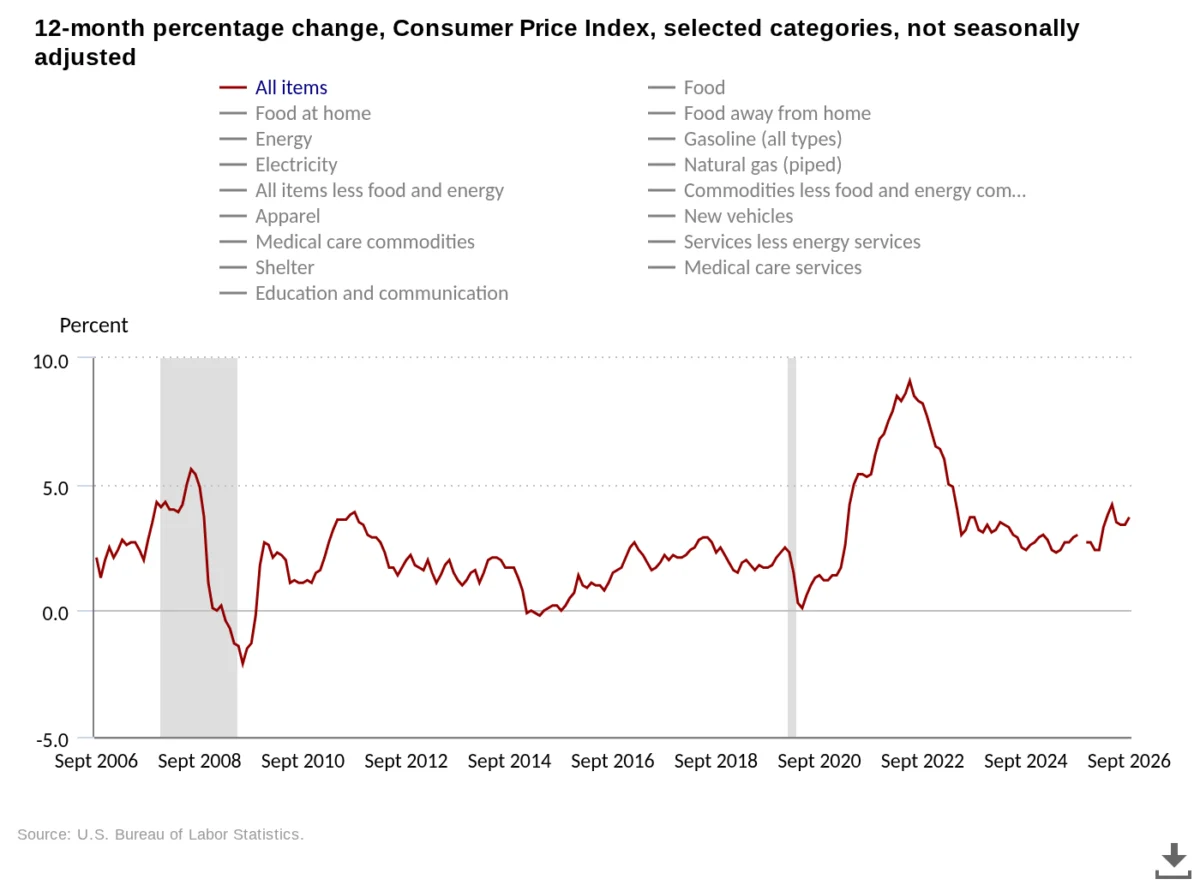
The recent price trajectory stands in stark contrast to the preceding period. Before the current crisis erupted, the national average gas price had receded to multi-year lows, returning to levels not seen since 2021. This period of relative stability was largely attributed to a balanced global supply-demand dynamic, increased non-OPEC production, and the successful navigation of post-pandemic economic adjustments. President Donald Trump, in particular, had frequently highlighted these lower energy costs as evidence of his administration’s success in "defeating inflation."
However, the tranquility shattered last week. Following the initial U.S.-Israeli strikes, gas prices experienced their largest three-day jump since the aftermath of Hurricane Katrina in 2005, an analysis by Bespoke Investment Group revealed. The market reacted with immediate alarm, anticipating severe supply constraints. As the conflict intensified and reports confirmed the effective crippling of the Strait of Hormuz, crude oil benchmarks surged dramatically. U.S. crude oil prices, which had briefly surpassed the closely watched $100 per barrel threshold earlier this week amidst peak panic, were last observed hovering around $84 per barrel on Tuesday, reflecting extreme market volatility as traders grappled with uncertain supply forecasts and geopolitical developments.
Defense Secretary Pete Hegseth, in a briefing on Tuesday, stated that the day would mark the "most intense day of strikes" in Iran, indicating a continued escalation rather than an immediate de-escalation. This statement further fueled market anxieties, suggesting a prolonged period of disruption and a potential for broader regional instability. Conversely, President Donald Trump offered a glimmer of hope on Monday, expressing his expectation that the war would conclude "very soon." While such pronouncements are often intended to reassure markets and the public, the immediate reality at the pump suggests that relief remains elusive, and the market remains deeply skeptical of a swift resolution.
Unprecedented Disruption: Historical Context and Data
The characterization of this as the "biggest oil supply disruption in history" is not made lightly and carries significant weight when viewed through the lens of past energy crises. Historically, major geopolitical events have periodically sent shockwaves through global oil markets, each with distinct causes and consequences:
- 1973 Arab Oil Embargo: Triggered by the Yom Kippur War, Arab oil-producing nations cut production and imposed an embargo on countries supporting Israel. Crude oil prices quadrupled from roughly $3 to $12 per barrel, leading to widespread rationing, economic stagflation, and a fundamental shift in global energy policy. The disruption, while significant, was primarily a political weapon rather than a physical blockade of a major chokepoint. The overall volume of oil removed from the market was estimated at around 4-5 million barrels per day (bpd).
- 1979 Iranian Revolution and Iran-Iraq War: The fall of the Shah of Iran and subsequent war between Iran and Iraq removed approximately 5.6 million bpd from the market at various points. This led to the second oil shock, doubling crude prices from $14 to $35 per barrel and contributing to a global recession. The impact was prolonged, spanning several years.
- 1990 Gulf War: Iraq’s invasion of Kuwait removed around 4.3 million bpd from the market. Crude prices spiked from $15 to over $40 per barrel before stabilizing after the swift conclusion of the conflict and intervention by Saudi Arabia to increase production. This was a relatively short-lived but intense spike.
- 2022 Russian Invasion of Ukraine: While not directly affecting a major oil chokepoint like Hormuz, the invasion and subsequent Western sanctions on Russian energy exports caused significant market upheaval. Russia, a major oil and gas producer, saw its exports redirected, and Europe scrambled to secure alternative supplies, leading to elevated global energy prices, with Brent crude briefly topping $130 per barrel. The disruption was more about market uncertainty and redirection of flows rather than a complete physical blockage of a transit route.
The current situation involving the Strait of Hormuz is distinct because it directly impacts the physical transit of a massive volume of oil (estimated at 17-20 million bpd of crude and refined products, plus LNG, representing 30% of all seaborne traded oil). A prolonged or complete closure would necessitate incredibly costly and time-consuming rerouting, if even possible for all volumes, through alternative, much smaller and less developed pipelines, or via extended sea routes around Africa, drastically increasing shipping times and insurance premiums. This physical bottleneck, combined with the geopolitical uncertainty of an active war, creates a supply shock that could theoretically eclipse the immediate volumetric impacts of previous crises, making Amin Nasser’s assessment from Saudi Arabian oil giant Aramco particularly stark.
"While we have faced disruptions in the past, this one by far is the biggest crisis the region’s oil and gas industry has faced," Nasser stated on Tuesday, emphasizing the potentially "catastrophic consequences" for the global oil market. Such consequences could include a severe global recession, widespread energy shortages, and significant destabilization across various industries reliant on affordable and accessible energy, from manufacturing to agriculture.
Economic Fallout and Political Ramifications
The sudden escalation in gas prices directly threatens a core pillar of President Trump’s re-election campaign: his focus on lowering the cost of living. Affordability remains a paramount political issue for American households, and the current energy crisis has ignited intense scrutiny as the nation approaches the U.S. midterm elections this November, which will determine control of Congress. The Republican party, currently holding a majority, faces a critical test as voters react to the economic fallout.
Earlier this year, at the World Economic Forum in Davos, Switzerland, President Trump confidently declared that there was "virtually no inflation" in the U.S., citing declining energy costs as a prime example of how the U.S. had "defeated" inflation. "Grocery prices, energy prices, airfares, mortgage rates, rent and car payments are all coming down, and they’re coming down fast," Trump asserted at the January forum, a period when gas prices were indeed near multi-year lows. "We’ve done a hell of a job in 12 months." The dramatic reversal in energy prices now presents a significant challenge to this narrative and could sway voter sentiment in key swing districts, particularly those where commuters are heavily reliant on personal vehicles.
Beyond the immediate impact on household budgets, the rising cost of fuel has broader economic implications. Transportation expenses for businesses, from logistics and shipping companies to local delivery services, will inevitably increase, potentially translating into higher prices for a wide array of goods and services. This ripple effect risks reigniting inflationary pressures across the economy, complicating the Federal Reserve’s monetary policy decisions and potentially forcing a re-evaluation of interest rate trajectories. Airline industries, in particular, are highly susceptible to fuel price volatility, facing immediate pressure on their operating margins, which could lead to increased ticket prices or reduced flight schedules. The agriculture sector, heavily reliant on fuel for farming machinery and transportation of produce, will also see increased costs, potentially impacting food prices.
Seasonal Factors Compound the Crisis
Exacerbating the geopolitical crisis are the predictable seasonal dynamics of the U.S. gasoline market. According to AAA spokesperson Aixa Diaz, gas prices typically trend upwards around this time of year with the commencement of the spring break season, driving increased demand for travel. Families embarking on vacations and individuals taking leisure trips contribute to a noticeable uptick in fuel consumption. Furthermore, later in the spring, refineries transition from producing less expensive winter-blend gasoline to the more costly summer-blend, which is formulated to reduce evaporative emissions in warmer weather and meets stricter environmental standards.
"Those factors combined with elevated crude oil prices lead to higher pump prices," Diaz told CNBC. "No one knows how much higher gas prices will go. Oil is a volatile global commodity." This inherent market volatility, now amplified by an active conflict in a critical oil-producing region, creates an environment of profound uncertainty for consumers and policymakers alike. The confluence of seasonal demand, regulatory shifts, and unprecedented geopolitical disruption presents a perfect storm for fuel costs.
Market Dynamics and Future Outlook
The trajectory of future gas prices hinges critically on the duration and intensity of the current market disruption, as explained by Raymond James analyst Bobby Griffin. If crude oil prices continue their upward climb, retailers will be compelled to "chase" higher price tags at the pump to maintain their profit margins, which are often squeezed during periods of rapid crude price appreciation. Conversely, if crude oil prices were to stabilize at current elevated levels, Griffin anticipates that oil sellers would experience margin pressure for several weeks before the market adjusts.
Even if crude oil prices begin to decline, consumers should not anticipate an immediate corresponding drop at the pump. Retailers typically exhibit a lag in passing down cost savings to drivers, often holding onto higher prices for a period to recoup previous losses or maximize profits. This asymmetric pricing behavior means that relief for motorists may be slower to arrive than the initial surge in prices.
International responses to the crisis are also beginning to take shape. Major oil-consuming nations like China, India, and European Union members have reportedly expressed deep concern over the stability of global energy markets and the potential for a severe economic downturn. Calls for de-escalation from the United Nations and various international bodies have intensified, urging all parties to prioritize a peaceful resolution and the reopening of crucial shipping lanes. OPEC+, the alliance of oil-producing nations, is reportedly holding emergency consultations to assess the situation and consider potential collective actions, though the extent of their ability to offset such a massive and strategically located supply disruption remains a subject of intense debate among analysts. The release of strategic petroleum reserves by major consuming nations could offer temporary relief, but such measures are typically reserved for extreme emergencies and their long-term effectiveness is limited in the face of a sustained physical supply blockage. The situation underscores the precarious nature of global energy security and the interconnectedness of geopolitical stability with everyday consumer costs.
The immediate future for global energy markets and the American consumer remains fraught with uncertainty. The intertwined forces of geopolitical conflict, seasonal demand patterns, and complex market dynamics have converged to create an unprecedented challenge, the full economic and political ramifications of which are only just beginning to unfold.