Gilang Muhammad
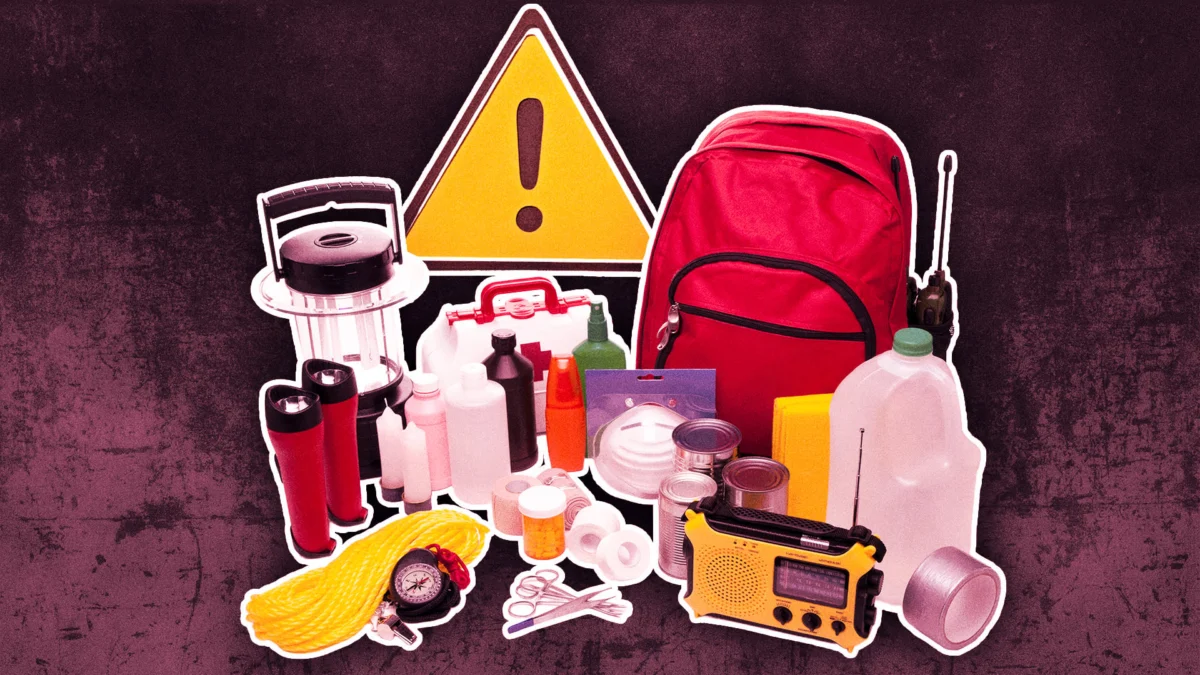
Americans are shopping like there’s no tomorrow, exhibiting a rapid shift in consumer behavior driven by a confluence of recent technological failures and deep-seated geopolitical anxieties. A series of high-profile technology outages in mid-November 2026, which severely disrupted critical infrastructure and daily life, has catalyzed a widespread movement towards emergency preparedness, prompting a "doomsday economy" that is rapidly catching the attention of both retailers and Wall Street analysts. This surge in consumer caution reflects a growing concern over the resilience of the nation’s digital backbone and its energy grid, particularly in an era increasingly defined by artificial intelligence and complex global dynamics.
The Catalyst: A Week of Digital Disruptions
The immediate impetus for this behavioral shift was a concentrated period of digital instability between November 12 and November 17, 2026. During this critical week, the United States experienced at least half a dozen significant technology outages that cascaded across various sectors. Most notably, a system malfunction grounded air traffic nationwide as the Federal Aviation Administration (FAA) grappled with router issues. Concurrently, millions of users found their access to essential communication tools halted as Microsoft’s services experienced widespread email disruptions. Adding to the unease, a technical glitch at JPMorgan Chase momentarily slowed bank transactions, creating palpable anxiety about the integrity of the financial system.
While government officials swiftly moved to dismiss online speculation of a coordinated cyberattack or a nefarious foreign culprit, attributing the incidents to technical malfunctions, the public’s perception was profoundly shaken. These reassurances, though intended to quell fears, have largely failed to mitigate a growing sense of vulnerability among citizens who rely on these interconnected systems for every aspect of modern life. The cumulative effect of these seemingly disparate events was a stark reminder of the fragility of the digital age and the potential for systemic collapse.
Echoes of Anxiety: Consumer Response and Preparedness Surge
In the immediate aftermath of these outages, anecdotal evidence and hard data alike pointed to a dramatic shift in consumer priorities. Individuals like Sabrina Cepeda, a 39-year-old mother of three from Houston, Texas, exemplify the new wave of preparedness. Driven by the recent disruptions, Cepeda has taken proactive steps to secure her family’s basic needs. Her recent purchases include propane and lighter fluid to ensure functionality of cooking and heating equipment independent of electricity. Furthermore, she replenished her backup stockpiles of non-perishable foods, hygiene products, and critical allergy medicine, anticipating scenarios where her family might be homebound for an extended period. "I have a way to keep my family fed, clean, hydrated, warm and safe," Cepeda articulated, embodying a sentiment of practical foresight: "You want to have these things and not need them, rather than need them and not have them."
This individual readiness translated into a significant economic trend. According to exclusive card data analyzed by Consumer Edge for CNBC, spending at brands specializing in emergency preparedness products spiked approximately 400% between November 12 and November 17, 2026, compared to the same period the previous year. This extraordinary increase underscores the direct impact of the tech outages on consumer purchasing decisions. Ready America, a Vista, California-based company known for its emergency survival kits, prepackaged water, and high-calorie food bars, reported a roughly five-fold increase in e-commerce sales during these days. Trevyn Reese, President of Ready America, noted that demand levels had not been this high since the initial lockdowns of the COVID-19 pandemic over six years prior, necessitating requests for suppliers to scale up production. The company even faced a temporary shortage of water purification tablets, redirecting customers to alternative solutions like prepackaged water pouches, further illustrating the intensity of demand.
Retailers and Wall Street Take Note of the "Doomsday Economy"
The financial sector and major retailers quickly recognized the burgeoning "doomsday economy." Mizuho, a prominent investment bank, informed its clients that consumer apprehension stemming from the outages, coupled with what it termed "apocalyptic concerns" circulating on social media, propelled shoppers to stock up on emergency supplies, particularly at bulk retailers like Costco. As a result, Mizuho projected that Costco’s key measure of non-fuel sales growth for November would likely exceed 10% for the first time since 2022, a testament to the scale of panic buying.
Similarly, Canadian bank RBC acknowledged that "doomsday prepping" was having a "real impact" on global buying behavior in recent weeks, albeit noting that the trend had, thus far, primarily boosted sales for a concentrated basket of items. These included shelf-stable proteins, water purification products, and various dry-pantry foods, indicating a focus on essential survival provisions. Richard McWhorter, a private wealth advisor at SRM, described an unprecedented rush among his clients to Costco for bulk goods and significant investments in power generators. McWhorter also reported fielding an unusual volume of inquiries about how to prepare for a scenario where the entire financial system might collapse. "I’ve never seen anything like this in my life," McWhorter commented, highlighting the psychological dimension of the current climate. "There’s the financial side of what I do, and then there’s the psychological side. And the past two weeks have been much more psychological."
Beyond the Glitches: Deeper-Rooted Fears and Geopolitical Undercurrents
While the recent string of tech outages brought power-related concerns to the forefront, market data reveals that anxieties had been simmering for weeks prior. Shoppers began significantly increasing purchases from emergency preparedness brands in late October. This earlier ramp-up coincided with several significant geopolitical developments that likely contributed to the heightened sense of urgency.

Notably, Fox News reported around that time that the Pentagon was actively preparing U.S. military bases to operate for at least 90 days without external support, an initiative signaling a robust national security posture in anticipation of potential global conflicts. These fears were further exacerbated by the ongoing war with Iran, which President Donald Trump had signaled could intensify, creating a backdrop of heightened international tension.
The confluence of domestic infrastructure vulnerabilities and global instability also had a tangible impact on other sectors of preparedness. The National Shooting Sports Foundation (NSSF), a firearm trade group, reported an approximate 8% rise in gun sales in October compared to the same month a year prior. Retailers and gun manufacturers have anecdotally confirmed that elevated demand persisted into November. NSSF attributed this sustained interest to a combination of uncertainty surrounding the midterm election and the more recent technology outages. Mark Oliva, NSSF’s managing director of public affairs, articulated the significance of this trend: "If people are investing in firearms and ammunition, they’re telling you very directly, with their wallet, what their priority is. You’re literally investing in a product that’s going to be able to protect your life and protect the lives of your family."
Official Assurances and Lingering Concerns
Despite the public’s escalating fears, official channels sought to provide clarity and reassurance. Vice President JD Vance abruptly canceled his appearance at a New York Times summit to attend critical meetings concerning the technology outages, signaling the high-level attention these incidents garnered within the administration. The day prior, Jay Clayton, the U.S. Director of National Intelligence, directly addressed the public via CNBC, stating unequivocally that the recent outages were not the result of a cyberattack or a coordinated effort by a foreign nation, thereby reinforcing the narrative of technical rather than malicious failures.
However, these official statements did not entirely assuage all concerns, particularly within the legislative branch. Senator Mark Warner, D-Va., who serves as the vice chairman of the Senate Intelligence Committee, candidly expressed to CNBC that people were "freaked out" by the outages. Warner underscored a broader vulnerability, remarking that the U.S. had been "lucky" to have not yet experienced a major AI-generated cyberattack or a crisis stemming from rogue AI agents, suggesting that the current incidents might be a precursor to more sophisticated threats. His comments highlight a persistent worry among policymakers regarding the evolving landscape of digital threats and the potential for artificial intelligence to be weaponized or to malfunction catastrophically.
Future Implications: Cybersecurity and Economic Shifts
The recent wave of tech disruptions and the subsequent public reaction are poised to have significant long-term implications, particularly in the realm of cybersecurity and corporate investment. Bilal Hafeez, CEO of Macro Hive, suggested that investors might begin to pressure companies to accelerate their cybersecurity spending out of an abundance of caution, specifically citing concerns about rogue AI agents following the outages. Hafeez drew a parallel to the dot-com boom era, which saw a similar push for antivirus software adoption, indicating a potential new cycle of technology investment driven by perceived threats.
Market trends already reflect this burgeoning focus. The Global X Cybersecurity ETF (BUG) climbed approximately 3% over the two weeks following the initial outages, bucking the broader downtrend observed among AI stocks and the wider technology sector. In contrast, the Nasdaq Composite fell into negative territory for 2026, putting the tech-heavy index on track for its first losing year since 2022. This divergence underscores a reallocation of investor confidence, shifting from growth-oriented AI ventures to the more defensive and essential sector of digital protection.
Beyond cybersecurity, the financial system itself is experiencing a ripple effect. Metal dealer American Hartford Gold reported an uptick in customer inquiries in the wake of the outages. Company president Max Baecker noted that some customers expressed a newfound concern about being overly reliant on digital financial networks, particularly after the JPMorgan Chase glitch affected customer transactions for several hours. This sentiment drove renewed interest in traditional safe-haven assets like gold, long considered a reliable store of value during times of turmoil, indicating a diversification away from purely digital assets. Moreover, individuals like Sabrina Cepeda and her husband have made it a point to keep enough physical cash on hand and ensure their cars are fueled, preparing for scenarios where digital payment systems and fuel distribution networks might be compromised.
The New Normal of Preparedness
The phenomenon of heightened emergency preparedness extends beyond traditional news consumption, permeating digital platforms and popular culture. U.S. Google searches for the term "prepping" have more than doubled in the past month compared to the same period a year prior. On YouTube, queries for videos about "survivalism," a term encompassing the practice of preparing for various emergencies, have soared by over 5,000% in the same timeframe. While some online content adopts a satirical tone, with users jokingly "gearing up" by ordering Starbucks or purchasing large quantities of alcohol, the underlying seriousness of the topic for a growing number of Americans is undeniable.
For individuals like Sabrina Cepeda, these preparations are not a response to sensationalism but a pragmatic approach born from experience. She has previously relied on backup food stashes during extreme weather events such as Hurricane Harvey in 2017 and Winter Storm Uri in 2021, illustrating the practical benefits of preparedness. However, she notes that 2026 marks the first time she has felt compelled to prepare specifically for an emergency caused by technology outages, signifying a new dimension to her family’s resilience planning. "We rely so much on technology," Cepeda observed, emphasizing the core lesson of the recent disruptions. "You need to be able to do these things the more traditional, old-fashioned way." This sentiment encapsulates a broader societal introspection: as technology becomes increasingly integrated into every facet of life, so too grows the imperative to understand and mitigate its vulnerabilities, fostering a new era of self-reliance in a digitally dependent world.