Lina Wu
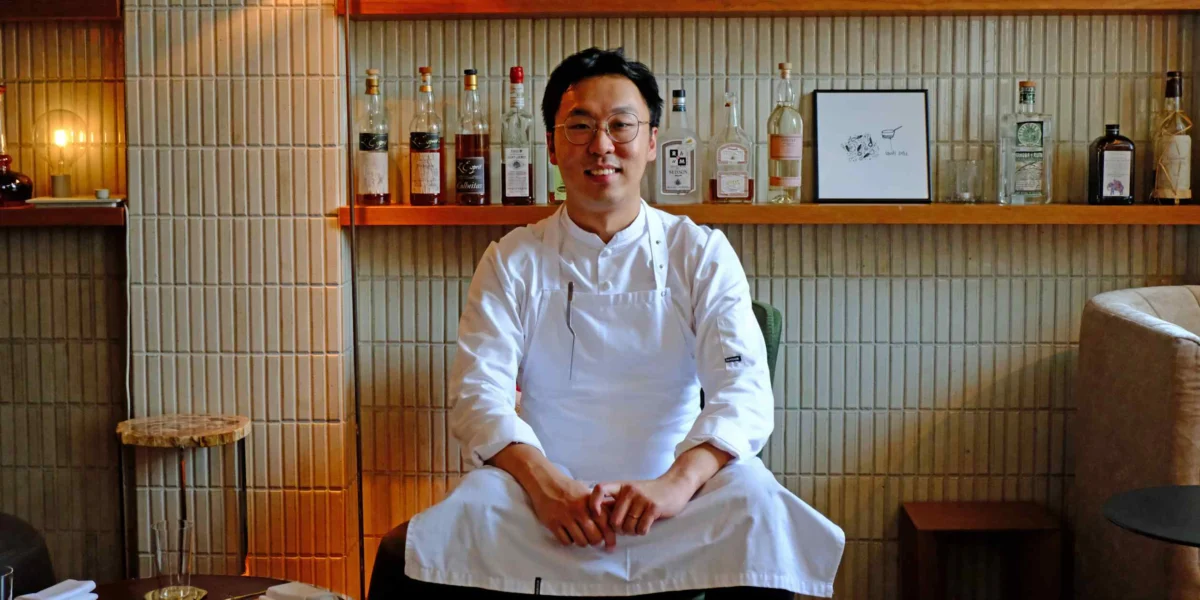
Kelvin Ng’s journey from washing dishes at his parents’ humble noodle stall in Singapore to helming the kitchen of Zen, a prestigious three-Michelin-starred establishment, is a testament to unwavering dedication and a profound evolution in Singapore’s culinary landscape. This remarkable ascent, culminating in the esteemed recognition of Zen as one of the city’s elite dining destinations, reflects not only Ng’s personal triumph but also the growing sophistication and global ambition of Singapore’s gastronomic scene. The story of his rise is interwoven with the fabric of Singaporean hawker culture, a bedrock of the nation’s identity, and its transformation into a fertile ground for haute cuisine.
The Genesis of a Culinary Vision: Early Years and the Hawker Heritage
Kelvin Ng’s earliest memories are steeped in the aroma of simmering broth and the rhythmic clatter of woks. His parents, a pair of indefatigable entrepreneurs, operated a noodle stall in a bustling coffee shop in Hougang, a northeastern district of Singapore, from the predawn hours. Their workday began at an astonishing 2:30 a.m., with the stall opening by 3 a.m. to serve the city’s early risers, particularly taxi drivers commencing their shifts. This demanding schedule, maintained virtually every day, instilled in young Kelvin a deep understanding of hard work, perseverance, and the intrinsic value of honest labor. The coffee shop environment, a quintessential Singaporean social and culinary hub, provided an immersive, albeit unglamorous, introduction to the food industry. It was here, amidst the utilitarian setting and the communal spirit of shared meals, that Ng first encountered the fundamentals of food preparation, customer service, and the sheer dedication required to sustain a business.
This formative experience, far removed from the polished interiors of fine dining restaurants, laid a crucial foundation. It cultivated a respect for ingredients, a pragmatic approach to operations, and an intimate connection to the roots of Singaporean cuisine. While his parents’ stall focused on accessible, comforting fare, the dedication and passion they poured into their craft undoubtedly sowed the seeds of culinary ambition in Ng. The long hours and early mornings, often perceived as arduous, became a familiar rhythm, shaping his work ethic and resilience. The hawker culture, a UNESCO Intangible Cultural Heritage of Humanity, is more than just a source of affordable food; it is a vital ecosystem that has nurtured generations of culinary talent and preserved traditional recipes. Ng’s upbringing within this vibrant tradition provided him with an invaluable perspective, an appreciation for the essence of flavor, and an understanding of what truly satisfies diners.
A Decade of Dedication: The Path to Zen
Ng’s formal involvement with the culinary world began at a tender age, around ten years old, when he started assisting his parents by washing dishes. This hands-on experience, though rudimentary, provided him with an intimate understanding of the operational demands of a food establishment. As he grew, his responsibilities likely expanded, offering him exposure to various aspects of the noodle stall’s operations, from ingredient sourcing to basic food preparation. This early immersion proved to be an unparalleled apprenticeship, far more impactful than any formal culinary school could offer at that stage.
The transition from a family-run hawker stall to the refined environment of a three-Michelin-starred restaurant like Zen is a journey of immense dedication and skill refinement. While specific details of Ng’s training and early career trajectory after his time at the noodle stall are not extensively documented in the provided excerpt, his eventual leadership at Zen implies a significant period of rigorous training and experience in high-end culinary establishments. This would have involved mastering advanced cooking techniques, understanding the nuances of fine dining service, developing a sophisticated palate, and cultivating an artistic sensibility in plating and presentation.
The Michelin Guide, renowned for its stringent evaluation criteria, awards its stars based on the quality of the ingredients, mastery of flavor and cooking techniques, the personality of the chef in their cuisine, value for money, and consistency of the experience. Achieving three stars signifies exceptional cuisine, worth a special journey, and represents the pinnacle of culinary achievement. For Ng to lead a restaurant to this distinction suggests years, likely over a decade, of intense focus, innovation, and a relentless pursuit of perfection. His ability to translate the fundamental principles of good food, learned in the unpretentious setting of a coffee shop, into the sophisticated language of haute cuisine is a remarkable feat.
Zen: A Beacon of Modern Gastronomy in Singapore
Zen, the restaurant where Kelvin Ng currently presides as head chef, is itself a significant player in Singapore’s dynamic culinary scene. Established with a vision to offer a unique dining experience, Zen has consistently pushed the boundaries of contemporary cuisine. The restaurant’s commitment to innovation, coupled with its dedication to showcasing the finest ingredients, has garnered international acclaim. Singapore, a global hub for gastronomy, boasts a diverse array of dining options, from traditional hawker fare to avant-garde culinary creations. In this competitive landscape, Zen has carved out a distinctive niche, attracting discerning diners and critics alike.
The awarding of three Michelin stars to Zen is not merely a recognition of Ng’s personal talent but also a reflection of the restaurant’s collective commitment to excellence. This involves a highly skilled brigade of chefs, dedicated service staff, and a management team that fosters an environment of creativity and precision. The restaurant’s philosophy likely emphasizes a harmonious blend of tradition and innovation, drawing inspiration from global culinary trends while remaining grounded in fundamental gastronomic principles. Ng’s leadership at Zen signifies his ability to articulate a clear culinary vision and inspire his team to execute it flawlessly.
Supporting Data and Singapore’s Culinary Evolution
The rise of chefs like Kelvin Ng and restaurants like Zen is emblematic of a broader trend in Singapore. The city-state has strategically positioned itself as a culinary destination, actively promoting its food scene to attract tourism and investment. Government initiatives, such as the Singapore Food Festival and support for culinary education, have played a crucial role in fostering this growth.
- Michelin Stars in Singapore: As of recent Michelin Guide editions, Singapore has consistently featured a growing number of starred restaurants. The presence of multiple three-Michelin-starred establishments, including Zen, underscores the maturity and sophistication of the country’s fine dining sector. This number has steadily increased over the years, indicating a sustained commitment to quality and innovation.
- Growth of Fine Dining: The number of restaurants offering high-end dining experiences in Singapore has seen a significant increase over the past two decades. This growth is driven by a rising disposable income, a cosmopolitan population, and a strong influx of international talent and investment in the hospitality sector.
- Hawker Culture Recognition: The UNESCO recognition of Singapore’s Hawker Culture in 2020 has brought renewed attention to the importance of this culinary heritage. This has, in turn, encouraged a greater appreciation for the foundational elements of Singaporean cuisine, even as haute cuisine flourishes. Many top chefs, like Ng, acknowledge the influence of their hawker roots.
- Gastronomic Tourism: Singapore actively promotes itself as a food paradise, attracting millions of tourists annually who come to experience its diverse culinary offerings, from street food to Michelin-starred restaurants. Food is a significant driver of tourism revenue for the nation.
The Analyst’s Perspective: Implications of Ng’s Journey
Kelvin Ng’s trajectory offers a compelling narrative of upward mobility within the culinary world, demonstrating that a humble beginning does not preclude reaching the highest echelons of professional achievement. His story provides valuable insights into several key aspects:
- The Enduring Relevance of Foundational Skills: Ng’s early immersion in the practicalities of a hawker stall highlights the importance of fundamental culinary skills and a strong work ethic, which remain critical regardless of the dining environment. The principles of sourcing quality ingredients, efficient preparation, and understanding customer needs are universal.
- Bridging the Gap Between Tradition and Innovation: Ng’s success suggests an ability to draw inspiration from traditional flavors and techniques while innovating to create contemporary dishes. This fusion is often a hallmark of successful modern chefs and restaurants, particularly in multicultural societies like Singapore.
- The Evolving Perception of Culinary Careers: The journey from a hawker stall to a Michelin-starred kitchen challenges traditional perceptions of culinary careers. It underscores the fact that dedication, talent, and continuous learning can lead to prestigious and rewarding professional paths, regardless of one’s starting point.
- Singapore as a Culinary Powerhouse: The existence of restaurants like Zen and chefs like Ng reinforces Singapore’s status as a global culinary capital. The nation’s ability to nurture both its traditional food heritage and its high-end dining scene speaks to a well-developed and dynamic ecosystem.
Official Responses and Future Outlook
While specific official statements from culinary bodies or government agencies directly referencing Kelvin Ng’s personal story are not available, the recognition of Zen by the Michelin Guide itself serves as a significant endorsement. The Michelin Guide’s inspectors are known for their anonymity and rigorous, independent assessment process. Their decision to award three stars to Zen is a clear signal of the restaurant’s exceptional quality and Ng’s leadership in the kitchen.
The Singapore Tourism Board and other relevant industry organizations would undoubtedly view Ng’s success as a positive development, aligning with their efforts to promote the nation’s gastronomic excellence on the global stage. Such achievements contribute to Singapore’s reputation as a destination that offers world-class culinary experiences.
Looking ahead, Kelvin Ng’s continued leadership at Zen is likely to inspire a new generation of aspiring chefs in Singapore. His story serves as a powerful reminder that a passion for food, coupled with relentless hard work and a commitment to learning, can lead to extraordinary accomplishments. The ongoing evolution of Singapore’s culinary landscape promises further innovation and excellence, with chefs like Ng at the forefront, continuing to redefine gastronomic boundaries. The integration of humble hawker roots with the sophistication of international fine dining is a narrative that will continue to shape and elevate Singapore’s unique culinary identity.