Lina Wu
JERA, Japan’s largest electricity producer, is actively engaged in discussions with prominent U.S. technology firms, including Anthropic and Meta, regarding the development of data centers adjacent to its power generation facilities in the Tokyo metropolitan area. This strategic initiative, disclosed by the company’s chief to Nikkei, signals a significant convergence of energy infrastructure and the burgeoning demand for high-performance computing power. The proposed data centers are intended to leverage the stable and substantial power supply offered by JERA’s existing thermal power stations, thereby addressing a critical bottleneck in the rapid expansion of artificial intelligence and cloud computing services.
The move by JERA underscores a global trend where energy providers are seeking to diversify their operations and capitalize on the immense power requirements of the digital economy. Data centers, the physical backbone of the internet and cloud services, are notorious for their voracious energy consumption. By co-locating these facilities with power plants, JERA aims to create a symbiotic relationship, ensuring a consistent and reliable electricity source for the data centers while simultaneously creating a new revenue stream and potentially optimizing the utilization of its power generation assets.
Strategic Rationale and Market Dynamics
The decision to pursue this venture is underpinned by several key market dynamics. The exponential growth of artificial intelligence, particularly generative AI, has dramatically increased the demand for computing power. This demand translates directly into a need for more data centers, equipped with vast arrays of powerful servers and specialized hardware like GPUs (Graphics Processing Units). These components consume substantial amounts of electricity, often requiring dedicated power infrastructure to ensure uninterrupted operation.
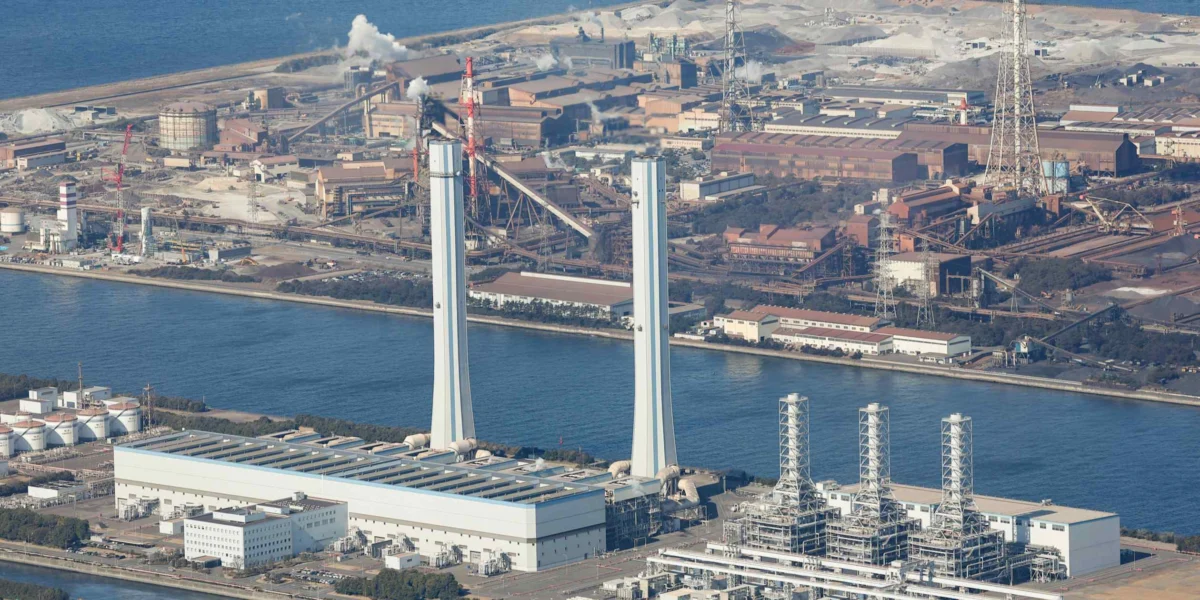
JERA’s existing thermal power stations, such as the one pictured at Chiba, are designed to provide a high and stable output of electricity. This inherent characteristic makes them ideal locations for data centers, which cannot tolerate power fluctuations or outages. By situating data centers directly beside these plants, JERA can minimize transmission losses, reduce the complexity and cost of grid connections, and offer a more resilient power supply compared to locations reliant on distant power sources and extensive transmission networks.
The involvement of companies like Anthropic, a leading AI safety and research company, and Meta, a global social media and technology conglomerate, highlights the strategic importance of this initiative. Both companies are at the forefront of developing and deploying AI technologies, which necessitate significant computational resources. For them, securing a reliable and abundant power supply is paramount to scaling their operations and continuing their research and development efforts. The prospect of co-location offers a compelling solution to their energy-intensive needs.
Background and Previous Developments
JERA was formed in 2015 through the integration of the thermal power and fuel businesses of TEPCO (Tokyo Electric Power Company) and Chubu Electric Power. This consolidation aimed to enhance efficiency and competitiveness in the Japanese electricity market. Since its inception, JERA has been a major player in Japan’s energy landscape, operating a significant portfolio of thermal power plants. The company has also been actively involved in exploring cleaner energy solutions, including renewable energy sources and the development of hydrogen and ammonia co-firing technologies to reduce carbon emissions from its thermal power generation.
The concept of integrating data centers with power generation is not entirely new, but JERA’s proactive approach and its engagement with major U.S. tech giants represent a significant step forward in Japan. Historically, data center development in Japan has been concentrated in urban areas with access to robust telecommunications infrastructure and power grids. However, the sheer scale of energy demand from next-generation data centers is pushing the boundaries of existing infrastructure.
JERA’s initiative can be seen as a response to both the growing demand for AI-driven computing and the evolving energy landscape. The company’s vast network of power generation sites provides a unique opportunity to address the energy requirements of these new digital frontiers. The initial announcement, focusing on the Chiba Thermal Power Station as a potential site, suggests a phased approach, allowing JERA to test and refine its model before expanding to other locations.
Timeline and Chronology of Discussions
While specific dates for the commencement of these talks were not provided, the disclosure indicates that JERA has been engaged in these strategic discussions for a considerable period. The chief’s statement to Nikkei suggests that these are not preliminary inquiries but rather substantive negotiations aimed at reaching concrete agreements.
The typical lifecycle of such a project involves:
- Initial Engagement and Feasibility Studies: JERA would have identified the potential synergy between its power assets and the energy needs of tech companies. This would involve preliminary assessments of power capacity, grid stability, land availability, and the feasibility of supporting infrastructure.
- Partnership Discussions: Talks with potential partners like Anthropic and Meta would involve defining the scope of the data center development, power purchase agreements, investment structures, and operational responsibilities. This stage is crucial for aligning the technical requirements of data centers with the capabilities and constraints of power generation facilities.
- Regulatory Approvals and Environmental Impact Assessments: Any new construction, especially on the scale of a data center, requires thorough environmental impact assessments and approvals from relevant government bodies. JERA would need to navigate these processes to ensure compliance with Japanese regulations.
- Construction and Commissioning: Upon securing agreements and approvals, the construction phase would begin, followed by the commissioning of the data center and its integration with JERA’s power supply.
The fact that JERA has publicly acknowledged these talks implies that the discussions have progressed beyond the initial exploratory phase and are nearing a point where concrete plans can be formulated. The involvement of U.S. tech giants suggests a global perspective on data center expansion and a recognition of Japan’s potential as a stable and technologically advanced market.
Supporting Data and Market Projections
The global data center market is experiencing unprecedented growth. According to various industry reports, the market size was valued at over $200 billion in 2022 and is projected to exceed $600 billion by 2030, driven by the proliferation of cloud computing, big data analytics, and the burgeoning field of AI.
Specifically, the demand for AI-specific data centers is surging. These facilities require significantly higher power densities and more sophisticated cooling systems than traditional data centers. For example, high-performance computing clusters used for AI training can consume several times more power per rack than standard enterprise servers.
Japan, as a developed economy with a strong technological base and a growing appetite for AI, represents a crucial market for data center expansion. However, the country faces challenges related to land availability, seismic considerations, and, as highlighted by JERA’s initiative, a reliable and scalable power supply.
JERA’s current installed capacity from its thermal power plants is substantial. For instance, the Chiba Thermal Power Station, a key facility, is known for its significant generating capacity, although exact figures for its current operational output vary. By integrating data centers, JERA could potentially secure long-term power purchase agreements, providing predictable revenue streams and offsetting the costs associated with maintaining and upgrading its power generation infrastructure.
The investment required for building such data centers is considerable, with individual facilities costing hundreds of millions, if not billions, of dollars. The partnership with major tech companies signifies their willingness to make these substantial investments, contingent on securing the necessary power infrastructure.
Official Responses and Industry Reactions (Inferred)
While direct quotes from Anthropic or Meta regarding these specific talks were not available in the provided text, their participation in discussions with JERA is a strong indicator of their strategic interest.
- From JERA’s perspective: The company’s chief has publicly stated the company’s engagement, emphasizing the strategic importance of securing a reliable power source for the growing digital economy. This proactive stance positions JERA as a forward-thinking energy provider capable of meeting the evolving demands of its customers. It also signals a commitment to innovation and diversification beyond traditional energy generation.
- From U.S. Tech Giants (Inferred): For companies like Anthropic and Meta, securing stable, high-capacity power is a critical enabler of their core businesses. The potential for co-location with power plants offers a direct solution to this challenge, reducing operational risks and potentially lowering energy costs. Their involvement suggests a strategic move to de-risk their infrastructure expansion plans in a key global market.
- From the Japanese Government and Regulatory Bodies (Inferred): The Japanese government has been actively promoting the development of digital infrastructure and the adoption of AI. Such a project, if successful, would align perfectly with these national objectives. Regulatory bodies would likely view this initiative favorably, provided it meets environmental standards and contributes to economic growth. However, they would also scrutinize the long-term sustainability and environmental impact of increased energy consumption.
- From Competitors and Industry Analysts (Inferred): Other energy companies in Japan and globally will be closely watching JERA’s progress. This move could set a precedent for future energy-infrastructure integration projects. Industry analysts will likely assess the economic viability, potential environmental implications, and the impact on the broader energy and technology sectors.
Broader Impact and Implications
The implications of JERA’s initiative are far-reaching, impacting the energy sector, the technology industry, and the Japanese economy.
- Energy Sector Transformation: This project signifies a potential paradigm shift in how energy is supplied and consumed. It moves beyond the traditional model of power generation for a diffuse market to a more targeted approach, directly supporting energy-intensive industries. This could lead to increased investment in power generation assets capable of meeting specialized industrial needs.
- AI and Digital Economy Acceleration: By providing a reliable and abundant power source, JERA’s data centers will directly contribute to the acceleration of AI development and deployment in Japan. This could foster innovation, create new industries, and enhance Japan’s competitiveness in the global digital economy.
- Infrastructure Development: The construction of these data centers will necessitate significant investment in local infrastructure, including power transmission, cooling systems, and potentially transportation links. This could stimulate economic activity and create employment opportunities in the regions where the data centers are located.
- Environmental Considerations: While leveraging existing power infrastructure, the increased energy demand from data centers raises environmental concerns, particularly regarding carbon emissions from thermal power plants. JERA has been investing in cleaner energy solutions, and the integration of data centers will likely be accompanied by efforts to enhance the efficiency of these plants and potentially transition towards lower-carbon fuels. The company’s stated commitment to hydrogen and ammonia co-firing could play a role in mitigating the environmental footprint of these new facilities.
- Geopolitical and Economic Stability: Securing access to advanced computing power is increasingly seen as a matter of national security and economic competitiveness. Japan’s ability to host cutting-edge data centers powered by domestic energy sources could enhance its technological sovereignty and attract further investment from global tech players.
In conclusion, JERA’s discussions with U.S. tech giants represent a bold strategic move that could reshape the energy landscape and fuel the growth of the digital economy in Japan. The successful implementation of this initiative hinges on careful planning, robust partnerships, and a commitment to sustainable energy practices, ultimately positioning Japan at the forefront of the AI revolution.