Lina Wu
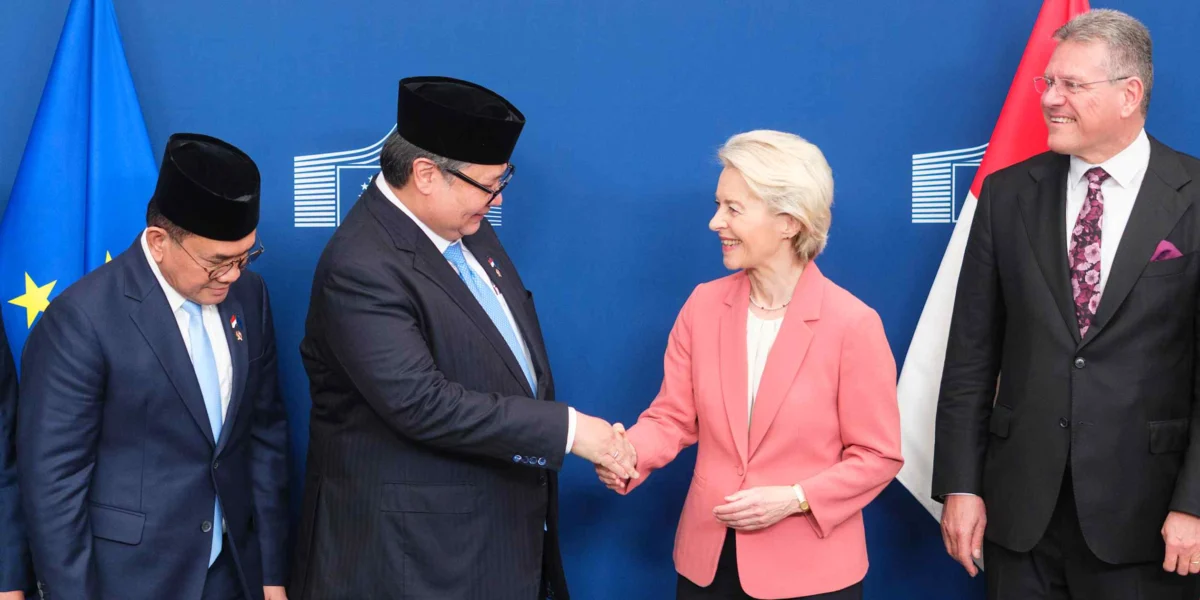
The recent signing of a comprehensive economic partnership agreement (CEPA) and an investment protection agreement between Indonesia and the European Union on November 21, 2026, in Brussels, marks a significant milestone in the bilateral relationship between the Southeast Asian archipelago and the European bloc. This accord, the culmination of years of negotiations, is widely anticipated to unlock substantial opportunities for enhanced trade, investment, and economic cooperation. However, as the dust settles, Indonesian exporters are voicing concerns regarding potential tariff adjustments and the necessary domestic regulatory recalibrations that will accompany this ambitious pact, signaling a complex path forward.
A New Era of Economic Engagement
The agreement, signed by Indonesian Coordinating Minister for the Economy Airlangga Hartarto and European Commission President Ursula von der Leyen, aims to liberalize trade in goods and services, reduce non-tariff barriers, and foster a more predictable and secure investment environment. For the EU, this partnership represents a strategic deepening of economic ties with one of Asia’s largest and fastest-growing economies, offering greater access to Indonesia’s burgeoning consumer market and its rich natural resources. For Indonesia, the CEPA is envisioned as a catalyst for economic diversification, attracting much-needed foreign direct investment, promoting technological transfer, and boosting its export competitiveness on the global stage.
The negotiation process, which began in 2016, was characterized by its complexity, reflecting the differing economic structures, regulatory frameworks, and developmental priorities of both parties. The lengthy duration of the talks underscores the intricate nature of aligning interests on issues ranging from agricultural market access and intellectual property rights to sustainable development and labor standards. The final agreement is expected to cover a wide array of sectors, including automotive, electronics, agriculture, and renewable energy, paving the way for a more integrated economic relationship.
Key Provisions and Potential Benefits
While the full details of the CEPA are yet to be publicly disclosed, initial reports suggest a phased approach to tariff reductions for a significant portion of traded goods. This is anticipated to lower costs for consumers and businesses on both sides, stimulating demand and fostering greater integration of supply chains. The agreement also reportedly includes provisions aimed at streamlining customs procedures, enhancing mutual recognition of standards, and protecting intellectual property, which are crucial for facilitating smoother trade flows and encouraging innovation.
From an investment perspective, the accompanying investment protection agreement is designed to offer greater certainty and security to investors. This could translate into increased capital inflows into Indonesia, supporting infrastructure development, job creation, and industrial upgrading. The EU, with its substantial capital and technological expertise, stands to benefit from a more stable and transparent investment climate in a strategically important region. Indonesia, in turn, hopes to leverage this investment to move up the value chain and reduce its reliance on commodity exports.
Underlying Apprehensions: The Exporter’s Dilemma
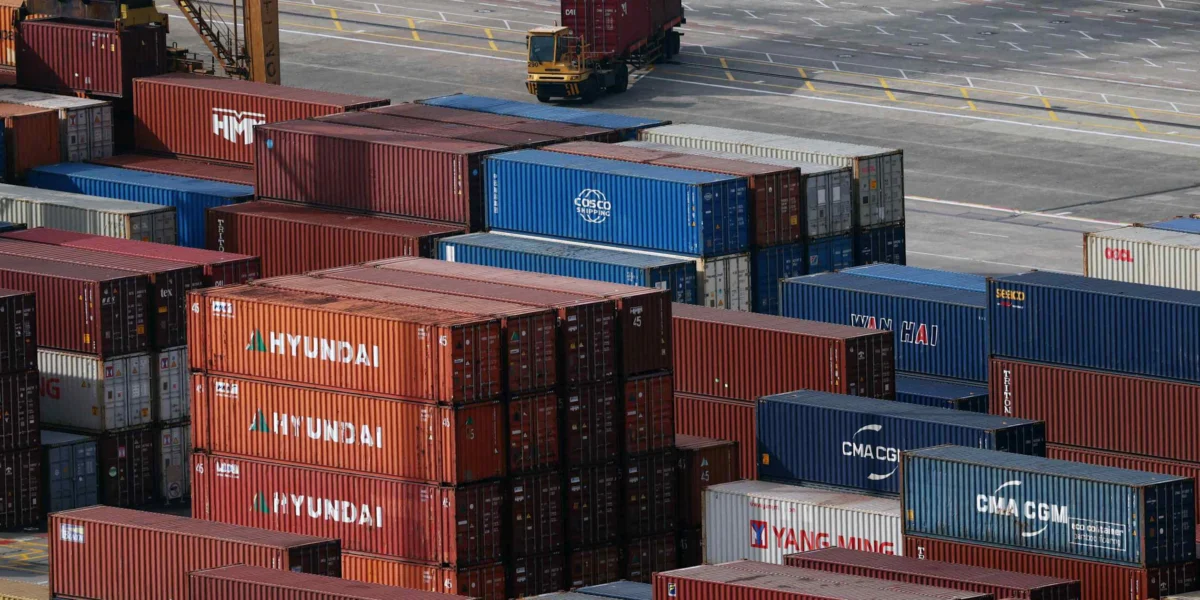
Despite the optimistic outlook, a significant undercurrent of concern is emerging from Indonesian export-oriented industries. The primary worry revolves around the potential for reciprocal tariff adjustments that may impact their competitive edge in the EU market, or conversely, the need for domestic regulatory changes to align with EU standards. For sectors that have historically benefited from certain protective measures or preferential treatment, the prospect of increased competition and the imperative to adapt to new regulatory landscapes is a source of apprehension.
For instance, agricultural producers in Indonesia, particularly those involved in exporting commodities like palm oil, coffee, or cocoa, may face intensified scrutiny regarding sustainability practices and product standards. The EU has been increasingly vocal about its commitment to environmental protection and ethical sourcing, and the CEPA is likely to incorporate stringent provisions in these areas. Indonesian exporters will need to invest in new technologies, improve traceability, and demonstrate adherence to rigorous sustainability certifications to maintain and expand their access to the lucrative EU market.
Similarly, manufacturers in sectors such as textiles, footwear, or certain processed foods might find themselves needing to upgrade their production processes, quality control measures, and compliance with EU health and safety regulations. While these adjustments are ultimately beneficial for enhancing product quality and global competitiveness, the transition period could present financial and operational challenges, especially for small and medium-sized enterprises (SMEs).
Navigating the Regulatory Maze
The Indonesian government has acknowledged these concerns and has pledged to work closely with the private sector to facilitate a smooth transition. Minister Hartarto has emphasized the need for domestic policy adjustments and capacity building to ensure that Indonesian businesses can fully capitalize on the opportunities presented by the CEPA. This includes providing support for SMEs, offering training programs on EU market requirements, and potentially offering incentives for businesses to invest in sustainable practices and technological upgrades.
The timeline for the full implementation of the CEPA will likely be staggered, with tariff reductions and regulatory changes occurring over several years. This phased approach is intended to allow businesses on both sides sufficient time to adapt. However, the specific pace and sequencing of these changes will be critical for managing the impact on various sectors.
Broader Geopolitical and Economic Context
The Indonesia-EU CEPA is being signed at a time of significant global economic flux. Rising protectionist sentiments in some parts of the world and the ongoing restructuring of global supply chains make strategic trade agreements like this even more crucial. For the EU, this pact is part of a broader strategy to strengthen its economic partnerships in the Indo-Pacific region, diversifying its trade relationships and securing access to vital resources and markets.
For Indonesia, the CEPA is a testament to its growing economic significance and its ambition to play a more prominent role in the global economy. It signifies a move away from over-reliance on traditional trading partners and a strategic engagement with major economic blocs. The agreement also aligns with Indonesia’s broader economic development agenda, which emphasizes attracting foreign investment, promoting industrialization, and enhancing export capabilities.
Supporting Data and Projections
While specific projections are still being formulated, preliminary analyses suggest that the CEPA could lead to a substantial increase in bilateral trade. Prior to the agreement, bilateral trade between Indonesia and the EU stood at approximately €25 billion annually. Projections from various economic think tanks indicate a potential increase of up to 20-30% in the first five years of implementation, with even greater growth anticipated in the long term.
Investment flows are also expected to see a significant uptick. In 2025, EU investment in Indonesia reached a record high, but the CEPA is expected to further incentivize this trend. The agreement aims to attract investments in sectors critical to Indonesia’s economic transformation, such as green energy, digital infrastructure, and advanced manufacturing.
Reactions from Stakeholders
The reaction from the Indonesian business community has been mixed, reflecting the dual nature of the agreement’s potential impact. While industry associations representing sectors with strong export potential and those poised to benefit from increased investment have largely welcomed the pact, others have expressed reservations.
The Indonesian Chamber of Commerce and Industry (KADIN) has acknowledged the significance of the agreement but has also called for proactive government support to help businesses navigate the challenges. "This CEPA presents a golden opportunity for Indonesian businesses to expand their reach into the European market," stated a KADIN spokesperson. "However, it is imperative that the government provides the necessary support, including financial assistance for upgrades and comprehensive information dissemination, to ensure our exporters are well-equipped to meet EU standards and regulations."
On the EU side, business federations have generally expressed optimism. European business leaders have highlighted the potential for increased market access and a more predictable regulatory environment. The European Round Table for Industry (ERT), representing some of Europe’s largest industrial companies, has lauded the agreement as a "strategic step towards closer economic ties and shared prosperity."
The Path Ahead: Balancing Opportunities and Challenges
The successful implementation of the Indonesia-EU CEPA will hinge on a delicate balancing act. For Indonesia, it will require a concerted effort to modernize its regulatory framework, invest in its export industries, and provide robust support to its businesses, particularly SMEs, to adapt to the new trading landscape. This includes not only tariff adjustments but also the alignment of standards in areas such as environmental protection, labor rights, and consumer safety.
For the EU, the focus will be on ensuring fair competition and upholding its commitment to sustainable and ethical trade practices. The agreement presents an opportunity to promote its values and standards in a key emerging market.
Ultimately, the Indonesia-EU CEPA is more than just a trade deal; it is a strategic partnership designed to foster mutual growth and prosperity in an increasingly interconnected world. While the immediate concerns of some exporters are valid, the long-term potential for enhanced economic engagement, increased investment, and a more integrated regional economy suggests that this landmark agreement could usher in a new era of bilateral cooperation, provided that both parties are committed to navigating its complexities with foresight and collaboration. The coming years will be crucial in determining how effectively the promises of this ambitious pact translate into tangible benefits for both Indonesia and the European Union.