Lina Wu

The adoption of Anthropic’s Claude artificial intelligence model by Japanese companies and organizations has experienced a remarkable tenfold surge over the past year. This significant growth is largely attributable to a heightened awareness of Claude’s advanced capabilities and Anthropic’s deliberate strategic emphasis on serving the enterprise sector. The American AI firm’s commitment to tailored solutions for large businesses has resonated deeply within Japan’s technologically advanced market, leading to substantial contracts with prominent Japanese conglomerates, including Hitachi, NEC, and Fujitsu. This trend underscores a broader shift in the AI landscape, where specialized enterprise solutions are increasingly driving market penetration and user adoption.

A Year of Accelerated Growth and Strategic Partnerships
The past twelve months have marked a pivotal period for Anthropic in Japan. While specific user numbers remain proprietary, the tenfold increase signifies a profound shift from early adoption to widespread integration across various industries. This surge is not a spontaneous phenomenon but rather the result of Anthropic’s concerted efforts to understand and address the unique needs of Japanese enterprises. Unlike some competitors who pursue a more generalized consumer-facing strategy, Anthropic’s focus on business-to-business (B2B) applications has allowed them to cultivate deeper relationships and develop more robust, industry-specific AI solutions.
The securing of contracts with tech giants like Hitachi, NEC, and Fujitsu is a testament to this strategy. These collaborations are not merely about licensing a product; they represent deep integrations where Claude’s AI capabilities are being leveraged to enhance existing services, develop new products, and optimize internal operations. For instance, Hitachi, a diversified technology conglomerate, is likely exploring Claude’s potential in areas such as data analysis, customer service automation, and predictive maintenance across its vast portfolio of industrial and IT solutions. Similarly, NEC, a leader in IT and network technologies, may be integrating Claude into its smart city initiatives, cybersecurity platforms, or business process management tools. Fujitsu, a major player in IT services and solutions, is expected to utilize Claude to bolster its cloud offerings, digital transformation services, and its own AI development endeavors.

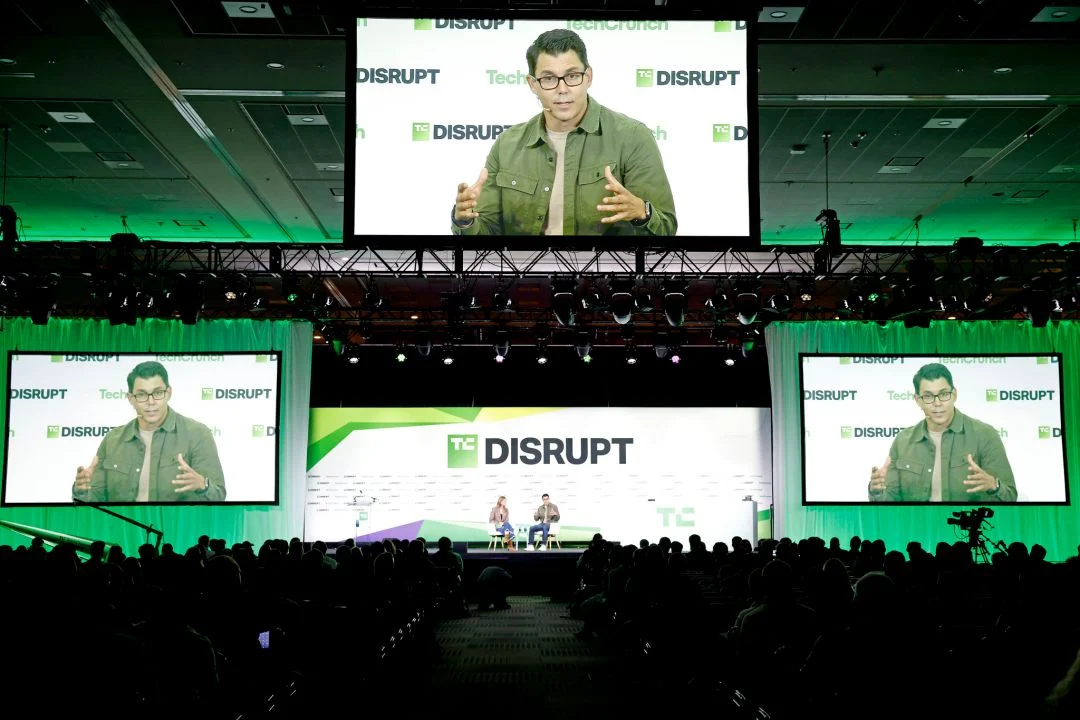
The image accompanying this report, showing a queue of developers at an Anthropic event in Tokyo, further illustrates the growing interest and engagement within the Japanese AI community. Such events are crucial for knowledge sharing, fostering collaboration, and demonstrating the practical applications of Anthropic’s AI models. The enthusiastic turnout suggests a strong appetite for advanced AI tools and a recognition of Anthropic’s growing influence in the Japanese market.
Underlying Drivers of Increased Adoption
Several key factors contribute to the accelerated adoption of Claude in Japan. Firstly, the increasing sophistication of large language models (LLMs) has moved beyond novelty to demonstrable utility in enterprise settings. Claude, known for its robust safety features, advanced reasoning abilities, and capacity for handling complex tasks, has proven particularly attractive to Japanese companies that prioritize reliability and responsible AI deployment. Japanese businesses, often characterized by their meticulous approach to technology integration and a strong emphasis on data security and ethical considerations, find Claude’s design principles to be well-aligned with their operational philosophies.

Secondly, Anthropic’s dedicated enterprise focus has been instrumental. This involves not only developing powerful AI models but also providing comprehensive support, customization options, and clear integration pathways for corporate clients. Understanding that enterprises require more than just an API, Anthropic has likely invested in building a strong local presence, offering technical expertise, and developing solutions that can be seamlessly incorporated into existing IT infrastructures. This proactive engagement with potential clients, rather than a passive offering, has fostered trust and facilitated the adoption process.
Thirdly, the broader global trend of AI integration into business operations plays a significant role. As companies worldwide recognize the competitive advantages offered by AI – from enhanced efficiency and cost reduction to novel product development and improved customer experiences – Japanese firms are keen to keep pace. The successful implementation of AI in other markets, coupled with the increasing availability of sophisticated tools like Claude, creates a compelling case for adoption.

Background: The Rise of Enterprise AI
The current surge in enterprise AI adoption is the culmination of years of research, development, and gradual market maturation. Initially, AI was often confined to academic research or highly specialized industrial applications. The advent of deep learning and, more recently, the rapid advancements in LLMs have democratized AI, making its powerful capabilities accessible to a wider range of businesses.
The enterprise AI market is characterized by a growing demand for solutions that can address specific business challenges, rather than generic AI tools. Companies are seeking AI that can automate repetitive tasks, analyze vast datasets to uncover insights, personalize customer interactions, and even assist in complex decision-making processes. This has led to a proliferation of AI platforms and services tailored to different industries and functional areas, such as customer relationship management (CRM), supply chain optimization, financial forecasting, and content generation.

Anthropic, founded by former OpenAI researchers, has positioned itself as a leader in developing AI systems that are both powerful and aligned with human values. Their emphasis on safety and interpretability, particularly with models like Claude, resonates with enterprises that are increasingly concerned about the ethical implications and potential risks associated with AI deployment. This commitment to responsible AI development has likely been a key differentiator in the competitive Japanese market.
Chronology of Engagement
While the precise timeline of Anthropic’s engagement in Japan is not publicly detailed, the past year’s tenfold increase suggests a period of intensified focus and expansion.

- Early 2025 – Mid-2025: Likely a phase of initial market exploration, relationship building with key technology partners, and showcasing Claude’s capabilities to select enterprise clients. This would involve pilot programs and proof-of-concept deployments.
- Late 2025 – Early 2026: A period of significant growth, marked by the formalization of partnerships and the signing of substantial contracts with major corporations like Hitachi, NEC, and Fujitsu. This phase would also see increased marketing and outreach efforts, including developer conferences like the one depicted.
- Mid-2026 – Present: The reported tenfold increase in usage indicates a successful scaling of these enterprise solutions. This suggests that initial deployments have yielded positive results, leading to broader integration and adoption across various departments and business units within these organizations. The ongoing engagement likely involves continuous refinement of AI models and development of new applications based on user feedback and evolving business needs.
Supporting Data and Market Trends
The global AI market is experiencing exponential growth, with enterprise solutions forming a significant portion of this expansion. According to various market research reports, the enterprise AI market is projected to reach hundreds of billions of dollars in the coming years. Japan, as one of the world’s leading economies with a strong technological foundation, represents a crucial market within this global trend.
The adoption of generative AI, in particular, has seen a dramatic acceleration. Companies are leveraging these models for a wide array of applications, including:

- Content Creation: Generating marketing copy, product descriptions, and internal reports.
- Customer Service: Powering chatbots and virtual assistants that can handle complex inquiries.
- Code Generation: Assisting developers in writing and debugging software.
- Data Analysis and Summarization: Extracting insights from large volumes of text and data.
- Research and Development: Accelerating scientific discovery and innovation.
Anthropic’s Claude models, with their emphasis on accuracy, safety, and the ability to handle nuanced instructions, are well-suited to these enterprise applications. The "tenfold increase" signifies that Japanese companies are moving beyond experimental uses to integrating Claude into their core operational workflows, which is a strong indicator of sustained value.
Official Responses and Industry Reactions
While direct quotes from Hitachi, NEC, and Fujitsu regarding their specific engagements with Anthropic are not available in the provided snippet, the scale of their involvement, as implied by the contracts, suggests a positive outlook. These companies are at the forefront of technological innovation in Japan, and their investment in Anthropic’s AI signals a strategic commitment to leveraging advanced AI for competitive advantage.

Industry analysts observing the Japanese AI market would likely view this trend as a significant development. The successful penetration of a US-based AI firm like Anthropic into the enterprise segment, particularly through partnerships with established Japanese technology giants, highlights the global nature of AI innovation and the increasing interconnectedness of technology ecosystems. This could also spur further investment and development in AI solutions from domestic Japanese companies, fostering a more dynamic and competitive landscape.
Broader Impact and Implications
The widespread adoption of Anthropic’s Claude model in Japan has several significant implications:

- Enhanced Business Efficiency and Innovation: Japanese enterprises will likely experience significant gains in operational efficiency through AI-powered automation and data analysis. This can free up human capital for more strategic tasks, foster innovation, and lead to the development of new products and services.
- Strengthened Global AI Competition: Anthropic’s success in Japan underscores the competitive landscape of the global AI market. It demonstrates that a focus on enterprise-grade solutions, combined with a commitment to safety and ethical AI, can be a winning strategy. This may prompt other AI developers to refine their B2B offerings and strengthen their global outreach.
- Data Security and Ethical AI Advancement: As Japanese companies integrate advanced AI, there will be an increased focus on data privacy, security, and the ethical deployment of these technologies. Anthropic’s emphasis on these areas aligns with Japan’s own regulatory and societal expectations, potentially setting new benchmarks for AI governance in the region.
- Talent Development and Upskilling: The increased use of sophisticated AI tools will necessitate the development of a skilled workforce capable of managing, implementing, and leveraging these technologies. This will likely drive investment in AI education and training programs across Japan.
- Digital Transformation Acceleration: The integration of Claude into core business processes will accelerate the digital transformation journeys of these companies, enabling them to adapt more quickly to changing market demands and technological advancements.
In conclusion, the tenfold increase in the use of Anthropic’s Claude AI by Japanese companies is a clear indicator of the model’s growing appeal and Anthropic’s successful enterprise-focused strategy. The partnerships with industry leaders like Hitachi, NEC, and Fujitsu are not just commercial agreements but signify a deep integration of advanced AI into the fabric of Japanese industry, promising to reshape business operations, foster innovation, and contribute to the ongoing digital evolution of one of the world’s leading economies.