Putri Inara

The Economic Reality of the Modern Creator Economy
The professionalization of blogging has created a distinct hierarchy of earners within the digital space. According to longitudinal data and industry surveys, including a comprehensive study of over 1,500 active publishers, the distribution of income in the blogging world follows a traditional power-law curve. A small percentage of high-performing outlets generate substantial monthly revenue, while the majority of participants earn modest amounts or struggle to achieve profitability.
Survey data indicates that approximately 63% of bloggers attempting to monetize their platforms earn less than $3.50 per day. Furthermore, 10% of those surveyed reported earning no income at all, while 28% earned less than 30 cents per day. These figures highlight the significant barrier to entry regarding professional-grade profitability. However, the data also reveals a lucrative ceiling: approximately 4% of respondents reported monthly earnings exceeding $10,000, placing them in a high-earning bracket that surpasses many traditional professional salaries. An additional 9% earned over $1,000 per month, suggesting a viable path to part-time or supplemental income for those who move past the initial growth phase.
Chronology of Industry Evolution: 2002 to the Present
The trajectory of blogging as a career path can be traced through several distinct eras. In the early 2000s—specifically around 2002—the medium was primarily a hobbyist endeavor. Early adopters who entered the market during this period benefited from a "first-mover advantage," establishing domain authority and search engine rankings before the market reached its current state of saturation.
By 2010, the "ProBlogger" era emerged, characterized by the professionalization of content and the introduction of sophisticated advertising networks like Google AdSense. During this decade, the rise of social media platforms provided new avenues for traffic acquisition, leading to the birth of the "influencer" model. Today, the industry has shifted toward a "creator-led business" model, where the blog serves as the central hub of a diversified brand that includes newsletters, podcasts, and digital products.
Historical analysis of top-tier earners shows that longevity is a primary indicator of financial success. Data confirms that 85% of bloggers earning more than $10,000 per month have been operating for at least four years. This timeline suggests that the "overnight success" narrative frequently promoted in digital marketing circles is largely a marketing fabrication. Most profitable blogs require a minimum of two years of consistent operation before reaching a full-time income level.
Diversification of Revenue Streams and the "Money Map"
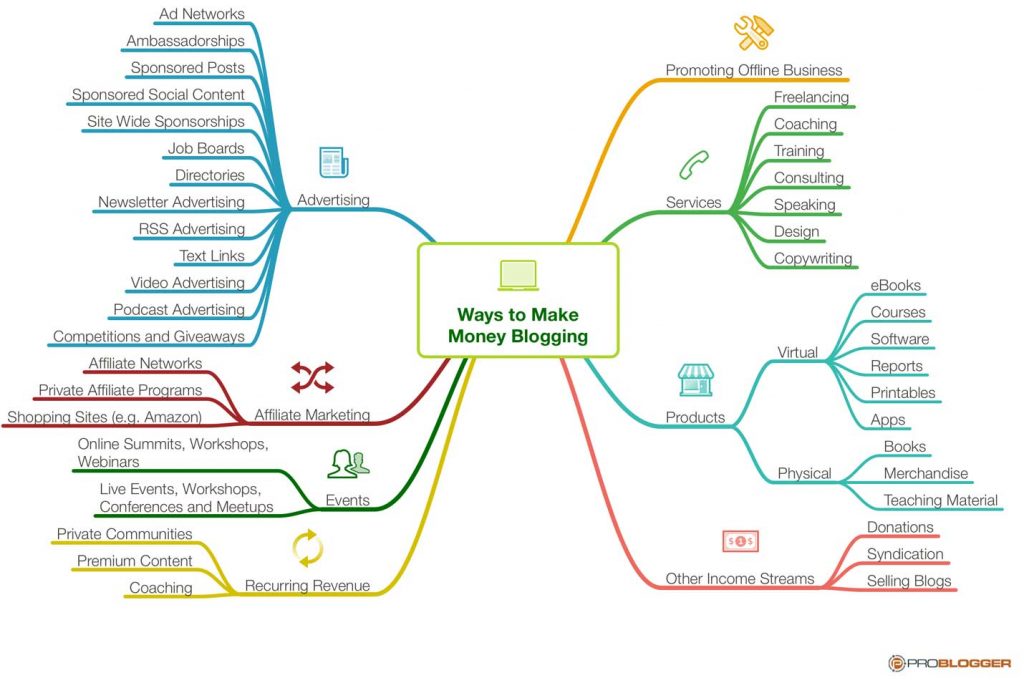
One of the most significant findings in the study of profitable blogs is the absence of a single, universal monetization formula. Instead, successful publishers utilize a "Money Map" of diversified income streams to ensure financial stability.

Direct and Indirect Advertising
Traditional display advertising remains a foundational element for many. This includes programmatic advertising (AdSense, Mediavine, AdThrive) and direct sponsorship deals where brands pay for placement on high-traffic sites.
Affiliate Marketing
Affiliate revenue, where bloggers earn a commission for referring sales to third-party retailers (such as Amazon or niche-specific software), has become a dominant model. This is particularly effective in "review-heavy" niches like technology, photography, and home goods.
Digital and Physical Products
The most profitable blogs often transition from selling other people’s products to selling their own. This includes:
- E-books and Online Courses: Converting expertise into structured learning.
- Membership Areas: Providing exclusive content for a recurring fee.
- Physical Merchandise: Leveraging brand loyalty to sell branded goods.
Services and Speaking Engagements
For many, a blog acts as a high-end portfolio. Professionals in fields like woodwork, health, and finance often use their platforms to secure consulting contracts, speaking engagements at international conferences, or traditional book deals with major publishing houses.
Case Studies in Niche Profitability
A common misconception in the industry is that the only people making money from blogging are those who teach others how to blog. However, evidence from major industry events, such as the Melbourne ProBlogger conference, proves that "everyday" niches are often more lucrative than the "make money online" (MMO) sector.
Industry veterans point to several high-performing examples across diverse categories:
- Health and Wellness: Figures like Sarah Wilson, founder of the "I Quit Sugar" movement, transformed a niche health blog into a global brand.
- Home and DIY: Ana White built a woodworking empire starting from a blog that provided free furniture plans, eventually leading to television appearances and book deals.
- Lifestyle and Simplicity: Tsh Oxenreider’s "The Art of Simple" demonstrates how community-focused content on living intentionally can sustain a full-time business.
- Photography: Specialized technical blogs, such as Digital Photography School, often report profitability levels ten times higher than generalist marketing blogs due to the high intent of the audience and the availability of premium affiliate opportunities.
The Four Pillars of Professional Blog Management
To move from the 63% of low-earners to the top 4% of high-earners, industry analysts identify four critical areas of operational focus.
1. High-Value Content Creation
Content must be original, interesting, and helpful. In an era of AI-generated text, human expertise and unique perspectives have become more valuable. Professional blogs focus on solving specific problems for their readers rather than merely publishing "digital diaries."
2. Strategic Audience Acquisition
Finding readers requires a multi-channel approach, including Search Engine Optimization (SEO), email marketing, and social media distribution. Successful bloggers treat traffic acquisition as a data-driven discipline rather than a matter of luck.
3. Community Engagement
The transition from a "reader" to a "fan" is essential for long-term sustainability. Engagement strategies involve active comment moderation, interactive newsletters, and building a presence on platforms where the target audience congregates.
4. Monetization Optimization
Profitable bloggers constantly test and refine their revenue strategies. This involves analyzing click-through rates on affiliate links, optimizing ad placements for better user experience, and surveying audiences to identify what products they are willing to purchase.
Broader Economic Impact and Future Implications
The rise of professional blogging has significant implications for the broader labor market. As traditional media outlets continue to consolidate, independent digital publishers are filling the gap, providing hyper-local or hyper-niche information that large corporations cannot profitably cover.
The "creator economy" is now recognized by financial institutions like Goldman Sachs as a significant economic driver, with projections suggesting the total addressable market could reach $480 billion by 2027. For the individual, blogging offers a path to "digital nomadism" and geographic independence, though the labor-intensive nature of the work contradicts the popular "passive income" myth.
In conclusion, the reality of making money blogging is that it is a legitimate but demanding profession. It is characterized by a steep learning curve and a long period of "sweat equity" before financial rewards manifest. For those willing to treat the endeavor as a business—focusing on longevity, niche expertise, and diversified revenue—the potential for high-level earnings remains strong in the current digital ecosystem. The key to success, as demonstrated by over two decades of industry data, is the move from passive participation to active, strategic management.