Farhan Pambudi
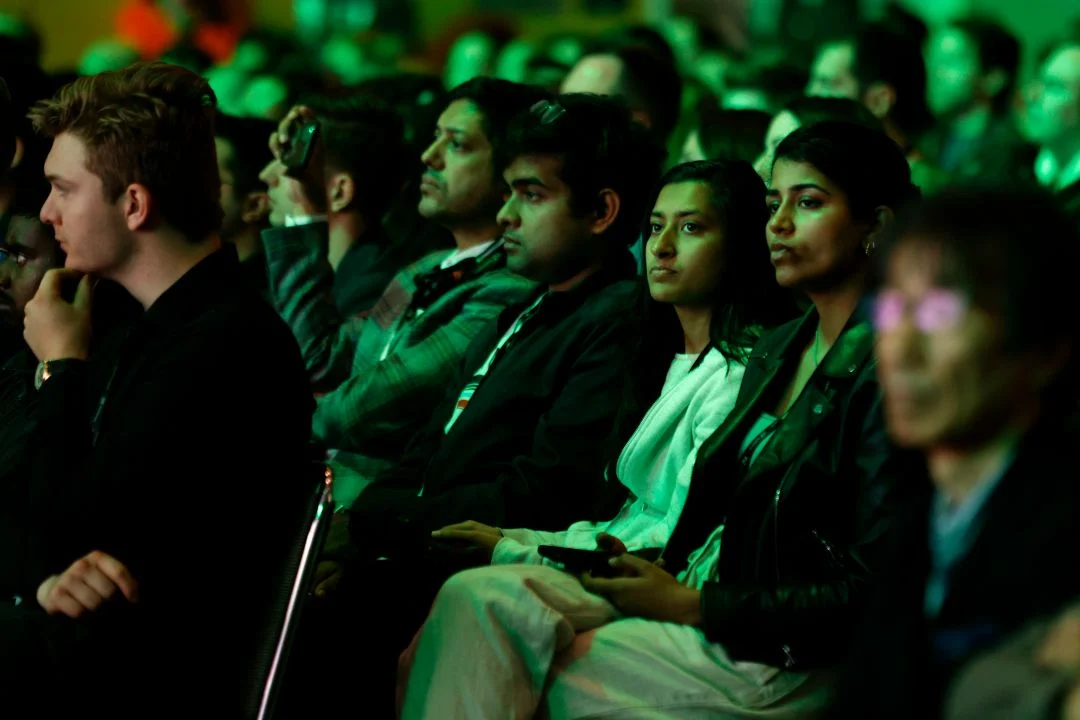
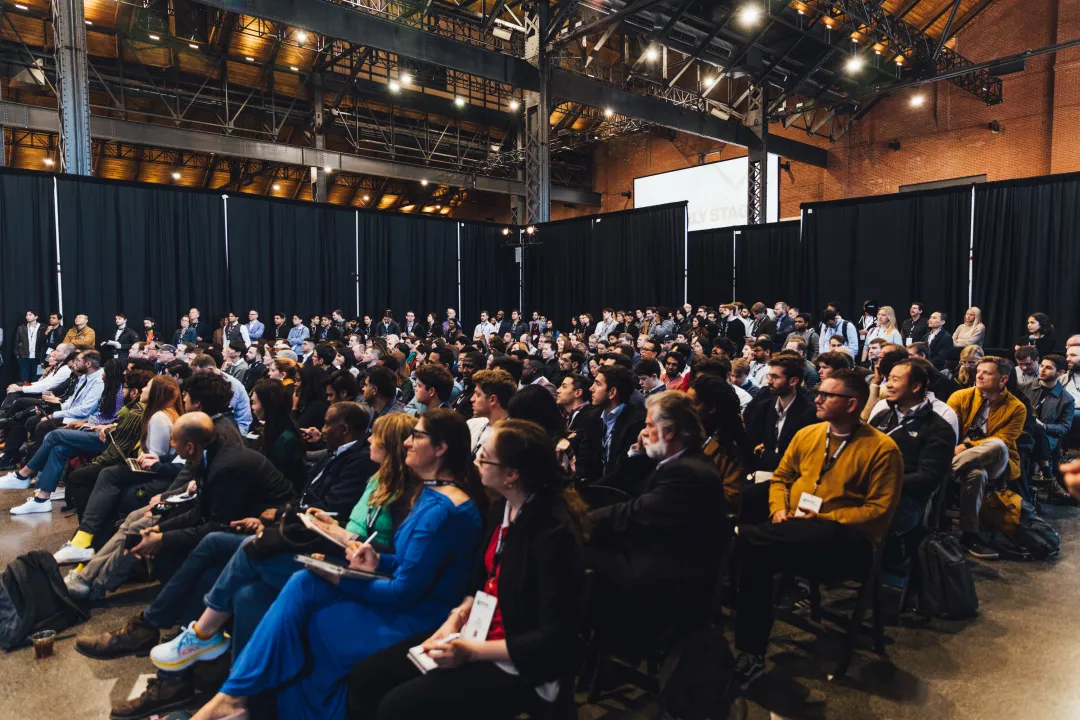
The 2026 edition of TechCrunch Disrupt officially opened its doors at San Francisco’s Moscone West, signaling a robust resurgence for the global startup ecosystem. With more than 10,000 attendees, including founders, venture capitalists, and technology executives, the event serves as a critical barometer for the industry’s trajectory heading into 2027. This year’s conference is characterized by a distinct shift from the purely generative AI models of previous years toward "Agentic AI" and "Physical AI," reflecting a broader trend of integrating intelligent systems into hardware, infrastructure, and autonomous workflows.

The three-day summit features a reorganized layout, introducing six specialized industry stages that target high-growth sectors such as climate tech, fintech, and advanced manufacturing. As the flagship event for the startup world, Disrupt 2026 continues its tradition of hosting the Startup Battlefield, a high-stakes competition where 20 hand-selected startups vie for a $100,000 equity-free prize and the prestigious Disrupt Cup.
Historical Context and the Evolution of Disrupt
TechCrunch Disrupt has long been considered the premier launchpad for early-stage companies. Historically, the event has helped catapult brands like Dropbox, Fitbit, and Cloudflare into the mainstream. In 2026, the context of the event is framed by the stabilization of the venture capital market following several years of recalibration. Investors are now prioritizing "capital-efficient growth" and "defensible intellectual property," particularly in fields that bridge the gap between software and the physical world.

San Francisco’s role as the host city remains significant. Despite previous narratives suggesting a decentralization of tech, the 2026 attendance figures and the concentration of AI-focused side events throughout the Bay Area underscore the city’s enduring status as the epicenter of technological development. The Moscone West venue has been transformed into a multi-level hub of activity, with the ground floor dedicated to the Expo Hall, which hosts more than 300 exhibiting startups.
Day One Chronology: Morning Sessions and Registration
The event commenced at 7:30 a.m. with the opening of registration in the Level 1 lobby. Attendees were equipped with badges featuring "Klik" technology, a smart-networking tool designed to facilitate frictionless contact exchange through a simple tap of badges. This data is synced directly to the event’s mobile application, reflecting a growing industry focus on data-driven networking and AI-powered matchmaking.

By 8:00 a.m., the Expo Hall was at full capacity. The morning’s primary focus centered on the "Disrupt Stage," where high-profile speakers addressed the fundamental challenges of scaling complex technologies. RJ Scaringe, CEO of Rivian, delivered a keynote titled "Building the Impossible," where he discussed the logistical and financial hurdles of maintaining a hardware-heavy startup in an era of fluctuating interest rates and supply chain complexities. Scaringe’s insights into "Physical AI"—the application of machine learning to autonomous vehicles and robotics—set the thematic tone for the day.
The Startup Battlefield: A Focus on Built World and Sustainability
The centerpiece of the afternoon was the Startup Battlefield. TechCrunch’s editorial team vetted thousands of applicants to select the top 20 startups that will pitch throughout the week. On Day 1, the "Pitch Showcase Stage" featured rapid-fire, one-minute lightning pitches from the Startup Battlefield 200, a broader cohort of promising early-stage companies.

The categories for Day 1 included:
- The Built World: Startups in this sector are leveraging AI and robotics to modernize real estate, construction, and urban infrastructure. The pitches highlighted a move toward "Smart Cities" that use real-time data to manage energy consumption and traffic flow.
- Sustainability: This category showcased innovations in renewable energy, carbon capture, and circular economy platforms. The focus was on "profitable planetary impact," with founders arguing that environmental solutions must be economically viable to achieve global scale.
Judges for these sessions included prominent figures from firms such as Kleiner Perkins, General Catalyst, and Maven Ventures. The consensus among the judging panel was that the "barrier to entry" for startups has risen; investors are no longer satisfied with theoretical models and are instead demanding proof of technical feasibility and early market traction.

Thematic Deep Dive: From Generative to Agentic AI
A significant portion of the Day 1 agenda was dedicated to "Agentic AI." Unlike previous iterations of AI that focused on content generation, Agentic AI refers to systems capable of executing complex tasks autonomously—such as managing a supply chain, conducting financial audits, or operating industrial machinery—without constant human intervention.
On the "Builders Stage," a panel titled "The Rise of Agentic AI: Lessons for Hardware Founders" explored how this technology is being integrated into physical devices. Ziad Asghar of Qualcomm Technologies and Florence Ion of PCMag discussed the shift from cloud-based AI to "on-device" processing, which reduces latency and improves privacy.

The "Builders Stage" also hosted a live recording of TechCrunch’s Equity podcast. The discussion centered on the "Product-Market Fit (PMF) Red Flags" that founders often ignore. Panelists from Iconiq and Sapphire Ventures noted that in 2026, the most common red flag is "AI for AI’s sake"—startups that implement artificial intelligence without a clear problem-solving application.
Industry Stages: Smart Money and Smart Systems
The "Smart Money" stage addressed the evolving landscape of fintech. Leaders from Circle, Plaid, and Robinhood discussed the "Agentic Economy," where AI agents may soon handle transactions and investment decisions on behalf of consumers. A key concern raised during these sessions was the issue of "Trust and Verification." As AI becomes more integrated into financial services, the industry must develop robust protocols to prevent algorithmic fraud and ensure regulatory compliance.

Simultaneously, the "Smart Systems" stage focused on the energy demands of the AI revolution. Experts from Helion and Commonwealth Fusion Systems discussed the progress of fusion energy, a technology once considered decades away but now seeing significant private investment. Jeff Lawson, the founder of Twilio, also spoke about his new ventures in the energy sector, highlighting the "power problem" facing data centers that support massive AI models. The discussion emphasized that the next trillion-dollar tech company will likely be one that solves the energy efficiency bottleneck.
Networking, Side Events, and the Broader Ecosystem
Beyond the formal stages, Disrupt 2026 is designed to foster a high-density networking environment. The "Networking Lounge," powered by Signify Business Cash from Wells Fargo, remained a central hub for spontaneous meetings. For more structured deal-making, the "Deal Flow Café" provided an exclusive space for founders and investors to discuss term sheets and partnership agreements.

The energy of the conference extended into the evening with "Side Events" across San Francisco. These company-hosted gatherings, such as "The Irish Shark Tank" by Enterprise Ireland and networking nights by WayFounder, illustrate the decentralized nature of the modern tech conference. These events allow for more intimate discussions and regional focus, highlighting the global reach of the Disrupt brand.
Analysis of Implications for the Tech Sector
The first day of TechCrunch Disrupt 2026 suggests that the technology sector has entered a "deployment phase." While 2024 and 2025 were characterized by the hype surrounding Large Language Models (LLMs), 2026 is about the practical, industrial application of those models. The heavy emphasis on "Physical AI" and "Energy Infrastructure" indicates that the industry is moving away from purely digital products toward solutions that address physical-world constraints.

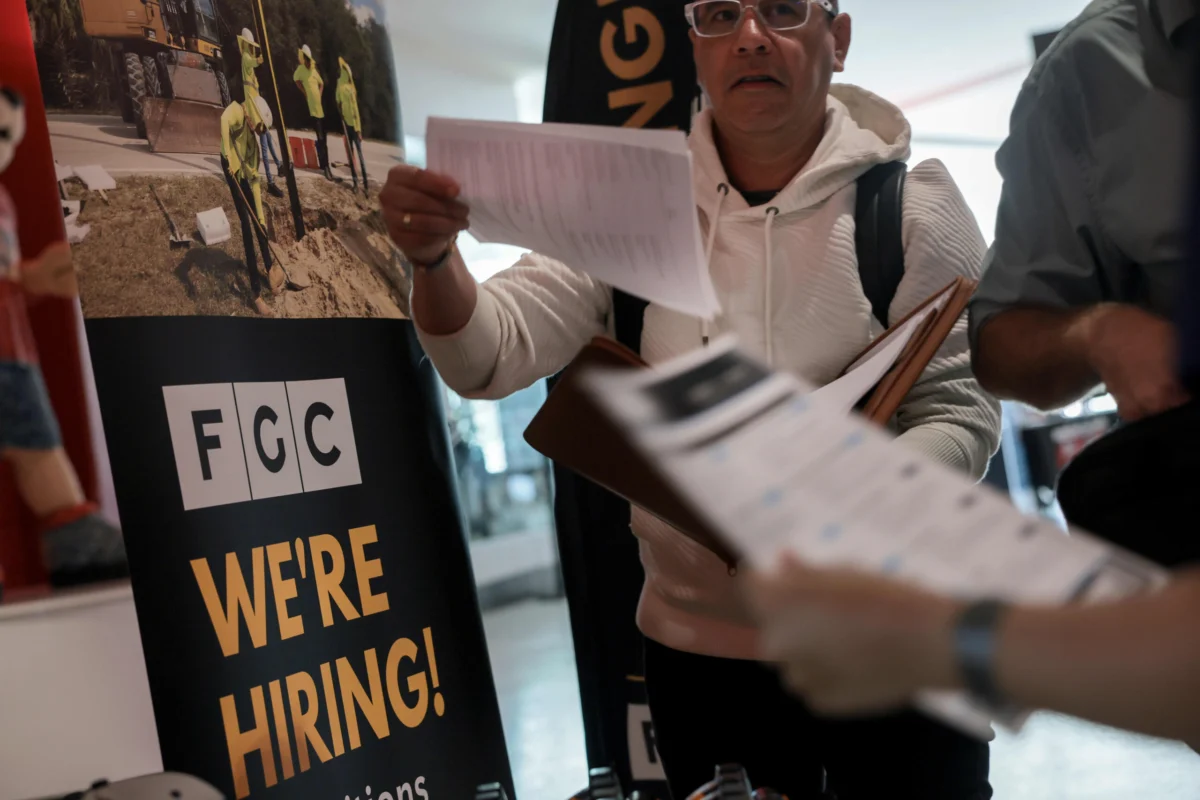
Furthermore, the focus on "Hiring in the AI Era" and "Competing for AI Talent" reflects a shift in the labor market. Startups are now looking for "AI-native" employees who can work alongside co-pilot systems. The session "Hiring When AI Is a Co-founder" highlighted that the most successful startups in 2026 are those with smaller, more efficient teams that leverage automation to achieve the output of much larger legacy organizations.
Looking Ahead: The Path to the Disrupt Cup
As Day 1 concludes, the momentum shifts toward the technical deep dives of Day 2 and the final Startup Battlefield pitches on Day 3. The competition for the $100,000 prize remains fierce, with many observing that the "Sustainability" and "Space" categories have some of the most technically advanced entrants in years.

Registration remains open for the duration of the event, and organizers expect attendance to remain high as more speakers, including leaders from Google Cloud and the New York Stock Exchange, prepare to take the stage. For the 10,000 participants at Moscone West, the message of Day 1 is clear: the next era of technology will be defined by the convergence of intelligent software and the physical systems that power global society.