Ena Muazin
The grand entrance of Berlin’s Tertianum, adorned with polished marble and attended by a uniformed doorman, immediately signals an experience far removed from the conventional image of senior living. This opulent facility, standing seven stories high, is home to approximately one hundred residents, each enjoying a lifestyle designed to blend comfort, sophistication, and comprehensive care. The atrium, a soaring space that draws the eye upward, serves as a prelude to the elevated living standards offered within.
Exclusive Residences: More Than Just Apartments
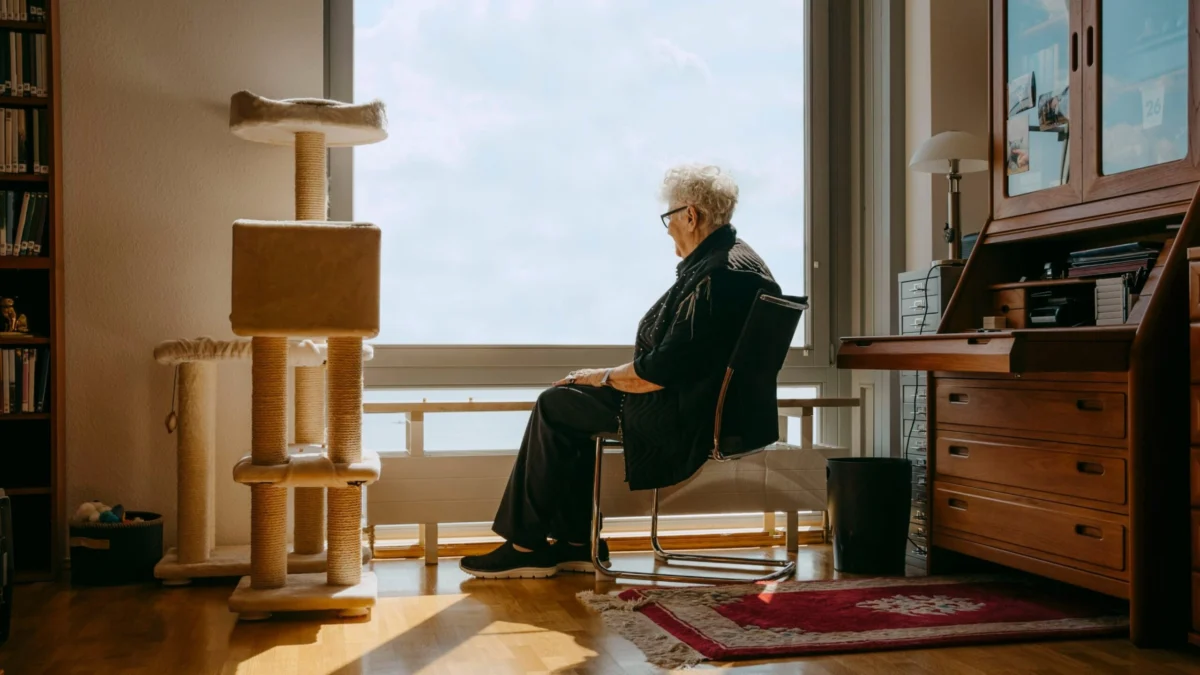
The standard residences at Tertianum are a generous 70 square meters, featuring two rooms, a modern kitchen, a private bathroom, and a balcony offering views of either the meticulously maintained garden or the iconic KaDeWe luxury department store. These are not simply units; they are homes, personalized by residents aged 65 to 101, reflecting their individual tastes and life experiences. The age range of the residents speaks to the facility’s ability to cater to a diverse group of seniors, from those still actively engaged in their communities to those requiring more dedicated support.
For those with a penchant for even grander living, penthouse apartments are available, some spanning up to 160 square meters. These exclusive units represent a premium offering within the Tertianum portfolio, with approximately 15 becoming available each year. The limited availability of these top-tier residences underscores their desirability and the discerning clientele they attract. This segment of the market for senior living is experiencing significant growth, driven by an aging population with accumulated wealth and a desire for high-quality living in their later years. The demand for such properties often outstrips supply, creating a competitive environment for prospective residents.
A Comprehensive Support Ecosystem
Beyond the luxurious living spaces, Tertianum provides an all-encompassing service package designed to ensure the well-being and comfort of its residents. This includes professional cleaning services, access to physiotherapy, and a sophisticated dining program. The on-site restaurant boasts a daily changing three-course menu, curated by the acclaimed two-Michelin-star chef Tim Raue. This partnership with a renowned culinary figure elevates the dining experience to a gourmet level, a significant differentiator in the eldercare market.
The facility also features a spa area complete with a swimming pool and a sheltered inner courtyard, offering spaces for relaxation, recreation, and social interaction. The hundred-strong staff are dedicated to covering nearly every aspect of life in retirement, from daily assistance to social engagement. This extensive staffing ratio ensures personalized attention and prompt responses to residents’ needs. The absence of palliative care services, as noted, indicates a specific focus on active, independent, or moderately assisted living, rather than end-of-life care, which is typically provided by specialized hospice services.
The Financial Reality of Elite Eldercare
However, this level of luxury and comprehensive service comes at a significant cost. A two-room apartment in this prime Berlin location incurs a monthly fee of approximately €6,000. This base rate is further supplemented by care costs, which can easily exceed €8,000 per month. This pricing structure places Tertianum firmly in the high-end segment of the senior living market, accessible only to a select few who can afford such an investment in their later years.
The affordability of such premium eldercare is a growing point of discussion. As the global population ages, the demand for assisted living and nursing homes is projected to rise dramatically. According to the World Health Organization, the number of people aged 60 years and over is expected to more than double from 900 million in 2015 to 2.1 billion in 2050. While facilities like Tertianum cater to a niche market, they highlight a broader societal challenge: ensuring adequate and dignified care for an increasing elderly population across all socioeconomic strata. The economic disparity in accessing high-quality eldercare raises questions about equity and the role of private enterprise versus public provision in meeting future demographic needs.
Context and Background: The Evolution of Senior Living
The emergence of facilities like Tertianum reflects a significant evolution in the concept of senior living. Historically, retirement homes were often perceived as utilitarian institutions focused primarily on basic needs and medical care. However, in recent decades, there has been a discernible shift towards creating communities that offer a lifestyle comparable to, or even exceeding, that of independent living. This transformation is driven by several factors:
- Increased Lifespans and Healthier Aging: People are living longer and healthier lives, leading to a greater desire to maintain independence and a high quality of life well into their later years.
- Changing Demographics and Family Structures: With smaller family sizes and increased geographic mobility, adult children may not always be able to provide the level of care their aging parents require, leading to a greater reliance on professional services.
- Consumer Demand for Choice and Amenities: Today’s seniors are often more discerning consumers, seeking environments that offer not just care but also social engagement, recreational opportunities, and cultural enrichment. They are accustomed to a certain standard of living and expect it to continue throughout their retirement.
- The "Silver Tsunami" and Market Opportunity: The burgeoning elderly population represents a significant market opportunity for businesses that can cater to their specific needs and preferences. This has spurred innovation and investment in the senior living sector, leading to a diversification of offerings.
Tertianum, with its prime location in Berlin – a city known for its cultural vibrancy and historical significance – capitalizes on these trends. The proximity to luxury retail and a sophisticated urban environment appeals to a demographic that values both comfort and access to amenities. The focus on culinary excellence, wellness facilities, and personalized services positions it as a premium brand within this evolving landscape.
A Timeline of Development (Hypothetical based on typical industry patterns)
While specific timelines for Tertianum’s development are not provided, the establishment of such a facility typically follows a multi-year trajectory:
- Conceptualization and Market Research (2-3 years): Identifying the demand for high-end senior living in a specific geographic area, analyzing competitor offerings, and defining the unique selling proposition. This phase involves extensive financial modeling and feasibility studies.
- Site Selection and Acquisition (1-2 years): Securing a prime location, often in desirable urban neighborhoods or scenic areas, which can be a lengthy and complex process involving zoning regulations and approvals.
- Planning and Design (2-3 years): Engaging architects and interior designers to create a facility that meets both aesthetic and functional requirements, incorporating state-of-the-art amenities and ensuring compliance with all relevant building codes and accessibility standards.
- Construction and Fit-out (2-4 years): The actual building phase, followed by the interior decoration, furnishing, and installation of specialized equipment.
- Staff Recruitment and Training (6-12 months prior to opening): Assembling a skilled and compassionate team, from management and care staff to culinary and maintenance personnel, and implementing comprehensive training programs.
- Marketing and Pre-Leasing (6-12 months prior to opening): Generating interest and securing initial residents, often through exclusive preview events and targeted marketing campaigns.
- Grand Opening and Operational Ramp-up (Ongoing): Welcoming residents, fine-tuning operations, and establishing the facility’s reputation within the community.
The substantial investment in time and resources required for such a project underscores the long-term vision and commitment involved in developing a luxury senior living community.
Broader Impact and Implications
The existence of facilities like Tertianum has several broader implications for the senior living industry and society at large:
- Setting New Benchmarks: High-profile establishments can raise the overall standard for senior living, encouraging other providers to innovate and improve their offerings to remain competitive.
- Addressing Specific Needs: While not universally accessible, these premium facilities cater to a growing segment of the population with the financial means to afford sophisticated care and lifestyle options. They demonstrate a model for how specialized needs can be met with dedicated resources.
- Economic Contribution: Such developments create jobs, contribute to the local economy through construction and ongoing operations, and attract affluent individuals who may also engage with other local businesses and services.
- Ethical Considerations of Access: The significant cost associated with elite eldercare inevitably raises questions about equitable access to quality care. As the gap between the wealthy and the rest of the population persists, ensuring that all seniors can receive dignified and appropriate care remains a critical societal challenge. This might necessitate a greater focus on public-private partnerships, government subsidies, and innovative models for affordable senior housing and care.
- The Future of Aging: Tertianum represents a vision of aging that emphasizes continued engagement, comfort, and high-quality living, rather than a decline into frailty and isolation. This forward-looking approach could influence how society views and prepares for later life.
In conclusion, Berlin’s Tertianum stands as a testament to the evolving landscape of senior living, offering an unparalleled blend of luxury, comprehensive services, and personalized care. While its exclusivity highlights the economic disparities in accessing such amenities, it also points towards a future where aging is viewed not as an endpoint, but as another chapter in a life to be lived with dignity, comfort, and fulfillment. The facility’s meticulous design, curated services, and prime location collectively create an aspirational model for eldercare, pushing the boundaries of what is possible in providing for the needs of a growing and discerning senior population. The continued success and expansion of such models will likely depend on their ability to adapt to changing economic conditions and to explore avenues for broader accessibility, ensuring that the principles of dignified aging are not confined to a privileged few.