Lina Wu
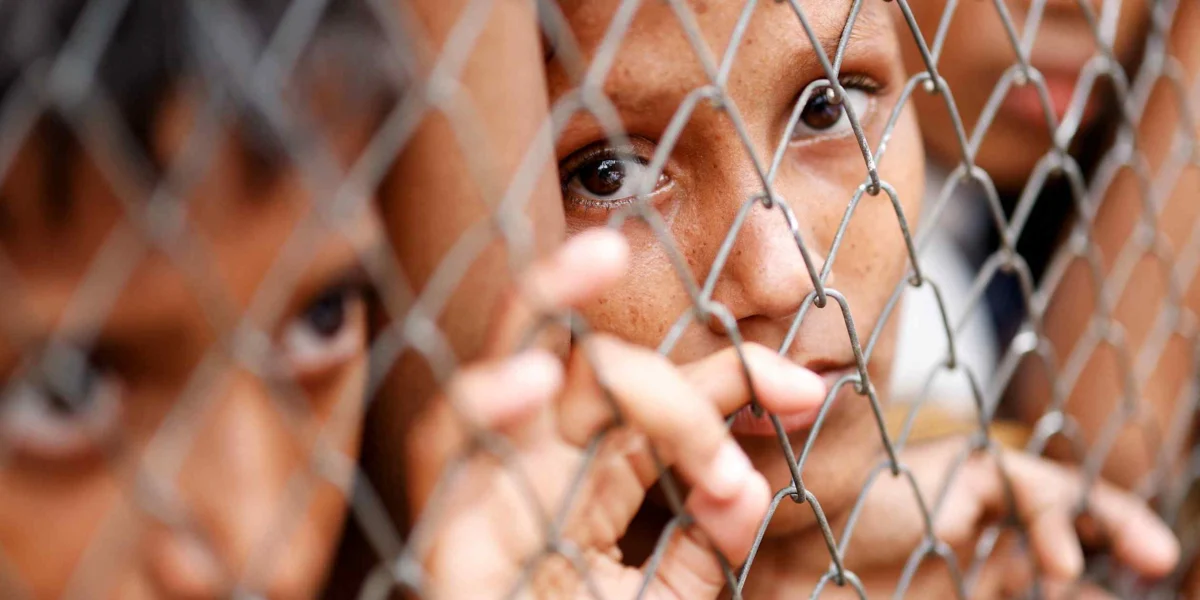
THE HAGUE — In a landmark decision that reverberated across the globe, the International Court of Justice (ICJ) on Thursday ruled that Myanmar’s systematic killings and persecution of the Rohingya Muslim ethnic minority constituted genocide. The verdict, delivered from the hallowed halls of the world’s principal judicial organ of the United Nations, marks a significant moment in the long and tragic struggle for accountability for the atrocities committed against the stateless Rohingya population. The ruling validates the claims brought forth by The Gambia, which accused Myanmar of violating the 1948 Genocide Convention.
The court’s pronouncement, a culmination of years of legal wrangling and mounting international pressure, found that Myanmar had breached its obligations under the convention. While the ICJ’s judgments are legally binding on states that are parties to the Genocide Convention, the enforcement mechanisms can be complex and challenging. Nevertheless, the ruling carries immense moral and political weight, potentially paving the way for further international action and demanding a reckoning for the perpetrators of these heinous crimes.
A Deeply Rooted Crisis: Background and Chronology
The Rohingya, a predominantly Muslim ethnic group, have faced systemic discrimination and persecution in Buddhist-majority Myanmar for decades. Their statelessness, a consequence of discriminatory citizenship laws enacted in 1982, has rendered them vulnerable and denied them fundamental rights. For years, they have been subjected to arbitrary detention, land confiscation, restrictions on movement, and denial of access to education and healthcare.
The international community’s attention was sharply focused on the Rohingya crisis in August 2017, when a brutal military crackdown, ostensibly in response to attacks by Rohingya insurgents, resulted in a mass exodus of over 740,000 Rohingya fleeing to neighboring Bangladesh. Reports from the ground, corroborated by extensive human rights investigations, detailed widespread killings, rape, arson, and other horrific abuses. The scale and nature of the violence led many to describe it as ethnic cleansing, and later, as genocide.
Timeline of Key Events Leading to the ICJ Ruling:
- 1982: Myanmar enacts the Citizenship Law, effectively rendering the Rohingya stateless by denying them citizenship and classifying them as foreigners.
- 1990s – Early 2000s: Sporadic outbreaks of violence and discriminatory policies continue to affect the Rohingya community. Restrictions on movement and access to basic services are common.
- 2012: Communal violence erupts in Rakhine State, leading to displacement and further persecution of the Rohingya. Thousands are forced into displacement camps.
- October 2016: Rohingya insurgents attack police posts, triggering a severe military response that human rights groups describe as disproportionate and brutal.
- August 25, 2017: A coordinated series of attacks by the Arakan Rohingya Salvation Army (ARSA) on security posts in Rakhine State prompts a full-scale military offensive by Myanmar’s Tatmadaw. This offensive is characterized by widespread alleged atrocities against the Rohingya population.
- September 2017 onwards: Over 740,000 Rohingya refugees flee to Bangladesh, seeking safety and reporting harrowing accounts of violence.
- November 2019: The Gambia, a Muslim-majority West African nation, files a case against Myanmar at the ICJ, accusing it of violating the Genocide Convention. The Gambia’s legal team is supported by a coalition of Rohingya survivors and international human rights organizations.
- January 2020: The ICJ issues provisional measures, ordering Myanmar to take all measures within its power to prevent the commission of acts of genocide and to preserve evidence. It also demands that Myanmar prevent the destruction of evidence relating to alleged genocide.
- September 2021: The ICJ hears oral arguments in the case.
- November 19, 2026: The ICJ delivers its final verdict, ruling that Myanmar’s actions against the Rohingya constituted genocide.
Supporting Data: A Grim Picture of Persecution
The evidence presented to the ICJ painted a stark and devastating picture of the systematic persecution of the Rohingya. Human rights organizations, UN investigators, and survivor testimonies provided a wealth of corroborating data:
- Mass Displacement: The 2017 exodus saw over 740,000 Rohingya flee Myanmar, a number equivalent to a significant portion of the estimated 1.1 million Rohingya living in Rakhine State prior to the crackdown. This mass displacement is a hallmark of genocide, designed to destroy a group in whole or in part.
- Widespread Allegations of Atrocities: Accounts from refugees consistently described indiscriminate killings, the burning of villages, forced displacement, and widespread sexual violence. The UN Independent International Fact-Finding Mission on Myanmar documented "clearance operations" involving "massacre, physical abuse, rape and other forms of sexual violence, torture, arbitrary detention and destruction of property."
- Intent to Destroy: The legal definition of genocide under the Genocide Convention requires proof of intent to destroy, in whole or in part, a national, ethnical, racial or religious group. The ICJ’s ruling implies that the evidence presented demonstrated this intent. This intent can be inferred from the systematic nature of the violence, the targeting of a specific group, and the language used by Myanmar officials.
- Destruction of Cultural and Religious Sites: Reports indicated the deliberate destruction of Rohingya mosques, schools, and cemeteries, further suggesting an intent to erase the identity and presence of the Rohingya people.
- Pre-existing Discrimination: The decades-long policy of discrimination and denial of citizenship created a fertile ground for the alleged genocidal acts. The Rohingya were systematically marginalized, making them easy targets for violence.
Official Responses and Reactions
The ICJ ruling is expected to elicit a range of responses from various stakeholders:
- Myanmar Government: Historically, Myanmar has denied allegations of genocide, often framing its actions as necessary counter-terrorism measures against insurgents. The government’s response to the ICJ ruling is likely to be one of continued denial or attempts to downplay its significance. However, the ruling places immense international pressure on the current military junta to acknowledge the gravity of the situation and potentially alter its stance.
- The Gambia: The legal team representing The Gambia expressed profound satisfaction with the verdict, hailing it as a victory for justice and accountability for the Rohingya. They are likely to continue advocating for stronger international mechanisms to ensure the perpetrators are held accountable.
- Rohingya Survivors: For the Rohingya community, the ICJ ruling offers a crucial affirmation of their suffering and a glimmer of hope for justice. Many survivors, living in refugee camps in Bangladesh, have long called for international recognition of the atrocities they endured. This ruling validates their lived experiences.
- United Nations: UN officials have consistently called for accountability for the crimes committed against the Rohingya. The ICJ ruling reinforces the UN’s position and may lead to renewed calls for action from the UN Security Council, although permanent members’ veto power can complicate such efforts.
- International Community: Many countries that have previously condemned Myanmar’s actions are likely to welcome the ICJ’s ruling. It could galvanize further diplomatic pressure, sanctions, and support for international justice mechanisms. However, the extent of concrete action will depend on the geopolitical landscape and the willingness of key global powers to enforce the ruling.
Broader Impact and Implications
The ICJ’s ruling on the Rohingya genocide carries profound implications, both legally and politically:
- Precedent for Future Cases: This judgment sets a significant precedent for future cases concerning genocide and other mass atrocities. It demonstrates the ICJ’s willingness to hold states accountable for violating international law, even in the face of state denial.
- Accountability and Justice: While the ICJ does not itself impose criminal penalties, its ruling provides a strong foundation for other international and national courts to pursue criminal accountability for individuals responsible for the genocide. This could include further investigations and potential prosecutions at various levels.
- Strengthening International Law: The ruling reinforces the importance of the Genocide Convention and the international legal framework designed to prevent and punish such heinous crimes. It underscores the principle that no state is above international law when it comes to fundamental human rights.
- Shifting Global Perceptions: The official judicial recognition of genocide will undoubtedly shift global perceptions of Myanmar’s actions and the plight of the Rohingya. It places a moral and legal burden on the international community to act decisively.
- Challenges in Enforcement: The practical implementation of the ruling faces considerable challenges. Myanmar’s continued defiance and the complexities of international enforcement mechanisms mean that achieving full justice and reparations for the Rohingya will be a long and arduous process. The role of the UN Security Council and the willingness of individual states to impose and enforce sanctions will be critical.
- The Future of the Rohingya: The ruling does not automatically guarantee the safe and dignified return of Rohingya refugees to their homeland. However, it may create a more favorable environment for advocating for their rights and ensuring their protection should any repatriation efforts be considered in the future, with the caveat that any return must be voluntary, safe, and dignified.
The ICJ’s declaration that Myanmar committed genocide against the Rohingya is a momentous occasion. It is a testament to the resilience of the survivors who have tirelessly sought justice and a powerful indictment of the systematic human rights abuses that have characterized the treatment of this persecuted minority. While the path ahead remains fraught with challenges, this ruling represents a critical step towards accountability and a stark reminder of the international community’s obligation to prevent and punish the gravest of crimes. The world’s eyes will now be on Myanmar and the international community to see how this historic verdict will be translated into tangible action for justice and lasting peace for the Rohingya people.