Gilang Muhammad
London, England – The United Kingdom’s inflation rate climbed to 3.6% in the 12 months leading up to October 2026, marking its highest level in a year. This notable increase, primarily propelled by a significant surge in motor fuel costs, underscores the persistent economic challenges facing British households and businesses amidst a volatile global energy landscape. The reading aligned with the consensus expectations of economists surveyed by Reuters and represented an uptick from September’s figure of 3.5%, signaling a potential re-acceleration of inflationary pressures after a brief period of relative moderation earlier in the year.
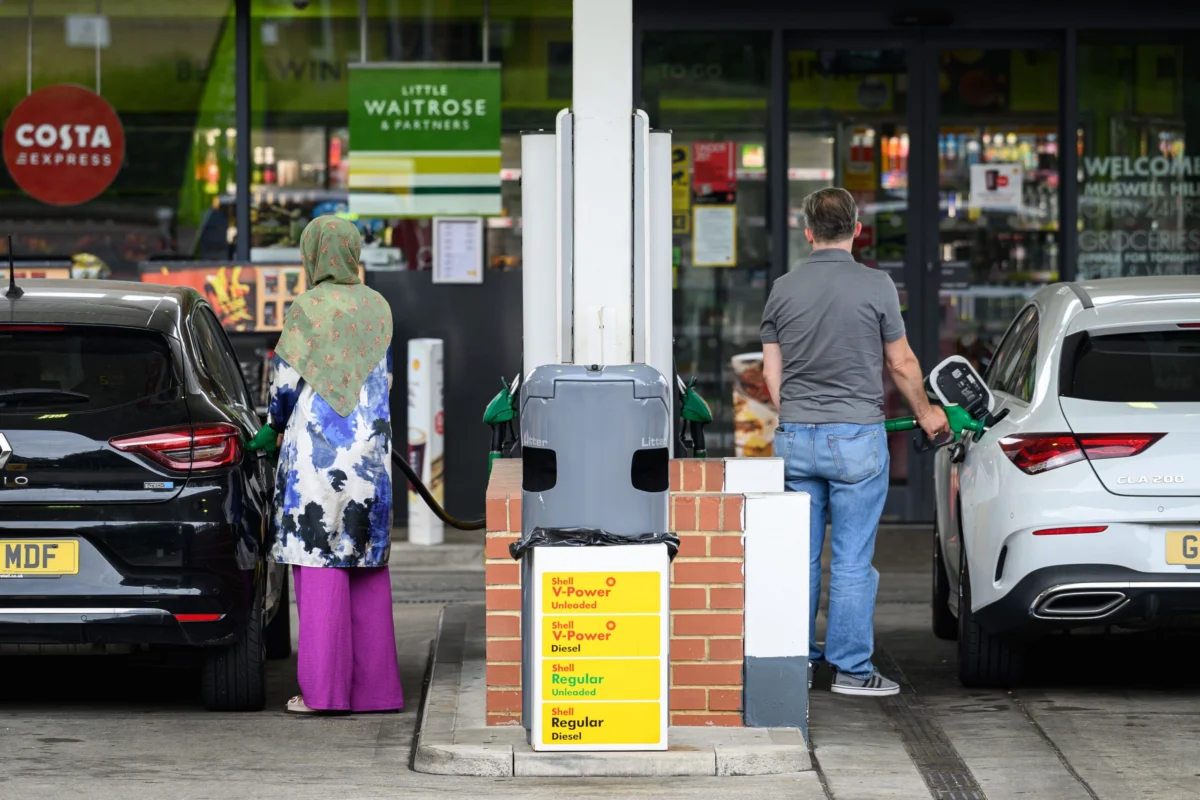
The Office for National Statistics (ONS) confirmed on Wednesday that the dominant factor contributing to the elevated inflation rate was the dramatic rise in motor fuel prices. These costs soared by an alarming 33.2% year-on-year, representing the most substantial annual increase in motor fuel prices since July 2022. That previous peak was directly attributable to the severe energy market disruptions triggered by Russia’s full-scale invasion of Ukraine, highlighting the recurring vulnerability of the UK economy to external energy shocks. The average price of petrol in October stood at 174.7 pence per liter, reflecting a 5.2 pence per liter increase from September, and marking its highest point since August 2022. Diesel prices experienced an even steeper ascent, rising by 7 pence per liter to reach an average of 199.5 pence per liter – an unprecedented high since ONS records for diesel prices began in 1996.
The Geopolitical Undercurrents Driving Energy Prices
The current inflationary surge cannot be fully understood without examining the complex geopolitical developments that have destabilized global energy markets. The UK, being a net energy importer, remains particularly susceptible to such international disruptions. The most significant recent catalyst has been the ongoing U.S.-Iran conflict, which began in late February 2026. This conflict has severely disrupted trade flows through the Strait of Hormuz, a critical maritime chokepoint through which approximately one-fifth of the world’s total oil consumption, and a substantial portion of its liquefied natural gas (LNG), passes daily. Any threat to this vital shipping lane invariably sends ripples of uncertainty and price volatility across global energy markets.
The initial shock of the U.S.-Iran war saw Brent crude oil prices breach the $100 per barrel mark for the first time since May on July 23, 2026, a significant psychological and economic threshold. While oil prices have since retreated from these wartime highs, they remain stubbornly elevated, reflecting sustained supply concerns and heightened risk premiums. The impact of these elevated energy costs is not confined to the UK; major economies worldwide have felt the strain. In the United States, for instance, diesel prices hit an all-time high of $6 per gallon in September 2026, illustrating the global nature of the energy crisis.
The current situation echoes, and in some respects surpasses, the energy market turmoil observed in the wake of the Russia-Ukraine conflict. In 2022, the curtailment of Russian gas supplies to Europe and the subsequent re-orientation of global energy flows led to unprecedented price spikes in both natural gas and crude oil, triggering a widespread cost of living crisis across Europe. While the immediate drivers have shifted from Russian gas to Middle Eastern oil transit, the underlying vulnerability of energy-importing nations like the UK remains a constant. The government had previously implemented an energy price cap, which, after providing some relief, was revised upward in July 2026, further contributing to the upward pressure on household utility bills and, by extension, headline inflation.
Monetary Policy in Focus: The Bank of England’s Response
In response to the escalating inflationary environment, the Bank of England (BoE) took decisive action earlier in November, hiking interest rates for the first time in three years. This move, widely anticipated by financial markets, underscored the central bank’s commitment to bringing inflation back to its 2% target. The Monetary Policy Committee (MPC) cited persistent price pressures, particularly from energy, as a key driver behind their decision.
Following the rate hike, Governor Andrew Bailey issued a stark warning in the bank’s November Monetary Policy Report, cautioning that inflation could potentially reach 5% by mid-2027 if current trends continue. He emphasized the critical link between geopolitical stability and economic outlook, stating that without "real progress towards settling the conflict in the Middle East… risks to energy prices, and so to inflation, are to the upside." This statement highlights the significant external risks that continue to complicate the central bank’s efforts to manage domestic inflation through conventional monetary tools.

Financial markets are keenly watching the BoE’s next steps, with current pricing indicating an approximately 80% chance of another rate hike at the bank’s final meeting of the year. Such a move would reflect the MPC’s determination to anchor inflation expectations and prevent a more entrenched inflationary cycle. However, further rate increases also carry the risk of dampening economic growth, potentially pushing the UK economy closer to a recessionary environment, a delicate balancing act for policymakers.
Broader Economic Implications and Household Impact
The sustained increase in inflation, driven significantly by fuel costs, has profound implications for various segments of the UK economy. For households, the rising cost of petrol and diesel translates directly into higher transportation expenses, eroding disposable incomes already stretched by other inflationary pressures, such as food and utility bills. A 5.2 pence per liter increase in petrol, for example, adds approximately £2.86 to the cost of filling a typical 55-liter car tank. While this might seem modest in isolation, when compounded over weeks and months, and combined with other rising costs, it significantly impacts household budgets, forcing many to cut back on discretionary spending or even essential goods and services.
Consumer confidence, a crucial indicator of future spending and economic activity, is likely to be further undermined by these persistent price rises. Data from various consumer surveys throughout 2026 has shown a consistent decline in optimism regarding personal finances and the broader economic outlook. Organizations like the AA and RAC, representing motorists, have expressed serious concerns about the impact on families and businesses. A spokesperson for the AA recently commented, "These record fuel prices are not just a nuisance; they are a significant burden for millions of households who rely on their vehicles for work, school runs, and essential travel. The government needs to explore all avenues to alleviate this pressure."
Businesses, particularly those heavily reliant on transportation and logistics, are also feeling the pinch. Haulage companies, courier services, and agricultural enterprises face substantially higher operating costs, which are inevitably passed on to consumers in the form of higher prices for goods and services. This creates a vicious cycle, where fuel-driven inflation permeates through the entire supply chain, contributing to broader price increases across the economy. Manufacturing and retail sectors, already grappling with post-pandemic supply chain issues and labor shortages, now face an additional layer of cost pressure that could stifle investment and growth. Small and medium-sized enterprises (SMEs), often operating on tighter margins, are particularly vulnerable to these sudden and sharp cost increases.
Expert Outlook and Future Uncertainties
Scott Gardner, an investment strategist at JPMorgan Personal Investing, offered some nuanced analysis following the inflation release. He noted that a recent climb down in oil prices, observed after the U.S. midterm elections, could offer a short-term reprieve in future inflation readings. This potential dip is likely linked to market expectations of reduced geopolitical tension or increased supply, though the longer-term trend remains uncertain. However, Gardner quickly tempered this optimism, adding, "While this may be a short-term reprieve for motorists, the broader outlook for UK inflation remains challenging as we approach 2027. After hiking interest rates at the start of the month, the Bank will be wary of a sustained uptick in inflation that could be here to stay."
This expert perspective encapsulates the current dilemma facing policymakers. While fleeting improvements in energy prices might offer temporary relief, the underlying structural issues – such as the UK’s energy import dependency and the fragility of global supply chains in a geopolitically fractured world – suggest that inflationary pressures could persist. The Bank of England’s cautious stance reflects its concern that current inflation is not merely a transient phenomenon but could become embedded in wage demands and pricing strategies, leading to a more persistent problem.
Looking ahead, the trajectory of UK inflation will largely depend on a confluence of factors: the evolution of the U.S.-Iran conflict and its impact on the Strait of Hormuz, the broader stability of global energy markets, and the effectiveness of the Bank of England’s monetary policy interventions. Additionally, domestic factors such as wage growth, consumer spending patterns, and government fiscal policy will play a crucial role. The Chancellor of the Exchequer has reiterated the government’s commitment to supporting households and businesses through these challenging times, while emphasizing the need for fiscal responsibility. However, the scope for large-scale fiscal intervention may be limited given existing public debt levels.
The UK economy finds itself at a critical juncture. The October inflation data serves as a stark reminder of the delicate balance between managing domestic economic stability and navigating a turbulent international landscape. As the year draws to a close and 2027 approaches, the challenge for policymakers will be to steer the economy through these headwinds without stifling growth or exacerbating the cost of living crisis that continues to weigh heavily on the nation. The ongoing vigilance of the Bank of England, coupled with the unpredictable nature of global events, ensures that inflation will remain a dominant narrative in the UK’s economic discourse for the foreseeable future.