Lina Wu
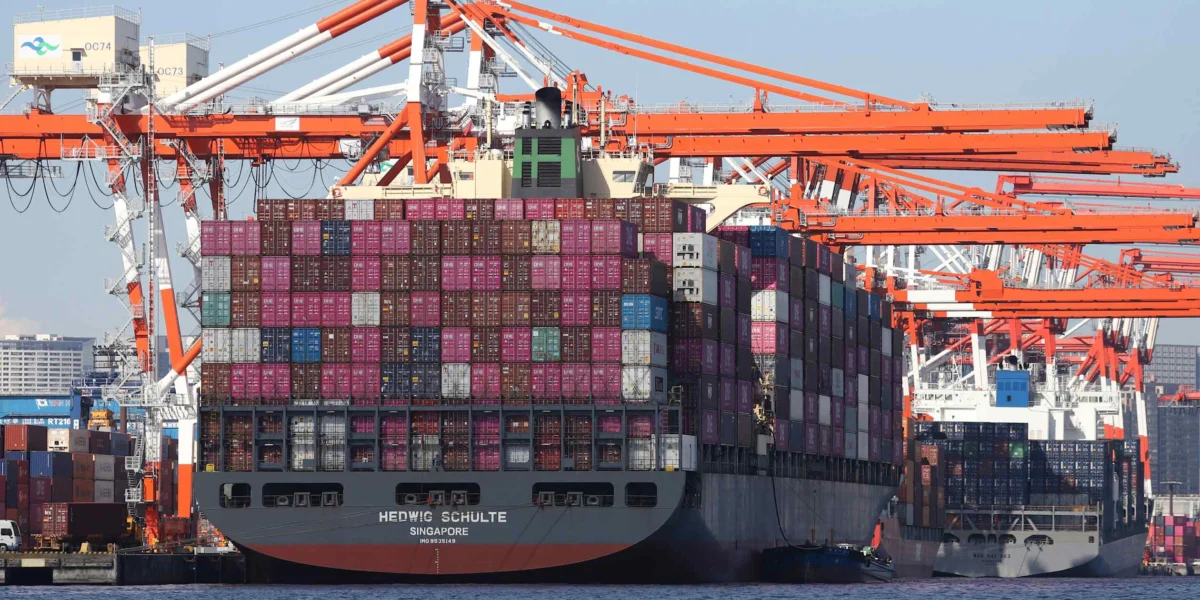
TOKYO – Japan logged a trade deficit for the sixth consecutive month in October, as a rise in imports, driven by elevated global commodity prices, continued to outweigh continuous export growth, according to official data released on Wednesday, November 18, 2026. The persistent imbalance signals ongoing challenges for the world’s third-largest economy as it navigates a complex international trade landscape marked by inflationary pressures and shifting global demand patterns.

October Trade Figures Reveal Persistent Deficit
The Ministry of Finance reported that Japan’s trade deficit for October stood at ¥1.2 trillion (approximately $8 billion USD), a figure that, while substantial, represents a slight narrowing compared to the ¥1.5 trillion deficit recorded in September. This marks the sixth consecutive month of negative trade balance, a streak not seen since the early 2010s, underscoring the sustained pressure on Japan’s external accounts.
Exports, a traditional engine of Japanese economic growth, demonstrated resilience, increasing by 7.5% year-on-year to ¥8.5 trillion. This growth was primarily propelled by a surge in outbound shipments of semiconductors and electronic components, a sector that has seen robust global demand. Automotive exports also contributed positively, although at a more moderate pace, reflecting ongoing supply chain adjustments and a gradual recovery in overseas markets.

However, the gains in exports were eclipsed by a sharper increase in imports, which climbed 15.2% to ¥9.7 trillion. The primary driver of this import surge was the sustained high cost of energy and raw materials. Japan, heavily reliant on imported fossil fuels, faced significantly higher bills for crude oil, liquefied natural gas (LNG), and coal. Additionally, the cost of imported manufactured goods, including intermediate components for its own industrial production, also contributed to the rising import bill. This inflationary pressure on imported goods directly impacts domestic businesses and consumers, contributing to broader economic concerns.
Background: A Shifting Global Trade Environment
The current trade deficit is occurring against a backdrop of significant global economic shifts. For much of the post-World War II era, Japan was characterized by consistent trade surpluses, fueled by its manufacturing prowess and export-oriented economy. However, several factors have gradually eroded this traditional strength.

Firstly, the appreciation of the Japanese yen in previous decades, while beneficial for importers, had made Japanese exports relatively more expensive for international buyers. While the yen has experienced periods of depreciation more recently, the structural shift in global manufacturing, with the rise of competitors in Asia, has also altered the competitive landscape.
Secondly, Japan’s demographic challenges, including an aging population and a declining birthrate, have led to a shrinking domestic workforce and potentially slower overall economic growth. This can influence both export capacity and domestic demand for imported goods.

Thirdly, and most acutely in the current context, global commodity markets have been volatile. Geopolitical events, including conflicts and supply chain disruptions exacerbated by the COVID-19 pandemic, have led to unprecedented spikes in the prices of oil, gas, and other essential raw materials. As a net importer of these commodities, Japan’s import costs have been significantly inflated.
Chronology of Recent Trade Performance
To understand the current situation, a brief look at the recent trade data provides context:

- Early 2026: Japan experienced a series of trade deficits, a trend that began to solidify as import costs continued to rise while export growth remained steady but insufficient to offset the increased expenditure.
- July 2026: The trade deficit widened significantly, signaling a growing concern among economists and policymakers. This period saw a notable acceleration in energy prices.
- September 2026: The deficit continued its persistent trajectory, prompting further analysis of the underlying causes and potential policy responses.
- October 2026: The latest data reveals the sixth consecutive monthly deficit, with imports outpacing exports due to elevated commodity prices, though a slight reduction in the deficit compared to the previous month offered a glimmer of stabilization.
Supporting Data and Analysis
Digging deeper into the trade figures reveals specific trends:
- By Commodity: The trade in goods clearly illustrates the impact of commodity prices. The deficit in mineral fuels (oil, gas, coal) alone contributed a substantial portion to the overall trade shortfall. Conversely, Japan’s trade surplus in machinery and transport equipment, particularly semiconductors and automotive parts, remained a bright spot.
- By Trading Partner: Trade with key partners shows nuanced performance. Exports to the United States and the European Union continued to grow, indicating demand for Japanese high-value goods. However, trade with resource-rich nations often resulted in larger deficits due to Japan’s import dependency. Trade with China, a crucial manufacturing hub and market, remained complex, with both import and export figures reflecting intricate supply chains.
- Impact on Inflation: The elevated cost of imports directly contributes to Japan’s inflation rate. Businesses face higher input costs, which are often passed on to consumers, leading to a general increase in the price level. This is a delicate balancing act for the Bank of Japan, which has maintained an accommodative monetary policy for years to stimulate growth and inflation.
Official Responses and Economic Implications
The Japanese government and the Bank of Japan are closely monitoring the trade situation. While a trade deficit is not inherently catastrophic, a prolonged period of such imbalance can have several implications:

- Currency Pressure: Persistent deficits can put downward pressure on the Japanese yen, as demand for foreign currency to pay for imports rises relative to demand for yen earned from exports. A weaker yen can, however, provide a boost to exporters, creating a potential cyclical effect.
- Economic Growth: While exports are a component of GDP, a sustained trade deficit means that domestic demand is increasingly being met by foreign production, which can temper overall domestic economic growth.
- Fiscal Policy: Policymakers may consider measures to support domestic industries and diversify energy sources to mitigate the impact of volatile global commodity prices. This could include investments in renewable energy, incentives for domestic manufacturing, and strategic trade agreements.
Reactions from Related Parties (Inferred/Logical):
- Industry Leaders: Leaders of export-oriented industries, such as automotive and electronics manufacturers, have likely expressed concern about the sustained cost pressures from imported components and energy. They may be advocating for government support to enhance competitiveness and secure stable supply chains.
- Energy Sector Analysts: Analysts specializing in energy markets would be closely observing global supply and demand dynamics, anticipating how these will continue to influence Japan’s import bills.
- Economists: The broader economic fraternity is likely engaged in robust debate regarding the long-term sustainability of Japan’s economic model in the face of these global trade challenges. Discussions would revolve around the effectiveness of monetary policy in the current environment and the need for structural reforms to bolster domestic productivity and competitiveness.
Broader Impact and Future Outlook
The persistent trade deficit highlights Japan’s vulnerability to global economic shocks and its ongoing transition in the international trade arena. The nation’s reliance on imported energy and raw materials remains a significant factor, and efforts to diversify energy sources and enhance energy efficiency will be crucial for future economic stability.

Looking ahead, the trajectory of global commodity prices, the strength of demand in key export markets, and the effectiveness of government policies aimed at supporting domestic production and innovation will all play a critical role in shaping Japan’s trade balance. While the recent data presents a challenge, the underlying strength of Japan’s export industries, particularly in high-tech sectors, offers a foundation for potential recovery. However, overcoming the structural headwinds and adapting to a more volatile global economic landscape will require continued strategic planning and proactive policy intervention. The coming months will be crucial in determining whether Japan can navigate these challenges and return to a more balanced trade position.