Ella Zulfa
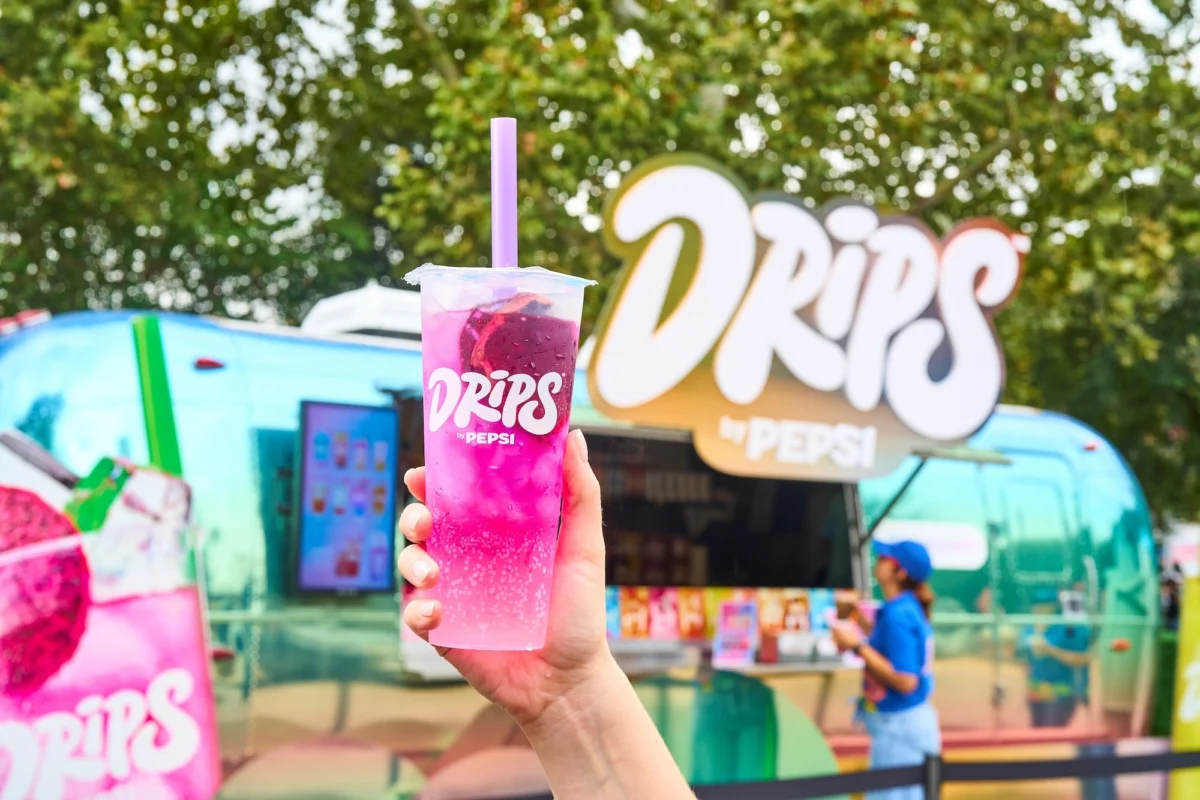
Amidst the roaring engines and electric atmosphere of the Las Vegas Formula 1 Grand Prix, a gleaming, mirror-chrome Airstream trailer stands as a beacon of innovation, offering a unique sensory experience to attendees. This isn’t just a beverage stand; it’s the mobile command center for DRIPS by Pepsi, PepsiCo’s ambitious initiative to tap into the burgeoning "dirty soda" trend and capture the attention of Generation Z. This venture highlights PepsiCo’s strategic pivot towards agile, startup-like operations within its massive corporate structure, demonstrating a commitment to understanding and catering to evolving consumer preferences.
The DRIPS Airstream, a striking visual against the desert landscape, serves as a tangible manifestation of PepsiCo’s experimental approach. It’s here, at high-profile events like the F1 Grand Prix, that the company tests and markets its innovative beverage creations. These aren’t your average sodas; they are custom-crafted concoctions, often featuring a base of classic PepsiCo brands infused with an array of syrups, decadent cold foam, and the playful burst of popping boba. The aesthetic is deliberately "Instagram-worthy," a nod to the social media-driven culture that heavily influences consumer choices, particularly among younger demographics.
A Strategic Play for the Next Generation of Drinkers
PepsiCo’s engagement with younger consumers is a long-standing strategy, dating back to its iconic "Pepsi Generation" campaigns in the 1960s and evolving to "The Choice of a New Generation." The DRIPS initiative represents a modern continuation of this legacy, specifically tailored to the desires of Gen Z. According to Scott Finlow, chief marketing officer of PepsiCo Away From Home, the company observed a clear trend: "Gen Z wanted drinks they could personalize with ‘a little bit of flair, a little bit of fun.’" This desire challenges the traditional notion that only specific beverages, like the classic root beer float, possess inherent personality.
The "dirty soda" phenomenon, which gained significant traction through chains like Swig, a Utah-based drive-thru specializing in customized soda creations, provided PepsiCo with a clear blueprint. Recognizing the demand for highly personalized, indulgent beverage experiences, PepsiCo decided to create its own branded version. The development of DRIPS involved not only crafting a diverse menu of unique drink combinations but also establishing a distinct brand identity and a mobile presence that could connect directly with consumers in dynamic environments. The Airstream trailer, a symbol of mobility and retro cool, allows DRIPS to appear at major festivals such as Austin City Limits and even find a place on the menus of established brands like Saucy, KFC’s chicken-tender chain, and at popular destinations like Vail Resorts, showcasing its adaptability and broad appeal.
The Art and Science of Crafting the "Dirty Soda" Experience
The innovation behind DRIPS lies within PepsiCo’s culinary team, whom Finlow describes as "the magicians behind these drinks." Their process is a blend of trend forecasting, cultural relevance, and culinary expertise. The team actively monitors emerging flavor trends and identifies significant cultural moments, such as the high-octane environment of Formula 1, to create synergistic beverage offerings.
A prime example of this approach was the creation of a banana float for the F1 event, utilizing Mug root beer as the base. This rapid ideation process, where a prevalent flavor trend like bananas can be quickly integrated with a major cultural event like F1, underscores PepsiCo’s agility. "Very rapidly, we can take a flavor trend and then a big moment in culture like F1, and we can then get in the kitchen with those chefs," Finlow explained, highlighting the speed and responsiveness of the DRIPS team.
The DRIPS menu is thoughtfully categorized into "vibe states," ranging from indulgent to refreshing, ensuring a broad appeal. The integration of popular "buzzy" brands like Poppi and Celsius further demonstrates PepsiCo’s awareness of the current beverage landscape. Notably, energy drinks are emerging as a significant base for crafted beverages, reflecting a broader shift among Gen Z towards cold, caffeinated options. This strategic inclusion of energy bases allows DRIPS to cater to a growing segment of the market seeking both flavor and functional benefits.
Crucially, each DRIPS recipe is meticulously designed for seamless integration into restaurant kitchens. This includes optimizing the preparation process, considering the "hand movements" and the time required for each drink. PepsiCo provides its restaurant partners with comprehensive "recipe kits," including pre-portioned ingredients, marketing collateral, and assistance with integrating DRIPS beverages into their point-of-sale systems, thereby minimizing operational friction and maximizing adoption.
From Pop-Ups to Packaged Syrups: The Future of DRIPS
PepsiCo is now actively translating the insights gained from its DRIPS pop-up experiences into scalable products for the broader food service industry. The recent launch of DRIPS by Pepsi Signature Mixes marks a significant step, introducing the company’s first standalone syrups. These no-added-sugar syrups are formulated based on extensive data from DRIPS pop-ups and direct customer feedback. Each of the five initial offerings, such as the tropical-infused "Island Escape" (mango, pineapple, and coconut) and the warm, spiced "Mocha Mood" (chocolate, caramel, and warm spice), combines multiple flavor profiles within a single pump, simplifying the customization process for operators.
Furthermore, PepsiCo is innovating with concentrates, such as a new Lipton Green Tea concentrate designed to be mixed with still or sparkling water. This allows restaurants to easily create refreshing beverages without requiring specialized equipment, further reducing barriers to entry.
Looking ahead, PepsiCo is exploring the establishment of dedicated DRIPS standalone stores in key markets like Austin and New York City. Finlow refers to these as "lab stores," providing a controlled environment to rigorously test pricing strategies, experiment with new flavors, and optimize the speed and efficiency of drink preparation. Concurrently, a DRIPS test kitchen is operating in Manhattan, offering a delivery-only service featuring six distinct flavors, providing another avenue for consumer feedback and product refinement.
Like any nascent startup, the DRIPS team is navigating the complexities of rapid growth and continuous learning. Finlow acknowledges that ensuring the drinks can be consistently and efficiently prepared in high-volume restaurant kitchens remains "the single biggest ongoing challenge." This, coupled with the inherent pressure to scale quickly, creates a "healthy tension" that is all too familiar to entrepreneurs transitioning from the early stages to widespread market adoption.
The success of DRIPS is not merely theoretical. During the U.S. Grand Prix in Austin last month, the DRIPS Airstream trailer generated nearly $10,000 in sales per day, serving an impressive volume of up to 130 drinks per hour during peak times. The most popular item, the "Pole Position," a blend of Pepsi with peach, lime, and lychee jelly, exemplifies the rapid product development cycle, having been conceived and launched in less than a month. This demonstrates the power of agile innovation and the ability of DRIPS to resonate with consumer demand, even for entirely novel flavor combinations. The continued evolution of DRIPS by Pepsi signifies a significant investment by PepsiCo in understanding and shaping the future of beverage consumption, one customized cup at a time.