Ena Muazin
Frankfurt is poised to embark on an ambitious urban development project, transforming an aging railway bridge into a vibrant green space for pedestrians and cyclists. This initiative draws direct inspiration from the highly successful High Line in New York City, a former elevated freight rail line reimagined as a sprawling urban park. The German metropolis aims to emulate this transformative model, breathing new life into its infrastructure and offering its citizens a unique recreational experience.

The Genesis of Elevated Parks: The High Line’s Global Impact
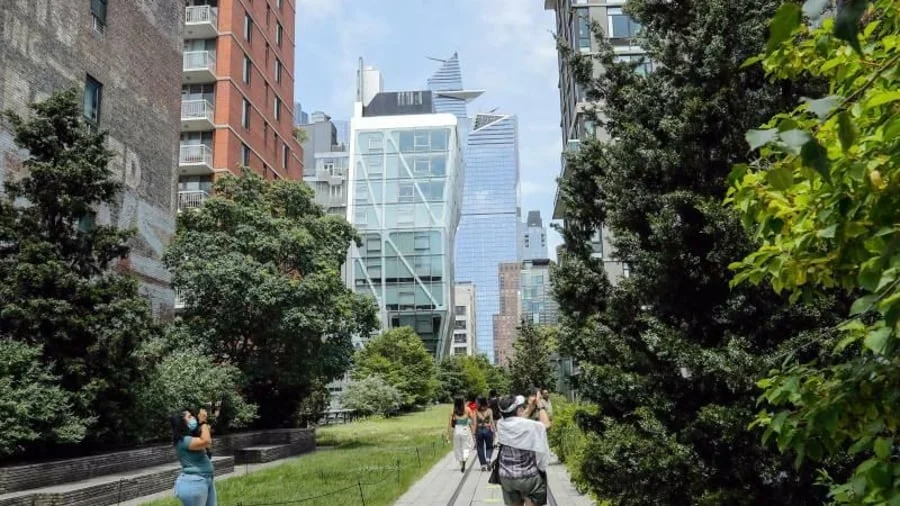
The High Line, a nearly three-kilometer-long linear park on Manhattan’s West Side, has become one of New York City’s most beloved attractions since its transformation from a disused freight rail line. Operational from the 1930s until 1980, the elevated railway was slated for demolition. However, a passionate neighborhood initiative championed its preservation and envisioned its rebirth as a public park. In 2004, under the significant support of then-Mayor Michael Bloomberg, the High Line’s redevelopment was officially approved.
The project, spanning years of meticulous planning and reconstruction, saw its first section open in June 2009. Today, the High Line stands as a globally recognized exemplar of urban renewal. It masterfully integrates public art, natural landscapes, and striking contemporary architecture, offering visitors an elevated perspective of the city as they stroll through a verdant oasis. The park attracts an estimated eight million visitors annually, underscoring its immense popularity and its role in revitalizing the surrounding Chelsea and Meatpacking districts. Its success has not only enhanced the quality of life for residents but also spurred significant economic development and property value increases in the adjacent areas, demonstrating the potent economic and social dividends of such visionary urban projects.

Frankfurt’s Vision: A Green Artery Over the Main
Now, a German metropolis is set to embrace this innovative concept. Frankfurt, Germany’s financial hub, is planning to convert an existing railway bridge into a green pathway, following the precedent set by New York’s High Line. The project, envisioned for the city’s Ostend district, aims to create a significant urban green space on an old railway bridge, a development that city planners believe will be unprecedented in Germany.
The impetus for this project stems from a practical necessity: Deutsche Bahn, Germany’s national railway company, must replace the 113-year-old Deutschherrnbrücke with a new structure adjacent to it. However, due to its historical significance and monument protection status, the old bridge, located near the European Central Bank (ECB), cannot be demolished. Instead, its structural integrity has been deemed sufficient for future use by pedestrians and cyclists, paving the way for its transformation into a public amenity.
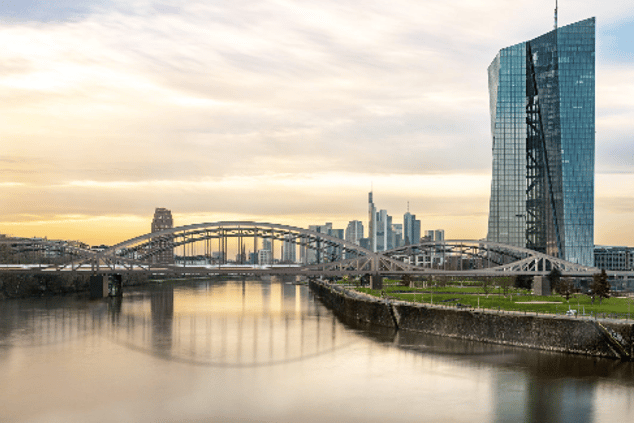
City planning officials, including Marcus Gwechenberger (Department of Urban Planning) and Yannick Schwander (Department of Transportation), have highlighted the potential of this project to enrich the urban fabric. Schwander emphasized the efficient use of limited space, stating, "On a confined area, we can accommodate many uses." This includes provisions for a pedestrian walkway, a bicycle path, seating areas, a designated photo spot, and integrated greenery in planters.
While the Frankfurt project shares the core concept of repurposing infrastructure for public green space, it differs in its context from the High Line. Unlike the New York park, which winds through densely populated and historically rich Manhattan neighborhoods offering constantly shifting urban vistas, Frankfurt’s green bridge will traverse the edge of the city center. This location may offer fewer dynamically changing panoramas. Nevertheless, planners are optimistic about its potential to become a striking feature of the cityscape, with Schwander promising that the ensemble, combined with the new bridge, will be a "real eye-catcher." The project is projected to unfold over the next decade, marking a significant long-term investment in Frankfurt’s urban landscape.
The Global Precedent: Paris’s Pioneering Promenade
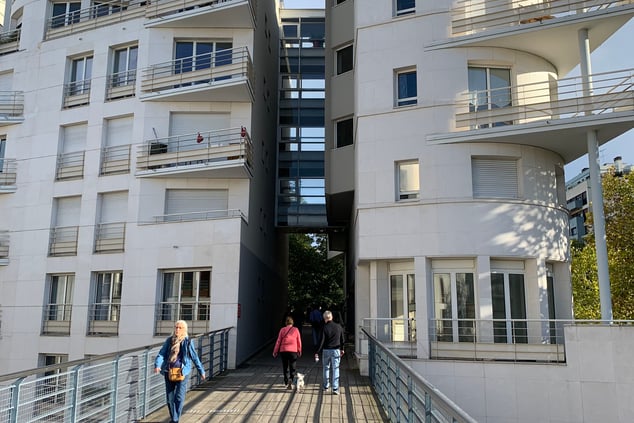
Interestingly, the fundamental idea of converting disused railway lines into public parks did not originate in the United States but in France. The Promenade plantée, later renamed Coulée verte René-Dumont, was established in Paris as early as the late 1980s. This pioneering project transformed an old elevated railway viaduct into a vibrant public green space, spanning 4.7 kilometers through the 12th arrondissement.
The Coulée verte René-Dumont stretches from the Bastille area to near the Bois de Vincennes. As visitors walk along this elevated path, they are immersed in lush gardens featuring roses, bamboo, and climbing plants. The promenade occasionally runs at the height of surrounding building facades and even passes through structures, offering a unique urban perspective and a tranquil escape from the bustling city below. It is widely recognized as the world’s first elevated park on a former railway line, setting a crucial precedent for subsequent projects like New York’s High Line. The success of the Coulée verte demonstrates the long-standing potential of such infrastructure repurposing for urban well-being and aesthetic enhancement.

A Cautionary Tale: The Demise of London’s Garden Bridge
Not all ambitious elevated park projects have come to fruition. In 2014, London embarked on plans for the "Garden Bridge," a proposal for a verdant crossing over the River Thames. This envisioned a bridge adorned with 270 trees and hundreds of shrubs and bushes, intended to connect the South Bank with the Temple Underground station. The project was ambitiously styled as a potential "eighth wonder of the world," aiming to rival historical marvels like the Hanging Gardens of Babylon.
However, the Garden Bridge project ultimately faltered due to financial challenges. The estimated cost ballooned to £175 million. While a combination of donations through a trust model and public funds was intended to cover these expenses, critics argued that the figure was disproportionately high compared to other Thames bridges.

A shift in London’s political landscape proved to be the project’s undoing. Following a change in mayoral leadership, the new Mayor, Sadiq Khan, withdrew public funding. His rationale was that London already possessed sufficient bridges and that taxpayer money should not be allocated to this particular project. This decision highlighted the critical importance of sustained political will, realistic financial planning, and public consensus in realizing large-scale urban infrastructure initiatives. The failure of the Garden Bridge serves as a stark reminder that while the concept of elevated green spaces is appealing, its practical implementation is fraught with potential obstacles.
Broader Implications and Future Outlook
The Frankfurt green bridge project, while inspired by global successes, also faces its own unique set of challenges and opportunities. Its location on the periphery of the city center means it may not achieve the same level of dynamic urban immersion as the High Line. However, its integration with the new Deutschherrnbrücke promises a modern architectural statement. The project’s success will likely hinge on its ability to foster community engagement, secure consistent funding throughout its multi-year development, and effectively manage the integration of greenery and public amenities within the constraints of a historic bridge structure.

The trend of repurposing disused infrastructure for public green spaces reflects a growing global awareness of the need for sustainable urban development, improved quality of life, and the creation of accessible, aesthetically pleasing public realms. These projects not only offer recreational benefits but also contribute to environmental sustainability by increasing green cover, supporting biodiversity, and mitigating the urban heat island effect. Furthermore, they can stimulate local economies by attracting tourism, creating jobs, and encouraging the development of adjacent businesses.
As Frankfurt moves forward with its green bridge initiative, it joins a growing international movement that views urban infrastructure not merely as a functional necessity but as a canvas for creative revitalization and community enrichment. The success of this project will be closely watched, potentially inspiring further innovative urban planning solutions across Germany and beyond, demonstrating how historical structures can be thoughtfully preserved and transformed into valuable assets for future generations. The ongoing evolution of urban design, prioritizing green infrastructure and the well-being of its inhabitants, suggests that projects like Frankfurt’s green bridge are not just aspirational but essential components of resilient and thriving 21st-century cities.