Ena Muazin
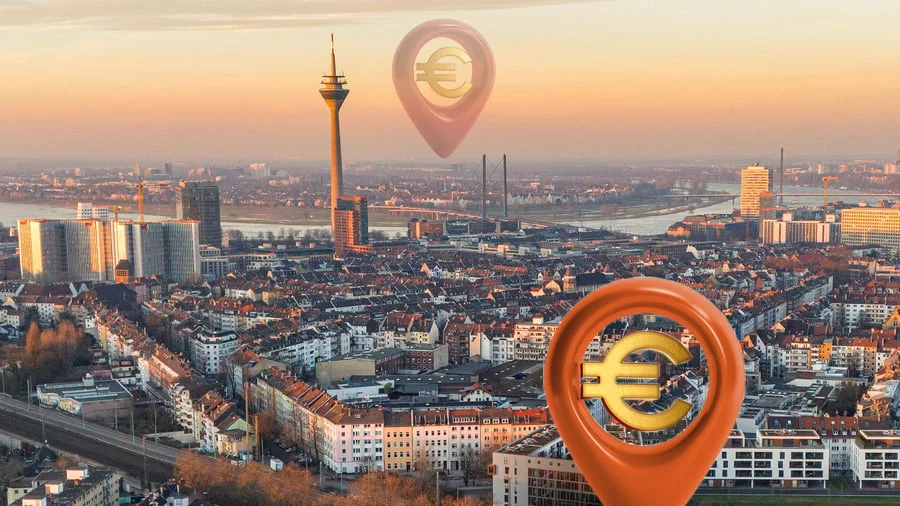
Düsseldorf, a city synonymous with economic dynamism and a high quality of life, also stands as one of Germany’s most expensive metropolitan areas for real estate. This premium price tag often pushes potential homeowners and investors to explore surrounding regions for more affordable living options. A recent exclusive analysis, obtained by Handelsblatt, delves into which neighboring municipalities offer the most attractive prospects for those who work in the NRW state capital but seek a more budget-friendly base. The findings reveal that while Düsseldorf’s allure remains strong, strategic relocation to neighboring towns can yield significant long-term financial benefits, particularly for commuters.
The Rising Tide of Housing Costs in Düsseldorf
Düsseldorf’s real estate market has experienced a consistent upward trend for years, driven by its status as a major economic hub, a significant center for international business, and its desirable lifestyle offerings. The city boasts a robust job market, particularly in sectors like finance, consulting, telecommunications, and advertising, attracting a skilled workforce from across Germany and abroad. This influx of professionals, coupled with limited housing supply, has inevitably led to soaring property prices and rental rates. As of the latest available data, the average price per square meter for apartments in Düsseldorf hovers around €4,500 to €5,500, with prime locations commanding even higher figures. For single-family homes, the figures can easily exceed €8,000 per square meter. These statistics paint a clear picture: direct investment within Düsseldorf’s city limits is a considerable financial undertaking.
Emerging Opportunities in Neighboring Municipalities
The economic realities of Düsseldorf’s housing market necessitate a broader perspective, prompting a closer examination of its surrounding areas. The analysis highlights that several towns, while offering a commute of manageable duration, present a significantly more accessible entry point into property ownership. These areas often combine attractive living conditions with a more favorable price-performance ratio, making them ideal for individuals and families prioritizing financial prudence without sacrificing proximity to their place of employment.
Key Findings of the Analysis:
The exclusive analysis, conducted by the Hamburg Institute of World Economics (HWWI) on behalf of Postbank, identified specific municipalities where the price advantage over Düsseldorf is sustained over decades. This implies that not only is the initial purchase price lower, but the long-term appreciation potential and rental yields in these areas can offer a more compelling investment case for commuters.

-
Duisburg-Wedau: A Case Study in Urban Development
One of the most prominent examples featured in the study is Duisburg-Wedau, located approximately 20 kilometers from Düsseldorf as the crow flies. This area is undergoing a massive transformation with the "6-Seen-Wedau" urban development project. Spanning an area equivalent to 126 football fields, this former shunting yard is being reimagined into a new district over the next decade. The project aims to create a vibrant community with 3,000 new residential units, essential local amenities, and leisure facilities, all situated around the scenic Sechs-Seen-Platte (Six Lakes Plateau).
For professionals working in Düsseldorf, Duisburg-Wedau presents a compelling alternative. Proximity to the A3 and B8 motorways allows for a car commute to Düsseldorf’s city center in roughly 30 minutes. Public transport options extend this travel time by about ten minutes. Michael Buchholz, managing director of Nerra (a municipal company for spatial and neighborhood development), notes, "Duisburg-Wedau offers an interesting living alternative for people working in Düsseldorf." This strategic location, combined with the ambitious development plans, positions Duisburg-Wedau as a burgeoning residential hub.
-
Sustained Price Advantages Beyond Duisburg
The HWWI analysis indicates that the price advantage offered by Duisburg compared to Düsseldorf persists for an extended period. This suggests that property values in Duisburg have not caught up to the rapid ascent seen in the state capital, offering a tangible financial benefit to buyers. However, Duisburg is not the sole contender. The study identified other municipalities where commuters can realize substantial savings over decades. These areas often benefit from good transport links, a well-developed infrastructure, and a more relaxed pace of life, appealing to a diverse range of residents.
The Broader Context: Real Estate Trends in the Rhine-Ruhr Metropolitan Region
The findings of the HWWI analysis are set against the backdrop of broader real estate trends within the Rhine-Ruhr metropolitan region, one of Europe’s largest urban conurbations. This region, characterized by its interconnected cities and robust infrastructure, has seen varying levels of property price growth. While major centers like Düsseldorf, Cologne, and Essen have experienced significant increases, the peripheral areas have often lagged, creating these "commuter sweet spots."
Historical Perspective on Property Values:
- Pre-2010s: Property prices across the Rhine-Ruhr region were relatively stable, with Düsseldorf showing moderate growth. Commuting was often a matter of preference rather than a necessity driven by cost.
- Post-2010s: The economic recovery and low-interest-rate environment fueled a surge in real estate demand nationwide. Düsseldorf, as a prime economic location, saw its property values escalate rapidly. This trend extended to other major cities but at a less pronounced rate.
- Recent Years: While interest rates have begun to rise, impacting affordability, the demand for housing in desirable locations like Düsseldorf remains robust, albeit with a potential moderation in price increases. This sustained demand in the core city further amplifies the attractiveness of surrounding, more affordable areas.
Factors Driving Commuter Appeal
Several key factors contribute to the attractiveness of these outlying municipalities for Düsseldorf commuters:
- Affordability: This remains the primary driver. Lower purchase prices and rental rates free up capital for other investments or allow for larger living spaces.
- Quality of Life: Many of these towns offer a more tranquil environment, greener surroundings, and a stronger sense of community compared to the bustling urban landscape of Düsseldorf. Access to nature, recreational areas, and family-friendly amenities often plays a significant role.
- Infrastructure Development: Commendable investments in public transportation networks, including S-Bahn and regional train lines, have significantly reduced travel times. The expansion and modernization of road networks, such as the A3 and A40/A42 corridors, also enhance connectivity.
- Urban Redevelopment Projects: Initiatives like the one in Duisburg-Wedau are transforming former industrial or underutilized areas into desirable residential zones, complete with modern infrastructure and amenities, making them attractive to a new generation of homeowners.
- Investment Potential: For astute investors, these areas represent an opportunity to acquire property at a lower entry cost, anticipating future growth as the desirability of these locations increases and urban sprawl continues.
Analyzing the Long-Term Implications
The trend of seeking more affordable housing in surrounding areas has several significant implications:
- Economic Diversification: It encourages economic activity and development in the peripheral municipalities, potentially leading to job creation and improved local services.
- Reduced Urban Congestion: By distributing residential populations more evenly, it can help alleviate pressure on infrastructure and public services within the core city of Düsseldorf.
- Environmental Considerations: While longer commutes can increase carbon emissions, the development of integrated public transport networks and the potential for more energy-efficient housing in new developments can mitigate some environmental impacts.
- Social Integration: The influx of new residents can foster social diversity and introduce new perspectives to established communities. However, careful planning is needed to ensure harmonious integration and prevent gentrification that displaces long-term residents.
- Real Estate Market Dynamics: This trend contributes to a more balanced real estate market across the entire region, preventing excessive price bubbles in the core city and fostering sustainable growth in surrounding areas.
Official Responses and Future Outlook
Local authorities in both Düsseldorf and its surrounding municipalities are increasingly aware of these demographic and economic shifts. While Düsseldorf continues to focus on attracting high-value businesses and residents, it also recognizes the need for more affordable housing solutions within the city itself. This often involves complex zoning regulations and urban planning initiatives.
Meanwhile, municipalities that stand to benefit from this commuter trend are actively promoting their strengths. Investment in infrastructure, the development of new residential areas, and the enhancement of local amenities are common strategies. The "6-Seen-Wedau" project in Duisburg is a prime example of a proactive approach to urban development that directly addresses the needs of a broader regional population.
Looking ahead, the trend of commuters seeking value in the real estate market around major economic centers like Düsseldorf is likely to persist. Factors such as interest rate fluctuations, economic growth, and ongoing urban development projects will continue to shape these dynamics. The HWWI analysis provides a valuable roadmap for individuals and investors navigating this evolving landscape, underscoring the importance of strategic location and long-term financial planning in today’s competitive real estate market. The ability to balance career aspirations in a thriving city with the financial prudence of residing in a more accessible locale remains a key consideration for many.