Farhan Pambudi
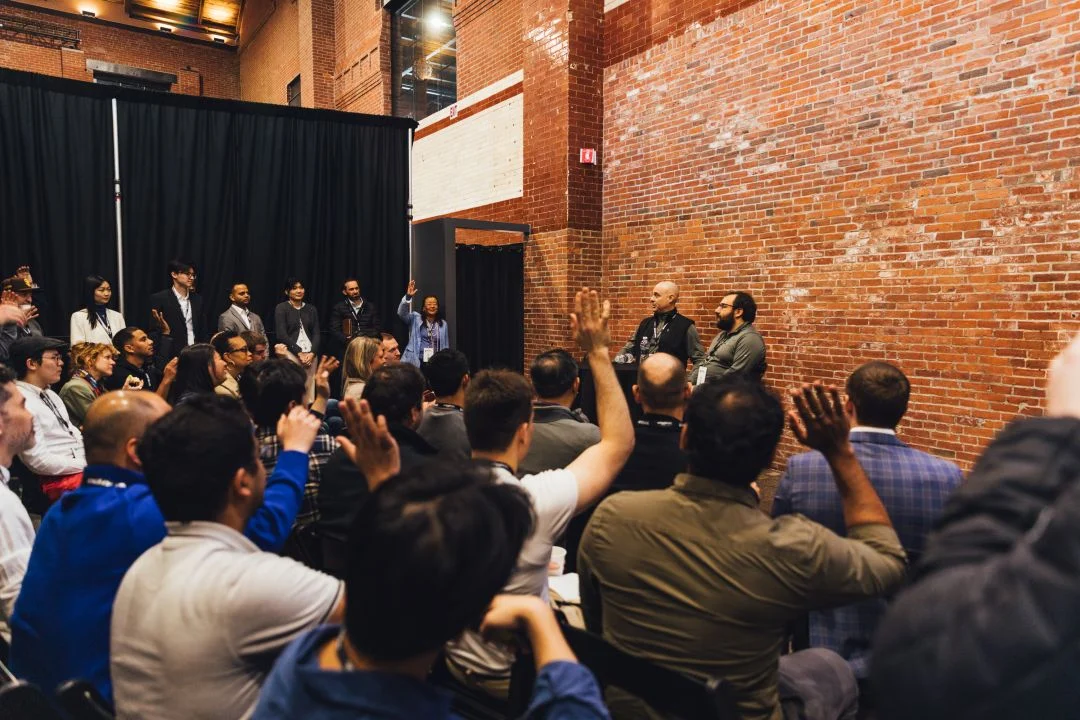
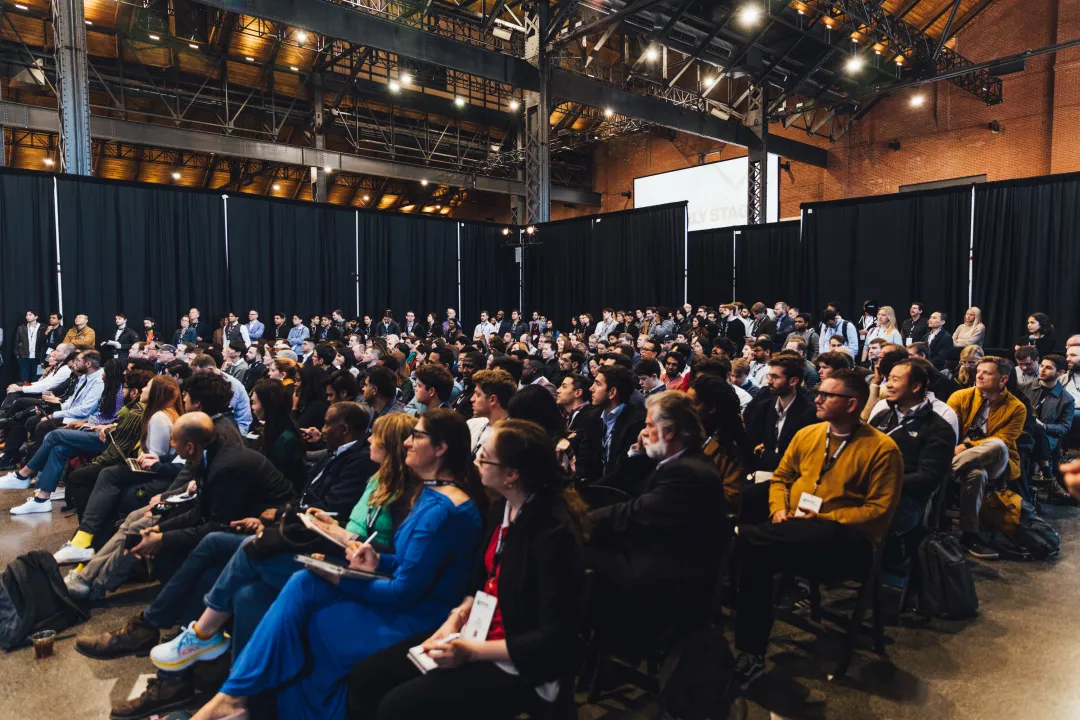
The TechCrunch Founder Summit, presented in partnership with Fidelity Private Shares, is scheduled to take place on November 4, 2026, at the SoWa Power Station in Boston, marking a significant gathering for the New England entrepreneurial ecosystem. With only five days remaining until the doors open, the event is positioned not as a traditional high-level conference, but as a concentrated, hands-on workshop environment designed to address the specific hurdles of building and scaling a modern technology company. The summit aims to move beyond theoretical discourse, offering founders direct access to actionable advice through two dedicated breakout stages and a series of interactive roundtables.
As the venture capital landscape continues to evolve in the mid-2020s, the focus for many early-stage companies has shifted from "growth at all costs" to sustainable unit economics and rapid product-market fit. The 2026 Founder Summit is structured to reflect these industry shifts, providing a curriculum that balances aggressive distribution strategies with the operational discipline required to navigate a competitive funding environment. By hosting the event in Boston, a city that remains a global leader in biotechnology, robotics, and artificial intelligence, TechCrunch is tapping into a dense concentration of technical talent and institutional capital.
A Strategic Approach to Company Building: The Build Stage
The Build Stage serves as the tactical heart of the summit, focusing on the foundational elements required to transition from a conceptual framework to a viable, growing enterprise. In the current economic climate, the "Build" phase of a startup is fraught with complexities, particularly regarding the integration of artificial intelligence and the shifting requirements of venture capitalists.
Sessions on the Build Stage are curated to provide granular insights into distribution and fundraising. Industry data suggests that while seed-stage funding has remained relatively resilient, the bar for Series A and Series B rounds has risen significantly. Founders attending the summit will receive direct guidance on what investors are currently prioritizing, including a deeper focus on capital efficiency and clear paths to profitability.
Furthermore, the Build Stage will address the critical role of distribution. In a saturated digital market, the technology itself is often secondary to the ability to reach and retain a customer base. Experts will discuss why distribution models are now considered as vital as the core product architecture. This includes sessions on leveraging AI for marketing automation and identifying emerging opportunities within the AI value chain—topics that have become essential for any founder looking to maintain a competitive edge in 2026.

Scaling with Purpose: The Impact Stage
While the Build Stage addresses the "how" of starting, the Impact Stage is dedicated to the "what next" of scaling. Scaling a business involves a different set of challenges, ranging from culture preservation to managing complex enterprise relationships. The Impact Stage at the Founder Summit focuses on the decisions that enable a founder to build a sustainable and scalable business model.
Key themes on this stage include finding and maintaining product-market fit—a target that often moves as a company grows. Founders will hear from experienced leaders who have successfully navigated the transition from a small team to a large organization. These discussions will cover the timing of growth acceleration, identifying when to lean into a market and when to pivot to avoid stagnation.
A significant portion of the Impact Stage will be dedicated to enterprise sales and strategic partnerships. For many startups, landing a major corporate client can be the difference between failure and long-term viability. The sessions will explore how to position a young company to win trust from established industry giants and how to identify future category leaders before they become mainstream. This stage emphasizes the importance of building for longevity, ensuring that growth does not come at the expense of the company’s core mission or financial health.
Interactive Problem-Solving: The Roundtable Sessions
One of the most distinctive features of the TechCrunch Founder Summit is its emphasis on small-group interaction through its roundtable sessions. These are designed to break down the barrier between speaker and audience, allowing for a bidirectional exchange of ideas. In these smaller settings, founders can bring specific, high-stakes questions to the table, receiving feedback from both peers and industry veterans.
The 2026 roundtables will tackle some of the most pressing technical and operational issues facing today’s startups. One major area of focus is the mitigation of AI hallucinations—a persistent challenge for companies integrating generative AI into their customer-facing products. Technical founders will have the opportunity to compare notes on prompt engineering, retrieval-augmented generation (RAG), and other methods for ensuring data integrity.
Other roundtable topics include:

- Navigating Regulated Industries: Strategies for entering difficult sectors like fintech, healthcare, and energy.
- Lean Team Dynamics: How startups can use AI and automation to compete with much larger organizations without significantly increasing their headcount.
- Event and Community Strategy: Building brand presence and community engagement without the budget of a dedicated marketing team.
- Enterprise Sales for Early-Stage Startups: Practical advice on securing major contracts before reaching a Series A funding milestone.
By facilitating these focused discussions, the summit provides a platform for founders to troubleshoot their unique problems in real-time, fostering a level of intimacy that is often lost in larger tech conferences.
The Boston Context: A Hub for Innovation
The selection of Boston and the SoWa Power Station as the venue for the 2026 Summit is a deliberate nod to the region’s enduring status as a premier innovation hub. According to recent venture capital reports, the Boston-Cambridge area continues to rank among the top three ecosystems in the United States for total investment volume. The region’s proximity to world-class research institutions like MIT and Harvard ensures a steady pipeline of deep-tech and life-sciences startups.
Hosting the summit at the SoWa Power Station—a historic industrial space turned modern event venue—symbolizes the intersection of Boston’s traditional industrial roots and its future-facing technology sector. The event is expected to draw a diverse crowd of local founders, as well as participants from across the East Coast, creating a networking environment that is both geographically relevant and broad in its industry scope.
The Role of Fidelity Private Shares
Fidelity Private Shares serves as the presenting sponsor for the event, highlighting the increasing convergence between financial services and startup operations. As startups stay private for longer, the management of private shares, cap tables, and equity compensation has become increasingly complex. Fidelity’s involvement underscores the need for founders to have robust financial infrastructure in place from the earliest stages of their company’s lifecycle. Their presence at the summit provides founders with a resource for understanding the legal and financial requirements of equity management, which is essential for maintaining investor confidence and employee morale.
Chronology and Logistics
The lead-up to the November 4 event has been marked by a series of regional previews and digital engagement initiatives. TechCrunch has utilized its platform to highlight the speakers and sessions that will define the summit, building momentum within the startup community.
The schedule for the day is designed to maximize efficiency:

- Morning Sessions: Kickoff with keynote addresses followed by the first round of Build and Impact stage breakouts.
- Midday: Transition to the first series of interactive roundtables and networking lunches.
- Afternoon: Specialized deep-dives into AI integration and enterprise scaling, concluding with a final round of collaborative sessions.
- Evening: Networking reception designed to solidify the connections made throughout the day.
Registration for the event remains open, with current incentives including a $100 discount on passes and a "buy one, get one free" offer for founders looking to bring a co-founder or team member. These promotions are intended to lower the barrier to entry, ensuring that the summit remains accessible to early-stage teams with limited resources.
Analysis: The Importance of Peer-to-Peer Networks in 2026
The TechCrunch Founder Summit 2026 arrives at a time when the "founder journey" is being redefined. The isolation often felt by startup leaders is being countered by a growing trend toward peer-to-peer learning and community-driven problem-solving. In an era where information is abundant but high-quality, actionable insight is rare, events like the Founder Summit serve a critical function.
The emphasis on participation over observation is a strategic response to the needs of the 2026 founder. With the rapid pace of technological change—particularly in the realm of AI—founders can no longer afford to wait for annual industry reports to adjust their strategies. They require real-time feedback and a network of peers who are facing similar challenges.
By focusing on the "tactical" and the "practical," TechCrunch is positioning the Founder Summit as an essential pit stop for companies looking to transition from survival to scale. The success of the event will likely be measured not just by the number of attendees, but by the number of connections made and the clarity of the "path forward" for the participating founders. As the Boston startup hub prepares to convene on November 4, the industry will be watching to see how the next generation of leaders navigates the complexities of the modern tech landscape.