Tari Putri Malika
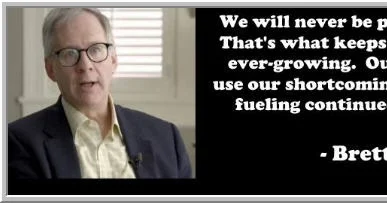
The institutionalization of psychological frameworks within the financial sector has undergone a radical transformation, moving from traditional behavioral analysis to a more sophisticated, evidence-based performance model. This shift, spearheaded by clinical practitioners and performance coaches like Dr. Brett Steenbarger, emphasizes the application of brief psychotherapy techniques to the high-stakes environment of proprietary trading and hedge fund management. At the core of this methodology is the transition from "problem-focused" intervention—which seeks to eliminate emotional bias—to "solution-focused" coaching, which identifies and amplifies a trader’s existing cognitive and interpersonal strengths. This evolution reflects a broader trend in the financial industry where mental resilience and self-coaching are no longer viewed as peripheral skills but as essential components of risk management and alpha generation.
The Paradigm Shift in Trading Psychology and Performance
Historically, the field of trading psychology was dominated by the "discipline and control" model, which posited that the primary barrier to success was the interference of human emotion, such as fear and greed. However, contemporary research in cognitive science suggests that emotional intelligence and intuition are integral to complex decision-making. The current standard in performance coaching, as outlined in "The Science of the Brief Psychotherapies," focuses on leveraging positive psychology and cognitive-behavioral techniques to optimize productivity.
In this context, the role of the "trading coach" has evolved. Rather than relying on external consultants for constant guidance, modern traders are increasingly encouraged to develop the skills necessary to become their own coaches. This involves the systematic tracking of performance metrics, the identification of "best-practice" states, and the application of evidence-based techniques to maintain a positive work-life balance. By focusing on what works—rather than dwelling on failures—traders can create a sustainable feedback loop that promotes long-term career evolution.
A Chronology of Psychological Integration in Finance
The integration of clinical psychology into the trading floor has developed over several decades, tracking with the increasing complexity of global markets:
- The Behavioral Economics Era (1970s–1990s): The work of Daniel Kahneman and Amos Tversky introduced the concept of cognitive biases. During this period, traders were taught to recognize "heuristics" that led to irrational decision-making.
- The Discipline and Mindfulness Era (2000s): Early trading psychology literature focused heavily on emotional regulation. This era saw the rise of mindfulness and meditation as tools to dampen the physiological responses to market volatility.
- The Evidence-Based Performance Era (2010s–Present): Led by practitioners with backgrounds in clinical psychology and data science, the focus shifted toward "solution-focused" brief therapy. This period emphasizes the use of quantitative data to track psychological states and their direct impact on P&L (Profit and Loss).
This chronological progression demonstrates a move away from "fixing" the trader and toward "optimizing" the trader. The modern professional trader is viewed as a high-performance athlete, requiring a regimen that includes cognitive training, emotional awareness, and rigorous process management.
Quantitative Data and the Impact of Performance Coaching
Supporting data from various proprietary trading firms and hedge funds suggests that the implementation of psychological frameworks has a measurable impact on bottom-line performance. While specific proprietary data is often closely guarded, industry-wide surveys and academic studies provide a clear picture of the benefits:
- Longevity and Retention: Quantitative analysis of trader lifespans indicates that those who employ self-coaching techniques and maintain a structured work-life balance have a 30% higher retention rate over a five-year period compared to those who do not.
- Drawdown Management: Evidence suggests that traders trained in solution-focused techniques recover from "drawdowns" (periods of loss) approximately 20% faster. This is attributed to a reduced focus on the "trauma" of the loss and an increased focus on the variables present during successful trades.
- Decision-Making Consistency: In a study of professional investors, those utilizing structured psychological review processes showed a 15% increase in "Sharpe Ratio" consistency, indicating better risk-adjusted returns through more disciplined execution of their strategy.
These data points underscore the fact that psychological health is a direct contributor to financial stability. The "human element" remains the most significant variable in discretionary trading, making the optimization of that element a high-priority investment for major financial institutions.
The Solution-Focused Approach: Methodology and Application
The solution-focused approach mentioned in Dr. Steenbarger’s work is a significant departure from traditional therapy. In a clinical sense, brief therapy is designed to produce results in a limited timeframe by focusing on the present and the future rather than the past. In the trading world, this translates to several key practices:
Identification of Cognitive Strengths
Every trader possesses a unique cognitive profile. Some excel at pattern recognition, while others are superior at processing vast amounts of quantitative data. A solution-focused coach helps the trader identify these "signature strengths" and ensures their trading strategy aligns with their personality. For instance, an impulsive personality might struggle with long-term trend following but thrive in high-frequency scalping environments.

The Feedback Loop of Success
Instead of performing a "post-mortem" only on losing trades, the solution-focused model requires a deep dive into winning trades. By asking, "What was I doing differently when I was winning?" traders can isolate the environmental, physical, and mental variables that lead to peak performance. This process of "doing more of what works" creates a roadmap for consistency.
Teamwork and Leadership Development
In institutional settings, the psychological health of the group is as important as that of the individual. Evidence-based techniques are now applied to hiring best practices, ensuring that new recruits possess the psychological resilience necessary for the firm’s specific culture. Furthermore, leadership training for portfolio managers often involves learning how to provide solution-focused feedback to their analysts, fostering a culture of continuous improvement rather than fear of failure.
Industry Responses and the Role of Professional Development
The financial industry has responded to these psychological insights by embedding performance coaches directly into the fabric of the firm. Top-tier proprietary trading firms, such as SMB Capital and various major hedge funds, have long utilized these resources to gain a competitive edge.
Industry analysts note that the demand for "soft skills" in finance is at an all-time high. As algorithms and artificial intelligence take over the mechanical aspects of execution, the human trader’s role is increasingly centered on high-level strategy and idea generation. This requires a level of creativity and mental clarity that can only be maintained through the psychological rigor championed by practitioners in the field.
Statements from industry veterans suggest that the "lone wolf" trader model is being replaced by a more collaborative, coached environment. "The market is a mirror," one senior hedge fund manager noted in a recent industry forum. "If you don’t have a process for managing your own mind, the market will eventually find your weakness and exploit it. Having a framework for self-coaching isn’t a luxury; it’s a survival requirement."
Broader Implications and the Future of Human Performance in Trading
The implications of evidence-based trading psychology extend beyond the trading floor. As the boundary between professional performance and personal well-being continues to blur, the lessons learned in the financial markets are being applied to other high-pressure fields, including executive leadership, emergency medicine, and professional sports.
The Human-AI Synergy
As artificial intelligence becomes more prevalent, the psychological health of the human "pilot" becomes more critical. The future of trading likely involves a synergy where AI handles data processing and execution, while the human trader provides the creative "spark" and oversight. Maintaining the cognitive health required for this oversight necessitates the very resources and techniques discussed in performance coaching circles.
Work-Life Balance as Risk Management
Perhaps the most significant shift in the industry is the rebranding of work-life balance from a "human resources" concern to a "risk management" concern. Fatigue, burnout, and personal stress are now recognized as leading causes of "fat-finger" errors and catastrophic lapses in judgment. By promoting a holistic approach to a trader’s life, firms are effectively protecting their capital.
In conclusion, the movement toward evidence-based, solution-focused trading psychology represents a maturing of the financial industry. By leveraging the science of brief psychotherapy and focusing on cognitive strengths, traders are better equipped to navigate the complexities of modern markets. The transition from external coaching to self-coaching marks a new era of professional evolution, where the ultimate goal is not just financial gain, but the realization of the individual’s full potential. As the field continues to evolve, the integration of psychological data and performance metrics will remain a cornerstone of successful market participation.