Putri Inara
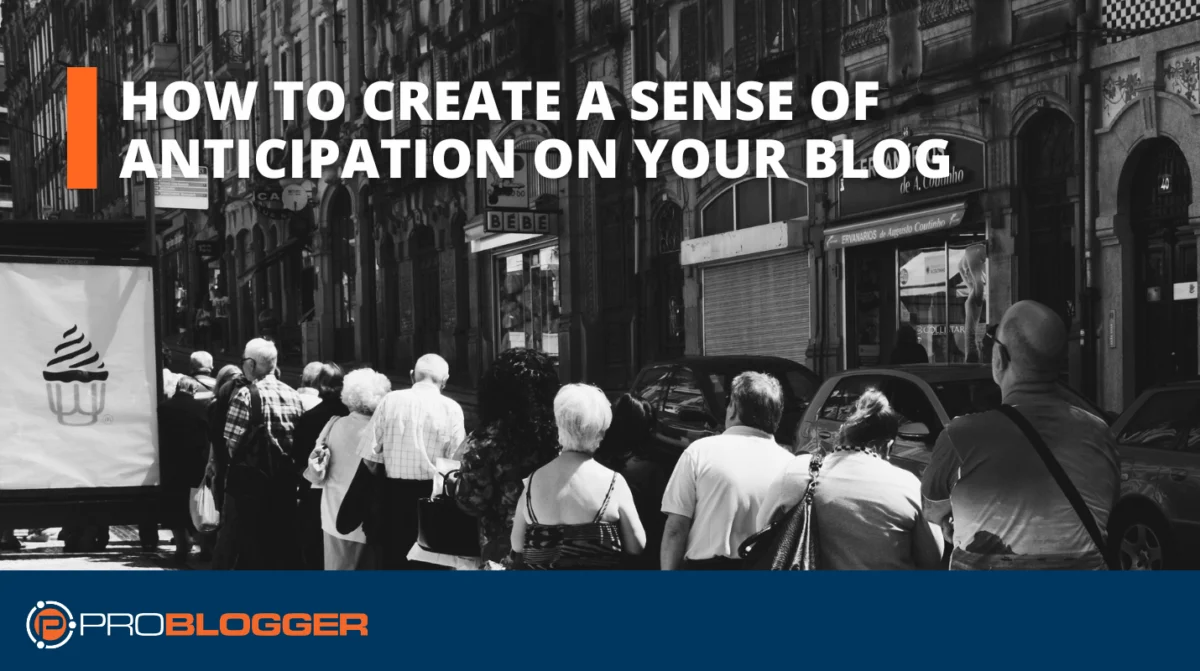
The digital publishing landscape is fundamentally driven by the promise of future value, a concept that dictates how readers transition from casual visitors to dedicated subscribers. In the contemporary attention economy, the decision to subscribe to a blog or newsletter is rarely a reaction to a single piece of content; rather, it is a calculated investment made by the reader who believes that the creator will continue to enhance their life or professional standing in the days, weeks, and months to come. Creating a sense of anticipation is not merely an instinctive byproduct of good writing but a deliberate strategic framework that successful digital publishers employ to ensure long-term audience retention. By analyzing the mechanics of reader behavior and the psychological triggers of anticipation, content creators can transform their archives into powerful engines for growth.
The Strategic Foundation of Reader Anticipation
At the core of audience development lies a simple psychological truth: people subscribe to what they expect to receive, not just what they have already consumed. However, the most reliable indicator of future performance is past quality. For a blogger to convince a reader that unwritten content is worth a subscription, they must first demonstrate a track record of excellence. This creates a paradox where the "future" of the blog is sold through the "past" of its archives.
Professional bloggers often distinguish between "passive anticipation"—the hope that a writer will post again—and "active anticipation," which is the result of specific architectural choices within the blog’s design. This intentionality is what separates hobbyist sites from high-conversion digital properties. To build this sense of expectancy, creators must prioritize the visibility of their highest-quality work, ensuring that first-time visitors are immediately exposed to the depth and authority of the brand.
A Chronology of Content Strategy Evolution
The methods used to build anticipation have evolved alongside the technical capabilities of web platforms. Understanding this timeline provides context for why certain "legacy" strategies remains highly effective today.
- The Chronological Era (1999–2005): Early blogging was defined by a simple reverse-chronological feed. Anticipation was built solely through a consistent posting schedule. Readers subscribed to RSS feeds primarily to avoid missing the next update in a linear sequence.
- The Curation Era (2006–2012): As archives grew, bloggers realized that new visitors were missing their best work. This led to the development of "Sneeze Pages" and "Best Of" sidebars—techniques popularized by pioneers like Darren Rowse of ProBlogger. The goal shifted from showing "what is new" to showing "what is best."
- The Personalization Era (2013–2019): Tools began to allow for dynamic content delivery. Landing pages and "smart" sidebars started to show content based on the user’s entry point or search query, creating a personalized sense of anticipation tailored to specific interests.
- The Community and Ecosystem Era (2020–Present): Anticipation is now built across multiple platforms. A blog post might tease a newsletter, which in turn teases a podcast or a deep-dive white paper. The blog serves as the central hub of a broader content ecosystem.
Data-Driven Tactics for Highlighting Quality Content
To effectively foster anticipation, publishers must employ specific architectural tactics that guide the reader through a curated experience. Data from heat-mapping tools and click-through rate (CTR) analysis suggests that four specific methods are most effective in converting casual readers into subscribers.
1. The Implementation of Sneeze Pages
A "Sneeze Page" is a curated landing page that organizes a blog’s best content on a specific topic. The term is derived from the idea that the page "sprays" the reader deep into the blog’s archives. For example, Digital Photography School utilizes these pages to categorize years of tutorials into digestible themes like "Portrait Photography" or "Post-Processing."
By directing a new visitor to a Sneeze Page, the publisher achieves two objectives: they demonstrate an immense depth of knowledge (establishing authority) and they provide a roadmap for future learning. Internal data from high-traffic blogs indicates that the subscription rate for users who visit a curated Sneeze Page is significantly higher than those who only view the homepage.
2. "Best Of" and Themed Sections
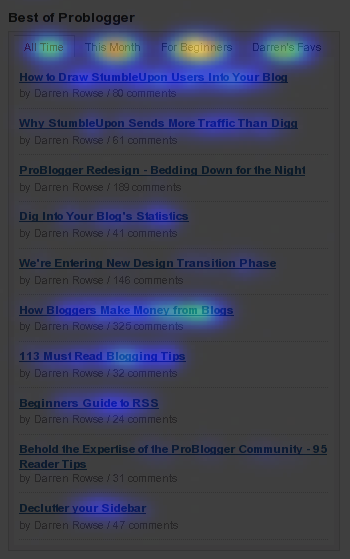
Visual prominence is a key driver of engagement. Using tools like CrazyEgg to generate heat maps, researchers have found that "Best Of" sections in sidebars or on the front page are among the most clicked elements on a site. These sections act as a "greatest hits" album, ensuring that the brand’s most persuasive work is always working to convert new visitors. When a reader encounters a "Best Of" section and finds three or four highly relevant articles, the psychological "Curiosity Gap" is activated; they begin to wonder what other high-quality insights the author will produce next.
3. Dynamic Landing Pages and Search Sensing
Advanced content strategy involves the use of plugins and scripts that detect how a reader arrived at the site. If a reader arrives via a search for "SEO tips," a dynamic landing page can display a curated list of the blog’s top ten SEO articles. This immediate relevance increases the perception that the blog is a comprehensive resource. According to digital marketing benchmarks, personalized content experiences can lead to a 20% increase in conversion rates compared to generic "Recent Posts" lists.

4. Strategic Interlinking and Content Loops
Internal linking is often discussed in the context of Search Engine Optimization (SEO), but its role in building anticipation is equally vital. By linking to previous cornerstone content within a new post, the author creates a "content loop." Each link followed is a reinforcement of the author’s expertise. The more useful pages a reader views in a single session, the more likely they are to perceive the blog as an indispensable tool for their future growth.
Industry Perspectives and Expert Analysis
Digital marketing analysts suggest that the "anticipation effect" is rooted in the "Endowment Effect"—a psychological bias where people value things more if they feel a sense of ownership or connection to them. When a blogger provides a wealth of free, high-quality past content, the reader feels they have "invested" time in the brand and anticipates a return on that investment in the form of future content.
"The goal of modern content architecture is to reduce the friction between discovery and trust," says one industry consultant. "If a visitor has to hunt for your best work, they will assume it doesn’t exist. By putting your best foot forward through curation, you aren’t just showing off; you are making a promise about the quality of your next post."
Furthermore, data from email marketing platforms suggests that subscribers gained through curated content paths have higher "Open Rates" (often exceeding 35%) compared to those who subscribe via generic pop-ups. This indicates that anticipation built on a foundation of proven quality leads to a more engaged and loyal audience.
Broader Implications for Digital Publishing
The shift toward intentional anticipation marks a move away from the "volume-first" approach to blogging. In an era where AI-generated content can flood the internet with mediocre information, the human element of curation becomes a competitive advantage. Readers are increasingly looking for "authoritative signals" before they allow a creator into their inbox or feed.
For the independent publisher, this means that the "Archive" is no longer a graveyard of old posts but a living sales force. The implications are clear: the long-term viability of a blog depends on its ability to organize its history to serve its future. Publishers who fail to highlight their past quality will find it increasingly difficult to convince a sophisticated audience that their future output is worth following.
Conclusion and Future Outlook
Building anticipation is a multi-faceted discipline that combines psychology, data analysis, and strategic design. As digital platforms continue to evolve, the core principle remains unchanged: a subscription is an act of faith in a creator’s future performance. By utilizing Sneeze Pages, "Best Of" sections, dynamic landing pages, and robust interlinking, bloggers can provide the evidence needed to justify that faith.
In the coming years, we can expect to see even greater integration of machine learning in this process, where blogs automatically curate "Anticipation Paths" for individual users based on their browsing history. However, the fundamental requirement will always be the production of "great content" written regularly. Without the underlying quality, the most sophisticated architectural triggers will ultimately fail to sustain a meaningful audience. The successful blogger of the future will be both an expert creator and a master curator, constantly using the excellence of yesterday to build excitement for tomorrow.