Clara Shinta
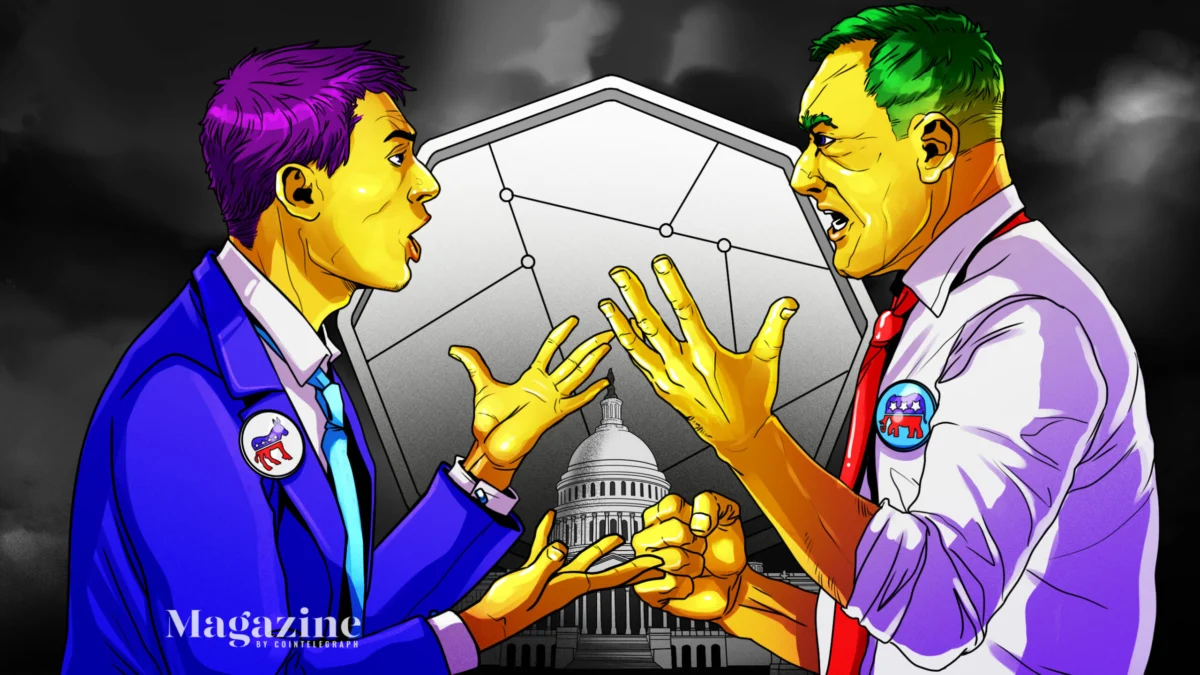
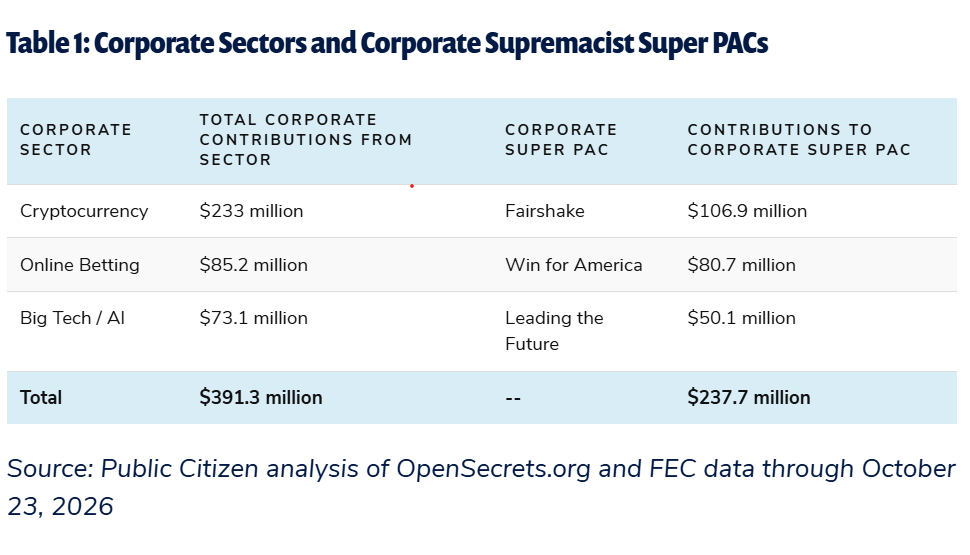
Crypto companies invested an unprecedented $233 million into political committees during the 2026 US midterm election cycle, a figure revealed by Public Citizen’s comprehensive analysis of federal filings, underscoring the industry’s escalating efforts to shape the nation’s digital asset policies. This substantial financial outlay positioned the nascent sector as a significant, albeit contentious, player in Washington’s political landscape. However, the outcome of the midterms, which saw Democrats secure control of both chambers of Congress, has dramatically reshaped the regulatory outlook for cryptocurrencies, signaling a potential pivot towards stricter oversight and enhanced consumer protections.
The Shifting Sands of Power: A Democratic Resurgence
The Democratic Party’s decisive victory in the 2026 midterms, granting them control of both the House and Senate beginning in January, marks a critical juncture for the crypto industry. This shift in power empowers Democrats to drive the legislative agenda, particularly concerning the long-stalled CLARITY Act—a pivotal bill designed to establish federal rules for crypto markets. The previous legislative session saw the CLARITY Act languish, primarily due to deep disagreements over ethical provisions and the broader scope of regulatory authority. Now, with a unified Democratic front, the opportunity arises to revisit and reshape this crucial piece of legislation.
The political landscape leading up to the 2026 midterms was characterized by intense partisan battles and a public increasingly concerned with economic stability, ethical governance, and the rapidly evolving technological frontier. While traditional issues like inflation, healthcare, and climate change dominated headlines, the burgeoning digital asset market quietly became a significant arena for political influence. Crypto companies, keen to secure a favorable regulatory environment that would foster innovation while providing legal certainty, poured resources into campaigns and Super PACs across the country. Their objectives ranged from preventing overly restrictive measures to advocating for clear jurisdictional boundaries between regulatory bodies like the Securities and Exchange Commission (SEC) and the Commodity Futures Trading Commission (CFTC). The $233 million in contributions represents a dramatic increase from previous cycles, illustrating the industry’s maturation and its growing awareness of the need for political engagement to safeguard its future.
Key Victories and Vocal Critics: Sherrod Brown and Elizabeth Warren
Among the most telling outcomes of the midterms was the victory of Democrat Sherrod Brown in Ohio, who successfully defended his Senate seat against Republican challenger Jon Husted. Brown, a long-standing skeptic of the crypto industry, overcame a formidable challenge that included an estimated $64 million spent by crypto-backed political action committees specifically targeting his defeat. This significant expenditure against a prominent figure known for his cautious stance on digital assets highlights the industry’s determination, yet Brown’s triumph suggests that financial might alone may not always sway public opinion or election results against entrenched political figures with clear platforms. Brown’s re-election is particularly significant given his influential position on the Senate Banking Committee, where he has consistently advocated for robust consumer protections and stringent oversight of financial markets.
Further amplifying the Democratic Party’s anticipated push for stronger crypto regulation is the expected chairmanship of Senator Elizabeth Warren on the Senate Banking Committee in the next Congress. Senator Warren, widely regarded as one of Washington’s most vocal and persistent critics of the cryptocurrency sector, has repeatedly called for comprehensive regulatory frameworks to mitigate risks associated with digital assets, including illicit finance, market manipulation, and consumer fraud. Her ascension to this powerful role signals an almost certain intensification of scrutiny on crypto companies, with a strong likelihood that discussions will revolve around enhanced consumer protections, tougher ethical standards for political figures involved with crypto, and a potential recalibration of regulatory power among federal agencies.
The CLARITY Act and the Call for Ethics
The CLARITY Act, or similar market structure legislation, faces a new reality under Democratic control. In September, the Senate’s failure to advance the bill was largely attributed to unresolved disagreements over its ethics provisions, which sought to address potential conflicts of interest among public officials and their involvement with digital assets. This impasse now seems poised for a resolution, albeit one that is likely to lean heavily towards stricter anti-corruption measures.
Democrat Congressman Shri Thanedar, while expressing hope for the CLARITY Act’s eventual passage, has emphasized the critical need for stronger ethics requirements within any legislative framework. He notably pointed to former President Trump’s alleged "blatant corruption" as a factor that has "set back progress on crypto legislation." Thanedar argues that "Democrats will need strong anti-corruption provisions that apply to the President, not just Congress," directly addressing concerns that political figures might leverage their positions for personal gain through crypto ventures. This sentiment reflects a broader Democratic commitment to ethical governance and transparency, which will undoubtedly influence the tenor and content of future crypto legislation.
The focus on ethics has also spurred House Democrats to reportedly discuss expanding proposals from Representative Maxine Waters into a broader market structure bill. These proposals are expected to incorporate more robust consumer protections, potentially grant a greater role to the Securities and Exchange Commission (SEC) in overseeing crypto markets, and introduce new ethics restrictions specifically targeting public officials’ crypto activities. Such measures aim to create a clear separation between the industry’s legitimate pursuit of regulatory clarity and the controversies surrounding the personal crypto ventures of political figures, thereby removing a significant impediment to bipartisan progress.
Industry Perspectives: Navigating a New Regulatory Landscape
The industry itself is grappling with how to adapt to this shifting political climate. Hadley Stern, head of institutions at Silence Laboratories and founder of Fidelity Digital Assets, echoed the sentiment that separating the industry’s regulatory needs from alleged political corruption is crucial. He stated that Democrats are "right to go after" such issues, calling them "what’s poisoning the bipartisan deal." Stern highlighted that "a sitting president’s family launching memecoins and a stablecoin is a real governance problem," drawing a sharp contrast with traditional financial institutions where such actions would lead to immediate termination.
Stern also emphasized the significant evolution of the digital asset industry since 2022, when Democrats last held a legislative majority. He noted its growth from "FTX and a bunch of tokens" to an ecosystem that now includes federal law for stablecoins, tokenized Treasuries, credit funds on-chain, and impending tokenized equities. "You don’t regulate that by pretending it doesn’t exist," he asserted, suggesting that lawmakers must acknowledge the industry’s increasing sophistication and integrate it into existing financial frameworks rather than attempting to ignore or stifle it.
For the crypto industry, the path to durable legislation will likely necessitate accepting more demanding standards. Paul Brody, founder and CEO of Nightfall Networks and former global blockchain lead at EY, anticipates that traditional banks will emerge as "winners" in this new regulatory environment. He expects banks to "push for crypto companies" to be held to the same exacting consumer protection and security standards that apply to established financial institutions. While the crypto industry has historically resisted such parity, Brody suggests that a "wise strategy" would be to "accept similar conditions," given the inherent flexibility, programmability, and efficiency of blockchain-native ecosystems. This perspective suggests that embracing higher regulatory bars could ultimately bolster the industry’s credibility and facilitate its mainstream integration.
Lindsay Fraser, chief policy officer at the Blockchain Association, reinforced the idea that consumer protection and innovation should not be treated as mutually exclusive objectives. "We can protect consumers while ensuring the law reflects how the technology actually works," she affirmed, articulating the industry’s goal for "lasting policy that earns public trust, gives builders a future in this country, and strengthens American financial leadership." Despite these calls for compromise and adaptation, significant hurdles remain, including the persistent possibility of a presidential veto and the reality that crypto legislation may be a "low priority" compared to other pressing national issues like corruption investigations, budget battles, and ongoing geopolitical conflicts.
The Binance Hack: A Stark Reminder of Risks
The 2026 midterm results unfolded against the backdrop of the Binance hack, which occurred on October 29, just days before the elections. This incident, described as the largest hack in crypto history, saw over $6.3 billion stolen, sending shockwaves through the digital asset community and raising urgent concerns about exchange security and customer protections. The timing of this monumental security breach undoubtedly influenced lawmakers’ perceptions, providing a stark, real-world example of the risks inherent in an inadequately regulated crypto market.
Congressman Thanedar pointed to the Binance hack as a "clear example of the danger of not enacting appropriate legislation," arguing that while the CLARITY Act "wouldn’t solve every potential problem," it would provide "much-needed certainty" and "security guardrails." This view underscores the belief that a basic regulatory framework, even if imperfect, is better than the current fragmented and often ambiguous landscape.
However, Maylea Ma, deputy general counsel at 1inch, offered a more critical assessment, suggesting that the incident "highlights problems the legislation does not address" rather than making a stronger case for the existing draft of CLARITY. Ma explained that the hack involved a "centralized exchange’s hot wallet and signing failure," yet the current draft of the CLARITY Act "has no insurer, no loss payee, and no hot wallet cap that would have mitigated the loss for Binance or imposed security standards that would have prevented the hack." Her analysis points to specific technical and financial safeguards that current legislative proposals may lack, indicating a need for more granular and technically informed regulation.
Amanda Fischer, policy director at Better Markets, took an even stronger stance, asserting that the Binance episode highlighted how "unfit for purpose the crypto ecosystem is for mainstream finance." She vehemently argued that crypto exchanges should not act as custodians, as this practice creates a significant "honeypot risk"—a centralized target that attracts malicious actors due to the vast amount of assets held. These expert reactions underscore the multifaceted nature of the challenges facing crypto regulation and the deep divisions among stakeholders regarding the most effective solutions.
Ma believes that the Binance hack is "likely to impact" the next vote on the CLARITY Act, potentially making lawmakers less inclined to pass industry-friendly legislation unless it is accompanied by significantly stronger consumer protections. This incident serves as a potent reminder that the industry’s desire for regulatory clarity must be balanced with robust measures to safeguard users and maintain market integrity.
The Path Forward: Compromise and Accountability
The 2026 midterms have undeniably ushered in a new chapter for cryptocurrency regulation in the United States. With Democrats controlling Congress and key committees led by vocal critics, the legislative agenda will prioritize consumer protection, market integrity, and ethical governance. The industry’s record-breaking political spending, while demonstrating its growing influence, did not prevent significant victories for figures advocating for stricter oversight.
To convert its political influence into meaningful, lasting legislation, the crypto industry will need to demonstrate a willingness to compromise and embrace higher standards of accountability. This includes accepting more stringent consumer protection measures, robust security protocols, and clear ethical guidelines that apply to all participants, from individual investors to high-level public officials. The Binance hack serves as a powerful testament to the urgent need for such safeguards, transforming what might have been theoretical debates into concrete demands for action. The coming legislative session will determine whether the digital asset industry can successfully navigate these demands and secure a stable, regulated future within the American financial system.