Ella Zulfa
The pressure to partake in alcohol at company-sponsored events, once a perceived norm for fostering camaraderie, is increasingly being re-evaluated by modern workplaces. A personal account of a former employee feeling compelled to drink tequila shots under duress from a superior at a quarterly offsite highlights a growing disconnect between traditional team-building practices and the diverse preferences and comfort levels of today’s workforce. This anecdote, while singular, reflects a broader trend: a significant portion of employees express a desire to disengage from alcohol-centric social events, with many feeling obligated to participate against their will.
The experience described underscores a critical challenge facing organizations: how to cultivate genuine connections and a positive work environment when the primary social lubricant is alcohol, an element that alienates a substantial segment of the workforce. Data suggests that approximately 33% of employees do not wish to consume alcohol at work events. Furthermore, a concerning 15% feel pressured to drink, opting for alcoholic beverages out of obligation rather than desire. This pressure can create an exclusionary atmosphere, fostering negative social dynamics and potentially leading to disengagement or complete avoidance of team-building activities. The implication is clear: relying solely on alcohol to forge bonds is an outdated and often counterproductive strategy.
The professional landscape is at a pivotal moment, necessitating a fundamental shift in how workplace relationships are nurtured. This evolution is driven by a growing awareness of employee well-being, a recognition of diverse personal choices, and a desire for more meaningful and inclusive forms of connection. As organizations grapple with retaining talent and fostering a cohesive culture, exploring alternatives to alcohol-dependent social events is no longer a niche consideration but a strategic imperative. The following approaches offer a path forward, focusing on activities that promote genuine interaction, personal growth, and collective impact, thereby building stronger, more sustainable workplace relationships.
The Rise of Well-being Hours: A Paradigm Shift in Team Bonding
In a notable departure from the traditional "happy hour," a new trend is emerging: "wellness hours." Research conducted by Wellhub, a prominent corporate wellness platform, indicates a significant global shift, with Tuesdays at 6 p.m. emerging as the peak time for wellness-related activities, effectively supplanting the evening happy hour. This development reflects a profound reorientation of employee priorities, with a heightened focus on nutrition, the adoption of healthy habits, mental well-being, and physical fitness.
Cesar Carvalho, CEO and co-founder of Wellhub, observes this transformation firsthand. "For a long time, team bonding meant happy hour," Carvalho stated in a recent LinkedIn post. "I think that’s changing, and it should. Movement and recovery aren’t a break from the workday anymore. They’re what makes the rest of the day actually work." This sentiment captures the essence of the evolving corporate culture, where activities that contribute to an employee’s overall health and vitality are increasingly viewed not as supplementary perks, but as integral components of a productive and engaged workday.
The implications of this shift are far-reaching. Instead of congregating around alcoholic beverages, teams are now exploring collaborative fitness endeavors. This can range from participating in group spin classes and organized runs to engaging in calming yoga sessions. For teams that travel, exploring a new city together through a guided walking tour offers a unique opportunity for both cultural enrichment and team bonding. Furthermore, the integration of walking meetings into a team’s regular routine provides a refreshing alternative to sedentary discussions, encouraging both physical movement and informal collaboration. These activities foster shared experiences and create opportunities for colleagues to connect on a more personal level, built around mutual support and shared effort, rather than the consumption of alcohol. The emphasis shifts from unwinding with a drink to actively engaging in activities that promote health and connection, fostering a more positive and inclusive social environment.
This movement towards wellness-centric team building is not merely a fleeting trend but a response to a deeper understanding of what truly contributes to employee engagement and organizational success. A study by the Global Wellness Institute found that the wellness industry is valued in the trillions of dollars, indicating a widespread consumer interest in health and well-being. This interest naturally extends into the workplace, as employees seek environments that support their holistic health. By offering wellness-focused team-building opportunities, companies can demonstrate a commitment to their employees’ well-being, which can, in turn, lead to increased job satisfaction, reduced burnout, and improved productivity. This proactive approach to employee health not only benefits individuals but also strengthens the overall organizational culture, creating a more resilient and thriving workforce.
The Resurgence of Book Clubs: Fostering Intellectual and Social Connection
In an increasingly digital and fast-paced world, traditional forms of communal engagement are experiencing a surprising revival. Among these, book clubs are making a notable comeback, extending beyond casual literary circles to become a structured element of professional development and team cohesion within various organizations. The author’s personal experience of discovering that their recent book was being discussed in company-led business book clubs exemplifies this trend. These self-organized initiatives, where employees actively engage with literature and share their insights, demonstrate a desire for intellectual stimulation and shared learning experiences.
Data from platforms like Eventbrite further supports this resurgence, revealing a 31% increase in book club events. This growth signifies a broader societal movement towards seeking community and connection, particularly among younger generations like Gen Z and Millennials who are actively exploring new avenues for social interaction. Book clubs offer a unique platform for individuals to not only expand their knowledge and skills but also to cultivate deeper friendships and professional relationships.
Tracy Avin, Founder of TroopHR, a community for HR leaders, highlights the value of these intellectual gatherings. "Leaders continue to struggle with how to keep employees engaged and how to help employees learn and stay curious," Avin states. "Reading books together gives people something meaningful to bond over. Instead of asking, ‘What are we drinking?’, we’re asking, ‘What are we thinking about?’ That shift can create deeper conversations, stronger connections and a culture where people keep learning from one another long after the book club gathering is over." This fundamental shift in conversational focus from consumption to contemplation can foster more profound and lasting connections.
The implications for workplace culture are significant. Book clubs provide a neutral and engaging space for employees from diverse backgrounds and departments to interact. They encourage active listening, critical thinking, and the sharing of varied perspectives, all of which are invaluable skills in a professional setting. By engaging with shared texts, employees can develop a deeper understanding of complex issues, explore different leadership styles, or gain new insights into industry trends. This shared intellectual journey can break down hierarchical barriers and foster a sense of camaraderie based on mutual respect and shared intellectual curiosity.
Moreover, the structure of a book club can be adapted to suit various organizational needs. Companies can select business-oriented books to enhance professional development, or choose titles that explore themes of diversity, inclusion, or innovation to foster a more well-rounded and empathetic workforce. The collaborative nature of discussing a book naturally leads to the exchange of ideas and the development of a shared understanding, which can translate into more effective teamwork and problem-solving in day-to-day work. This approach to team building moves beyond superficial social interactions and delves into the intellectual and emotional aspects of connection, creating a more robust and meaningful foundation for workplace relationships.
Impactful Engagement: Volunteering as a Catalyst for Connection
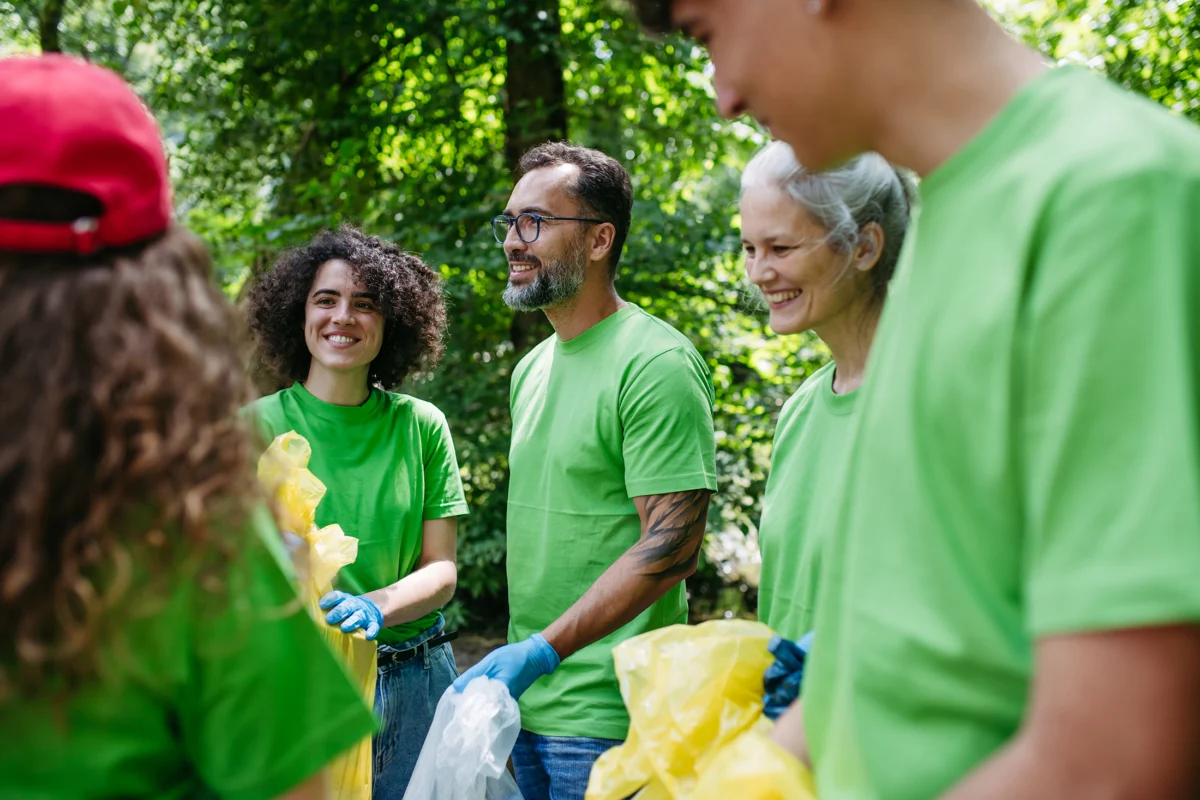
Beyond individual well-being and intellectual pursuits, a powerful avenue for forging deep and meaningful connections within the workplace lies in collective action: volunteering. Organizing team volunteer days offers a profound opportunity for employees to unite around a shared purpose, working towards a common goal that extends beyond the confines of daily work objectives. Historically, initiatives with organizations such as Dress for Success, Habitat for Humanity, Big Brothers Big Sisters of America, and Meals on Wheels America have provided frameworks for such impactful engagement. The potential for such collaborations is vast, extending to local food pantries, community gardens, and animal shelters, all offering unique avenues for teams to contribute to their communities.
The strength of this approach lies in its ability to transcend individual roles and departmental silos. When teams engage in volunteer work, they are united by a shared mission that fosters collaboration, problem-solving, and mutual support in a context removed from typical workplace pressures. The act of working together for a cause larger than oneself naturally cultivates empathy and a deeper appreciation for colleagues’ diverse skills and contributions. This shared experience of making a tangible difference can forge powerful bonds, creating a sense of collective accomplishment and shared identity.
The author’s personal reflection on volunteering with their team highlights this transformative aspect: "I find that when I volunteer with my team, we are working toward something bigger than OKRs or annual goals. We spend time together, learn a new skill and watch how we can collectively make an impact. We also discover new things about each other." This sentiment underscores the unique benefits of volunteerism as a team-building strategy. It allows individuals to witness colleagues in different capacities, revealing strengths and character traits that might remain hidden in the typical office environment. This discovery process can lead to a more profound understanding and respect for one another, laying the groundwork for stronger interpersonal relationships.
Furthermore, the impact of organized volunteerism extends beyond the immediate team. By partnering with established non-profit organizations, companies can contribute to the social good and enhance their corporate social responsibility (CSR) profile. This not only benefits the community but also cultivates a sense of pride and shared purpose among employees, reinforcing the organization’s values and mission. The regularity of such initiatives, whether quarterly or annual, can transform them from one-off events into ingrained traditions that consistently reinforce team cohesion and a commitment to positive societal impact. This approach to team building offers a compelling alternative to alcohol-centric gatherings, providing a more fulfilling and enduring pathway to building a connected and engaged workforce.
The current workplace paradigm is shifting, demanding a more inclusive and holistic approach to fostering strong employee relationships. The anecdotal evidence of pressure to drink, coupled with statistical data on employee preferences, clearly indicates that traditional alcohol-focused team-building activities are no longer universally effective. The emerging trends of "wellness hours," the resurgence of book clubs, and the power of collective volunteerism offer viable and enriching alternatives. By embracing these strategies, organizations can move beyond superficial social interactions and cultivate genuine connections, promote employee well-being, and build a more resilient, engaged, and ultimately, more successful workforce. The future of workplace connection lies not in what is in our glasses, but in how we meaningfully connect with each other, learning, growing, and making a positive impact together.