Reynand Wu
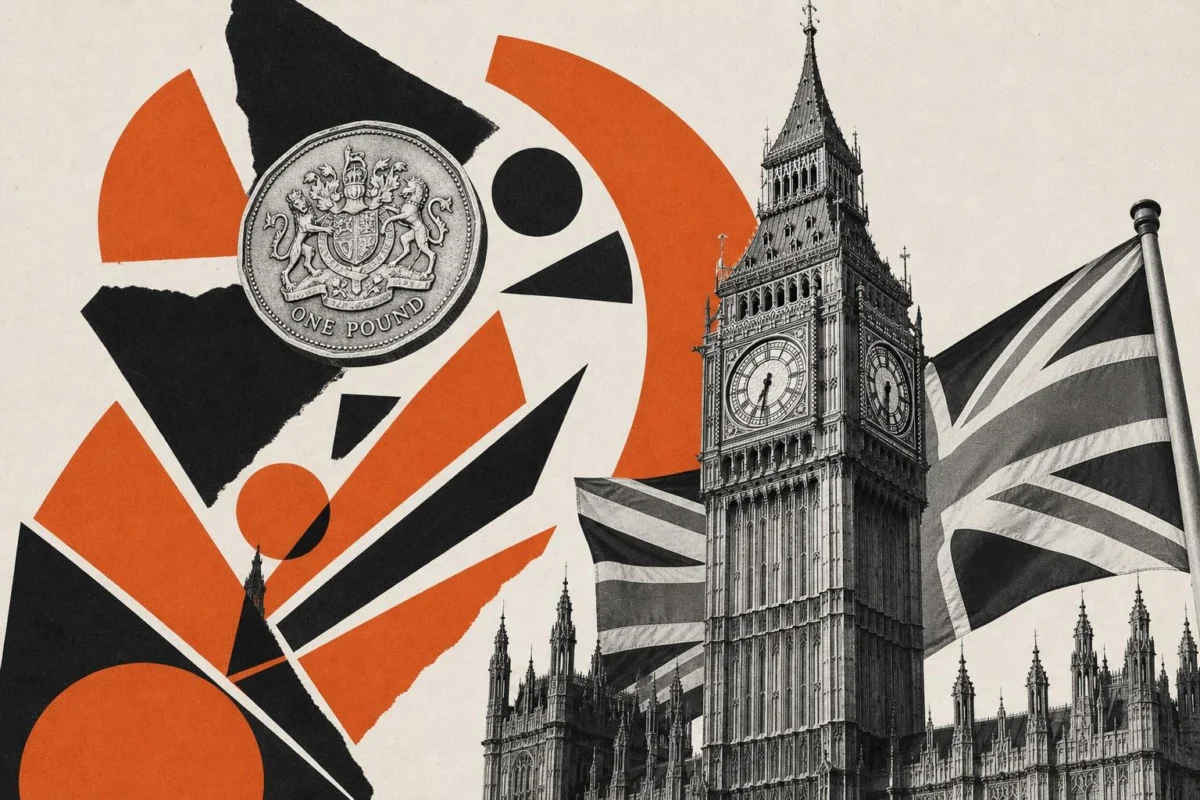
The British Pound (GBP) dramatically accelerated its rally against a notably weaker US Dollar (USD) on Wednesday, surging to seven-week highs above 0.3480. This significant appreciation, marking a 0.5% gain on the day at the time of writing, was primarily fueled by the confirmed news that the Democratic Party secured control of both the House of Representatives and the Senate in the United States midterm elections held on Tuesday. The outcome has sent ripples through global financial markets, prompting a re-evaluation of US economic policy and investment strategies.
A Resounding Disapproval: The Midterm Election Aftermath
The US midterm elections, typically serving as a referendum on the sitting president’s performance halfway through their four-year term, delivered a decisive blow to President Donald Trump’s Republican Party. The results indicated a widespread disapproval of his administration’s policies, extending even into traditional Republican strongholds. States like Kansas, Ohio, North Carolina, and Texas, which have consistently been under Republican governance for decades, reportedly saw significant shifts in voter sentiment, contributing to the Democratic sweep of Congress.
Historically, midterm elections often lead to the president’s party losing seats, particularly in the House. This cycle, however, saw a more profound shift, granting Democrats legislative control, a scenario that dramatically alters the political and economic landscape for the remainder of President Trump’s term. With all 435 seats in the House of Representatives and approximately one-third of the Senate seats contested, the Democratic victory implies a significant shift in the legislative agenda, committee leadership, and the power to confirm judicial and senior administrative appointments.
Immediate Market Reaction: Dollar Weakness and Sectoral Shifts
The US Dollar experienced an immediate and broad-based decline across major currency pairs following the release of the first results confirming the Democratic victory. Investors reacted swiftly to the anticipated policy implications of a divided government, or in this case, a Congress controlled by the opposing party.
A key concern among investors centered on the potential for tougher regulation within the burgeoning Artificial Intelligence (AI) sector. Fears that a Democratic-controlled Congress might push for stricter oversight, privacy laws, and potentially impose a brake on data center growth triggered a notable selloff in AI-related shares. Technology companies, particularly those heavily invested in data infrastructure and AI development, saw their valuations pressured as market participants priced in increased compliance costs and potential limitations on expansion. This reaction underscores the sensitivity of high-growth sectors to shifts in regulatory environments.
Concurrently, the uncertainty surrounding future economic policy and the perceived shift towards a less expansionary fiscal stance prompted a rush for safety into Government bonds. The demand for US Treasuries pushed bond prices up and yields down, reflecting a flight to quality and revised expectations for inflation and interest rates.
Analytical Perspectives: Fiscal Policy and Yield Implications
Analysts at Rabobank provided a critical insight into the market’s initial interpretation of the Democratic takeover of Congress. They noted that markets had initially read Democrat control as a signal of "fewer fiscal giveaways and therefore less inflation." This perspective suggests that a Democratic Congress might be less inclined to pass large-scale tax cuts or spending packages that could inject significant stimulus into the economy, a common approach under unified Republican control.
The implication of "fewer fiscal giveaways" is a reduced need for government borrowing, which, combined with lower inflation expectations, "suggests lower yields on treasuries." This combination carries "negative implications for the USD," as lower treasury yields make the dollar a less attractive investment compared to currencies offering higher relative returns or those not facing similar domestic policy uncertainties. The prospect of legislative gridlock, where sweeping changes to taxes, spending, and regulation become less likely, can also be a factor that influences market sentiment and asset allocation, often leading to a preference for safer assets like bonds.
The British Pound’s Independent Strength: BoE Expectations
While the US political developments dominated global headlines, the British Pound had been exhibiting a moderately bid tone over the preceding days, driven by domestic factors. A significant driver of GBP strength has been the growing anticipation that the Bank of England (BoE) would hike its Bank Rate by a quarter-point, to 4.0%, following its upcoming monetary policy meeting on Thursday.
The UK has been grappling with persistent inflationary pressures, and the BoE, under its mandate to maintain price stability, has been engaged in a tightening cycle. Market participants had largely priced in this 25-basis point increase, viewing it as a necessary step to bring inflation back towards the central bank’s 2% target. Higher interest rates typically make a currency more attractive to foreign investors, boosting demand and its value.
The Shadow of a "Dovish Hike"
However, the path forward for the BoE remains less clear, introducing an element of caution for Pound bulls. Recent comments from BoE policymakers have revealed a split within the monetary policy committee regarding the extent and pace of further monetary policy tightening. This internal divergence suggests that while a rate hike is probable, the accompanying forward guidance could temper market expectations for future increases.
Moreover, Governor Andrew Bailey has, on several occasions, shown a tendency to play down inflation pressures, or at least to emphasize the risks to economic growth posed by aggressive tightening. This stance raises the possibility of a "dovish hike" on Thursday. A dovish hike occurs when a central bank raises interest rates but signals a more cautious approach to future tightening, perhaps by indicating a pause is imminent or that the current hike might be the last for some time. Such a signal could come through explicit statements in the policy announcement, the minutes of the meeting, or through revised economic projections.
Should the BoE deliver a dovish hike, it could trigger a significant pullback in the Pound. While the immediate rate increase might initially support the currency, the dampened outlook for future hikes could lead Pound bulls, who had accumulated positions in anticipation of a more aggressive tightening cycle, to take profits. This profit-taking could unwind some of the recent gains, introducing volatility into the GBP/USD pair even after a widely expected rate increase.
Chronology of Key Events and Market Movements
- Tuesday, November 7, 2026: US Midterm Elections are held across the United States. Voting concludes in the evening, with initial exit polls and early results beginning to trickle in.
- Wednesday, November 8, 2026 (Early Trading Hours, Asia/Europe): As more definitive results emerge overnight, confirming the Democratic Party’s capture of both the House and the Senate, financial markets begin to react.
- Wednesday, November 8, 2026 (European/US Trading Hours): The full impact of the midterm results becomes evident. The US Dollar weakens significantly across the board. The British Pound (GBP) experiences a robust rally against the USD, reaching seven-week highs. Simultaneously, AI-related stocks see a selloff, while government bonds rally as investors seek safety and price in lower future yields.
- Thursday, November 9, 2026: The Bank of England’s Monetary Policy Committee is scheduled to meet and announce its decision on the Bank Rate. This announcement, along with accompanying statements and minutes, will be crucial for the Pound’s short-term trajectory.
Broader Impact and Implications for the US Economy
The shift in congressional control heralds a period of potential legislative gridlock and increased scrutiny for the Trump administration. While the president retains executive power, his ability to push through major legislative initiatives without bipartisan support, or through a hostile Congress, will be severely curtailed. This dynamic is often referred to as "divided government," which, as historical data suggests, markets have sometimes welcomed due to the reduced likelihood of sweeping, unpredictable changes to taxes, spending, and regulation.
However, divided government also brings risks, including potential funding deadlines, debt-ceiling fights, and heightened congressional investigations. These political frictions can introduce short-term volatility into markets, even if the longer-term outlook suggests stability due to legislative inertia. The focus will now shift to how the Democratic Congress will utilize its newfound power, particularly in areas like regulatory oversight, budget negotiations, and potential investigations into the administration.
For the US Dollar, while the immediate reaction has been negative due to revised fiscal expectations and lower yields, the long-term impact of midterm elections on the currency is often modest and short-lived. Over a six-to-twelve-month horizon, broader economic fundamentals, such as growth rates and the Federal Reserve’s monetary policy decisions, typically exert a greater influence on the Dollar’s trajectory than the political outcome of midterms.
Outlook for GBP/USD and Beyond
The GBP/USD pair now stands at a critical juncture. The immediate boost from US political developments and the anticipated BoE hike has propelled it to significant highs. However, the market’s focus will quickly pivot to the nuanced details of the BoE’s Thursday announcement. A genuinely hawkish stance, implying further aggressive tightening, could sustain the Pound’s upward momentum. Conversely, a dovish tone could prompt a significant correction as market participants adjust their expectations for the UK’s interest rate cycle.
Beyond these immediate catalysts, the relative economic performance of the UK and the US, ongoing inflation trends, and the respective central banks’ responses will continue to dictate the long-term direction of this closely watched currency pair. Global geopolitical events and broader risk sentiment will also play a role, ensuring continued dynamism in the foreign exchange markets. The outcome of the US midterms has undoubtedly introduced a new layer of complexity, reshaping market narratives and investment strategies for the foreseeable future.