Ella Zulfa
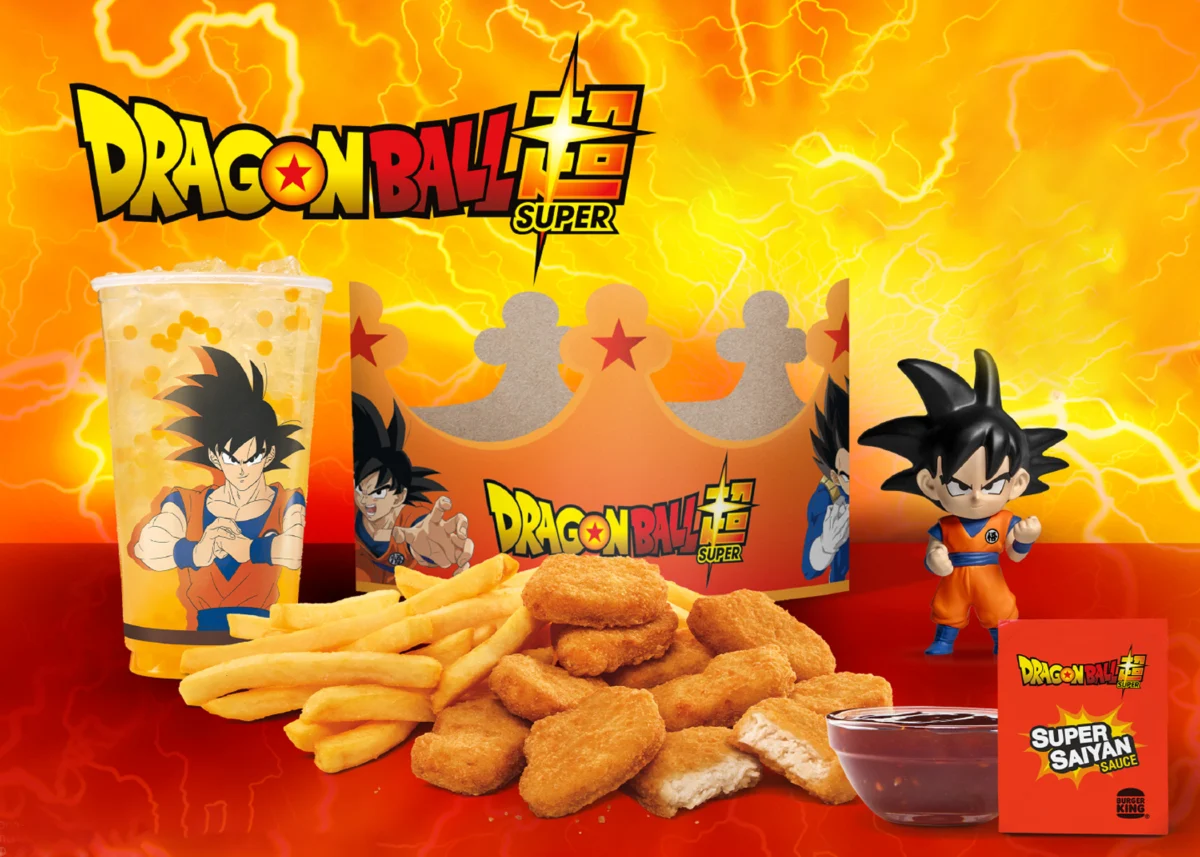
Burger King is experiencing an unexpected surge in the popularity of its King Jr. meals, with sales jumping a remarkable 40% year-over-year in the last quarter. This significant increase has propelled the children’s meal offering to its highest sales levels in a decade, according to industry reports. While the chain has implemented strategies such as upgrading its chicken nuggets and engaging in a popular anime tie-in, the phenomenon appears to be driven by a surprising demographic: adults.
The uptick in King Jr. meal sales is not merely a minor fluctuation but a notable trend that has caught the attention of Burger King’s leadership. The chain, a stalwart in the fast-food landscape, is now recalibrating its approach to cater to this evolving customer base, which is increasingly choosing smaller, more value-oriented options. This strategic re-evaluation comes at a time when Burger King is already enjoying a strong performance in the broader U.S. market.
Unpacking the Drivers of the King Jr. Meal Phenomenon
Several key factors are being cited for the impressive growth of Burger King’s children’s meals. The recent upgrade to the chain’s chicken nuggets, a staple in many kids’ meals, has been a significant contributor. These enhanced nuggets have seen their own sales climb by 35%, indicating a positive reception from consumers across the board. This product improvement, coupled with a strategic marketing push, has evidently resonated with customers.
Furthermore, a timely and well-executed promotional tie-in with the popular anime series Dragon Ball Super appears to have captured significant attention. Such collaborations are a common tactic in the fast-food industry to drive traffic and generate buzz, particularly among younger demographics and fans of the featured intellectual property. The success of this particular partnership suggests a strong alignment between the brand and the chosen anime, translating into increased footfall and sales for the King Jr. meals.
However, the most intriguing aspect of this sales surge is the increasing proportion of adults opting for the children’s menu. Tom Curtis, President of Burger King, has openly acknowledged this trend, noting, "We are definitely seeing more adults saying that’s their way to a smaller portion." This statement points to a strategic choice by adult consumers to leverage the children’s meal for its more manageable serving sizes.
The "Adult Kid Meal" Trend: A Growing Phenomenon
The appeal of kids’ meals to adults is not entirely new. For years, individuals have gravitated towards these offerings for their perceived value and, crucially, their smaller portion sizes. In an era where health consciousness and mindful eating are increasingly prevalent, the ability to purchase a complete meal that is inherently portion-controlled offers a compelling solution for those looking to manage their intake.
Industry data corroborates this observation of a growing trend. According to Circana, a market research firm specializing in consumer behavior, adult orders of kids’ meals have seen a substantial increase of 28% since 2019. This indicates a sustained and growing preference for these smaller options among the adult population.
Further bolstering this narrative, research from Technomic, another prominent food industry analytics firm, reveals that a significant six out of ten kids’ meal orders are placed by individuals without children present. This statistic starkly illustrates that the primary consumers of these meals are often adults themselves, seeking the benefits of a pre-portioned and often more affordable meal.
Exploring Potential Influences: GLP-1 Medications and Consumer Behavior
While Burger King President Tom Curtis refrained from definitively linking the surge to specific pharmaceutical trends, the conversation around GLP-1 weight-loss medications such as Ozempic and Wegovy has been prominent in recent years. These medications, which are known to suppress appetite and promote feelings of fullness, have been widely discussed for their potential impact on dietary habits and consumer choices, particularly within the food industry.
It is plausible, though not confirmed by Burger King, that the growing adoption of these medications could be a contributing factor to the increased demand for smaller meal portions. Individuals on these medications may find themselves satisfied with less food, making the portion sizes offered in kids’ meals a more appropriate and appealing choice. This societal shift in eating habits, potentially influenced by pharmacological advancements, could be subtly reshaping the fast-food market, with children’s meals emerging as an unexpected beneficiary.
A Strong Year for Burger King and Strategic Adjustments
The surge in King Jr. meal sales occurs against a backdrop of robust performance for Burger King overall. The chain has reported an impressive 8.4% increase in U.S. same-store sales in the last quarter alone, signaling a successful period of growth and customer re-engagement. This broader success suggests that the chain’s strategic initiatives, from menu innovation to marketing campaigns, are yielding positive results across its offerings.
In light of the unexpected popularity of its kids’ meals among adults, Burger King is now undertaking a strategic review of the King Jr. meal concept. The objective is to adapt and evolve the offering to effectively serve both its traditional young customer base and the growing adult demographic. Curtis emphasized this delicate balancing act, stating, "We need to figure out what that looks like so we don’t alienate either side." This indicates a commitment to retaining the charm and appeal for children while simultaneously optimizing the offering for adult consumers.
Implications for the Fast-Food Industry and Future Strategies
The Burger King experience offers valuable insights for the broader fast-food industry. It highlights the dynamic nature of consumer preferences and the importance of agility in menu development and marketing. The trend of adults opting for children’s meals underscores a growing demand for:
- Portion Control: As consumers become more health-conscious and aware of calorie intake, pre-portioned meals like kids’ meals offer a convenient and intuitive way to manage consumption.
- Value Proposition: Children’s meals are often priced more affordably than their adult counterparts, making them an attractive option for budget-conscious consumers.
- Nostalgia and Simplicity: For some adults, ordering a kids’ meal might evoke a sense of nostalgia or a preference for simpler, less overwhelming menu choices.
The success of the Dragon Ball Super tie-in also suggests the continued power of strategic collaborations with popular culture franchises. These partnerships can create significant buzz and drive traffic, particularly when they resonate with a broad audience or a dedicated fan base.
Looking ahead, fast-food chains may need to consider:
- Reimagining Kids’ Meal Menus: Potentially offering more adult-friendly modifications or introducing "adult-sized" versions of popular kids’ meal items.
- Marketing to Adult Consumers: Developing targeted marketing campaigns that acknowledge and appeal to adults who choose children’s meals.
- Leveraging Value and Portioning: Emphasizing the value and portion-controlled aspects of certain menu items as a key selling point.
Burger King’s current situation presents a fascinating case study in how evolving consumer behaviors and external factors can reshape demand. The chain’s proactive approach to understanding and adapting to the "adult kid meal" trend will likely be crucial in solidifying its recent gains and ensuring continued success in a competitive market. The future of the King Jr. meal, it appears, is no longer solely about satisfying the palates of children, but also about appealing to the discerning tastes and practical needs of a growing adult clientele. This strategic pivot, driven by data and an understanding of emerging consumer trends, positions Burger King to potentially capture a larger share of the market by catering to a wider demographic with a seemingly simple, yet remarkably effective, menu item.