Putri Inara
In the current digital landscape, where over 600 million blogs exist globally, the distinction between a high-traffic platform and an overlooked site often hinges on a single metric: personalization. While technical proficiency in Search Engine Optimization (SEO), structured formatting, and software mastery are foundational requirements, industry data suggests that these elements alone are insufficient for long-term audience retention. The "personality gap" has emerged as a significant hurdle for digital creators. Marketing research indicates that 86% of consumers cite authenticity as a primary factor when deciding which brands to support. Consequently, the strategic infusion of personality into a digital presence is no longer a stylistic choice but a commercial necessity.
The Strategic Implementation of Visual Storytelling
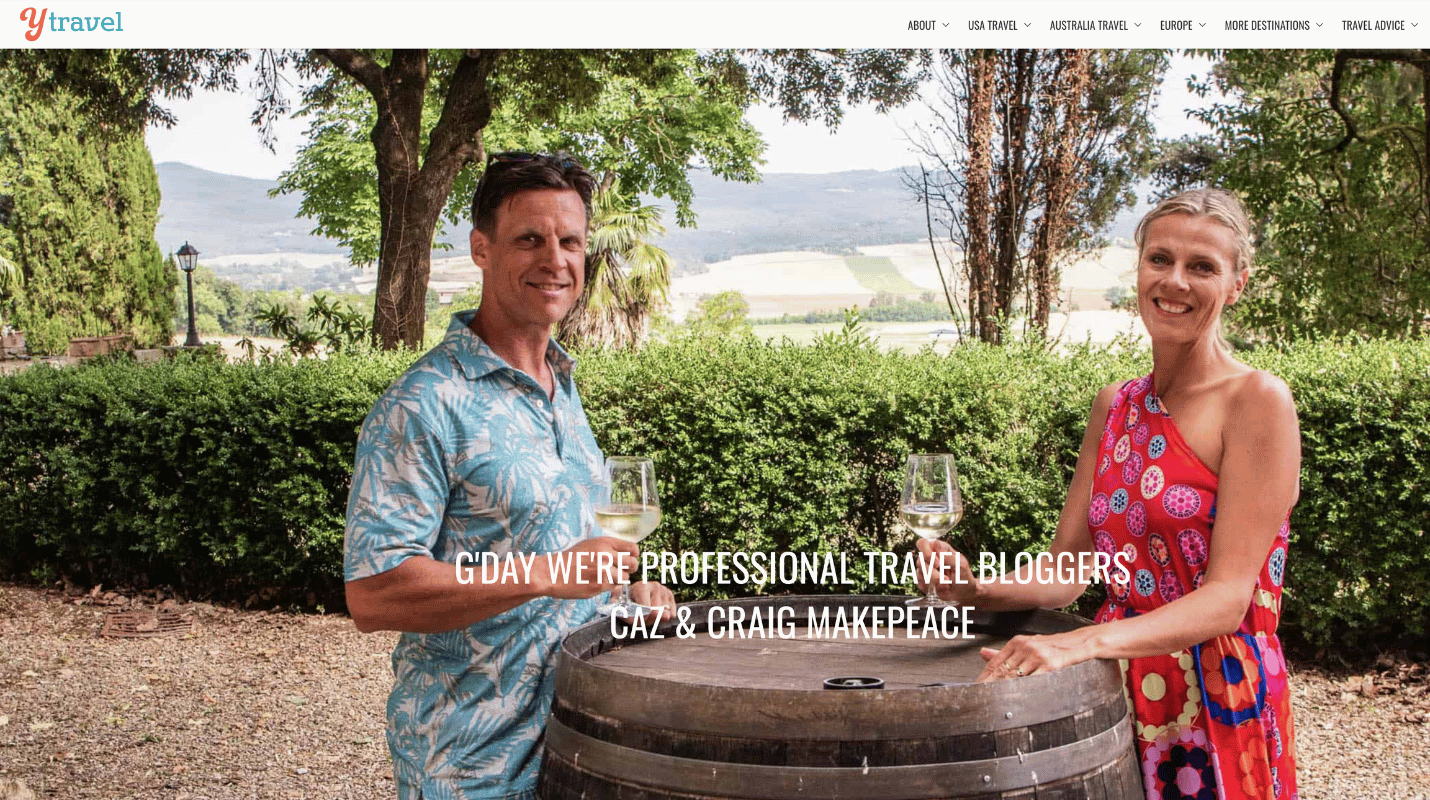
Caz and Craig of YTravel have demonstrated the efficacy of high-quality, personalized photography in the competitive travel blogging sector. The travel industry, which heavily relies on aspirational content, requires a visual connection that stock photography cannot provide. By integrating candid family snapshots with professional, posed imagery, YTravel establishes a "know, like, and trust" factor.
Data from the Content Marketing Institute reveals that articles featuring images every 75 to 100 words receive double the social media shares of those without. For YTravel, the personalization lies in the human element; the bloggers are not just reporting on destinations but are actively participating in the experience. This approach transforms a generic travel guide into a relatable narrative, a technique that has seen their platform become one of the most influential in the family travel niche.
Brand Identity and the Use of Humor
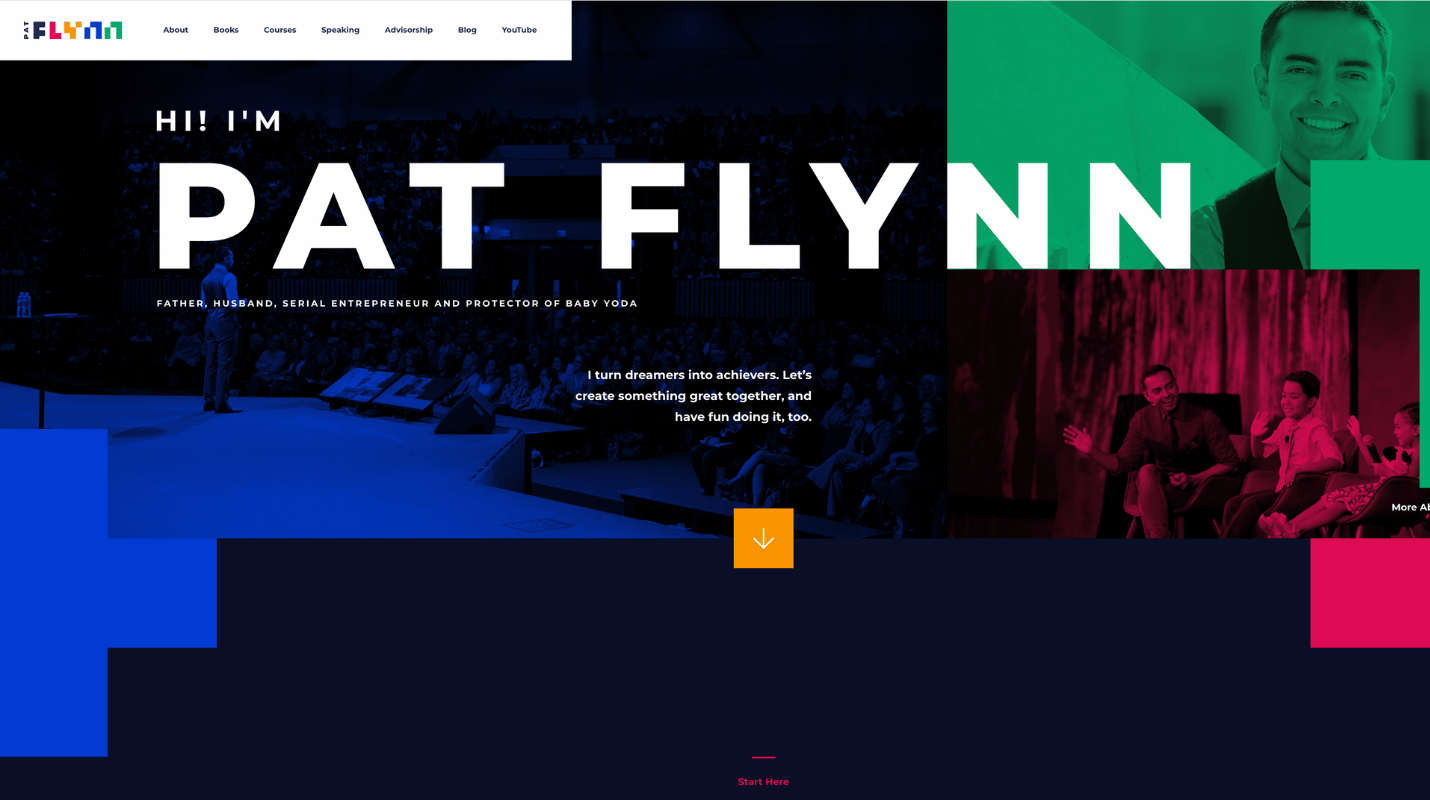
Pat Flynn, the founder of Smart Passive Income, utilizes a different facet of personalization: transparent branding and quirky humor. Upon entering Flynn’s site, visitors are met with large-scale typography and a multifaceted self-description: "father, husband, serial entrepreneur," and "protector of baby yoda."
This strategy serves a dual purpose. First, it humanizes a high-level business expert, making complex financial advice more accessible. Second, it creates a unique brand voice that differentiates Flynn from the thousands of other financial "gurus." Industry analysts note that "micro-moments" of humor or personal trivia can increase user session duration by up to 15%, as readers feel they are engaging with a person rather than a corporation.
The Psychology of Polarizing Tone
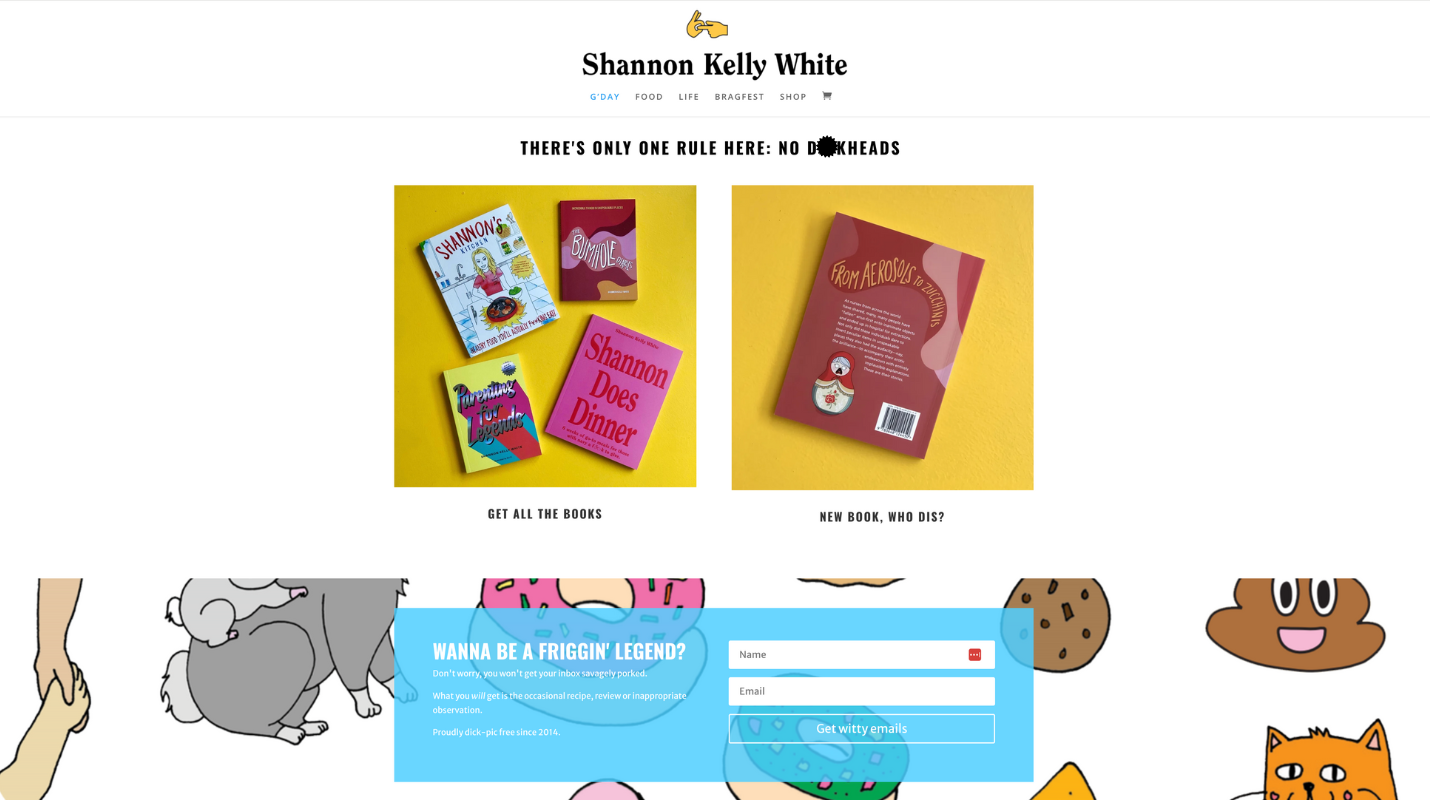
Shannon Kelly White offers a case study in the strategic use of a strong, identifiable tone. White’s use of "salty" or provocative language serves as a filter for her audience. While traditional marketing often advises broad appeal, modern digital strategy frequently favors "niche-ing down" through personality.
Psychological studies on brand loyalty suggest that polarizing content can actually strengthen the bond with a core audience. By being unapologetically herself, White ensures that those who remain on her site are highly engaged and loyal. This "attract and repel" strategy is effective for community building, as it creates an "in-group" feeling among regular readers, which is a powerful driver of subscription rates and digital product sales.
Visual Consistency and Custom Illustrations
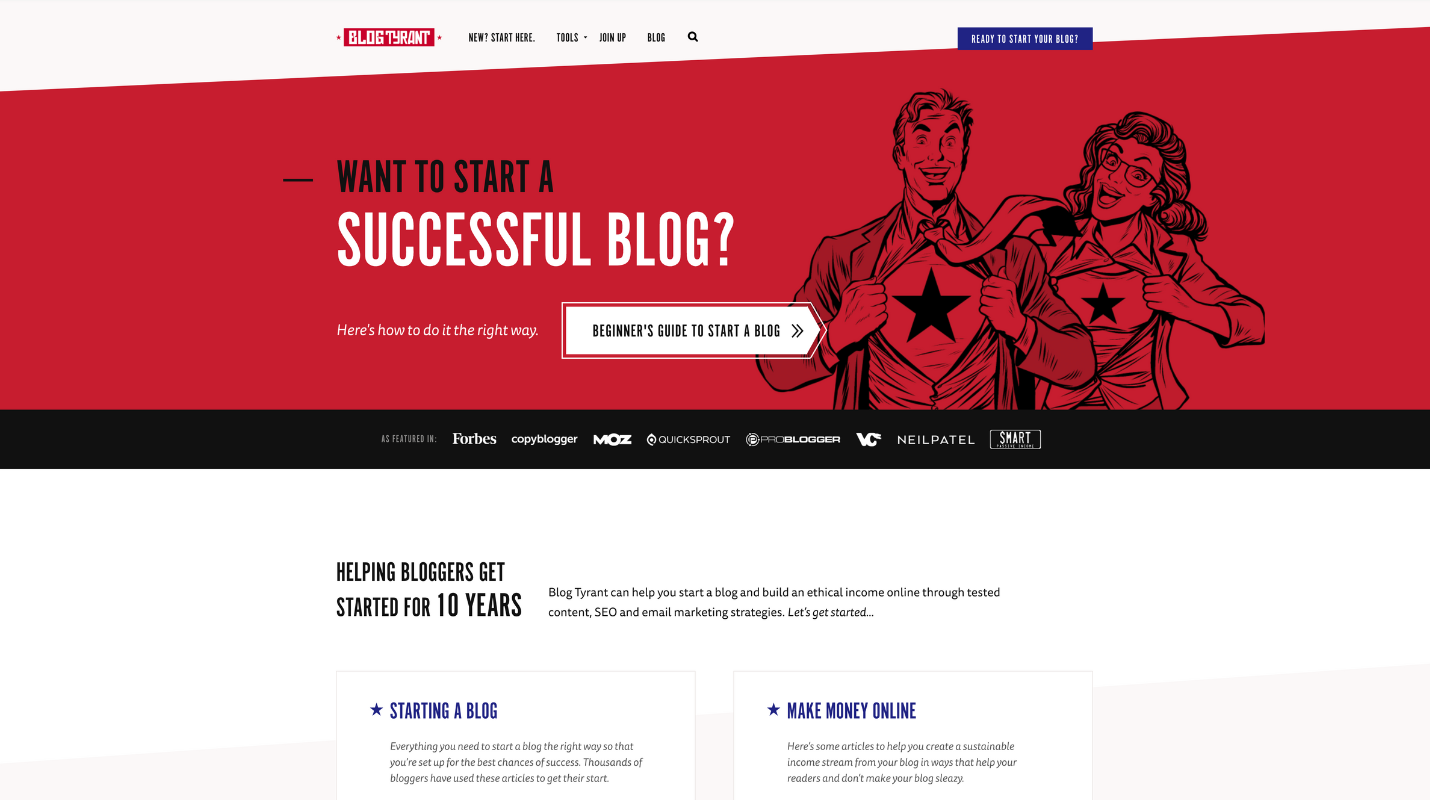
Ramsey, known as the Blog Tyrant, employs custom illustrations to create a memorable brand avatar. The "red-shirted blogging superhero" appears across the site’s banner, feature images, and lead magnets.
According to the "Picture Superiority Effect," a phenomenon where people remember images better than words, custom illustrations can increase brand recall by 65% over three days compared to 10% for text alone. By using a consistent avatar, Blog Tyrant creates a visual shorthand for his brand, allowing readers to instantly recognize his content across different platforms, including social media and email newsletters.
The Conversion Power of the About Page
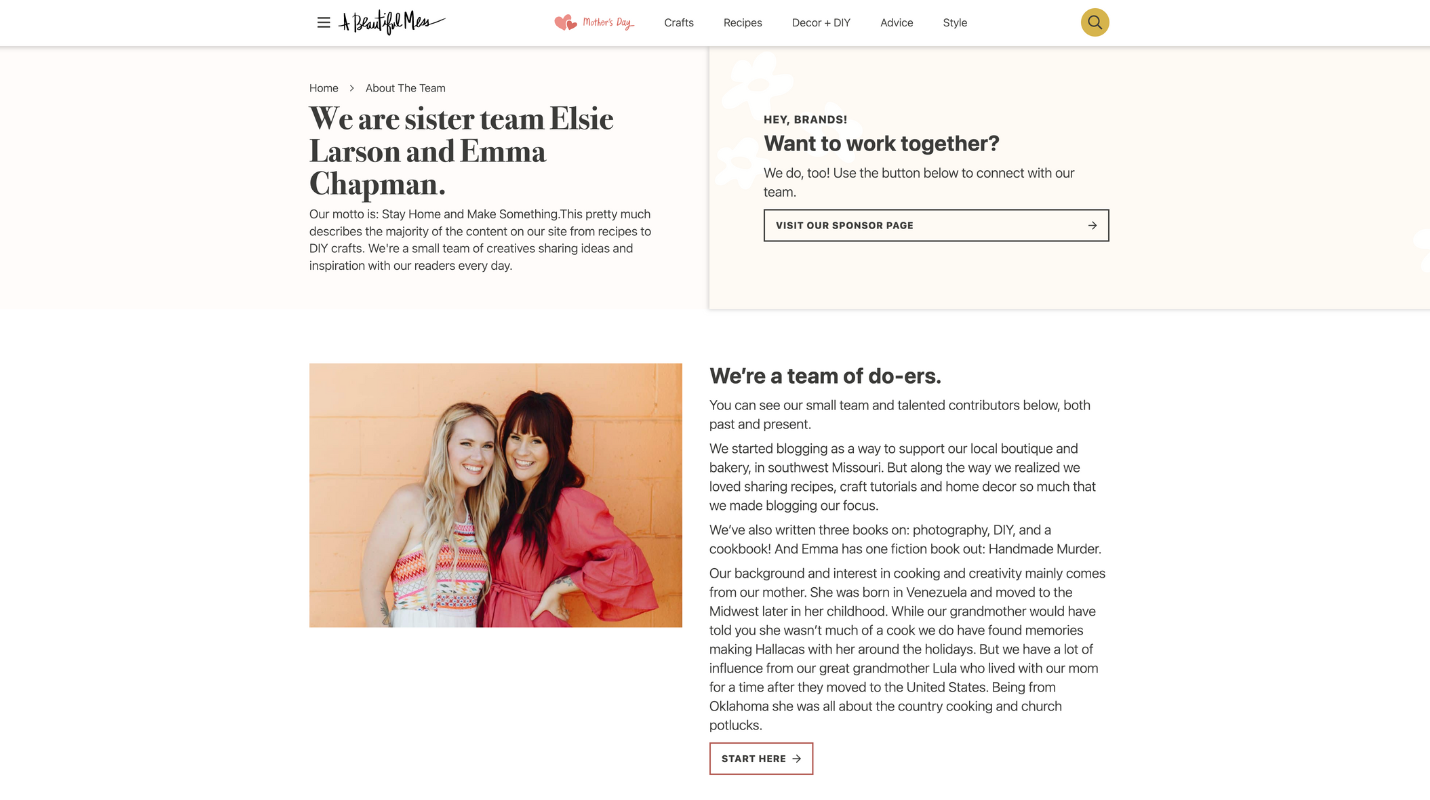
Elsie and Emma of A Beautiful Mess have optimized the "About Page" as a critical touchpoint for personalization. Analytics consistently show that the "About" page is often the second most visited page on a blog after the home page.
The sisters utilize bright, bold photography and a concise, catchy introduction to bridge the gap between a first-time visitor and a loyal follower. By providing a quick glimpse into their personal lives and creative philosophy, they facilitate an emotional connection. Digital marketing experts suggest that a well-personalized About page can increase conversion rates for email sign-ups by as much as 30%, as users are more likely to subscribe to a person they feel they "know."
Omni-Channel Branding Consistency
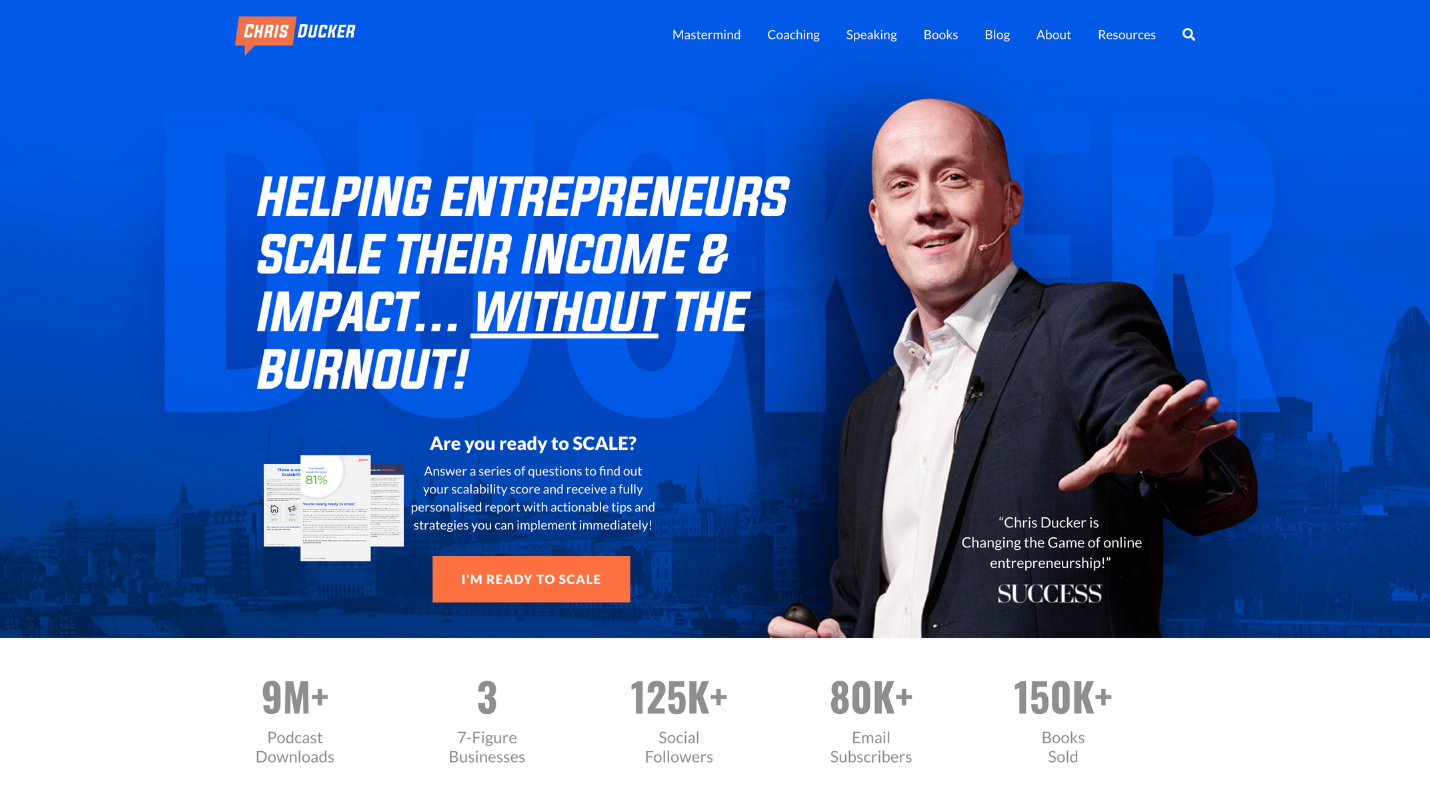
Chris Ducker, a leader in the "Personal Brand" movement, emphasizes the importance of cross-platform consistency. Ducker uses identical high-quality headshots across his blog, Twitter, Facebook, and LinkedIn profiles.
In a fragmented digital environment, this consistency builds professional credibility. A report by Lucidpress found that consistent brand presentation across all platforms can increase revenue by up to 23%. For Ducker, his face is his logo. This level of personalization ensures that his professional identity remains cohesive, whether a user interacts with him on a podcast, a social media thread, or a long-form blog post.
Color Psychology in Brand Design
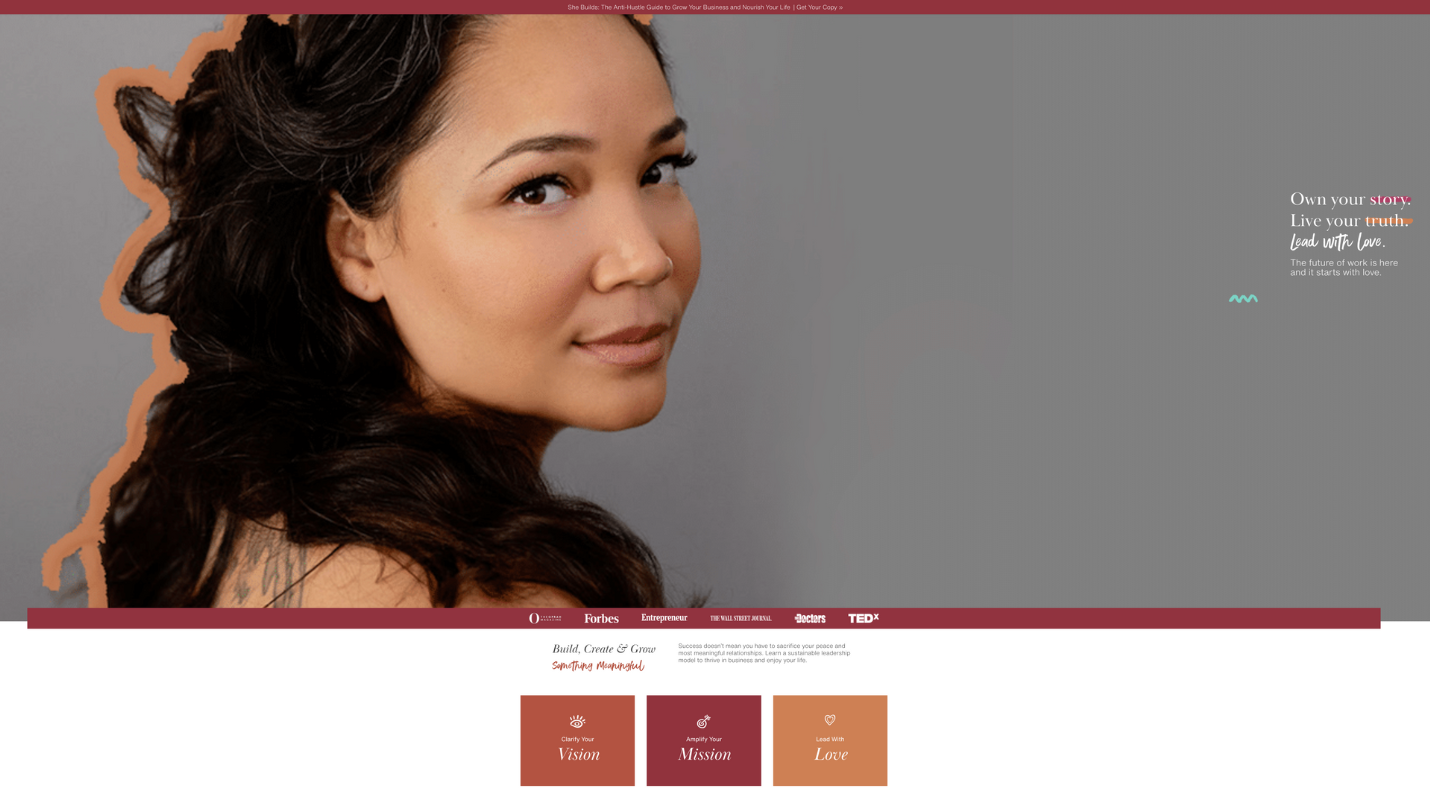
Jadah Sellner utilizes a sophisticated color palette to boost her brand’s personality. The visual harmony between her site design and the colors of her clothing in featured photographs creates a seamless aesthetic experience.
Color psychology plays a vital role in consumer perception. Research by the University of Winnipeg found that up to 90% of snap judgments made about products can be based on color alone. Sellner’s use of warm, earthy tones conveys a sense of groundedness and health, which aligns perfectly with her content on wellness and business. This visual personalization makes the site feel curated and intentional, which enhances the perceived value of the information provided.
The Authority of the Brand Statement
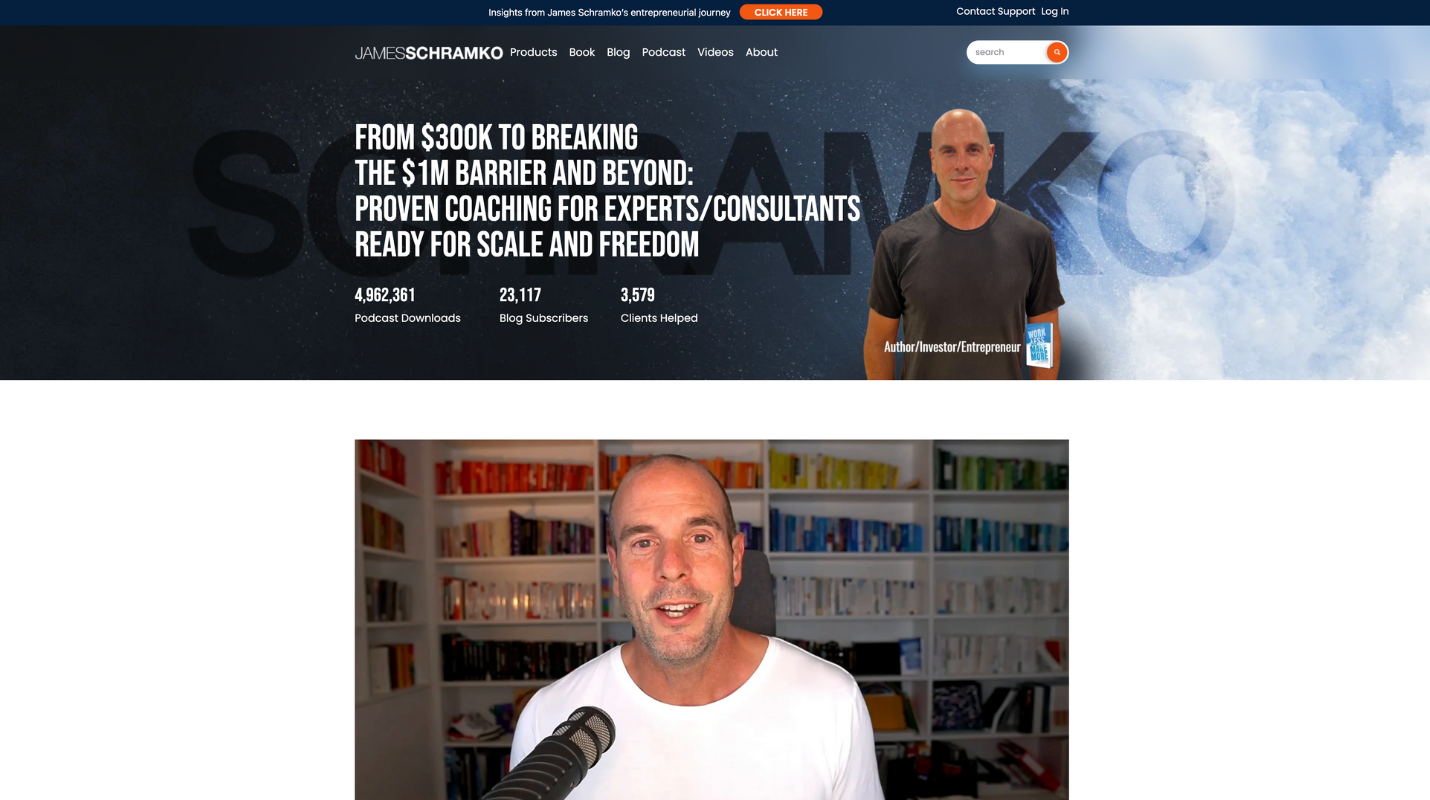
James Schramko of SuperFastBusiness uses a direct brand statement to personalize his content for a specific audience. By immediately calling out who his services are for—and who they are not—he establishes immediate authority.
A clear brand statement acts as a "handshake" with the reader. In the B2B (business-to-business) sector, this form of personalization is highly effective. It reduces the "bounce rate" by ensuring that the right visitors stay on the site while simultaneously positioning the blogger as a specialized expert rather than a generalist.
Streamlining the User Experience with Direct Calls to Action
Kelly Exeter demonstrates how personality can be integrated into functional elements like the "Call to Action" (CTA). Her tagline and CTA are designed to cut through the digital noise, offering a direct path for the reader to find value.
Personalized CTAs perform 202% better than basic ones, according to HubSpot. Exeter’s approach—"FIND OUT HERE"—removes the friction of complicated email funnels. This directness reflects a personality of efficiency and transparency, which appeals to her target demographic of busy professionals and writers.
Audience Identification and the Use of Interactive Tools
Emily of Puttylike has pioneered a method of personalizing the reader’s experience by helping them define themselves. By coining the term "Multipotentialite" and offering a quiz titled "Are You a Multipotentialite?", she creates a community around a shared identity.
Interactive content, such as quizzes, generates twice as many conversions as passive content. By allowing visitors to diagnose their own personality type through her platform, Emily converts casual browsers into members of a distinct tribe. This is the highest form of personalization: when the blog becomes a mirror for the reader’s own identity.
Chronology of Blogging Personalization
The evolution of blogging personalization has moved through several distinct phases:
- 1994–2004 (The Diary Era): Personalization was the default. Early blogs like Justin Hall’s "Links.net" were digital journals. The focus was on raw, unfiltered personal updates.
- 2005–2012 (The Professionalization Era): As blogging became a business, many creators moved toward a corporate, "faceless" tone to gain credibility. Personalization was often sacrificed for SEO and keyword density.
- 2013–2019 (The Influencer Era): The rise of Instagram and YouTube forced bloggers to return to personality. Visual branding, "lifestyle" content, and personal stories became the primary drivers of growth.
- 2020–Present (The Authenticity Era): In an age of AI-generated content and "fake news," extreme personalization has become a defense mechanism. Readers now seek "proof of humanity"—unique voices, personal anecdotes, and lived experiences that cannot be replicated by algorithms.
Supporting Data and Market Analysis
The impact of personalization is supported by significant market data. According to Epsilon, 80% of consumers are more likely to make a purchase from a brand that offers personalized experiences. Furthermore, McKinsey & Company reports that personalization can reduce acquisition costs by as much as 50% and lift revenues by 5 to 15%.
In the context of blogging, these statistics translate to higher subscriber retention and better performance of affiliate marketing and digital products. The "1,000 True Fans" theory, popularized by Kevin Kelly, posits that a creator only needs a relatively small but deeply connected audience to be successful. Personalization is the primary tool used to cultivate those "true fans."
Official Responses and Expert Perspectives
Industry experts emphasize that the future of digital content is inextricably linked to personal branding. Seth Godin, a renowned marketing strategist, has frequently noted that "people do not buy goods and services; they buy relations, stories, and magic." Personalization is the delivery mechanism for that "magic."
Web developers and UX (User Experience) designers are also shifting their focus. Modern web design trends for 2024 emphasize "human-centric" layouts that prioritize storytelling over traditional grid structures. The goal is to create a digital environment that feels like a conversation rather than a lecture.
Broader Impact and Future Implications
The shift toward hyper-personalization has broader implications for the media industry. As traditional news outlets and corporate blogs struggle with declining trust, individual creators who leverage their personalities are seeing unprecedented growth. This "unbundling" of media means that audiences are increasingly following individuals rather than institutions.
As Artificial Intelligence becomes more capable of producing "correct" but generic content, the value of a unique human voice will likely increase. Future implications suggest that the most successful bloggers will be those who can integrate their personal values, flaws, and unique perspectives into their content, creating a "human moat" that AI cannot cross.
In conclusion, the strategies employed by these ten bloggers—ranging from visual consistency to psychological audience segmentation—provide a blueprint for digital survival in a saturated market. Personalization is no longer a luxury; it is the fundamental currency of the digital attention economy.