Putri Inara
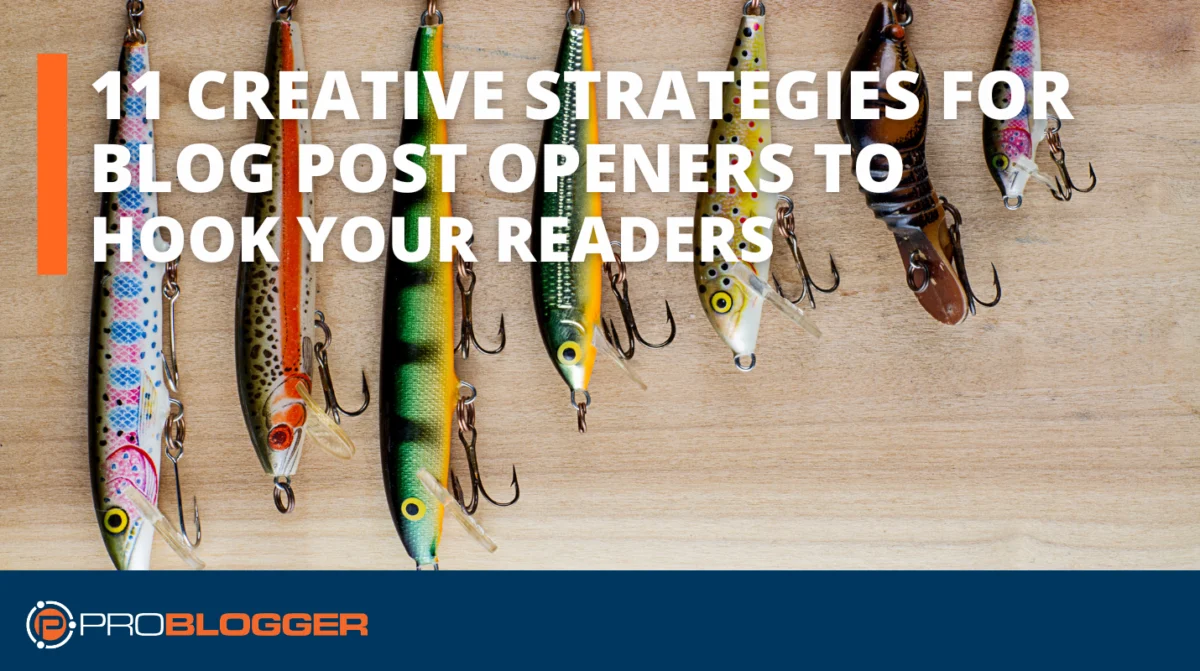
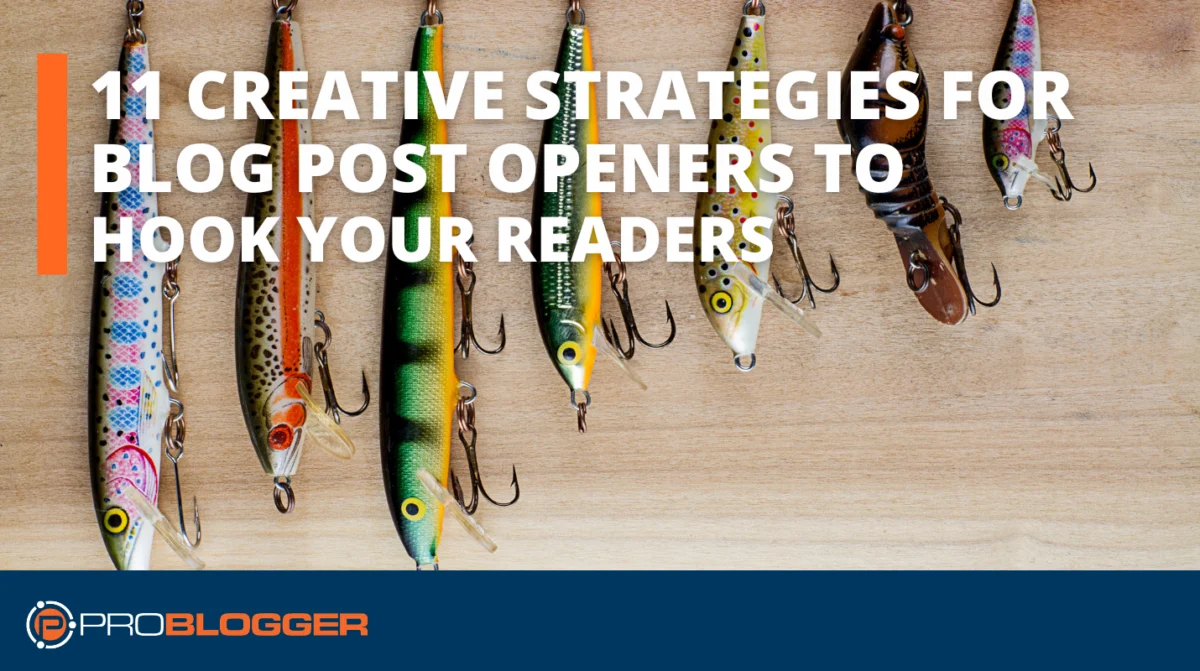
In the modern digital landscape, where the average human attention span has allegedly compressed to less than ten seconds, the opening sentence of any written piece has transitioned from a mere introduction to a critical performance metric. While the headline or title serves as the primary mechanism for generating initial traffic, industry experts and digital analysts agree that the "hook"—the first few lines of the body text—is the ultimate arbiter of reader retention. Professional content strategists argue that if the title’s purpose is to earn the click, the opening line’s sole function is to ensure the reader proceeds to the second sentence, effectively drawing them into the narrative or informational core of the article.
The importance of this transition cannot be overstated in an era defined by the "attention economy." According to data from the Nielsen Norman Group, users typically leave a web page within 10 to 20 seconds unless a clear value proposition is established almost immediately. For professional bloggers, journalists, and corporate communicators, mastering the art of the opening line is no longer an optional skill but a fundamental requirement for maintaining digital relevance and reducing bounce rates.
The Evolution of the Digital Lead: A Brief Chronology
The methodology for starting a story has undergone a significant transformation over the last century. In traditional print journalism, the "inverted pyramid" structure dictated that the most essential information—who, what, where, when, and why—be placed in the lead paragraph. This was designed for efficiency, allowing editors to cut stories from the bottom up and enabling readers to grasp the news quickly.
With the rise of the internet in the late 1990s, the "summary lead" began to compete with more creative approaches as personal blogging and long-form digital essays gained traction. By the mid-2000s, pioneers in the blogosphere, such as Darren Rowse of ProBlogger, began codifying specific strategies to combat "digital fatigue." The shift moved from purely informational leads to psychological hooks designed to trigger curiosity, empathy, or a sense of urgency. Today, in the 2020s, the opening line must also account for mobile-first consumption, where the "above the fold" real estate is extremely limited, making every word a vital asset in the struggle for engagement.
Analysis of 11 Strategic Approaches to Reader Engagement
To understand how to effectively anchor a reader’s attention, analysts have identified eleven distinct strategies that leverage psychological triggers and rhetorical devices. These methods are categorized by their ability to address reader needs, provoke thought, or provide sensory stimulation.
1. Pain Point Identification and Problem Resolution
The most direct method of engagement involves identifying a reader’s specific need or problem. By articulating a challenge that the reader is currently facing, the writer establishes immediate relevance. This strategy functions as a "promise of value." While the solution may not be delivered in the first sentence, the acknowledgment of the problem creates a psychological bridge between the reader’s current state and the desired outcome found deeper in the text.
2. The Binary Response Question
Copywriters frequently utilize "one-answer questions" to create instant alignment with the audience. By posing a question to which the target reader is almost certain to answer "yes," the writer fosters a sense of shared understanding. This technique creates a "consistency bias," where the reader, having agreed with the initial premise, is more likely to remain receptive to the subsequent arguments presented in the article.
3. The Curiosity Gap
The "curiosity gap" is a theory popularized by George Loewenstein of Carnegie Mellon University. It suggests that when there is a gap between what we know and what we want to know, we feel a sense of deprivation that can only be satisfied by obtaining the missing information. Asking an intriguing question that promises a unique revelation—such as "What is the one thing all successful CEOs do before 6:00 AM?"—leverages this biological drive to seek closure.
4. Pattern Interruption through Surprise
In a saturated content market, readers often develop "banner blindness" or "content fatigue." Using an unexpected fact, a counter-intuitive statement, or a surprising personal anecdote acts as a pattern interrupt. This forces the brain to switch from passive scanning to active processing. For instance, beginning a professional business article with a humorous anecdote about a mistaken identity serves to humanize the author and disarm the reader’s skepticism.
5. Narrative Transportation and Analogy
Human beings are evolutionarily predisposed to respond to stories. "Narrative transportation" refers to the phenomenon where a reader becomes so immersed in a story that they lose track of their physical surroundings. Starting with a brief story or a compelling analogy allows complex or dry topics to be framed within a relatable context, making the information more digestible and memorable.
6. The Bold Assertion
A strong, authoritative claim sets a high-stakes tone for the article. By making a significant promise or a bold statement regarding an industry trend, the writer establishes immediate authority. However, analysts warn that this strategy carries the highest risk; if the subsequent content fails to provide sufficient evidence for the claim, the writer may suffer a permanent loss of credibility with the audience.
7. Strategic Controversy
Provocation is a powerful tool for engagement. By challenging a status quo or expressing a strong, perhaps unpopular, opinion on a relevant topic, a writer can compel readers to continue reading—either to find common ground or to prepare a rebuttal. In the context of digital journalism, controversy often leads to higher social sharing and comment section activity, though it must be handled with factual precision to avoid accusations of "clickbait."
8. Sensory and Visual Imagery
Engaging the reader’s imagination through vivid descriptions allows them to "see" the scenario being described. This technique moves beyond abstract concepts and into the realm of experiential learning. By painting a picture of a successful future or a disastrous failure, the writer taps into the reader’s emotional drivers, which are often more persuasive than logical appeals alone.
9. Data-Driven Openings
In a "post-truth" era, statistics provide a veneer of objectivity and urgency. A startling statistic—such as "90% of all startups fail within the first year"—provides a factual foundation for the article’s premise. Data-driven leads are particularly effective in B2B (business-to-business) communication, where readers are looking for quantifiable justifications for their time investment.
10. The Authority Quote
Leveraging the words of a recognized expert or a historical figure allows a writer to "borrow" authority. A well-chosen quote can encapsulate a complex philosophy in a single sentence, providing a sophisticated entry point for the discussion. This method is most effective when the quote is not a cliché but offers a fresh perspective on the topic at hand.
11. Visual-First Integration
In the age of Instagram and TikTok, the relationship between text and image has become symbiotic. Opening a post with a high-impact, relevant image can serve as the primary hook. Research indicates that the human brain processes images 60,000 times faster than text. A striking visual can communicate the "mood" of a post before a single word is read, significantly increasing the likelihood of the reader engaging with the textual content.
Supporting Data and Industry Implications
The efficacy of these strategies is supported by a growing body of data regarding digital behavior. A study by Chartbeat, which analyzed 2 billion visits to 55,000 pages, found that 55% of visitors spend fewer than 15 seconds on a page. Furthermore, there is a direct correlation between "dwell time"—the amount of time a user spends on a page—and search engine optimization (SEO) rankings. Search engines like Google interpret long dwell times as a signal that the content is high-quality and relevant, which in turn boosts the article’s visibility.
The implications for the content marketing industry are profound. As AI-generated content becomes more prevalent, the "human hook"—the ability to use nuance, humor, and sophisticated rhetorical strategies to engage a reader—is becoming a key differentiator for professional writers. Automated systems can generate summaries, but they often struggle with the "surprise" and "analogy" strategies that require a deep understanding of human psychology and cultural context.
Conclusion and Future Outlook
The art of the opening line is a blend of psychological science and creative intuition. As digital platforms continue to evolve, the competition for human attention will only intensify. While the 11 strategies outlined above provide a robust framework for engagement, the most successful communicators will be those who can adapt these techniques to their specific audience’s changing preferences.
Future trends suggest a move toward even more personalized and interactive hooks. We may see the rise of dynamic opening lines that change based on a user’s previous reading habits or geographic location. However, regardless of the technology used to deliver the message, the fundamental principle remains unchanged: the first words must offer enough value, curiosity, or emotion to justify the reader’s most precious resource—their time. In the final analysis, the opening line is not just the start of a post; it is the handshake that begins a relationship between the writer and the reader. Without a firm, engaging start, the rest of the conversation may never happen.