Reynand Wu
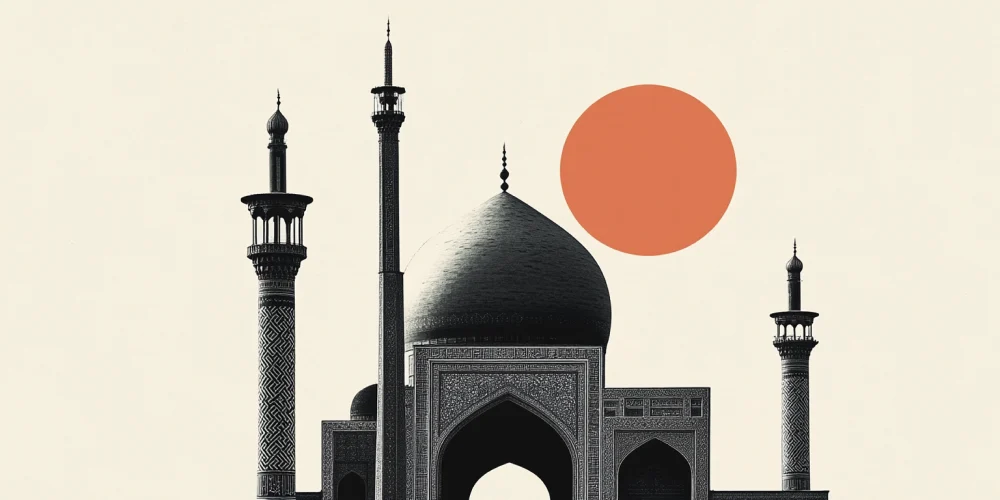
Tehran, Iran – In a significant diplomatic development signaling a potential recalibration of regional alliances and security architectures, Iran, Saudi Arabia, Pakistan, and Turkey convened high-level security discussions in Tehran on Monday, agreeing to maintain dialogue and enhance regional cooperation. The pivotal meeting, reported by the Islamic Republic of Iran Broadcasting (IRIB), marks a notable step towards de-escalation and collaborative security efforts among key Islamic nations.
A joint statement released following what was described as the inaugural meeting among senior officials representing an initiative referred to as the "Mecca Joint Defence Agreement" underscored a shared commitment to ongoing consultations, particularly on issues concerning regional peace, security, and stability. The gathering brought together influential figures from the respective nations, hosted by Mohsen Rezaei, Secretary of Iran’s Supreme National Security Council (SNSC). Attendees included Saudi Defence Minister Prince Khalid bin Salman, Pakistan’s army chief General Asim Munir, and Turkey’s intelligence chief Ibrahim Kalin. The composition of the delegation, featuring top security and military brass, highlights the strategic importance and security-focused nature of the discussions.
A New Chapter in Regional Diplomacy
The meeting’s occurrence in Tehran, with Saudi Arabia’s Defence Minister in attendance, is particularly striking given the historically fraught relationship between Riyadh and Tehran. While the two regional heavyweights formally restored diplomatic ties in March 2023 through a landmark agreement brokered by China, this direct engagement on security matters at such a high level signifies a deepening commitment to de-escalation and a potential shift towards a more integrated regional security framework. For years, the two nations were locked in proxy conflicts across the Middle East, from Yemen to Syria, shaping the region’s geopolitical landscape. The recent rapprochement, therefore, serves as a crucial backdrop to this expanded quadrilateral dialogue.
Pakistan and Turkey, both significant actors in their respective spheres and historically allied with different regional blocs or global powers, bring unique perspectives and strategic weight to the table. Pakistan, a nuclear-armed state with strong historical ties to Saudi Arabia and growing economic engagement with China and Iran, plays a critical role in South Asian and broader Islamic world security. Turkey, a NATO member with an increasingly independent foreign policy and significant influence across the Eastern Mediterranean, Black Sea, and parts of Africa, further diversifies the group’s strategic outlook. The collective presence of these four nations, representing major economic, military, and demographic power centers, suggests an ambition to forge a security paradigm that could significantly influence the geopolitical trajectory of West Asia and beyond.
The "Mecca Joint Defence Agreement" Initiative: Unpacking the Framework
The mention of a "Mecca Joint Defence Agreement" in the joint statement introduces a potentially new, albeit currently undefined, framework for regional security cooperation. While details regarding the specific nature, scope, and objectives of this agreement remain scant in public discourse, its nomenclature evokes a powerful sense of Islamic solidarity and collective defense. Mecca, as the holiest city in Islam, lends significant symbolic weight, suggesting an initiative rooted in shared religious and cultural heritage, potentially aiming to foster an indigenous security architecture independent of external powers.
Analysts speculate that such an agreement could evolve into a consultative body, a coordinated defense strategy against common threats like terrorism, or even a precursor to a more formalized military alliance. The emphasis on "dialogue and consultations" in the joint statement indicates an initial phase focused on trust-building and identifying common ground, rather than an immediate commitment to mutual defense obligations. However, the involvement of senior defense and intelligence officials suggests that the discussions are deeply rooted in practical security considerations, ranging from border security and counter-terrorism to cyber warfare and maritime safety in critical waterways like the Persian Gulf and the Red Sea.
Key Attendees and Their Strategic Mandates
The caliber of officials participating underscores the strategic gravity of the Tehran discussions:
- Mohsen Rezaei, Secretary of Iran’s Supreme National Security Council: As the head of Iran’s top national security body, Rezaei plays a pivotal role in shaping and executing Iran’s foreign policy and defense strategies. His hosting of the event signals Iran’s proactive stance in fostering regional security dialogues and potentially positioning itself as a central player in a new regional order. The SNSC is responsible for coordinating national security policies and has significant influence over military, intelligence, and diplomatic initiatives.
- Prince Khalid bin Salman, Saudi Defence Minister: Prince Khalid’s presence reflects Saudi Arabia’s evolving foreign policy, characterized by a pragmatic shift towards de-escalation and diversification of alliances. Under the ambitious Vision 2030, Saudi Arabia seeks regional stability to foster economic development and attract foreign investment. Engaging directly with Iran on security matters is a critical component of this strategy, aiming to reduce regional tensions that have historically deterred investment and necessitated high defense spending.
- General Asim Munir, Pakistan’s Army Chief: General Munir’s attendance highlights Pakistan’s dual interest in regional stability and its strategic relationships with both Saudi Arabia and Iran. Pakistan maintains robust military and economic ties with Saudi Arabia, often contributing to Gulf security. Simultaneously, it shares a long border with Iran and has increasing economic and strategic interests with Tehran, particularly in energy and regional connectivity projects. Pakistan’s role could be that of a bridge-builder, leveraging its diplomatic rapport with various regional actors.
- Ibrahim Kalin, Turkey’s Intelligence Chief: Kalin, a close confidant of President Erdoğan and a seasoned diplomat, represents Turkey’s assertive and multi-vector foreign policy. Turkey’s strategic location, its NATO membership, and its ambition to project influence across the Turkic world and the Middle East mean it carefully balances its relationships. Kalin’s participation suggests Turkey’s interest in shaping a regional security architecture that aligns with its national interests, possibly diversifying its security partnerships beyond traditional Western alliances.
Chronology of Recent Regional Diplomatic Shifts
The Tehran meeting does not occur in a vacuum but is a culmination of several recent diplomatic efforts and geopolitical shifts:
- March 2023: Iran-Saudi Rapprochement: The Beijing-brokered agreement to restore diplomatic ties between Iran and Saudi Arabia was a watershed moment, significantly lowering tensions in the Persian Gulf and opening doors for broader regional dialogue. This agreement has since led to the reopening of embassies and reciprocal visits, setting a precedent for direct engagement.
- Ongoing China-led Diplomacy: China’s increasing diplomatic footprint in the Middle East, characterized by its "no-strings-attached" approach and emphasis on economic cooperation, has provided a neutral platform for regional rivals to engage. This contrasts with the often security-centric and condition-laden diplomacy of Western powers.
- Turkey’s Regional Re-engagement: Over the past few years, Turkey has actively pursued a policy of normalization with several regional states, including Saudi Arabia, the UAE, and Egypt, after periods of strained relations. This pragmatic approach aims to enhance economic ties and de-escalate regional disputes.
- Pakistan’s Balancing Act: Pakistan has consistently sought to maintain good relations with both Iran and Saudi Arabia, navigating complex regional dynamics. Its participation in this quadrilateral forum underscores its commitment to regional stability and its desire to play a constructive role in fostering peace.
- Shifting Global Power Dynamics: The broader geopolitical landscape, marked by increased multipolarity and a perceived re-evaluation of traditional alliances, encourages regional powers to explore self-reliant security solutions and diversify their partnerships.
Broader Impact and Geopolitical Implications
The potential implications of this emerging quadrilateral security dialogue are far-reaching:
- Towards an Indigenous Regional Security Architecture: This initiative could represent a significant step towards developing a regional security framework driven by local actors, potentially reducing reliance on external powers. Such a framework could prioritize shared regional interests and address challenges through collective efforts.
- Reduced Regional Tensions and Proxy Conflicts: If sustained, the dialogue could foster greater trust and transparency, leading to a de-escalation of proxy conflicts and a more peaceful resolution of disputes across the Middle East. This would have profound implications for flashpoints like Yemen, Syria, and Iraq.
- Economic Connectivity and Development: Enhanced security and stability are prerequisites for economic growth. The four nations collectively represent a massive market and significant economic potential. Cooperation could facilitate the development of new trade routes, energy corridors, and infrastructure projects, such as extensions of China’s Belt and Road Initiative (BRI) or the International North-South Transport Corridor (INSTC).
- Shifting Global Alliances: While none of these nations are explicitly seeking to sever ties with traditional allies, this initiative signals a diversification of their strategic engagements. For instance, Turkey, a NATO member, engaging in such a forum with Iran and Saudi Arabia could complicate existing alliance dynamics but also offer new avenues for dialogue.
- Counter-terrorism Efforts: All four nations have faced significant challenges from various extremist groups. A coordinated approach to intelligence sharing, border security, and counter-terrorism strategies could significantly enhance regional security.
- Energy Market Stability: The Middle East remains the world’s most critical energy producing region. Enhanced stability and cooperation among key regional players, including two major oil producers (Iran and Saudi Arabia), could contribute to more predictable global energy markets.
Economic and Energy Market Reaction
While the long-term economic implications of such a security initiative are substantial, immediate market reactions are often muted or tied to broader geopolitical sentiment. At the time of writing, the West Texas Intermediate (WTI) crude oil benchmark was observed to be down 0.15% on the day at $100.43. This slight dip likely reflects a confluence of factors beyond this specific security meeting, such as global demand concerns, supply forecasts, and the strength of the U.S. Dollar.
However, the general trajectory of regional stability has a profound impact on oil prices. WTI Oil, a high-quality "light sweet" crude sourced in the United States, serves as a key benchmark alongside Brent and Dubai Crude. Its price is fundamentally driven by supply and demand. Political instability, wars, and sanctions in major producing regions, including the Middle East, can disrupt supply and send prices soaring. Conversely, periods of de-escalation and improved security can ease concerns about supply disruptions, potentially putting downward pressure on prices or stabilizing them.
The decisions of OPEC (Organization of the Petroleum Exporting Countries) and the expanded OPEC+ group (which includes Russia and other non-OPEC producers) are also critical drivers. Saudi Arabia, as a pivotal OPEC member and the world’s largest oil exporter, plays a significant role in global supply management. A more stable regional environment, fostered by dialogues such as the Tehran meeting, could reduce the geopolitical risk premium often embedded in oil prices, allowing market fundamentals to play a more dominant role. Furthermore, increased regional economic cooperation could lead to greater energy infrastructure development and more diversified trade routes, enhancing overall energy security.
Challenges and Outlook
Despite the promising start, the path forward for this quadrilateral cooperation is fraught with challenges. Deep-seated historical rivalries, differing national interests, and existing geopolitical alignments (e.g., Turkey’s NATO membership, Pakistan’s historical ties with the West) will require careful navigation. Implementing a truly joint defense agreement or even sustained security cooperation will demand significant trust-building, transparency, and a willingness to compromise on long-held strategic positions.
The nascent "Mecca Joint Defence Agreement" initiative represents an ambitious undertaking to reshape regional security dynamics. Its success will depend on the sustained commitment of all four nations to dialogue, their ability to find common ground amidst diverse interests, and their capacity to translate diplomatic agreements into tangible security and economic cooperation. The Tehran meeting marks a pivotal moment, signaling a desire among influential regional powers to forge a new path towards collective security and prosperity in a rapidly evolving global order.