Farhan Pambudi
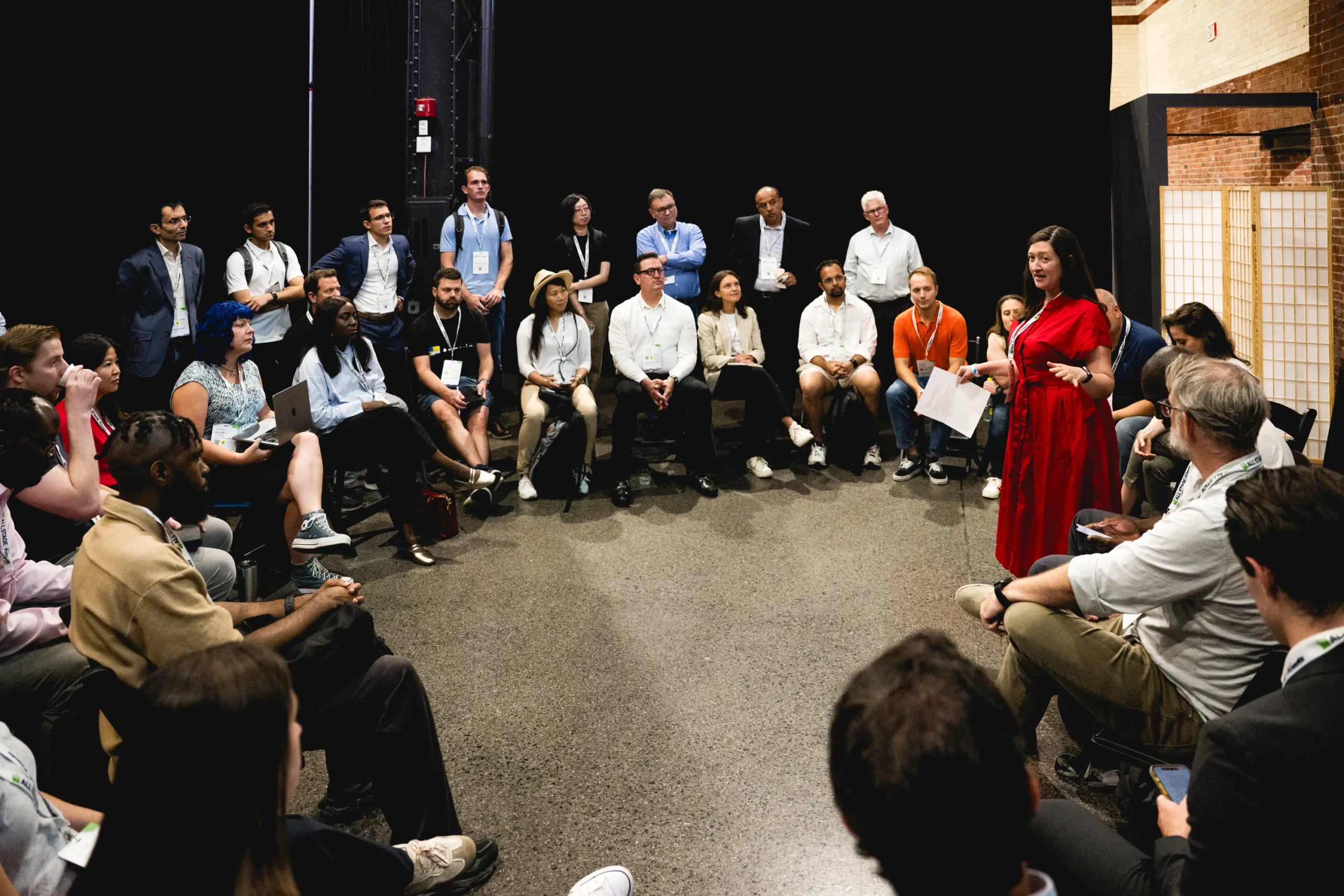
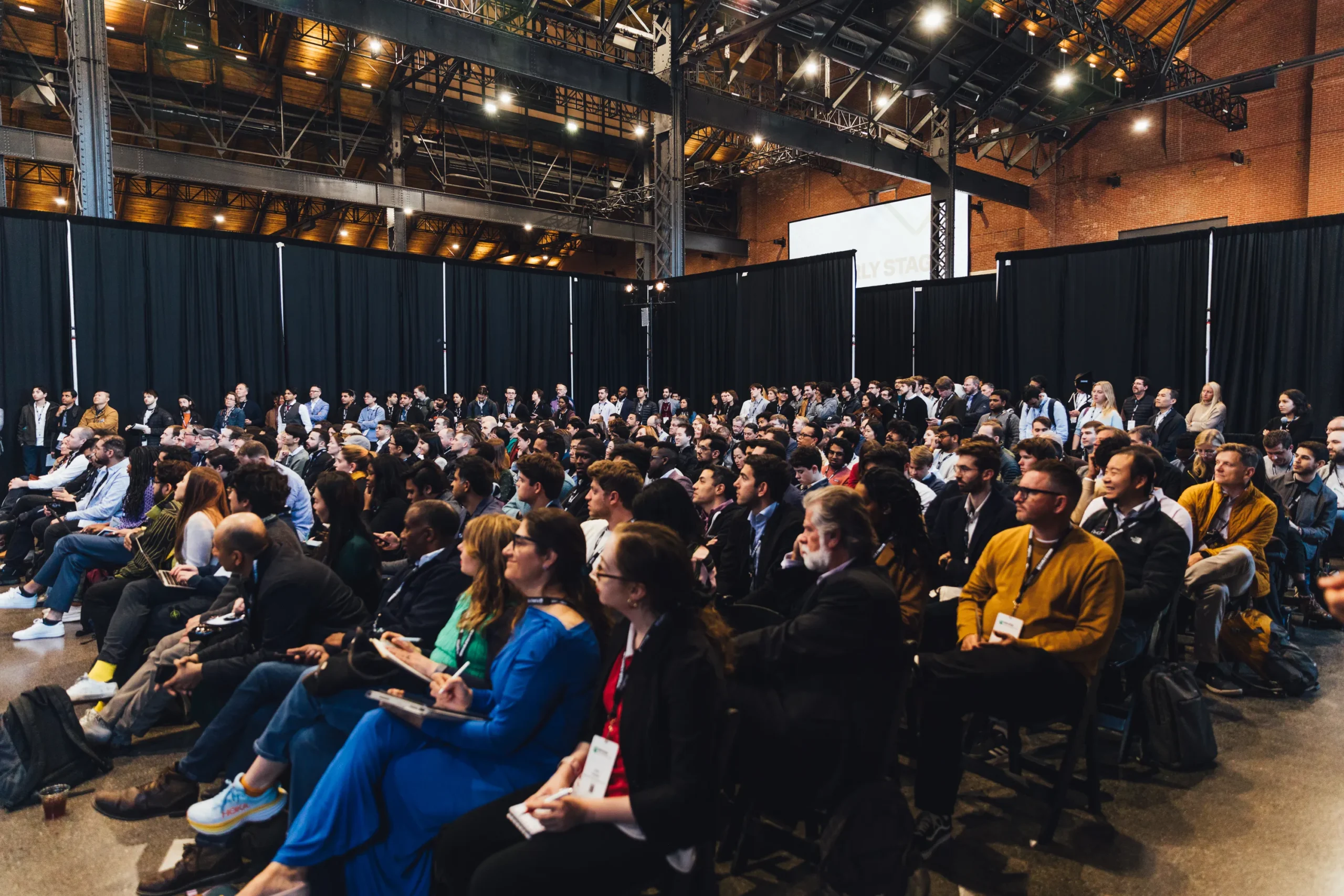
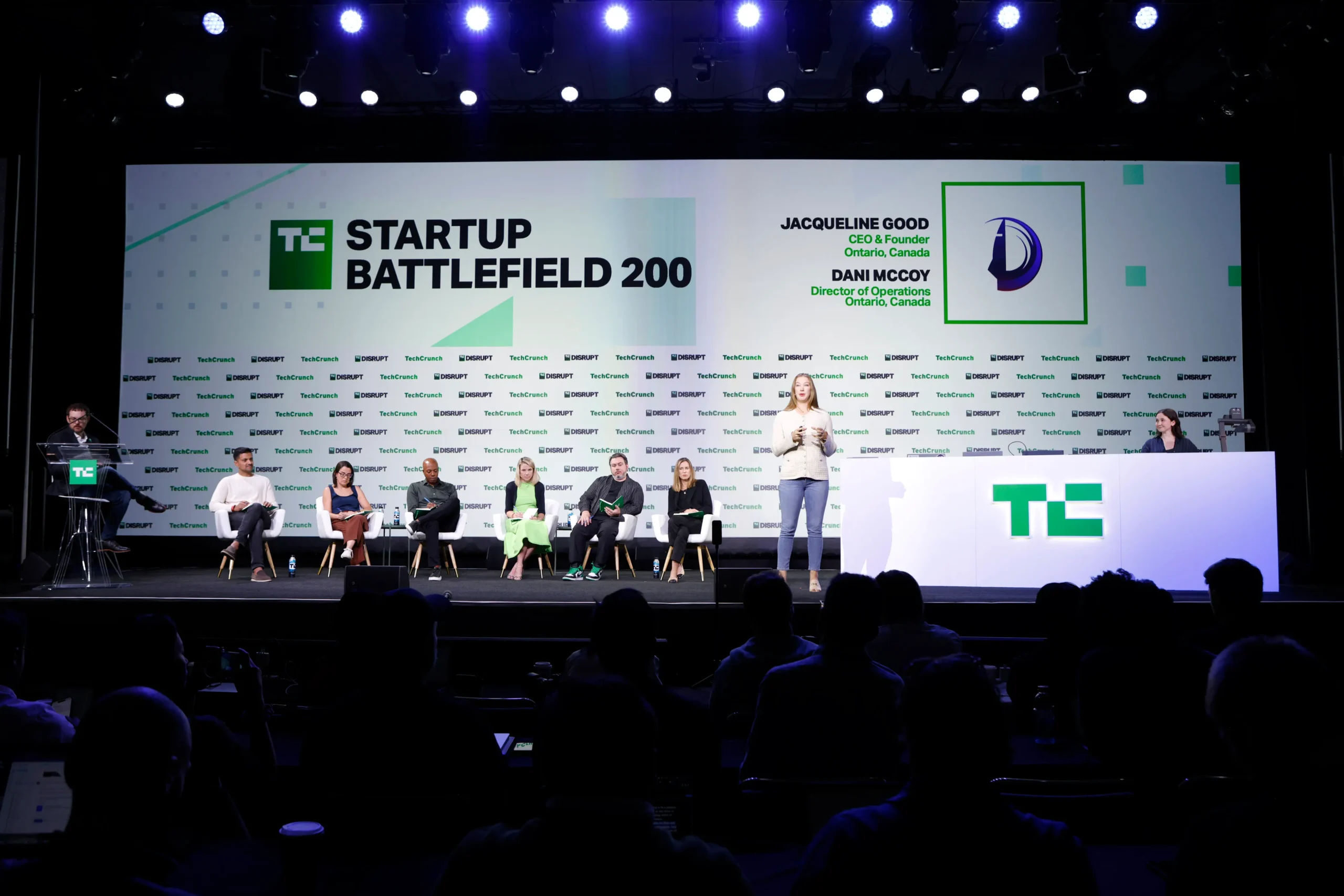
TechCrunch Disrupt 2026 is scheduled to commence in seven days, transforming Moscone West in San Francisco into a global epicenter for technological discourse from October 13 to 15. The event is expected to draw more than 10,000 participants, including startup founders, venture capitalists, corporate operators, and industry analysts. This year’s iteration arrives at a critical juncture for the technology sector, as the initial hype surrounding generative artificial intelligence matures into practical, scalable applications across diverse industries. Central to the 2026 program is a curated series of interactive, deep-dive roundtables designed to foster direct engagement between speakers and attendees, moving beyond the traditional lecture format to address the specific operational hurdles facing modern tech enterprises.
The roundtable agenda reflects a strategic shift in the industry’s focus toward "Physical AI," agentic workflows, and the rigorous financial discipline required for initial public offerings (IPOs) in a high-interest-rate environment. By facilitating these smaller, high-intensity discussions, the event aims to provide actionable intelligence on scaling, hiring, and fundraising. Currently, organizers are offering a promotional incentive where registrants can save $100 on their passes and receive a 50% discount on a second ticket, a move intended to encourage collaborative attendance by co-founding teams and investment partners.
The Evolution of TechCrunch Disrupt and the 2026 Context
Since its inception, TechCrunch Disrupt has served as a primary launchpad for companies that have redefined the digital economy, including Dropbox, Fitbit, and Cloudflare. The 2026 event continues this legacy but adapts to a landscape where software-as-a-service (SaaS) models are being challenged by AI-native architectures. San Francisco remains the host city, reinforcing its status as the world’s leading hub for AI development despite the rise of secondary tech corridors.
The 2026 chronology begins on October 13 with a focus on the foundational layers of the new tech stack. Day two shifts toward industry-specific applications, including healthcare and commerce, while the final day emphasizes the "Founder Playbook" and long-term wealth preservation following successful exits. This structured approach ensures that attendees can navigate the three-day event based on their specific growth stage, whether they are pre-seed innovators or late-stage executives preparing for a liquidity event.
Navigating the Frontier of Physical AI and Robotics
One of the most prominent themes of the 2026 roundtables is the transition from "bits to atoms." While previous years focused heavily on large language models (LLMs) and digital interfaces, this year’s agenda highlights the integration of AI into the physical world. Radha Basu, Founder and CEO of iMerit, will lead a session titled "Arm Wrestling Your Data: The Physical AI Challenge." Basu’s discussion is expected to address the critical bottleneck of data quality in robotics and autonomous systems, emphasizing that bigger models are insufficient without robust pipelines capable of handling edge cases in real-world environments.
This theme is further explored by Jackson Feder of MetaProp and Logan Farrell of Rugged Robotics. Their sessions, "Atoms vs. Bits" and "Beyond the Demo," will analyze the shift of AI into construction, infrastructure, and energy sectors. Analysts suggest that the "Physical AI" market represents a multi-trillion-dollar opportunity, as traditional industries seek to modernize through automation. However, as Farrell and partner Austin Yount will argue, the gap between a successful laboratory demo and a reliable, ROI-positive industrial product remains the primary hurdle for startups in this space.

The Crisis and Rebirth of Enterprise Software
The SaaS sector is currently undergoing a period of intense self-reflection. Rajeev Singh, CEO of Smartsheet, will spearhead a roundtable titled "Is SaaS Dead?" The session posits that AI is not merely a new feature for enterprise software but a force that is exposing the fragmentation and inefficiencies of traditional SaaS workflows. Singh’s analysis suggests that the next generation of enterprise tools will be defined by orchestration and organizational context rather than isolated functionality.
Complementing this perspective, Ankita Mehta of Databricks and Kevin Bai of Anthropic will discuss the rise of "agentic AI" and "forward-deployed engineers" (FDEs). Agentic AI refers to systems that can autonomously complete complex workflows rather than just answering queries. The inclusion of Databricks and Anthropic—two titans of the current AI era—highlights the importance of building trusted, verifiable systems that can move from pilot programs to full-scale production. Supporting data indicates that while 80% of enterprises have initiated AI pilots, fewer than 20% have reached scaled deployment, a gap these roundtables intend to bridge.
Financial Architecture and the Path to IPO
The 2026 agenda places a heavy emphasis on financial maturity, a reflection of the "growth at all costs" era being replaced by a focus on "sustainable scale." Eléonore Crespo, Co-founder of Pigment, and Sofia Fatakhova of Chime will discuss the "New Playbook for IPO-Ready Finance." Their session highlights a growing trend: companies are beginning their IPO preparations years earlier than in previous cycles. This involves automating financial documentation and building rigorous audit trails using AI-enabled tools.
Furthermore, the "100 Billion Entry Fee" session, led by Harrison Rolfes of PitchBook, will provide a data-driven look at capital concentration. With massive amounts of venture capital flowing into a handful of frontier AI labs, the roundtable will explore whether smaller startups can still compete and where the true moats of defensibility lie for founders outside the "big tech" ecosystem. This analysis is crucial for investors who must separate genuine technological progress from market hype.
Industry-Specific Transformations: Healthcare and Commerce
The speed of AI adoption has varied significantly across sectors. Brian Butler of Questa Capital will examine the healthcare industry’s surprising pivot. Historically, healthcare took four decades to adopt Electronic Health Records (EHRs), yet it has integrated generative AI within just three years. Butler will explore the barriers that remain, such as regulatory compliance and data privacy, and identify where founders can build durable value in the medical technology space.
In the retail sector, Srishti Chaudhary of Walmart eCommerce will discuss "The Commerce AI Playbook for the Intent Era." As shopping moves from keyword-based searches to intent-based agentic interactions, the session will analyze how personalization is being redefined and who will ultimately own the customer relationship in an AI-driven marketplace.
Regional Ecosystems and the "Hard Tech" Renaissance
A unique addition to the Disrupt 2026 agenda is the focus on localized innovation hubs. The "Rise of SoCal Hard Tech" session, sponsored by the New York Stock Exchange, will feature Kevin Hawkins and El Segundo Councilmember Drew Boyles. They will discuss why El Segundo has become a magnet for space, defense, and hard tech startups. This reflects a broader trend of "Gundo-style" innovation, where proximity to aerospace heritage and specialized talent is creating a new blueprint for tech cities.

Additionally, the "Berkeley Connect" session, sponsored by the UC Berkeley Sutardja Center for Entrepreneurship and Technology, will showcase the university’s role as the world’s top startup ecosystem. Featuring founders like Maryanne Alhallak and Anthea Guo of Lumeria, the discussion will illustrate how academic research is being translated into commercial success, particularly in the fields of biotechnology and skin-tech.
Strategic Implications and Event Logistics
The TechCrunch Disrupt 2026 roundtables are structured to move beyond theoretical discussion. For instance, Cassie Kozyrkov, former Chief Decision Scientist at Google, will lead an interactive "Founder Playbook" session focused on decision-making science. James Joaquin of Obvious Ventures will provide a historical perspective, comparing the current AI revolution to the birth of the internet, arguing that AI innovation is moving faster than any previous technology cycle.
For founders, the event offers practical sessions on fundraising, such as Aditi Maliwal’s "How to Land Your First Institutional Check" and Neil Sequeira’s "Doing More With Less." These sessions are designed to help entrepreneurs navigate the nuances of dilution, investor alignment, and the "AI-first" venture landscape.
The logistics for the event are as follows:
- Dates: October 13–15, 2026.
- Venue: Moscone West, San Francisco, CA.
- Target Audience: 10,000+ tech leaders.
- Registration: Open now, with tiered pricing and promotional discounts available for a limited time.
Conclusion: Shaping the Next Decade of Innovation
TechCrunch Disrupt 2026 serves as more than just a networking event; it is a barometer for the health and direction of the global technology economy. By prioritizing roundtables that tackle the "brutal truths" of leadership, the complexities of physical AI, and the rigorous requirements of the public markets, the conference provides a roadmap for the next decade. As the industry moves past the initial excitement of large language models, the focus in San Francisco this October will be on the hard work of building reliable, profitable, and impactful companies. The insights generated during these three days are expected to influence venture capital allocations and corporate strategies well into 2027 and beyond.