Gilang Muhammad
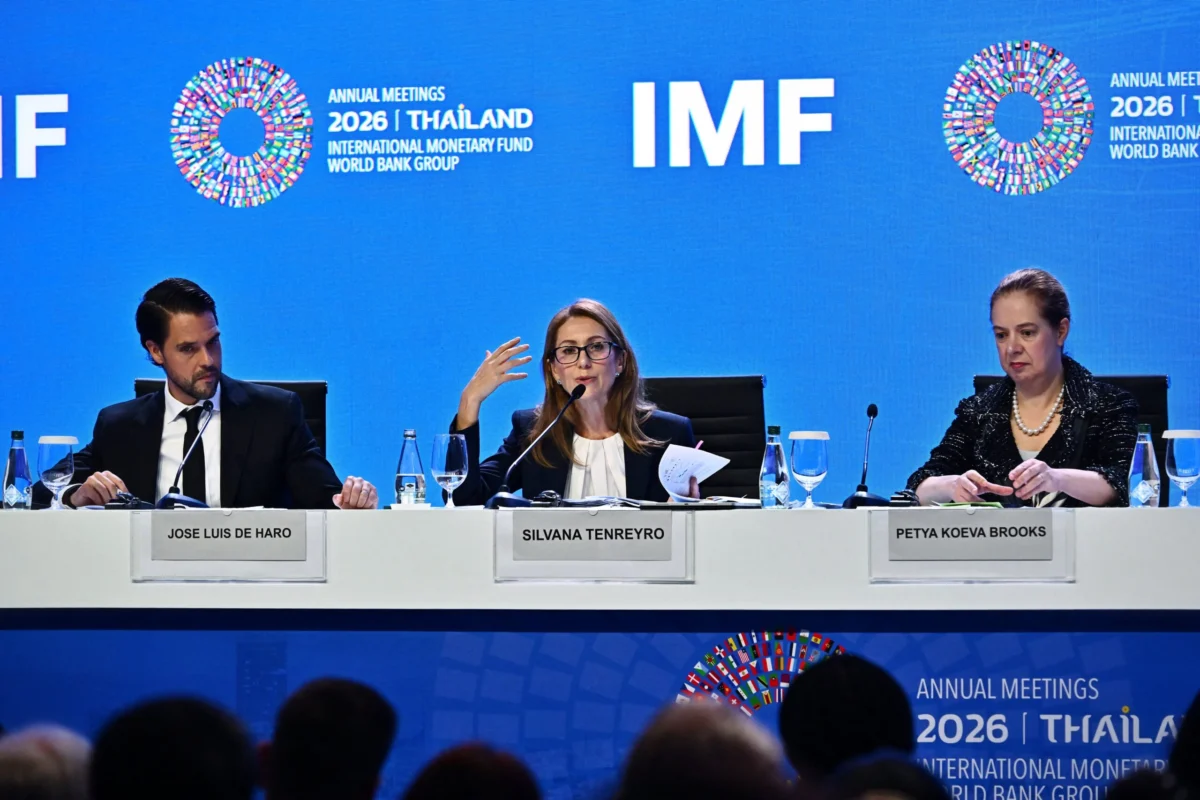
BANGKOK – The International Monetary Fund (IMF) has adjusted its forecast for global economic growth in 2026, raising it slightly to 3.1% from the 3% projected in July, primarily attributing this resilience to an artificial intelligence (AI)-driven investment surge. However, this cautious optimism is tempered by a stark warning that the global economy’s ability to withstand shocks is nearing its breaking point, exacerbated by persistent geopolitical tensions, elevated energy costs, and burgeoning public debt. The revised outlook, presented at the Annual Meetings of the IMF and the World Bank Group (WBG) held at the Queen Sirikit National Convention Center (QSNCC) in Bangkok on October 13, 2026, underscores a complex and increasingly uneven global economic landscape.
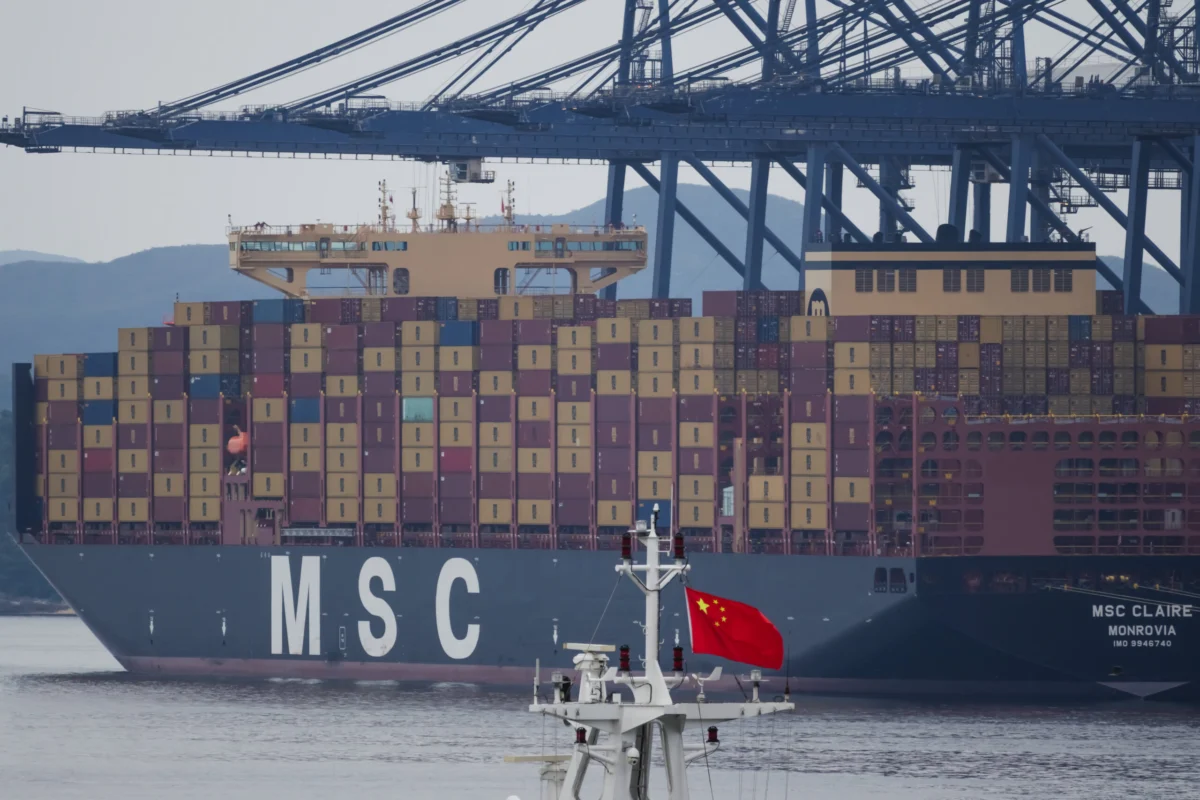
The upward revision for 2026, while positive, still marks a deceleration from the 3.5% growth rate observed in 2025. For 2027, the IMF maintained its growth projection at 3.4%. Concurrently, the UN agency revised its inflation forecast upwards for 2027 to 4.1%, a notable increase from the 3.9% estimated in July. This adjustment comes as the anticipated reopening of the Strait of Hormuz, a critical global oil transit chokepoint, has been pushed back. The IMF now expects the strait to reopen in March 2027, with conditions returning to pre-conflict levels by October of that year, significantly later than its July estimate which envisioned a mid-July 2026 reopening and pre-war normalcy by March 2027. For the current year, the inflation outlook remained steady at 4.7%.
Silvana Tenreyro, Economic Counsellor and Director at the IMF Research Department, articulated the fund’s concerns during a press briefing. "The global economy has been resilient, but that resilience is reaching its limits," Tenreyro cautioned reporters, emphasizing the urgent need for policymakers worldwide to prioritize the restoration of fiscal space and the enhancement of supply-chain security. The prolonged closure or disruption of the Strait of Hormuz has already impacted global energy markets, with Gulf crude exports averaging only 88% of pre-conflict levels in September, despite some recent pickup in traffic. This ongoing vulnerability highlights the fragility of global supply lines in the face of geopolitical instability.
The AI Dividend and Its Dual Nature
The IMF’s latest World Economic Outlook (WEO) highlights AI-related investment as a significant "demand impulse" that has unexpectedly bolstered economic activity in the first half of 2026. This surge in technological spending, particularly in sectors like semiconductors, data centers, and power generation, has helped cushion the impact of the Middle East conflict and simmering trade tensions. Financial markets, too, have largely remained calm, a phenomenon the fund suggests may partly reflect "AI-related exuberance." This sentiment indicates a strong investor belief in the transformative power and profitability of artificial intelligence, driving capital into related enterprises.
However, the IMF report also meticulously details the potential pitfalls of this AI-driven boom. While it has provided a much-needed boost, this massive, front-loaded demand shock is occurring before broad productivity gains have fully materialized across the economy. This disjuncture raises concerns about potential inflationary pressures and financial fragility. A key risk identified is a possible reassessment of AI-related profitability and productivity prospects. Should investor expectations prove overly optimistic, or if the anticipated productivity gains fail to materialize at the projected pace, the report warns of a sharp correction in equity markets. In a downside scenario where AI productivity gains fall short, the IMF projects a potential 20% decline in U.S. equities and a global growth rate 1.1% below its baseline estimates by 2028, with Asia potentially facing an even steeper 1.7% reduction. This underscores the speculative element currently embedded in the AI-fueled economic narrative.
Geopolitical Undercurrents and Energy Market Volatility
The ongoing conflict in the Middle East remains a formidable headwind, significantly impacting global energy markets. The revised timeline for the Strait of Hormuz’s reopening is a testament to the protracted nature of regional instability. This vital waterway, through which approximately one-fifth of the world’s total oil consumption passes daily, has seen sustained disruptions. The IMF noted that measures such as diversifying fuel sources and tapping strategic reserves have, to some extent, contained the energy market turmoil. For instance, the International Energy Agency (IEA) estimated that global strategic petroleum reserves (SPRs) were drawn down by an average of 1.5 million barrels per day in 2025 in response to initial supply shocks, and this trend has continued into 2026 at an accelerated pace.
However, the report warns that this "cushion is rapidly narrowing." Global oil reserves are currently being drawn down by an estimated 2.7 million barrels a day. This rate is approaching critical levels that could trigger sharp price movements and exacerbate inflationary pressures. The persistent energy constraints could also impair the momentum generated by AI-led investments, as data centers and AI infrastructure are inherently energy-intensive. The average price of Brent crude, which saw a peak of over $120 per barrel during the initial phase of the conflict, has since stabilized around $90-$95, but the renewed uncertainty around the Strait of Hormuz could push it higher, potentially revisiting triple-digit figures. Such increases would translate into higher import bills for energy-dependent nations, squeezing real incomes and limiting fiscal maneuverability.
The Bangkok Meetings: A Forum for Global Dialogue
The IMF and World Bank Annual Meetings in Bangkok serve as a crucial platform for global economic discourse. Attended by finance ministers, central bank governors, development officials, and private sector executives from the IMF’s 191 member countries, these gatherings are typically held in October each year to discuss the state of the global economy, identify emerging risks, and coordinate policy responses. Key themes dominating this year’s agenda include the escalating geopolitical tensions, the alarming rise in global public debt, and the profound implications of artificial intelligence.
The setting in Bangkok, a major economic hub in Southeast Asia, also highlights the region’s growing importance in the global economy, particularly as a beneficiary and contributor to the AI and tech boom. Discussions often extend beyond the WEO to encompass topics such as climate finance, poverty reduction, digital currencies, and strengthening multilateral cooperation. The presence of senior officials from institutions like the World Trade Organization (WTO) and the Bank for International Settlements (BIS) further enriches the dialogue, offering diverse perspectives on pressing global challenges.
An Increasingly Skewed Economic Landscape

The IMF report paints a picture of increasingly uneven global growth. A striking statistic reveals that just 32 economies now account for 95% of global growth, a significant concentration compared to 54 economies in April 2026. This disparity underscores a divergence driven by countries’ exposure to war-induced supply shocks and their integration into the AI-led demand strength.
-
Tech-Driven Powerhouses: Economies with limited exposure to the Middle East conflict and robust tech ecosystems are thriving. Taiwan, a linchpin in the global semiconductor supply chain, is forecast to grow by an impressive 10.7% this year. Similarly, South Korea, another semiconductor giant, is projected to expand by 3.3% in 2026, a substantial rebound from 1.1% in 2025, fueled by insatiable demand for advanced chips essential for AI development. The United States, buoyed by strong private consumption, supportive fiscal policies, and significant tech investment, is projected to achieve 2.3% growth in both 2026 and 2027. This consistent performance solidifies its position as a key driver of global demand.
-
Emerging Resilience: India continues its trajectory as the fastest-growing major economy, with the IMF forecasting robust growth of 7.0% in both 2026 and 2027. These figures represent upgrades of 0.6 and 0.3 percentage points from July, respectively, driven by robust domestic demand, a vibrant services sector, and increasing AI-related investment. India’s burgeoning digital economy and young, tech-savvy population position it favorably to capitalize on the AI revolution.
-
Struggling Regions: In contrast, energy importers outside the immediate tech supply chain face significant headwinds. The euro zone is estimated to eke out a modest 1.1% growth this year, grappling with persistently high energy costs, weak consumer confidence, and the lingering effects of global instability. The Middle East and Central Asia region is projected to contract by 0.3% this year, with several Gulf nations, including Bahrain, Iraq, Kuwait, and Qatar, facing double-digit declines due to conflict-related disruptions and lower oil output. However, these economies are anticipated to experience double-digit rebounds in 2027 as stability hopefully returns and oil markets normalize.
-
China’s Balancing Act: China is forecast to grow by 4.5% in 2026 and 4.0% in 2027. The country faces a delicate balancing act, with higher oil prices and entrenched structural headwinds—such as property market strains and sluggish domestic consumption—weighing on overall activity. Its second-quarter growth of 4.3% was weaker than expected, as robust exports were insufficient to offset internal challenges. The IMF had previously cut China’s growth forecast in its July update, reflecting these ongoing domestic pressures.
As the IMF succinctly put it, "The global economy is not simply slowing or accelerating; rather, growth is being reallocated across countries according to their exposure to the war-induced supply shock and AI-related demand strength."
Mounting Fiscal Pressures and the Debt Conundrum
A significant concern highlighted in the WEO is the escalating pressure on public finances. Advanced-economy benchmark yields, such as the U.S. 10-year Treasury, have climbed to multi-decade highs. This surge in borrowing costs is attributed to a confluence of factors: resurgent inflation, the expected trajectory of policy rates, and growing concerns over fiscal sustainability. Adding to this pressure is the substantial borrowing by technology firms to finance massive AI investments, which competes with government borrowing for available capital.
The IMF projects that public debt in advanced economies will reach 115% of GDP by 2031, a significant increase from 108% in 2025. For emerging and developing economies, the forecast is equally concerning, with debt climbing to 84% from 74% over the same period. Primary deficits in the largest economies remain substantially larger than their pre-pandemic levels. Governments are also contending with higher real interest rates and shorter debt maturities, which increase refinancing risks. Furthermore, rising defense spending pressures, driven by heightened geopolitical instability, are adding to fiscal burdens globally. For example, NATO members are increasingly pressured to meet the 2% of GDP defense spending target, diverting funds from other public services or necessitating increased borrowing.
Silvana Tenreyro underscored the critical need for fiscal responsibility, stating that rebuilding fiscal space is "increasingly urgent." She urged governments to ensure that any support provided to households grappling with higher energy and food costs remains "temporary, targeted, and nondistortionary" to avoid exacerbating inflationary pressures or creating long-term fiscal liabilities.
Monetary Policy Stance and Inflation Outlook
Amidst these challenges, the IMF reiterated its stance on monetary policy, advising central banks to remain "sufficiently restrictive" to guide inflation back to target levels in a timely manner. Tenreyro stressed the paramount importance of central bank independence, especially as governments face mounting financing pressures that could tempt them to seek monetary accommodation. Historically, episodes where central banks have succumbed to political pressure to finance government deficits have invariably led to spiraling inflation.
The fund’s models now indicate an approximately 35% probability that global inflation will exceed 5% in 2027, an increase from 30% in April. This upward revision reflects the persistence of supply-side pressures, the delayed reopening of critical shipping lanes, and the potential inflationary impact of the AI investment boom. While some disinflationary forces are at play, the overall risks to the inflation outlook remain "tilted to the downside," meaning there’s a higher chance of inflation surprising on the upside rather than the downside. This necessitates continued vigilance and proactive measures from monetary authorities worldwide.
In conclusion, the global economy in 2026 finds itself at a precarious juncture. While the innovative surge in AI-related investment offers a powerful engine for growth, it also introduces new complexities and risks, from potential market overvaluation to inflationary pressures. Coupled with persistent geopolitical instability, particularly in the Middle East, and the looming challenge of unsustainable public debt, policymakers face a delicate balancing act. The IMF’s message from Bangkok is clear: adaptive and prudent policymaking, focused on fiscal consolidation, supply chain resilience, and independent monetary action, will be crucial to navigate these turbulent waters and ensure a stable and inclusive global economic future.