Farhan Pambudi
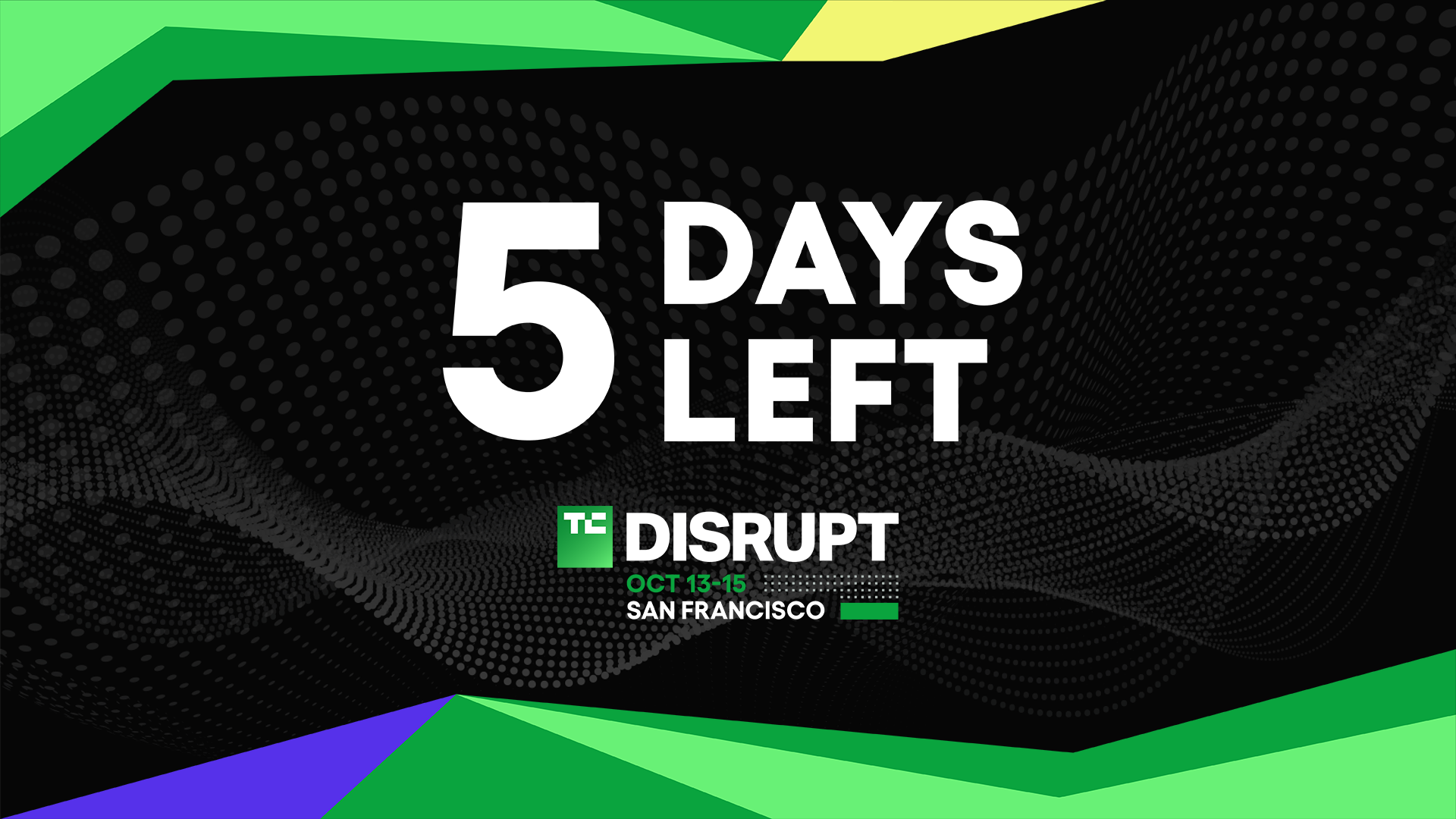
In exactly five days, the Moscone West convention center in San Francisco will transform into the epicenter of the global technology landscape as TechCrunch Disrupt 2026 officially commences. Scheduled to open its doors at 8 a.m. PT on October 13, the three-day summit serves as a critical junction for founders, venture capitalists, engineers, and industry analysts. With the final countdown underway, organizers have signaled that this year’s iteration will be one of the most expansive in the event’s history, featuring more than 200 sessions distributed across six specialized stages.
The significance of Disrupt 2026 arrives at a pivotal moment for the tech industry. As the sector navigates the transition from the initial hype of generative artificial intelligence to the practical implementation of agentic systems and autonomous robotics, the gathering at Moscone West offers a litmus test for the "next big thing." For many participants, the event is not merely a conference but a high-stakes networking environment where the next generation of "unicorns" is often identified through the prestigious Startup Battlefield 200 competition.
A Legacy of Innovation: The Evolution of Disrupt
TechCrunch Disrupt has long held a reputation as the premiere launchpad for early-stage startups. Historically, the event has been the site where companies such as Dropbox, Trello, and Fitbit first gained international recognition. In 2026, the stakes remain high. The Silicon Valley ecosystem continues to serve as the primary hub for global venture capital, and Disrupt acts as the physical manifestation of this financial and intellectual flow.
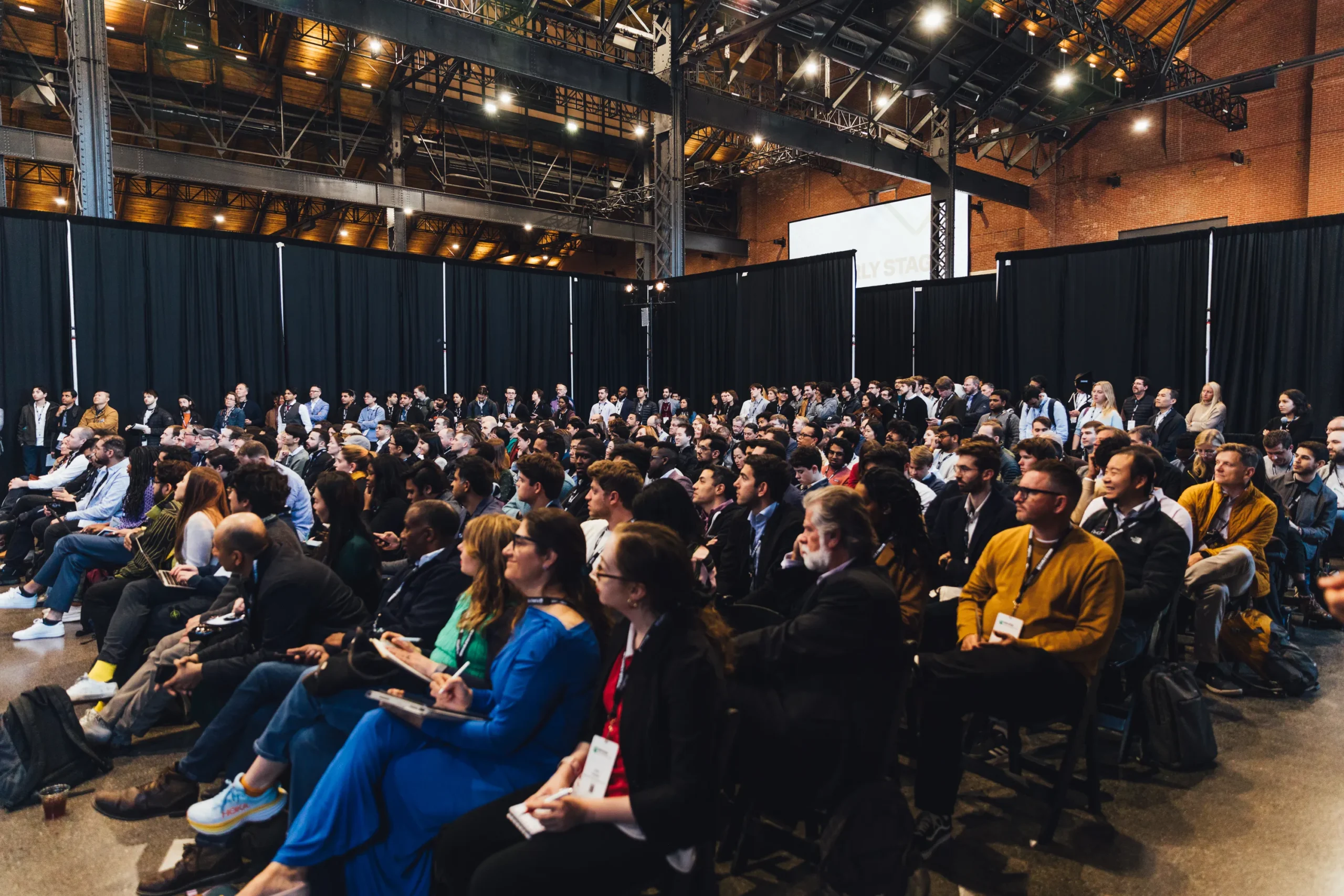
The 2026 event is expected to draw approximately 10,000 attendees, representing a diverse cross-section of the global tech economy. This includes representatives from established Big Tech firms, agile seed-stage startups, and institutional investors looking for the next breakthrough in fintech, energy, or hardware. The location—San Francisco’s Moscone West—reaffirms the city’s enduring status as the world’s leading technology cluster, despite recent narratives regarding the decentralization of tech talent.
The Six-Stage Architecture: Specialized Insight for a Complex Market
To manage the breadth of modern technology, Disrupt 2026 is organized into six distinct stages, each focusing on a specific vertical or functional area of the business lifecycle. This modular structure allows attendees to curate a personalized experience based on their professional requirements.

The Disrupt Stage and Startup Battlefield 200
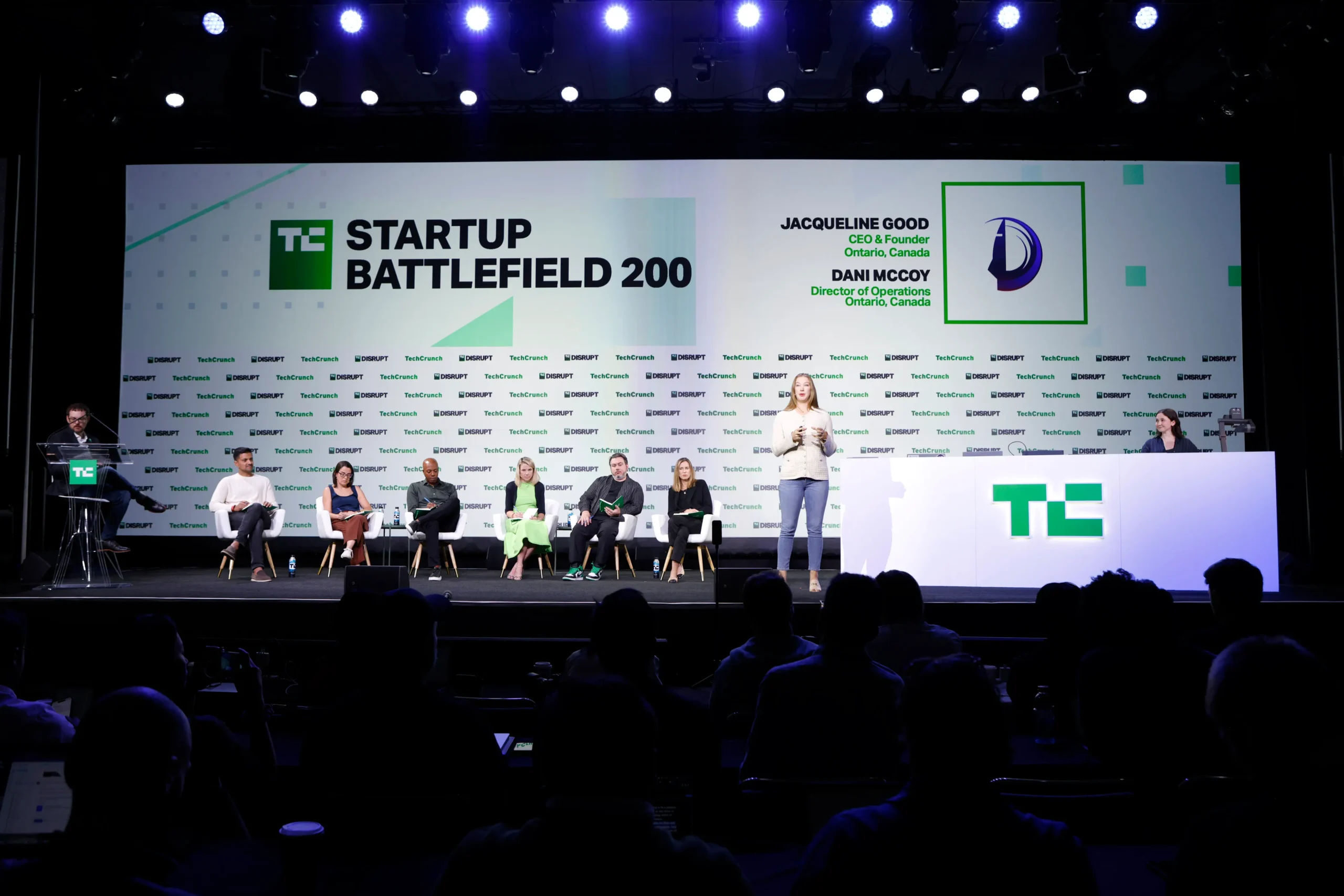
The Disrupt Stage remains the centerpiece of the event. It is here that the Startup Battlefield 200 takes place—a rigorous competition where 200 hand-selected startups pitch their innovations to a panel of expert judges. Beyond the competition, the stage will host "big picture" conversations with some of the most influential figures in the industry.
This year’s lineup includes Max Hodak, founder of Science Corporation and former president of Neuralink, who is expected to discuss the future of brain-computer interfaces and neurotechnology. Joining him will be Garrett Langley of Flock Safety and Andrew Feldman of Cerebras Systems, the latter of whom has become a central figure in the race to develop specialized AI chips that challenge the dominance of legacy hardware providers. In a notable departure from traditional tech speakers, actor and entrepreneur Mark Wahlberg will also appear, likely discussing the intersection of celebrity branding, consumer technology, and fitness-tech investments.
The Builders Stage: Tactical Growth and Scaling
For founders currently in the trenches of company building, the Builders Stage offers a "tactical workshop" environment. The sessions here move away from abstract theory and focus on the mechanics of fundraising, hiring in a competitive market, and achieving product-market fit. Representatives from Nvidia, Uber, and Google Cloud are scheduled to share internal methodologies for scaling operations from small teams to global enterprises.
The Dual Faces of AI: Theoretical and Real-World Applications
Reflecting the current market obsession, Disrupt 2026 features two dedicated AI tracks. The AI Stage will delve into the software side of the revolution, focusing on generative models and the emerging field of agentic AI—autonomous agents capable of executing complex tasks without constant human oversight. Experts from Anthropic, OpenAI, and AWS will lead these discussions, providing insight into the roadmap for Large Language Models (LLMs) through 2027.
Conversely, the Real World AI Stage will focus on the physical manifestation of intelligence. This stage will feature live demonstrations of robotics and autonomous vehicles. Industry leaders from General Motors and Agility Robotics will showcase how AI is being integrated into logistics, manufacturing, and transportation, moving the conversation from chatbots to functional hardware.
Smart Money and Smart Systems: The Infrastructure of the Future
The Smart Money Stage is dedicated to the evolving world of fintech. Discussions will cover the mainstreaming of stablecoins, the modernization of payment rails, and the integration of AI into financial infrastructure. Leaders from Robinhood, American Express, and Airwallex will provide a perspective on how traditional banking is merging with decentralized finance (DeFi).

Finally, the Smart Systems Stage will address the physical and digital backbone of the modern world. This includes data center efficiency, sustainable energy solutions, and industrial automation. With the massive energy demands of AI training, the inclusion of companies like Helion and Ambrosia Energy highlights the critical need for breakthrough energy production to sustain tech growth.
The Expo Hall: A Marketplace of Ideas and Direct Engagement
While the stages provide the narrative, the Expo Hall provides the substance. Featuring more than 300 companies, the hall allows for direct interaction between builders and potential partners or investors. This environment is designed to facilitate serendipitous networking, allowing attendees to step outside their specific niches and discover cross-disciplinary innovations.
A key feature of the 2026 Expo Hall is the live pitching area for early-stage startups. These informal sessions provide a lower-pressure environment for founders to hone their messaging and catch the eye of the venture capitalists who frequent the floor. For many, the Expo Hall is where the actual business of Disrupt happens—through handshakes, product demos, and private sidebar meetings.
Addressing Industry Volatility: The Layoff Ticket Initiative
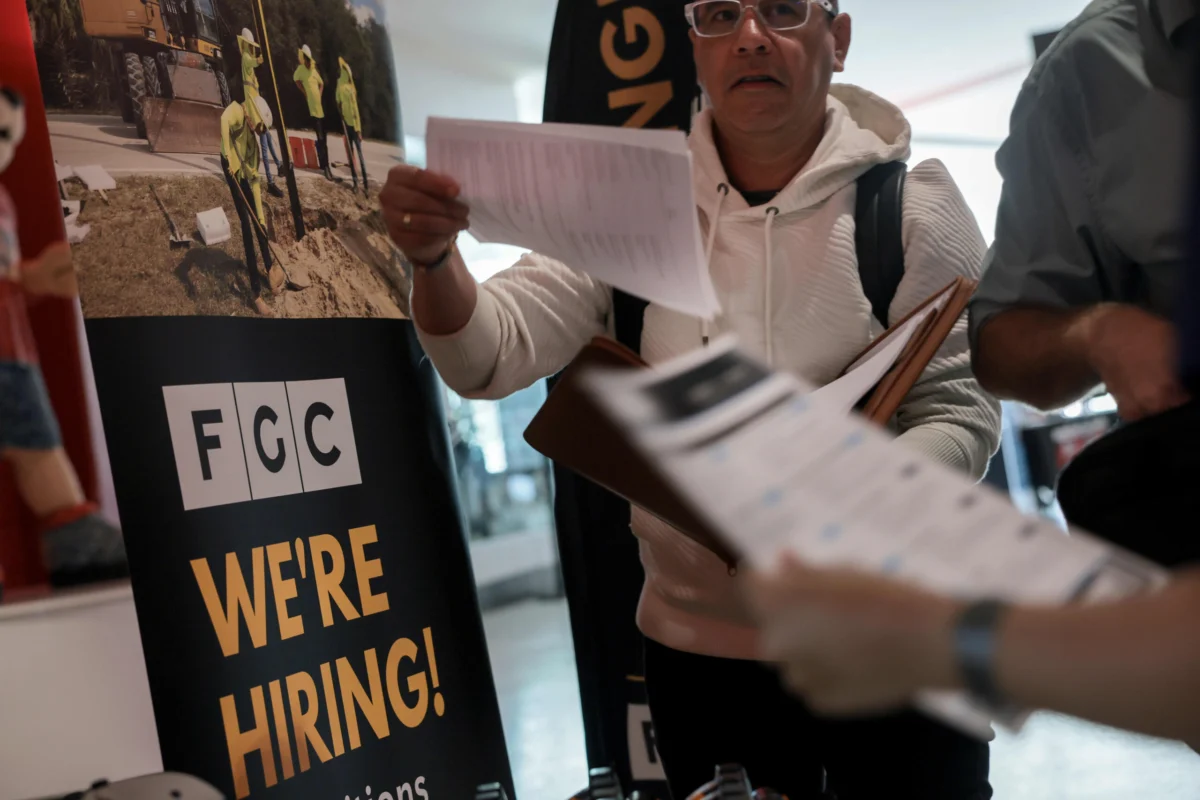
One of the more socially conscious aspects of Disrupt 2026 is the continuation of the "Expo+ Layoff" ticket. The technology sector has faced significant workforce fluctuations over the past two years, with many talented engineers and product managers finding themselves between roles. By offering a heavily discounted $75 ticket to those recently laid off, TechCrunch aims to ensure that the event remains an inclusive platform for professional rebounding. This initiative acknowledges the cyclical nature of the industry and provides a pathway for displaced workers to reconnect with the ecosystem and find their next opportunity.
Chronology of the Final Countdown
As of today, five days remain until the official start. The timeline for the upcoming week is as follows:
- October 8–11: Final logistical preparations at Moscone West; early arrival of international delegations.
- October 12: Pre-event networking mixers and private VIP receptions held across the SoMa district.
- October 13, 8:00 a.m.: Doors officially open; opening keynote address on the Disrupt Stage.
- October 13–15: Full conference programming, including the Startup Battlefield heats and the final crowning of the 2026 winner.
- October 15, Evening: Post-event wrap parties and the commencement of the "Disrupt After Dark" series.
Analysis: The Strategic Importance of the 2026 Summit
From a strategic perspective, Disrupt 2026 is more than a trade show; it is a barometer for the health of the venture capital market. Following the high-interest-rate environment of 2024 and 2025, the tech industry has shifted its focus from "growth at any cost" to "sustainable innovation." The sessions at this year’s event are expected to reflect this shift, with a heavy emphasis on unit economics and clear paths to profitability.

Furthermore, the heavy presence of AI-related stages suggests that the industry is entering a "deployment phase." If 2024 was the year of experimentation and 2025 was the year of integration, 2026 is being positioned as the year of measurable impact. The discussions at Disrupt will likely set the tone for how regulators and the public view the rapid advancement of these technologies over the next several years.
Final Registration and Pricing Logistics
For those who have not yet secured their attendance, the window for discounted rates is closing rapidly. Current pass prices start at $299, with a specific promotion offering 50% off a second pass of the same type. This "pair discount" is intended to encourage collaborative attendance between founders or team leads. Group rates are also available for organizations sending four or more representatives.
As the tech world prepares to descend upon San Francisco, the message from the organizers is clear: the opportunity to engage with the architects of the future is now. With five days left on the clock, the final preparations are being made for what promises to be a defining moment for the global tech community in 2026.