Gilang Muhammad
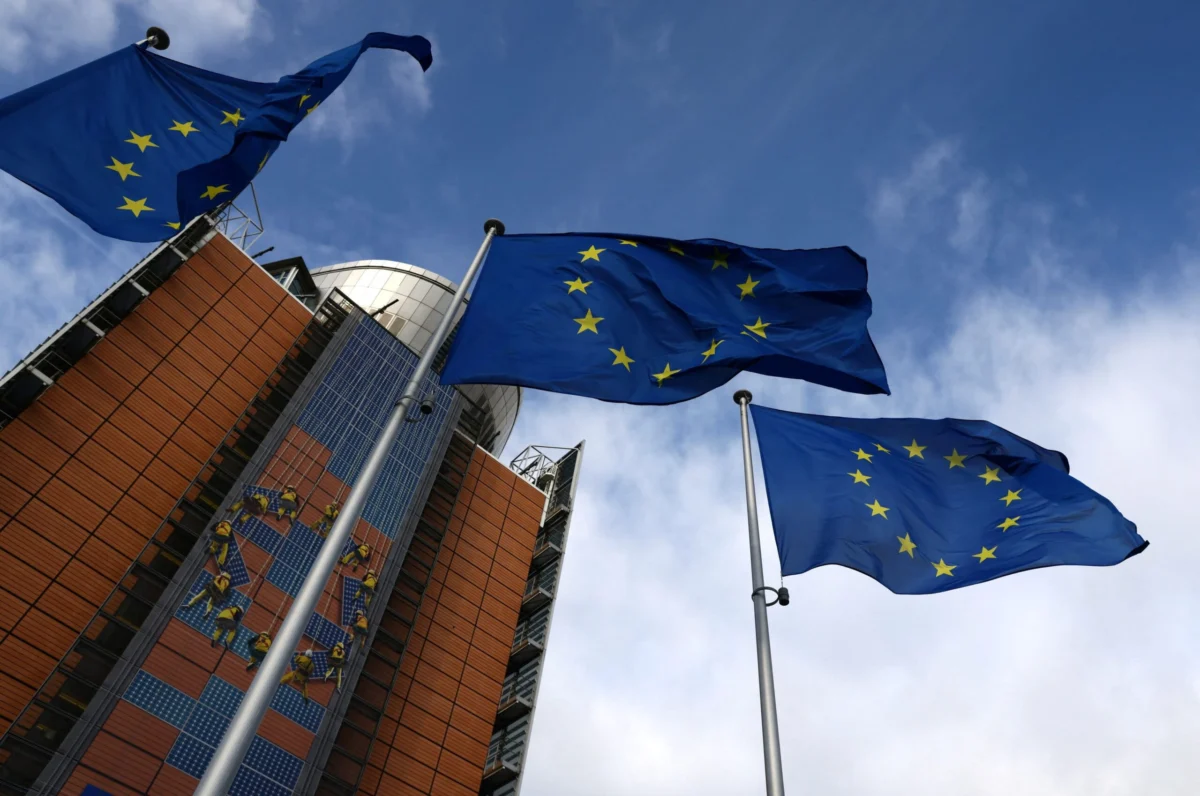
China’s Commerce Ministry spokesperson He Yadong confirmed on Thursday that Beijing is willing to continue approving rare earth licenses for European destinations, emphasizing that the upcoming U.S. deadline would not impact these shipments. This declaration comes at a pivotal moment, offering a degree of reassurance to European industries heavily reliant on these vital minerals, even as broader trade tensions persist between global powers. The commitment underscores China’s nuanced approach to international trade, seeking to maintain economic ties with key partners like Europe while navigating complex relations with the United States.
Unpacking the "Green Channel": Beijing’s Strategic Overture to Brussels
The announcement follows a recent diplomatic thawing between the EU and China. Last week, European Trade Commissioner Maroš Šefčovič met with Chinese Commerce Minister Wang Wentao in Beijing, a high-level engagement that appears to have yielded concrete assurances. During these discussions, China reportedly expressed its willingness to implement a "green channel" mechanism to facilitate the uninterrupted flow of rare earths to Europe. This specialized trade channel suggests a streamlined process designed to bypass potential bureaucratic hurdles or retaliatory measures, ensuring a more predictable supply chain for European manufacturers.
However, this commitment was not unconditional. Beijing simultaneously requested that the European bloc support China’s imports of certain products, particularly those in dual-use sectors. Dual-use technologies, which have both civilian and military applications, have become a flashpoint in global trade, often subject to export controls and scrutiny due to national security concerns. China’s reciprocal demand highlights its strategic objectives: securing access to advanced technologies and components from Europe, potentially to bolster its own industrial capabilities, even as it provides crucial raw materials. This intricate negotiation reflects the delicate balance of interests and leverage in contemporary international trade, where access to strategic resources and advanced technology are often intertwined. The EU Commission leaders are currently meeting in Brussels on Thursday and Friday, with trade negotiations with China, including these specific details, expected to be high on their agenda, as they weigh the benefits of stable rare earth supplies against potential concessions on dual-use goods.
A Complex Chronology of Trade Tensions and Truces
The current rare earth landscape is shaped by a complex and often turbulent chronology of trade disputes, particularly between the United States and China. Last October, Beijing significantly tightened restrictions on all exports of rare earths, extending controls even to products containing as little as 0.1% of China-sourced rare earths. This move was widely interpreted as a strategic response to escalating U.S. actions. Coinciding with China’s restrictions, the U.S. Department of Commerce expanded its American blacklist, encompassing majority-owned subsidiaries of Chinese companies on an entity list. This expansion was substantial, potentially affecting an estimated 20,000 Chinese entities and signaling a broad effort to curb China’s access to critical technologies and components.
However, a temporary de-escalation occurred later that month. At a crucial meeting in late October 2025, Chinese President Xi Jinping and then-U.S. President Donald Trump agreed to suspend these reciprocal measures for one year. This truce provided a much-needed respite, allowing global supply chains to stabilize somewhat. Ahead of the leaders’ most recent summit last month, U.S. Treasury Secretary Scott Bessent announced that this truce had been extended by an additional two months, pushing the deadline to January. This series of actions and counter-actions underscores the highly politicized nature of critical raw material trade, where economic leverage is often deployed as a tool in broader geopolitical rivalries. China’s latest reassurance to Europe, independent of the U.S. deadline, signals a potential diversification of its trade strategy, seeking to de-link its rare earth exports to Europe from its contentious relationship with Washington.
Europe’s Critical Reliance: The Strategic Importance of Rare Earths
Rare earth elements (REEs) are a group of seventeen chemically similar metallic elements that are indispensable to modern technology. Despite their name, most are not particularly rare in the Earth’s crust; however, they are rarely found in economically viable concentrations and their extraction and processing are complex and environmentally intensive. These elements possess unique magnetic, catalytic, and optical properties that make them crucial components in a vast array of high-tech products. From consumer electronics like smartphones and laptops to advanced military equipment, rare earths are foundational.
For Europe, their importance is particularly acute in key strategic sectors driving the continent’s green and digital transitions. Rare earths are essential for the permanent magnets used in electric vehicles (EVs) and wind turbines, critical for achieving renewable energy targets. They are also vital for high-performance motors, catalysts in automotive emission control systems, medical imaging equipment, fiber optics, and numerous defense applications, including precision-guided munitions and radar systems. The European Union’s ambitious climate goals and its drive for digital sovereignty make a secure and stable supply of these materials non-negotiable.
Europe’s reliance on China for rare earths is profound and presents a significant strategic vulnerability. China currently dominates the global supply chain, accounting for over 60% of global rare earth mining, more than 85% of processing capacity, and nearly 90% of permanent magnet production. For specific heavy rare earths, China’s dominance is even more pronounced. European industry estimates suggest that the EU imports approximately 98% of its rare earth magnets from China, a figure that highlights the severe dependency. This over-reliance has spurred the EU to launch initiatives like the Critical Raw Materials Act, aiming to diversify supply sources, boost domestic mining and processing, and enhance recycling capabilities to build a more resilient and autonomous supply chain. However, these efforts are long-term and expensive, making China’s continued willingness to export rare earths a critical short-to-medium term consideration for European industrial stability.
China’s Dominance and Global Market Dynamics
China’s overwhelming dominance in the rare earth sector is not merely a matter of geological fortune but a result of decades of strategic industrial policy, massive state investment, and a willingness to absorb the environmental costs associated with extraction and processing. Historically, while other countries like the U.S. (Mountain Pass mine) once had significant rare earth production, China’s aggressive expansion in the late 20th and early 21st centuries allowed it to consolidate control over the entire supply chain, from mining to separation, refining, and magnet manufacturing.
This strategic position has, at times, allowed China to wield rare earths as a geopolitical tool. A notable example occurred in 2010 when China temporarily restricted rare earth exports to Japan amidst a territorial dispute, sending shockwaves through global markets and prompting other nations to recognize their vulnerability. This incident led to a World Trade Organization (WTO) dispute and ultimately spurred concerted efforts in the U.S., Europe, and Japan to explore alternative sources and processing capabilities. However, despite these efforts, China’s cost advantages, established infrastructure, and expertise have made it incredibly difficult for other nations to significantly erode its market share. Today, China’s rare earth industry is consolidated under a few large state-owned enterprises, giving Beijing substantial control over pricing and supply. This control allows China to strategically manage exports, influencing global technology trends and leveraging its position in broader trade negotiations. The decision to assure Europe of continued rare earth exports, even as it grapples with the U.S., illustrates China’s strategic use of its rare earth monopoly to foster specific bilateral relationships and potentially create wedges between Western allies.
The Broader Geopolitical Chessboard: US-China-EU Dynamics
The current rare earth developments are set against a backdrop of complex and evolving geopolitical dynamics between the U.S., China, and the EU. The U.S. has pursued a strategy of "decoupling" from China in critical technology sectors, citing national security concerns, intellectual property theft, and human rights issues. This strategy has manifested in export controls, blacklists, and efforts to reshore or "friendshore" supply chains. Europe, while sharing some of the U.S.’s concerns regarding China’s economic practices and geopolitical ambitions, has generally adopted a more nuanced "de-risking" approach. This strategy aims to reduce critical dependencies on China without completely severing economic ties, recognizing the deep integration of the Chinese economy into global supply chains and the potential economic costs of full decoupling.
China’s offer of a "green channel" for rare earths to Europe, independent of the U.S. trade deal, can be interpreted as a strategic maneuver within this geopolitical chessboard. By offering stability to Europe, Beijing potentially aims to:
- Prevent a united front: Undermine any potential for the EU to align too closely with the U.S.’s more confrontational stance.
- Maintain economic ties: Ensure continued access to the lucrative European market and European technology, particularly in dual-use sectors.
- Demonstrate reliability: Position itself as a reliable, albeit conditional, supplier of critical raw materials, contrasting with the perceived unpredictability of its trade relations with the U.S.
- Gain leverage: Use its rare earth dominance as leverage to secure concessions or maintain market access for its own goods in Europe.
For the EU, accepting this offer could stabilize vital supply chains for its industries, but it also carries the risk of deepening its dependency on China and potentially creating friction with the U.S., which might view such an arrangement as undermining allied efforts to pressure Beijing. The discussions in Brussels this week will undoubtedly involve a careful balancing act, as European leaders weigh immediate industrial needs against long-term strategic autonomy and transatlantic solidarity. The resolution of this rare earth issue could set a precedent for how the EU navigates its complex relationship with both China and the U.S. in an increasingly multipolar world.
Industry Reactions and Future Outlook
The reassurance from China’s Commerce Ministry regarding continued rare earth exports to Europe will likely be met with a mixture of relief and cautious optimism by European industries. Manufacturers in the automotive, renewable energy, and electronics sectors, which are particularly vulnerable to supply disruptions, will welcome the stability. Industry associations, such as the European Automobile Manufacturers’ Association (ACEA) or WindEurope, would likely highlight the immediate positive impact on production schedules and investment planning, acknowledging the critical role rare earths play in meeting demand for electric vehicles and wind turbines. However, this relief is unlikely to overshadow the underlying strategic imperative to diversify.
Analysts generally concur that while the "green channel" offers a short-term solution, it does not resolve Europe’s fundamental vulnerability. The long-term outlook for Europe’s rare earth strategy involves significant investment in new mining projects outside China (e.g., in Scandinavia or Africa), the development of advanced processing and refining capabilities within the EU, and a robust push for urban mining and recycling of rare earth-containing products. Companies like Lynas Rare Earths (Australia) or Energy Fuels (U.S.) are examples of non-Chinese producers that Europe might seek to partner with. Furthermore, research into alternative materials and technologies that reduce or eliminate the need for rare earths in certain applications is also gaining traction. The current agreement, therefore, buys Europe time but does not absolve it of the necessity to build a more resilient and self-sufficient supply chain for these indispensable materials. The "green channel" might be a temporary bridge, but Europe’s ultimate goal remains to build its own stable rare earth infrastructure.
EU Commission Deliberations: Charting the Path Forward
As European Commission leaders gather in Brussels, the details of these trade negotiations with China, particularly concerning rare earths and dual-use products, will be subject to intense scrutiny. The EU faces a delicate balancing act: securing essential raw materials for its industries while upholding its values, protecting its strategic interests, and avoiding over-reliance on any single supplier. The discussions will likely focus on several key areas:
- Due Diligence and Conditions: Scrutinizing the terms of China’s "green channel" offer, including the reciprocal demands for dual-use product imports, to ensure that any agreement aligns with EU security and ethical standards.
- Supply Chain Resilience: Reviewing how this agreement fits into the broader Critical Raw Materials Act and the EU’s long-term strategy to diversify sources, boost domestic processing, and enhance recycling capabilities.
- Transatlantic Relations: Considering the implications for the EU’s relationship with the United States, especially if the agreement is perceived as diverging from U.S. efforts to constrain China.
- Strategic Autonomy: Assessing whether the arrangement genuinely contributes to the EU’s goal of strategic autonomy or merely shifts the nature of its dependency.
- Monitoring Mechanisms: Establishing robust mechanisms to monitor the implementation of the "green channel" and ensure that China adheres to its commitments without engaging in discriminatory practices.
The outcome of these deliberations will shape Europe’s approach to critical raw material security and its broader trade policy with China for years to come. The decision will reflect the EU’s pragmatic need for economic stability versus its long-term strategic goals and geopolitical alignment, underscoring the complexities of navigating a fragmenting global economic order.