Ella Zulfa
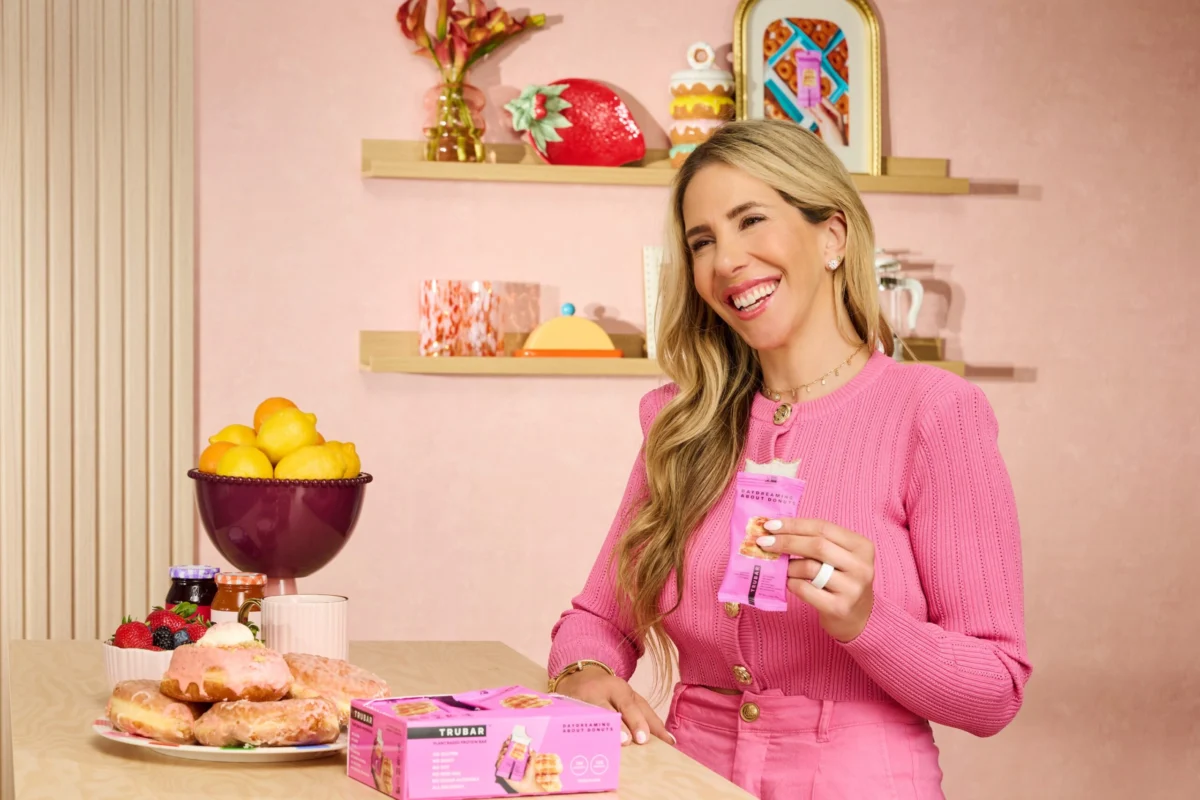
Erica Groussman’s entrepreneurial journey with Trubar, a health-conscious snack company, began not in a boardroom, but with a simple wooden tray from Bed Bath & Beyond, a selection of protein bars, and a compelling proposition for local businesses: place these on your counter and see if customers buy them. The answer was a resounding yes, leading to repeat orders and laying the foundation for a company that has since become a significant player in the U.S. retail market, ultimately culminating in a $173 million acquisition by Turkish snack giant Eti Gida. By 2026, Trubar had achieved remarkable milestones, shipping nearly 46 million protein bars and grossing approximately $100 million in 2025, solidifying its position as a leader in the better-for-you snack category.
The Genesis of a Better-For-You Snack
Groussman’s path to entrepreneurship was not a straight line through the food industry. Her early experiences, however, instilled a strong work ethic. As a child, her mother assigned her a newspaper route, an early lesson in responsibility and the rewards of consistent effort. After studying communications at UCLA, Groussman pursued careers in film finance and real estate before transitioning to life as a stay-at-home mother to her two children. It was during this period of dedicated family focus that the inspiration for Trubar struck.
A pivotal moment occurred during a family trip to Disney. Groussman had packed snacks, including a protein bar from a well-known brand. While the taste was acceptable, the aftermath was not. "I remember just feeling very ucky," Groussman recounted. "My belly was very distended and uncomfortable. That was my epiphany. There has to be a better way." This personal experience ignited a mission to create a protein bar that not only aligned with health-conscious values but also delivered on taste and digestibility, aiming to rival the indulgence of a dessert without the accompanying physical discomfort.
The development process was a meticulous blend of scientific expertise and sensory evaluation. Groussman collaborated with a food scientist, leveraging her network and conducting extensive research. This iterative process involved rigorous tasting, texture analysis, and a keen focus on identifying and eliminating unpleasant aftertastes. "We’ll taste the bar, and I’ll say what I taste," she explained. "What am I getting afterwards? What’s the aftertaste? What do I want to see more of? Do I want more crunchy?" This hands-on, sensory-driven approach became a hallmark of Trubar’s product development.
From Local Counters to National Shelves: The Early Growth of Trubar
Launched officially in 2018 with Groussman at the helm as CEO, Trubar’s initial product line featured enticing flavors such as "Daydreaming About Donuts," "Oh Oh Cookie Dough," "Saltylicious Almond Love," and "Smother Fudger Peanut Butter." The "Oh Oh Cookie Dough" flavor quickly emerged as an early bestseller, demonstrating immediate consumer appeal.
Groussman’s initial strategy for market penetration was characterized by resourcefulness and direct engagement. She personally placed Trubar bars on the counters of any local businesses that would agree, including juice shops, delis, beauty salons, and independent retailers. This grassroots approach allowed her to gather immediate feedback and prove demand. The businesses would set their own prices, typically between $3 and $4 per bar, and reorder when their initial stock sold out. This simple, yet effective, sales loop validated the core concept of Trubar’s appeal. "That’s how I knew it was good because they were selling," Groussman stated. "People were buying them and then asking to buy more."
Navigating Challenges: A Costly Misstep and a Resilient Comeback
As Trubar gained traction, Groussman sought to scale beyond smaller retailers. In an effort to accelerate growth, she brought in an individual she believed possessed extensive experience in the protein bar industry. At the time, she was managing the company while also raising her children and overseeing home construction, a demanding juggling act. Although Groussman remained CEO, the arrangement with the external operator proved to be a significant setback. The individual’s spending habits outpaced the company’s early revenue streams, leading to substantial financial difficulties.
Looking back, Groussman acknowledged underestimating her own capabilities. "I knew more than I thought I knew," she reflected. "We always doubt ourselves." The operator’s management led to the business accumulating $7 million in debt, a stark contrast to the modest early sales from smaller retailers. Despite her husband’s counsel to consider the venture a loss and move on, Groussman’s deep commitment to Trubar fueled her resolve. "It’s a part of me," she told him. "I really want to keep it going."
Breakthroughs in Major Retail: Whole Foods and Costco
Groussman’s unwavering dedication paved the way for Trubar’s entry into larger, more influential retail chains. A significant turning point came with Whole Foods. Through persistent outreach to a contact on LinkedIn, Groussman secured a trial placement in 30 Whole Foods locations around 2020. Despite a complete absence of a marketing budget, Trubar quickly became the top-selling protein bar in those stores, outperforming established competitors like RXBAR and Kind. This success underscored the product’s inherent appeal and competitive edge.
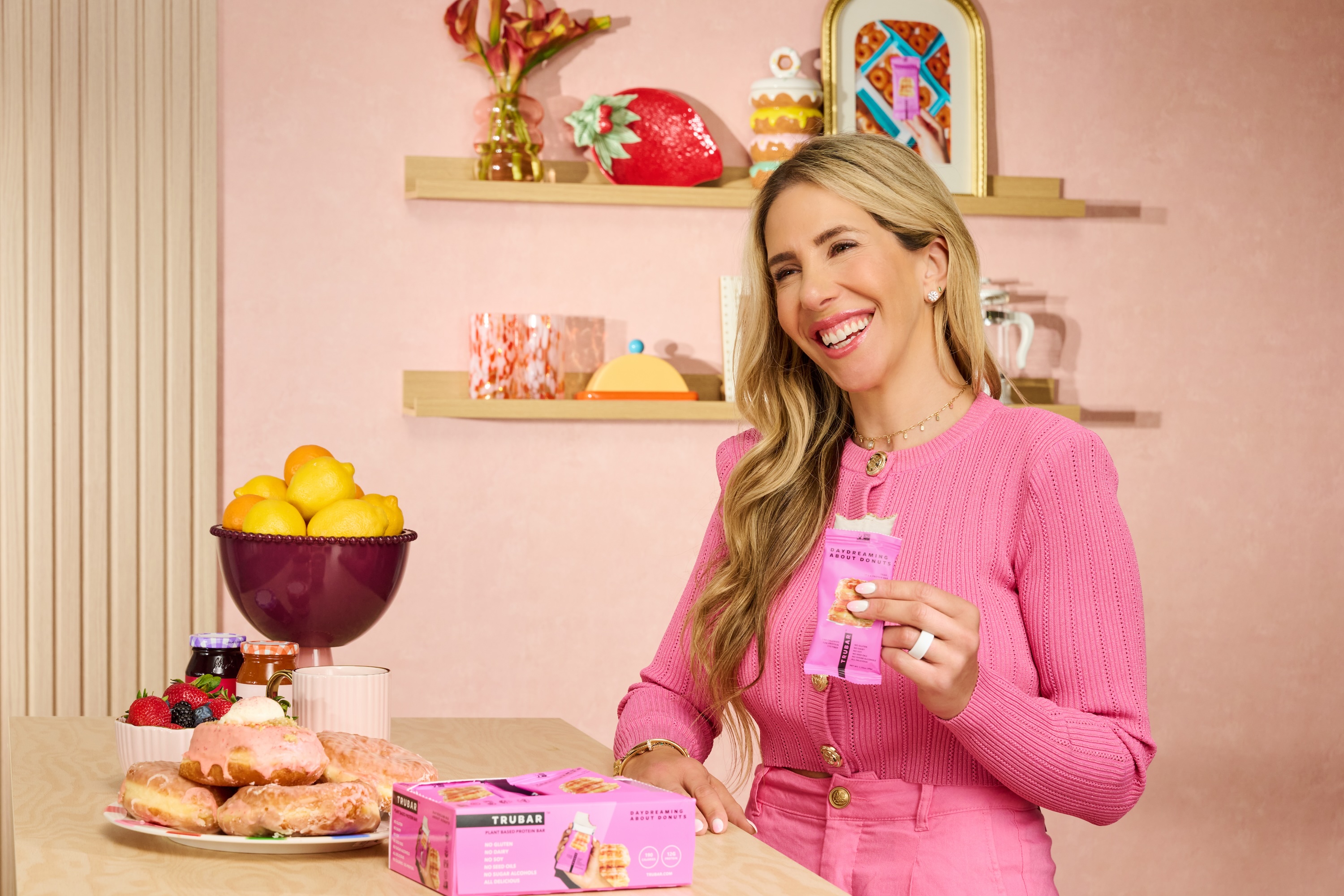
Costco presented another crucial, albeit more complex, milestone. Trubar’s initial foray into Costco was in Canada during the COVID-19 pandemic. The launch faced headwinds, partly due to the brand’s lower recognition in the Canadian market and potential pricing disadvantages for a U.S. brand. However, a subsequent rollout in the U.S. proved significantly more successful. This experience offered a valuable lesson for consumer packaged goods (CPG) founders: a challenging launch in one market does not necessarily dictate the product’s overall viability. Factors such as distribution strategy, brand awareness, pricing, and market timing play critical roles in success.
Evolution of Leadership: Becoming CEO of a Publicly Traded Entity
During Trubar’s expansion into major retail channels, Groussman was also orchestrating significant behind-the-scenes corporate changes. In 2021, Trubar was acquired by a publicly traded holding company as part of a larger corporate transaction. This strategic move allowed the business to access capital for expansion while enabling Groussman to retain her leadership role without incurring personal debt. The holding company’s portfolio included diverse businesses such as a skincare brand and a CBD company.
The integration period presented its own set of challenges. While Trubar demonstrated strong performance and growth, the financial resources generated by its success were sometimes allocated to support other underperforming businesses within the holding company’s portfolio. This dynamic, though frustrating, ultimately reshaped Groussman’s leadership trajectory. She remained the founder and CEO of Trubar, a title she had held since the brand’s inception. By 2024, she assumed an additional, significant role: CEO of the publicly traded company itself. The holding company was subsequently renamed to reflect its primary asset, Trubar Inc., incorporating Trubar alongside its other ventures. "I was the only one standing," Groussman commented, highlighting her pivotal position. "I was a CEO of a publicly traded company."
A Hands-On Approach to Leadership and Operations
Today, Trubar operates with a dedicated team of approximately 28 employees. Groussman champions a deliberately hands-on management philosophy. She eschews a distant executive stance, preferring to remain closely involved in daily operations, product development, and crisis management. This approach fosters an environment where employees feel empowered to seek assistance, and Groussman leads by example, adhering to the principle, "I will not ask you to do something that I wouldn’t do myself."
This commitment to direct involvement was vividly demonstrated during a recent new product launch for Walmart. When a critical shipment faced a delay that threatened the project timeline, Groussman actively engaged external packaging contacts, bypassing the company’s usual supplier network to secure a provider capable of completing the job within two weeks. "I like to make sure the wheels are moving," she stated. "When anything is slightly going wrong, I’m like mama bear. What do I gotta do? Who do I need to talk to?"
Another operational challenge involved a mislabeled product box. While the product and ingredient list were accurate, a front-facing label incorrectly identified cashews instead of almonds, or vice versa. The team’s immediate response was to procure green circular stickers from a nearby Staples store and apply them on-site to rectify the error before delivery. Groussman emphasized the importance of not only swift problem resolution but also thorough post-incident analysis. "The next week after we fixed it all and it’s all okay, that’s when you go back, and you say, ‘Where did this mistake happen?’" she noted. "What is broken in our path?"
Guiding Principles for Aspiring CEOs
Groussman’s overarching operational philosophy centers on a "solve first, diagnose second" approach. She cautions against teams becoming paralyzed by an excessive pursuit of perfection, arguing that this can hinder progress. "Just get 80%, just go," she advises. "Just start, just do what you can do and just start etching away and moving in the direction."
Her pragmatic view extends to hiring. "You interview for your resume; you hire for chemistry," Groussman stated. In the dynamic and often unpredictable environment of a growing company, she prioritizes candidates who demonstrate decision-making capabilities, initiative, and an ability to thrive under pressure. "I want my team to be able to make decisions and to grow," she said. "If they come up with an idea, try it. What’s the harm?"
A New Chapter: Scaling Post-Acquisition
In early 2026, Trubar entered a new phase of its growth trajectory with its acquisition by Eti Gida, a Turkish snack company, for $173 million. Groussman continues to lead the company as CEO, overseeing day-to-day operations, with her core team remaining intact—a crucial condition for her in evaluating potential partners. This acquisition signifies not an endpoint, but rather a springboard for further expansion. Trubar has already introduced "Trubar Kids" and the "Trubar Pro" line, and Groussman sees significant potential for extending the brand into additional product categories.
"It was always known that they wanted to keep me as well as my team," Groussman confirmed. "I’m not done. It’s my baby." This sentiment underscores her enduring passion and vision for Trubar, positioning the acquisition as a strategic enabler for its continued evolution and market penetration on a global scale.