Farhan Pambudi
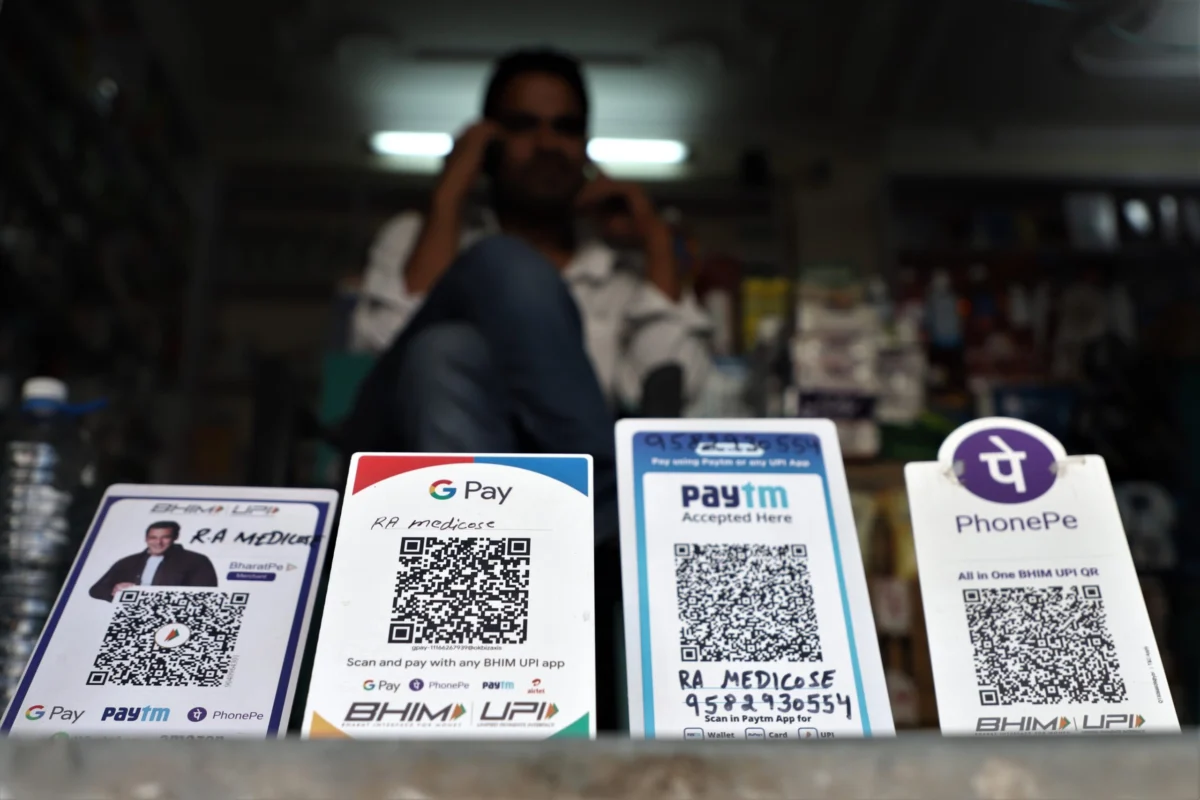
The National Payments Corporation of India (NPCI), the governing body for the country’s ubiquitous Unified Payments Interface (UPI), has officially announced a delay in the implementation of merchant fees on its digital payments network. This decision follows significant pushback from various merchant associations and retail groups across the country who argued that the proposed charges would erode thin profit margins and discourage the adoption of digital payments. Originally scheduled to take effect on October 15, the rollout of a 0.4% fee on eligible merchant transactions exceeding ₹2,000 (approximately $21) has been deferred. The NPCI cited the upcoming festive shopping season, which includes major celebrations such as Diwali, as the primary reason for the postponement, noting that the introduction of new fees during a peak consumption period could disrupt the economic momentum.
The proposed fee represents a pivotal shift in India’s digital payment strategy. For years, the Indian government has maintained a "Zero-MDR" (Merchant Discount Rate) policy for UPI, ensuring that transactions remain free for both consumers and merchants. This policy has been a cornerstone of the "Digital India" initiative, facilitating a massive migration from cash to digital alternatives. However, as the network has grown to handle tens of billions of transactions monthly, the cost of maintaining the underlying infrastructure has become a point of contention for banks and payment service providers.
The Evolution of UPI and the Zero-MDR Policy
To understand the weight of this postponement, one must look at the trajectory of UPI since its launch in 2016. Developed by the NPCI under the guidance of the Reserve Bank of India (RBI), UPI was designed to be an interoperable, real-time payment system. While it initially saw steady growth, the real explosion occurred following the 2016 demonetization exercise and the subsequent push for a "less-cash" economy.
In January 2020, the Indian government took the radical step of scrapping all merchant fees for UPI and RuPay debit card transactions. The goal was to remove every possible barrier to entry for small-scale vendors, from roadside tea stalls to local grocery stores. This move was wildly successful in terms of adoption; UPI is now the dominant payment method in India, used by hundreds of millions of people daily. However, this success came at a cost. Banks, which provide the back-end infrastructure, and Third-Party Application Providers (TPAPs) like Google Pay and PhonePe, found themselves operating a massive network without a direct revenue stream from the transactions themselves.
To compensate, the government has provided annual subsidies to banks and payment providers. In the 2023-2024 fiscal year, the government allocated approximately ₹3,500 crore (around $420 million) to incentivize digital payments. Despite this, industry stakeholders argue that the subsidy is insufficient to cover the actual operational costs, which include server maintenance, cybersecurity protocols, and fraud prevention measures.
Detailed Breakdown of the Proposed Fee Structure
The NPCI’s plan to introduce a 0.4% fee was not intended to be a blanket charge on all transactions. The organization sought to balance the need for revenue with the need to protect small businesses and low-value transactions. The proposed structure included several key exemptions and caps:
- Threshold for Charges: Only transactions exceeding ₹2,000 would be subject to the 0.4% fee. This was designed to ensure that everyday micro-payments—which make up the bulk of UPI’s transaction volume—remained entirely free.
- Small Merchant Exemption: Merchants receiving less than ₹100,000 (approximately $1,033) per month through UPI would be exempt from the charges, regardless of individual transaction sizes.
- Fee Ceiling: For very large transactions, the fee would be capped at ₹300 (around $3), preventing the costs from becoming prohibitive for high-ticket items like electronics or luxury goods.
- Revenue Sharing: The NPCI stated that the revenue generated from these fees would be distributed among the participants in the UPI ecosystem. This includes the remitter bank (the sender’s bank), the beneficiary bank (the receiver’s bank), and the payment service providers (like PhonePe or Google Pay), helping them fund necessary upgrades to infrastructure and security.
Strong Opposition from the Retail Sector
Despite the tiered nature of the proposed fees, the announcement met with immediate and fierce resistance. Two sectors, in particular, led the protest: mobile phone retailers and petrol pump operators.
The All India Mobile Retailers Association (AIMRA), which represents over 150,000 brick-and-mortar stores, argued that the 0.4% fee would be devastating for a sector that operates on razor-thin margins. In the highly competitive consumer electronics market, profit margins are often squeezed by online retailers. Retailers argued that they would be forced to either absorb the cost—further reducing their take-home pay—or pass the cost on to the consumer, which could drive customers back to cash or toward competing online platforms.
Similarly, petrol pump operators expressed grave concerns. Fuel prices in India are strictly regulated, and the commissions earned by pump owners are fixed and relatively low. A 0.4% fee on a full tank of fuel (which frequently exceeds the ₹2,000 threshold) could consume a significant portion of the operator’s commission. Associations representing petrol pumps warned that they might stop accepting UPI payments altogether if the fee were implemented, a move that would cause massive inconvenience to millions of commuters.
The Economic Scale of UPI Operations
The push for fees is driven by the sheer scale and cost of the UPI network. According to data released by the NPCI, UPI processed 24.07 billion transactions in September 2024 alone. The total value of these transactions reached a staggering ₹29.37 trillion (approximately $305 billion).
Operating a system of this magnitude requires immense technical resources. The NPCI estimated last month that the annual cost of running the UPI ecosystem is approximately ₹200 billion (around $2.1 billion). This figure includes:
- Server and Cloud Infrastructure: Maintaining high uptime for a system that processes thousands of transactions per second.
- Cybersecurity: Defending against increasingly sophisticated phishing attacks and digital fraud.
- Technical Support: Managing the complex clearing and settlement processes between hundreds of different banks.
- Innovation: Developing new features like "UPI Lite" for offline payments and "UPI One World" for international travelers.
Banks have been particularly vocal about the "sustainability gap." While they benefit from reduced cash-handling costs, the lack of a direct Merchant Discount Rate (MDR) makes it difficult for them to justify the continuous capital expenditure required to scale their digital banking infrastructure.
Chronology of Recent Events
The path to the current postponement has been marked by several key milestones over the last few months:
- August 2024: Industry reports begin to surface suggesting that the NPCI and the RBI are discussing the reintroduction of MDR for high-value UPI transactions to ensure the long-term viability of the network.
- September 15, 2024: The NPCI officially announces the plan to introduce a 0.4% fee on merchant transactions over ₹2,000, effective October 15.
- September 20-30, 2024: Retail associations and trade bodies across India issue statements of protest. The All India Mobile Retailers Association and various Petroleum Dealers Associations threaten nationwide protests and a boycott of UPI payments.
- October 1, 2024: Government officials meet with NPCI representatives to discuss the potential impact of the fees on inflation and consumer sentiment during the festive season.
- October 8, 2024: The NPCI issues a formal statement postponing the rollout. The statement notes that the decision was made to support the merchant community during the high-volume shopping period surrounding Diwali.
Implications for the Digital Payment Ecosystem
The delay of the merchant fee has broad implications for various stakeholders in India’s financial technology landscape. For companies like PhonePe and Google Pay, which dominate the market with a combined share of over 80%, the delay means another period of uncertainty regarding their path to profitability. These companies have invested billions of dollars in acquiring users and building merchant networks, yet they remain largely unable to monetize the core transaction flow of UPI.
For the banking sector, the postponement extends the period during which they must rely on government subsidies to cover the costs of a service that has become a public utility. Analysts suggest that while the government is committed to digital payments, the fiscal burden of subsidizing the entire network indefinitely may eventually become unsustainable.
However, for the broader economy, the delay ensures that the festive season—a period when many small businesses earn a significant portion of their annual revenue—will proceed without the friction of new transaction costs. This is particularly important as the Indian economy continues its post-pandemic recovery, with consumer spending serving as a vital engine of growth.
Future Outlook and International Ambitions
While the domestic fee structure is currently on hold, the NPCI continues to focus on the international expansion of UPI. Through its international arm, NPCI International Payments Limited (NIPL), the network has already established presence or partnerships in countries including Singapore, the United Arab Emirates, France, Mauritius, and Sri Lanka. Internationally, UPI often operates on a different commercial model, allowing for fees that are more in line with global cross-border payment standards.
As for the domestic market, the NPCI has not yet specified a new date for the fee implementation, stating only that it will occur after Diwali. Industry experts believe that the government and the NPCI may use this additional time to refine the fee structure, perhaps by further increasing the threshold or providing specific carve-outs for low-margin industries like fuel and essential groceries.
The ongoing debate over UPI fees highlights the central tension in India’s digital journey: the balance between providing a free, public-good infrastructure to drive financial inclusion and creating a commercially viable ecosystem that can sustain itself without perpetual government intervention. For now, the "free ride" for merchants continues, at least until the festive lights of Diwali have dimmed.