Farhan Pambudi
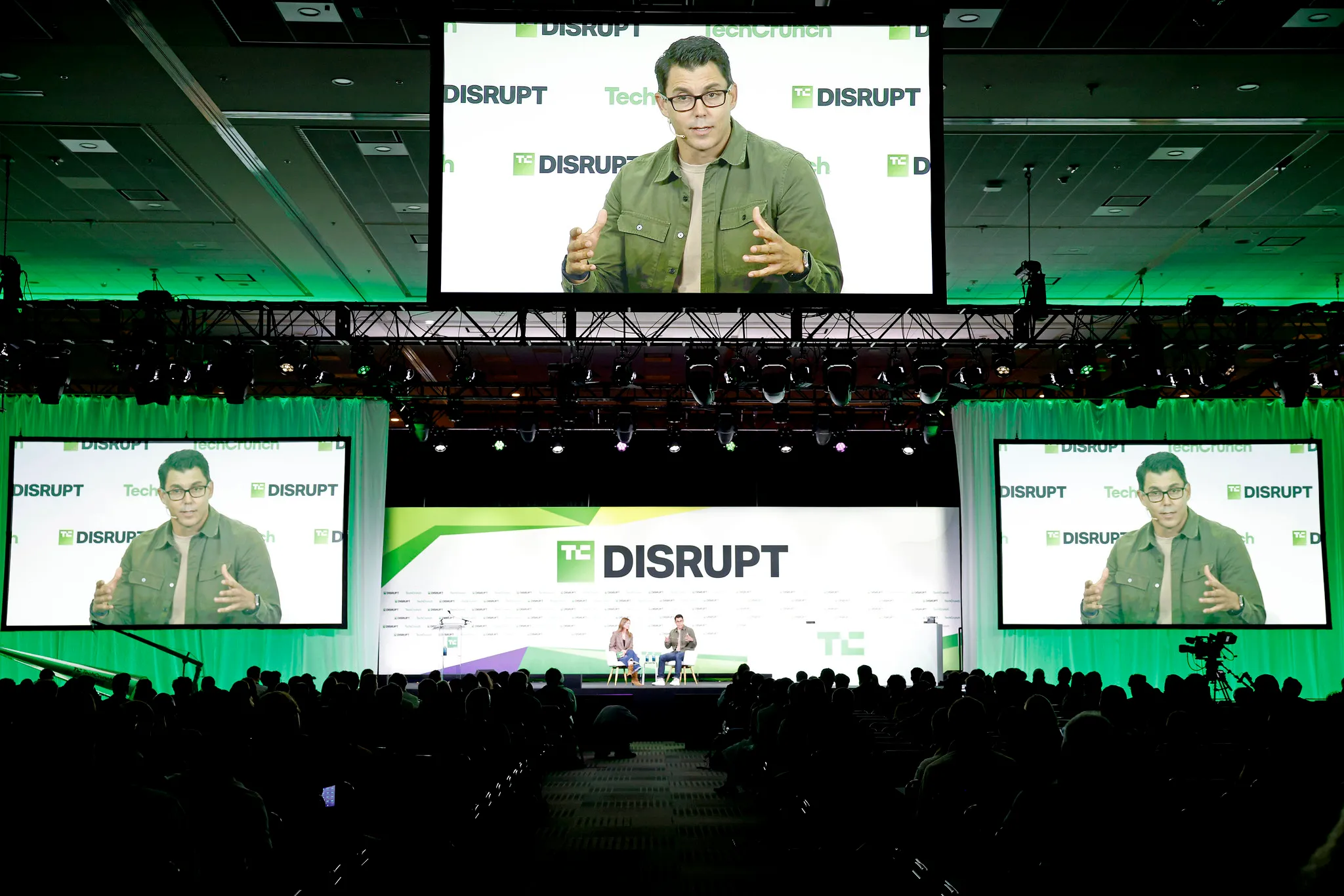
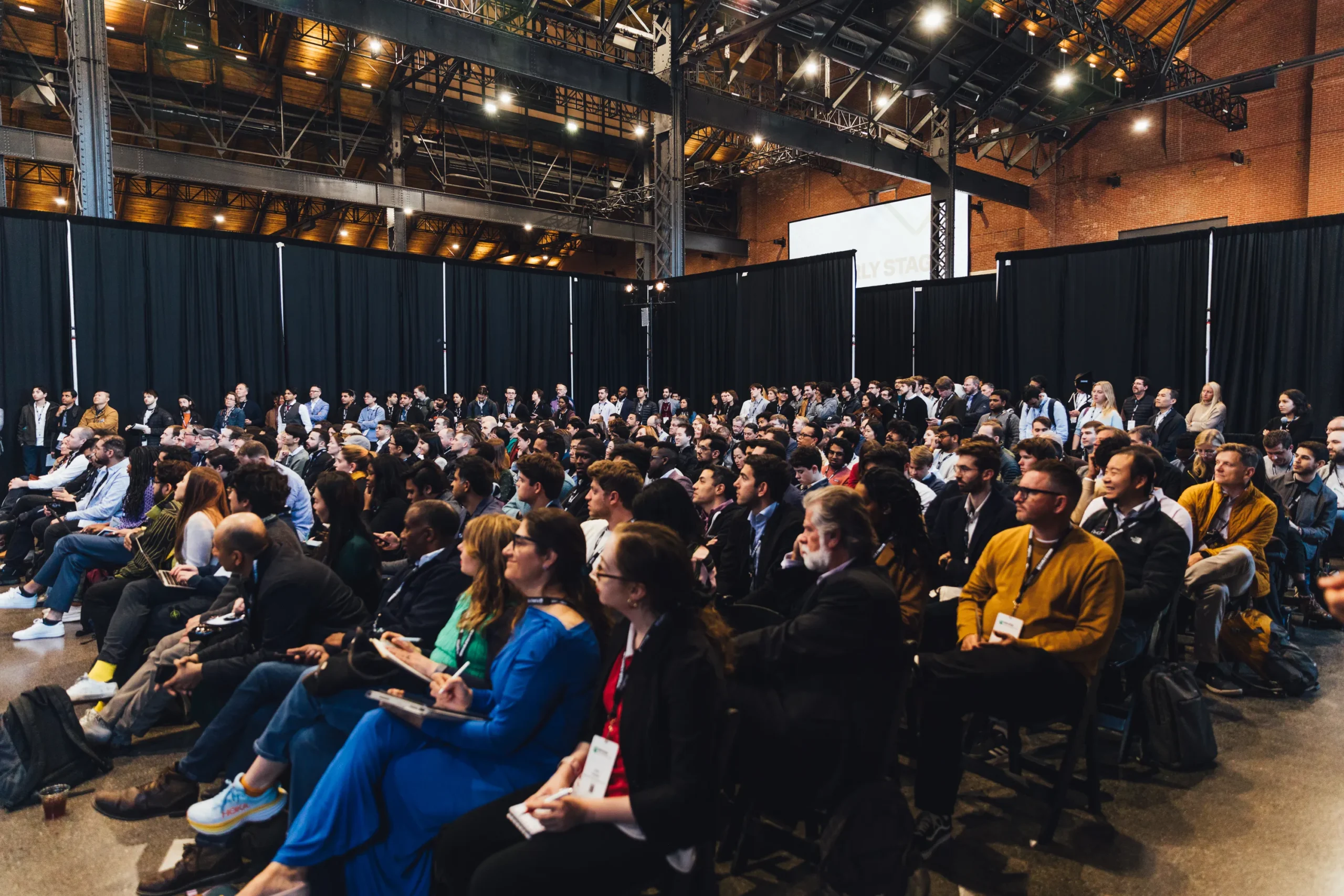
The second day of TechCrunch Disrupt 2026 convened at San Francisco’s Moscone West, marking a critical midpoint for the world’s premier startup and technology conference. With an estimated attendance exceeding 10,000 founders, investors, and engineers, the event has shifted its focus from the broad industry overviews of Day 1 to the granular, technical, and strategic challenges defining the current "post-hype" era of artificial intelligence. Today’s proceedings highlighted a significant pivot in the tech ecosystem: the transition of AI from purely digital large language models to physical, agentic systems capable of interacting with the real world, alongside a cautious but stabilizing venture capital landscape.
Historical Context and Event Significance
TechCrunch Disrupt has long served as the bellwether for the Silicon Valley ecosystem. Since its inception, the conference has provided a launchpad for companies that have redefined modern life, including Dropbox and Turo. In 2026, the stakes are notably different than they were during the initial generative AI surge of 2023 and 2024. The industry is currently grappling with the "implementation gap"—the space between theoretical AI capability and reliable, profitable deployment.

The choice of Moscone West as the venue underscores San Francisco’s continued dominance as the "AI Capital of the World," despite recurring narratives of a tech exodus. The 2026 iteration of the event is characterized by a "Builder-First" mentality, moving away from speculative crypto or metaverse narratives toward hard tech, robotics, and enterprise-grade infrastructure.
The Disrupt Stage: Surveillance, Strategy, and Hardware Evolution
The morning sessions on the main Disrupt Stage set a somber but pragmatic tone. Garrett Langley, CEO of Flock Safety, addressed one of the most contentious issues in modern technology: the intersection of AI, surveillance, and public safety. Langley discussed the future of automated policing and the ethical guardrails required as municipalities increasingly rely on AI-driven license plate readers and facial recognition to combat rising crime rates. This session highlighted a growing trend at Disrupt 2026—the willingness to engage with the societal friction caused by rapid tech adoption.
In a rare public appearance, the full partnership of Benchmark—including Jack Altman, Peter Fenton, Chetan Puttagunta, Everett Randle, and Eric Vishria—shared a collective thesis on the current investment climate. The partners emphasized that while the "easy money" era of 2021 is a distant memory, the quality of early-stage founders has reached a decade-high. Their discussion, titled "What We Believe Now," suggested that the next wave of breakout startups will not be those that simply "use AI," but those that solve fundamental architectural problems within the AI stack itself.

The hardware side of the equation was addressed by Anna Goldie and Azalia Mirhoseini of Ricursive Intelligence. As traditional Moore’s Law scaling reaches its physical limits, the duo explored the paradigm of AI designing its own hardware. By using reinforcement learning to optimize chip layouts, Ricursive Intelligence argues that the next generation of silicon will be far more efficient than anything human engineers could design alone, potentially breaking the bottleneck currently faced by energy-hungry data centers.
Real World AI: The Leap to Physicality
Perhaps the most visually arresting portion of the day occurred on the "Real World AI Stage." If 2025 was the year of the chatbot, 2026 is proving to be the year of the robot. Les Karpas of Nvidia articulated why the robotics industry has been waiting for its "ChatGPT moment." He argued that while digital AI benefits from the vast data of the internet, robots require physical "foundation models" to understand gravity, friction, and spatial awareness.
This theory was put into practice with live demonstrations. Aaron Edsinger of Hello Robot showcased "Stretch 4," a mobile manipulator designed for domestic and clinical environments. Unlike the polished, pre-recorded videos often seen on social media, the live demo emphasized the robot’s ability to navigate the unpredictable environment of a crowded stage. This was followed by a highly anticipated appearance by Jonathan Hurst of Agility Robotics and the humanoid robot "Digit." The session demonstrated Digit’s ability to perform autonomous logistics tasks, signaling that humanoid labor is moving out of the laboratory and onto the warehouse floor.

The afternoon sessions on this stage also delved into high-stakes AI applications. Raquel Urtasun, CEO of Waabi, joined representatives from Shield AI and General Motors to discuss "Building AI Systems When Failure Is Not an Option." The panel focused on the necessity of "verifiable AI" in autonomous trucking and defense, where the probabilistic nature of current LLMs is insufficient for safety-critical operations.
The Builders Stage: Navigating the 2027 Series A Market
For the thousands of founders in attendance, the Builders Stage offered a tactical roadmap for survival. A standout panel featuring Jahanvi Sardana (Index Ventures), Shailendra Singh (Peak XV), and Janelle Teng Wade (Bessemer Venture Partners) looked ahead to the "Series A in 2027." The consensus among these top-tier VCs was that the "Series A crunch" is easing, but the bar for "fundability" has shifted. Investors are now looking for "efficient growth"—startups that can demonstrate a clear path to $10 million in Annual Recurring Revenue (ARR) without burning through hundreds of millions in capital.
Additional sessions addressed the realities of building in a crowded market. Mark Crane of General Catalyst and Shan Shan of Baillie Gifford led a discussion on "How to Win When You’re Not Building AI," providing a necessary counter-narrative to the prevailing AI-centrism. They highlighted opportunities in climate tech, biotech, and fintech where fundamental business model innovation still trumps algorithmic complexity.

Startup Battlefield 200: The Next Generation of Contenders
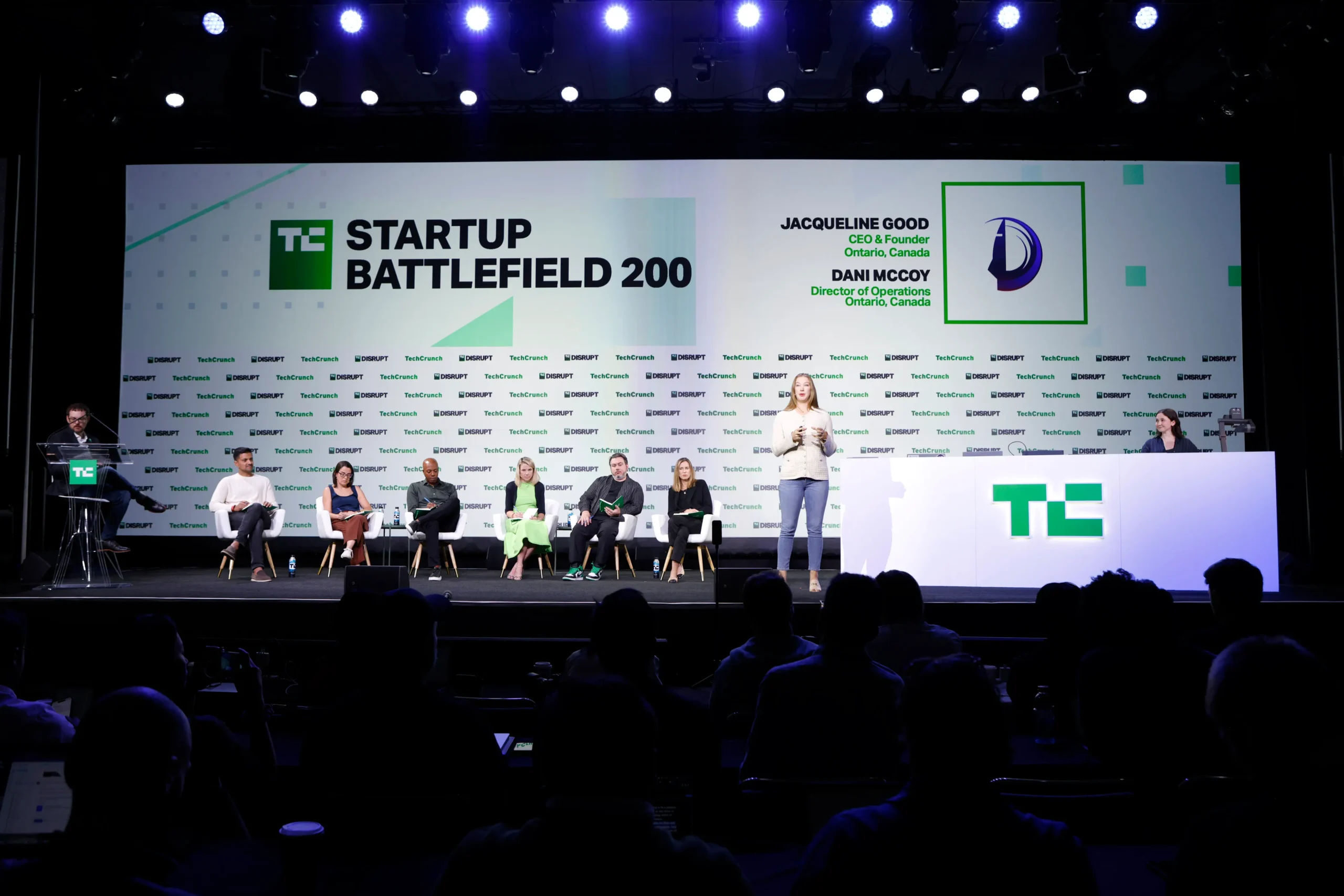
The Startup Battlefield 200 continued to be the heart of the Expo Hall. Today’s pitches focused on two high-growth sectors: Health Tech/Life Sciences and Enterprise Security. These early-stage companies are competing for the $100,000 equity-free grand prize, but for most, the real value lies in the exposure to the hundreds of venture capitalists roaming the floor.
Observed trends among this year’s Battlefield cohort include:
- AI for Longevity: Startups using machine learning to identify biomarkers for aging and personalized preventative medicine.
- Quantum-Resistant Encryption: Companies building security layers designed to protect enterprise data against the eventual arrival of viable quantum computing.
- Orbital Logistics: A surge in "Space Tech" startups focusing on satellite maintenance and debris removal, supported by sessions featuring the U.S. Space Force and The Aerospace Corporation.
StrictlyVC: The Institutional Perspective
For those with an Investor Pass, the StrictlyVC sessions provided a deep dive into the macro-economic factors affecting the tech industry. Ryan Flanagan of ICR led a discussion on the "New Rules of Going Public," noting that the IPO window is finally beginning to crack open after a multi-year drought. However, the expectations for profitability and governance are significantly higher than during the 2020-2021 SPAC boom.

The rise of family offices as major players in venture capital was another key theme. Bruce K. Lee of Keebeck Wealth Management and Dave Sachse of Family VC explained how these private pools of capital are increasingly bypassing traditional VC funds to invest directly in startups, seeking longer-term alignment than the standard 10-year fund cycle allows.
Networking and the Ecosystem Expansion
Beyond the formal stages, the Moscone West Expo Hall served as a massive networking engine. The use of AI-powered matchmaking through the TechCrunch Events app facilitated thousands of "speed dating" style meetings between founders and potential partners. The "Deal Flow Café" remained a hive of activity for those holding Founder and Investor passes, acting as a high-stakes environment where several term sheets are rumored to have been discussed.
As the sun set over San Francisco, the activity moved to various "Side Events" across the city. From the "Ecosystem Mixer" hosted by Peak XV to the "Afterburn" event by Backblaze, these informal gatherings are where the real work of community building happens. They offer a more relaxed setting for founders to compare notes on the day’s sessions and for investors to scout talent away from the bright lights of the main stage.

Analysis: Implications for the Tech Industry
Day 2 of TechCrunch Disrupt 2026 has made one thing clear: the tech industry is in a period of intense "realism." The speculative fervor of previous years has been replaced by a focus on infrastructure, reliability, and physical utility. The heavy presence of robotics and hardware companies suggests that the next frontier of value creation lies in the "atoms" rather than just the "bits."
Furthermore, the participation of legacy institutions like General Motors, AWS, and the U.S. Space Force indicates that the "disruptors" and the "incumbents" are now inextricably linked. AI is no longer a niche sector; it is the new foundational layer for all enterprise activity. As the conference moves into its final day tomorrow, the focus will shift toward the crowning of the Startup Battlefield winner and final thoughts on the regulatory landscape that will govern this next era of innovation.