Farhan Pambudi
Charter Space, an El Segundo, California-based startup and a standout finalist in the 2025 TechCrunch Startup Battlefield, has successfully closed a $5 million seed funding round, signaling a significant shift in how the aerospace industry manages risk and accesses capital. This latest injection of capital, which brings the company’s total funding to $8 million, is earmarked for the expansion of its pioneering insurance brokerage and the development of advanced underwriting tools tailored for the burgeoning commercial space sector. Led by Crystal Venture Partners, a firm with a strategic focus on insurance innovation, the round also saw participation from prominent fintech investors including QED and Blank Ventures, alongside early-stage venture firm Hustle Fund and Gaingels, an investment syndicate dedicated to supporting startups with underrepresented leadership.
The funding comes at a critical juncture for the global space economy, which is transitioning from a government-dominated domain to a commercial frontier. Since the launch of its nationally licensed insurance brokerage in May, Charter Space has rapidly scaled its operations, currently servicing more than 50 companies across the United States space and defense industrial base. By integrating technical engineering data directly into the insurance underwriting process, Charter Space aims to dismantle the financial barriers that have historically hindered the growth of small and mid-sized satellite operators and aerospace manufacturers.
The Evolution of Risk Management in the New Space Era
For decades, the space industry was the exclusive playground of superpowers and massive defense contractors. During the Cold War and the immediate post-Soviet era, space missions were characterized by enormous budgets, lengthy development cycles, and a conservative approach to risk. In this environment, insurance was often a secondary concern or handled through sovereign guarantees. However, the last decade has witnessed a paradigm shift, often referred to as the "NewSpace" revolution.
Driven largely by SpaceX’s successful deployment of the reusable Falcon 9 rocket, the cost of reaching orbit has plummeted. This democratization of access to space has led to an explosion of private enterprises developing everything from small satellite constellations for global internet to orbital manufacturing facilities. Yet, despite this technological leap, the financial infrastructure supporting these ventures has remained antiquated.
Traditional insurance providers, while expert in terrestrial risks like maritime shipping or aviation, have frequently struggled to comprehend the complexities of orbital mechanics and aerospace engineering. As Charter Space notes on its platform, many space startups find that traditional insurers are often deterred by the "scary science words" associated with satellite deployment, leading to prohibitively high premiums or a total lack of coverage options. Charter Space was founded to bridge this gap by speaking the language of both engineers and underwriters.
From Engineering Software to Fintech Infrastructure
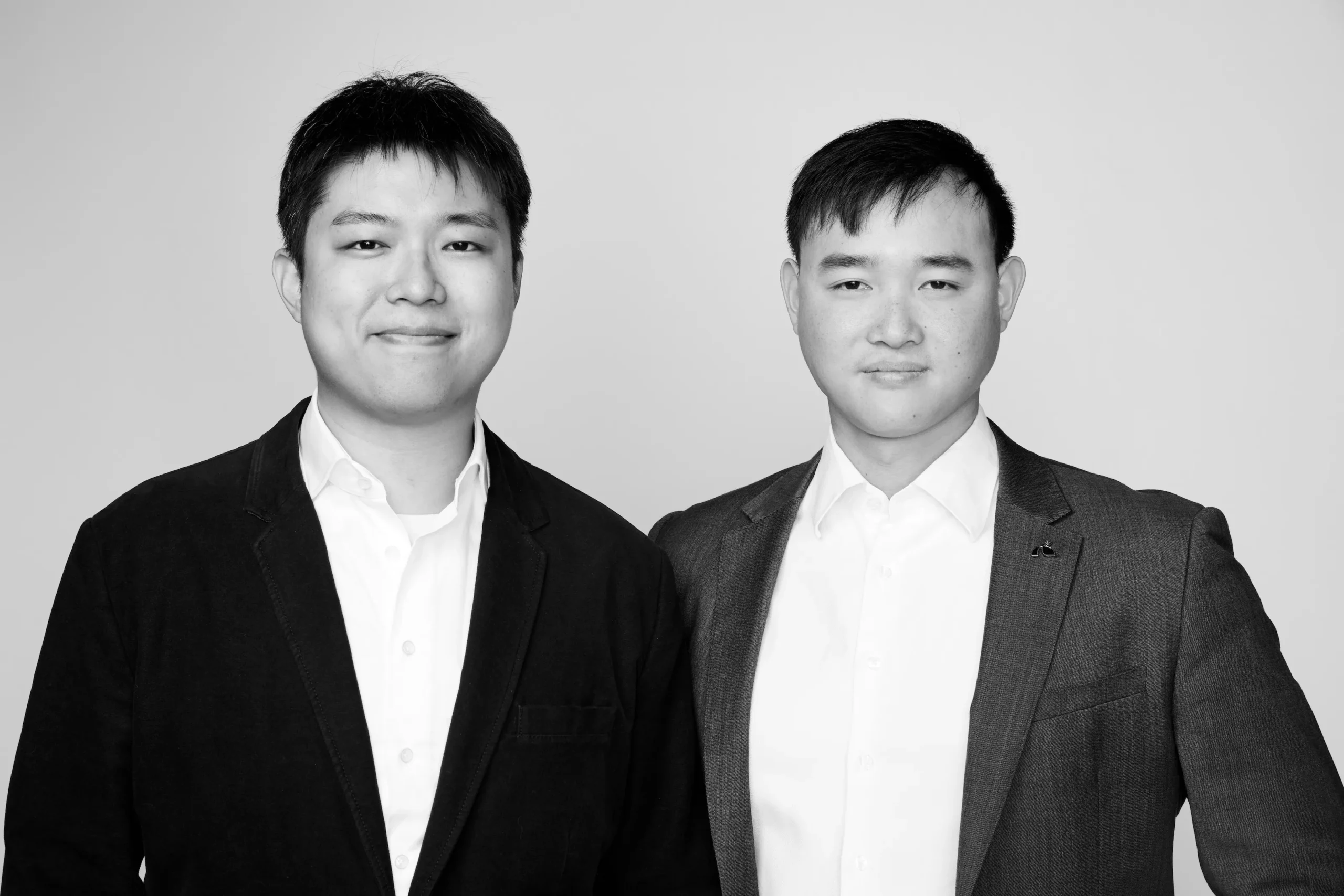
The genesis of Charter Space lies in a pivot from technical data management to financial services. Founders Yuk Chi Chan and Yukun Yin initially set out to create a centralized software platform designed to streamline aerospace engineering workflows. Their goal was to aggregate technical, manufacturing, and testing data into a single source of truth for hardware teams. However, they soon identified a more pressing market need: the lack of data-driven insurance underwriting.
Chan realized that the very data his platform was collecting—structural test results, component failure rates, and manufacturing tolerances—was exactly what insurance companies needed to accurately assess risk. By plugging this technical data into the underwriting process, Charter Space can provide more granular and accurate risk profiles. This approach does more than just lower premiums; it builds a "safety net" that allows companies to take the calculated risks necessary for innovation.
The implications of this shift extend beyond insurance. In most mature industries, companies rely on a mix of venture capital, debt, and credit to fuel growth. In the space sector, the lack of standardized insurance has made traditional lenders hesitant to provide credit, leaving startups almost entirely dependent on equity financing. Chan argues that by proliferating insurance coverage, Charter Space is laying the foundation for a healthier economic ecosystem where aerospace companies can access the same diverse capital sources available to terrestrial manufacturing or logistics firms.
Strategic Backing and Regional Support
The investment from Crystal Venture Partners underscores the growing recognition that insurance is "critical infrastructure" for the space economy. Jonathan Crystal, managing partner at the firm, emphasized that Charter Space sits at the intersection of the rapid growth in commercial space and the urgent need for modern risk assessment. The participation of fintech specialists like QED and Blank Ventures further highlights the industry’s view of space as the next frontier for sophisticated financial products.
The strategic importance of this sector is also being recognized at the state level. Florida, which remains the primary hub for American launches, has taken a proactive stance on the intersection of insurance and aerospace. Michael Yaworsky, the Florida Commissioner of Insurance Regulation, has identified insurance as the "precondition for growth in space." In statements following the funding announcement, Yaworsky noted that the states and nations that lead in developing robust insurance frameworks will inevitably become the primary destinations for global capital. His vision suggests that a stable insurance market is a cornerstone of long-term American competitiveness in the space domain.
Addressing the Looming "Launch Gap" and Future Missions
Charter Space’s growth comes as the industry prepares for a major transition in launch capabilities. SpaceX has indicated plans to eventually retire the Falcon 9—the workhorse of the modern era—in favor of the much larger and more complex Starship system. While Starship promises even lower costs per kilogram to orbit, its introduction introduces new variables and risks that the insurance market must account for.
Simultaneously, a new generation of launch providers is racing to fill the potential void left by the Falcon 9’s retirement, while others are developing "novel mission concepts" that push the boundaries of current regulatory and insurance frameworks. Charter Space has indicated that its new funding will be used to develop coverage for these high-frontier activities, including:
- Space-Based Nuclear Power: As missions to the Moon and Mars become more frequent, the need for reliable power sources beyond solar energy is increasing. Insuring the launch and operation of nuclear reactors in space presents a unique set of challenges that require deep technical expertise.
- Lunar Logistics and Habitats: With the Artemis program and private lunar landers aiming for the Moon’s surface, the insurance industry must adapt to risks associated with the lunar environment, including radiation and regolith interference.
- In-Space Servicing, Assembly, and Manufacturing (ISAM): The ability to repair or upgrade satellites in orbit—rather than letting them become space debris—is essential for a sustainable orbital economy. However, the proximity operations required for docking and servicing carry significant collision risks.
Data Analysis: The Economic Impact of Space Insurance
Current market estimates suggest that the global space economy could reach $1.8 trillion by 2035. However, a significant portion of this value is currently uninsured. In the terrestrial world, assets like commercial aircraft or cargo ships are almost universally insured, allowing for predictable financial planning and the use of those assets as collateral for loans. In contrast, it is estimated that less than 20% of satellites currently in orbit carry comprehensive insurance.
By closing this gap, Charter Space aims to stabilize the "Space Industrial Base." This term refers to the network of thousands of small suppliers that provide the sensors, thrusters, and software used by larger prime contractors. For a small supplier, a single launch failure or on-orbit malfunction can be a terminal event. Access to affordable insurance ensures that these critical nodes in the supply chain remain resilient, even when missions fail.
Furthermore, the expansion of the insurance market encourages "alternative capital" to enter the space sector. When risks are quantified and insured, institutional investors, pension funds, and debt providers are more likely to participate. This move away from a "VC-only" model is vital for the long-term sustainability of the industry, as it allows for the kind of massive, long-term capital expenditures required for large-scale orbital infrastructure.
Conclusion and Future Outlook
The $5 million seed round for Charter Space is more than just a successful fundraise for a California startup; it is a signal that the financial world is beginning to treat the space industry with the same rigor and sophistication as any other global infrastructure sector. By leveraging engineering data to demystify the risks of the vacuum of space, Charter Space is helping to ensure that the next decade of orbital expansion is built on a foundation of financial stability.
As the company expands its sales organization and diversifies its product offerings, the focus will remain on the safe and sustainable scaling of the space economy. With the backing of both fintech veterans and insurance experts, and the vocal support of regulatory leaders in key launch states, Charter Space is positioned to be the primary architect of the financial safety net that will support humanity’s continued expansion into the stars. The transition from the "scary science" of the past to the quantified risk of the future is well underway, promising a more resilient and capitalized aerospace industry for decades to come.