Farhan Pambudi
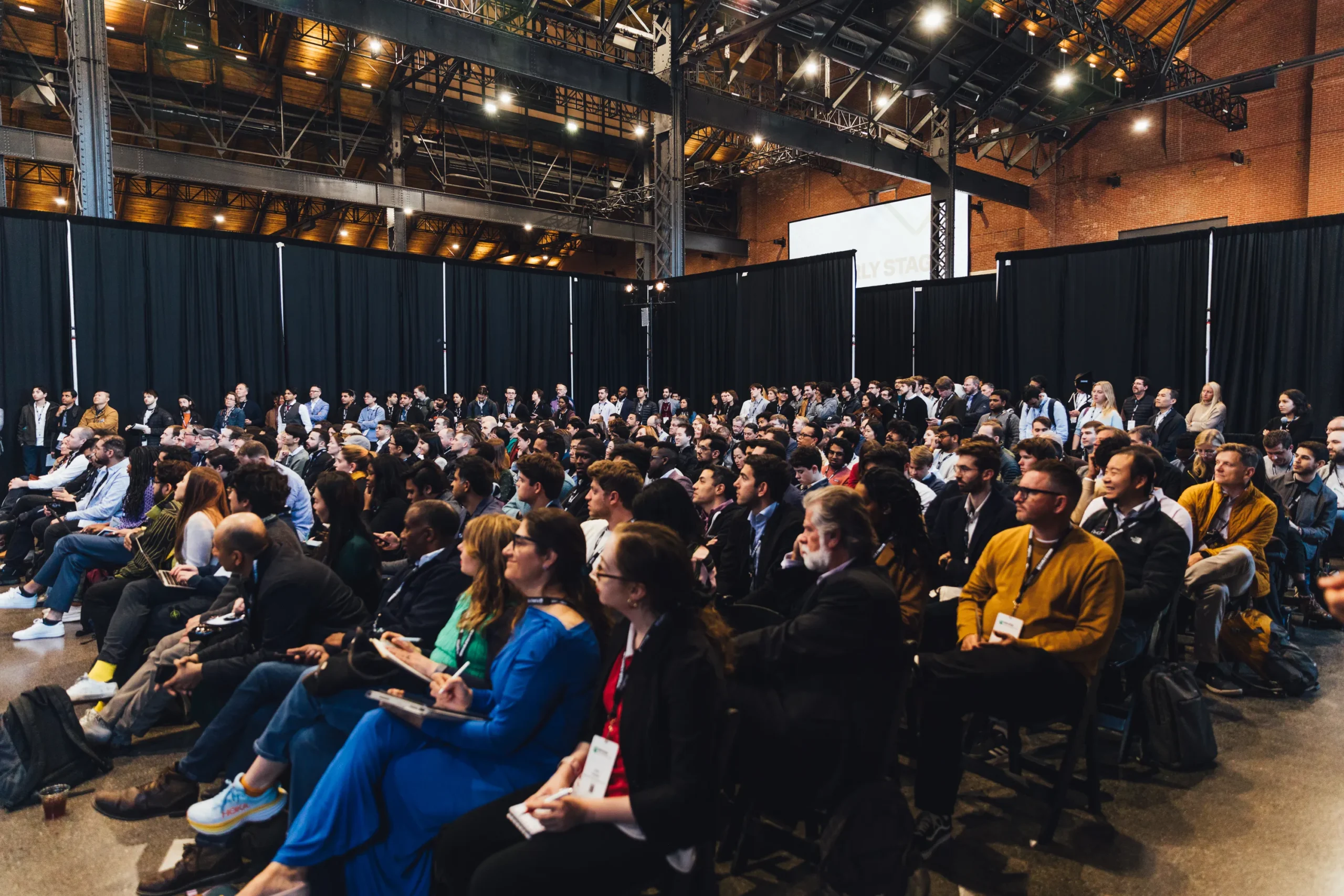
The final day of TechCrunch Disrupt 2026 has commenced at San Francisco’s Moscone West, marking the culmination of a three-day summit that has drawn more than 10,000 founders, venture capitalists, and technology executives. As the premier event for the global startup ecosystem, the concluding sessions on October 15 are centered on the practical applications of emerging technologies, the evolution of artificial intelligence, and the final stage of the renowned Startup Battlefield competition. The atmosphere within the Moscone West facility reflects a week of intensive networking and deal-making, as participants engage with over 320 exhibiting startups across a diverse array of industries including fintech, healthtech, and autonomous systems.
Historical Context and the Evolution of Disrupt
TechCrunch Disrupt has long served as a critical barometer for the health and direction of the global technology sector. Since its inception, the conference has provided a launchpad for companies that have since become household names, including Dropbox, Fitbit, and Cloudflare. The 2026 iteration arrives during a period of significant transition in the venture capital landscape. Following the "AI gold rush" of 2024 and 2025, the 2026 conference highlights a shift in focus from foundational model development to the execution of "Agentic AI"—autonomous systems capable of performing complex tasks with minimal human intervention.
The choice of San Francisco as the host city remains a strategic statement. Despite ongoing debates regarding the decentralization of tech hubs, the 2026 attendance figures and the proliferation of "Side Events" throughout the Bay Area this week suggest that the region remains the primary nexus for high-growth technology investment. The event’s integration of Klik technology—a badge-based contact exchange system—further underscores the conference’s commitment to facilitating the serendipitous connections that define the venture capital industry.
Chronology of the Final Day: From Registration to the Battlefield Winner
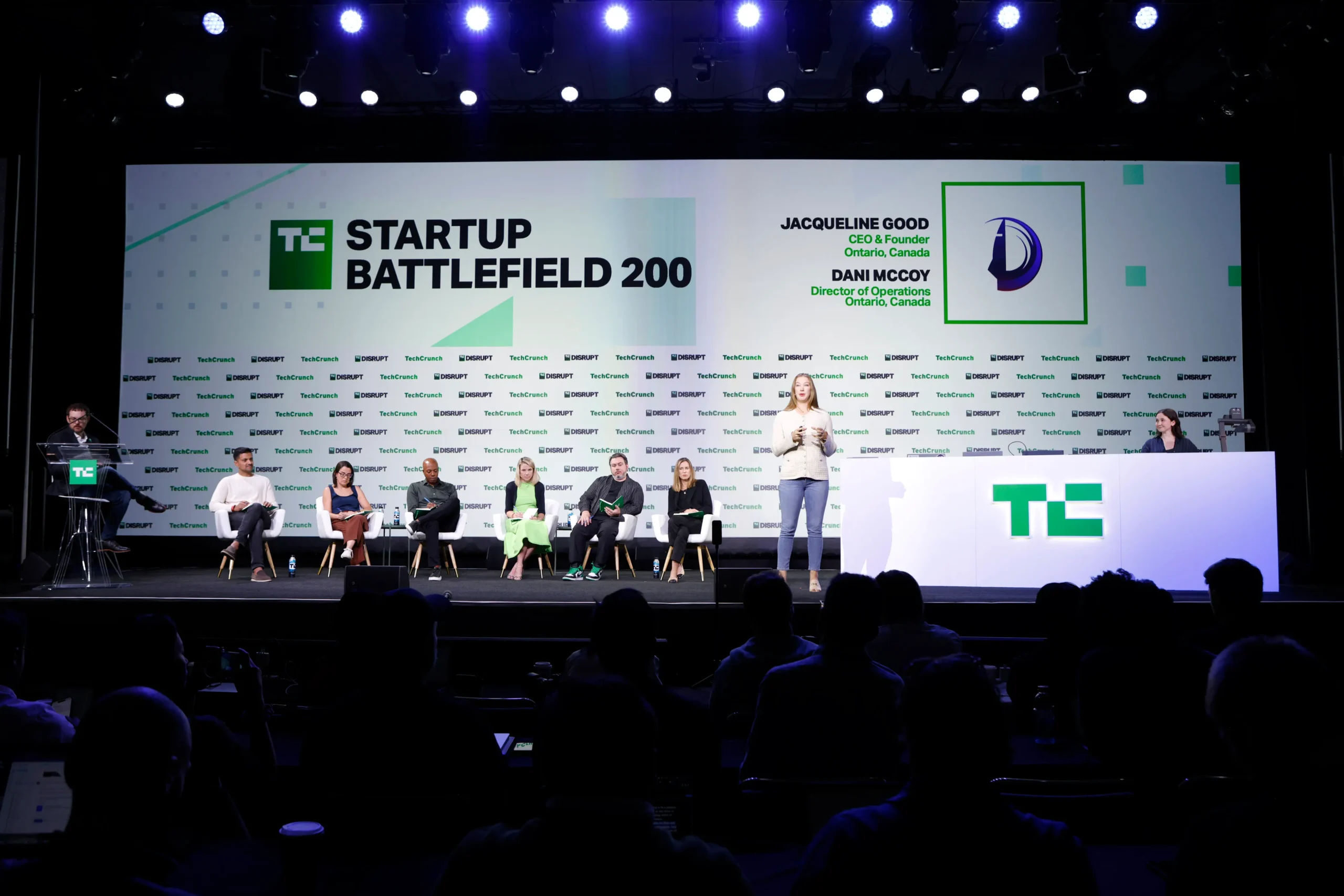
The final day began at 8:00 a.m. with the opening of the Expo Hall and registration desks. The morning hours were dominated by the Pitch Showcase Stage, where members of the Startup Battlefield 200—an elite cohort of early-stage companies—delivered rapid-fire, one-minute lightning pitches. These sessions were categorized by sector, with particular emphasis on Health and Consumer technologies, reflecting current market trends toward personalized medicine and AI-integrated hardware.

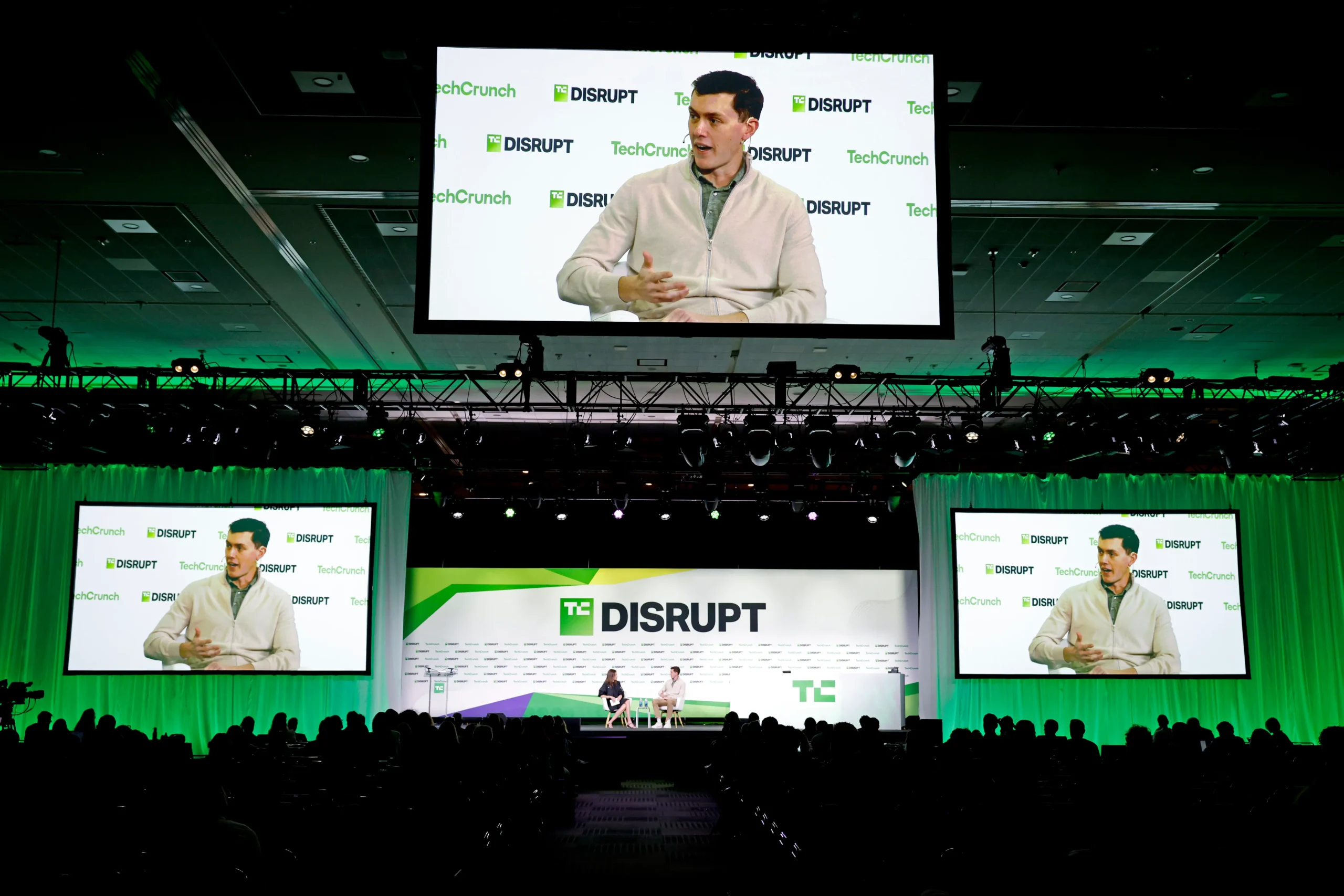
By midday, the focus shifted to the Builders Stage and the Disrupt Stage, where high-level strategic discussions took place. A notable highlight included the "Builders Stage" session titled "Yes, It’s Hard to Be a Founder: An Honest Conversation," featuring Nell Daly of Revenge Capital and David H. Rosmarin of Harvard Medical School. This discussion addressed the mental health challenges and psychological resilience required in the current economic climate, a topic that has gained significant traction in the startup community over the last two years.
The afternoon programming is scheduled to culminate in the Startup Battlefield Final on the Disrupt Stage. This competition, which features a $100,000 equity-free grand prize, pits the week’s top-performing startups against a panel of high-profile judges, including Karl Alomar of M13, Stacy Brown-Philpot of Cherryrock Capital, and Chi-Hua Chien of Goodwater Capital. The announcement of the 2026 winner remains the most anticipated moment of the conference, historically serving as a predictor of future unicorn-status potential.
Analysis of Key Themes: The Post-Smartphone Era and AI Integration
One of the most discussed sessions of the day featured Panos Panay, now with Amazon, who explored the question: "What Comes After the Smartphone?" This discussion touched upon the convergence of ambient computing, augmented reality, and AI-native hardware. Panay’s insights suggest a future where the primary interface for technology shifts away from handheld screens toward integrated systems that anticipate user needs through sensory data.
Parallel to the hardware discussion, the AI Industry Stage hosted deep dives into the "Agent Security Problem." As enterprises move beyond simple chatbots toward autonomous agents, security experts Ric Smith (Okta) and Gavriel Cohen (NanoCo) highlighted the risks associated with prompt injection and data exfiltration. This technical focus reflects a broader industry realization that the speed of AI adoption must be matched by robust governance and security frameworks.
Furthermore, the session "Rewriting SaaS: Why AI Breaks the Old Business Model," featuring representatives from Sapphire Ventures and NEA, analyzed the shift from seat-based pricing to value-based or consumption-based models. This transition is viewed as a necessary response to the increased efficiency provided by AI, which reduces the need for large numbers of human users on software platforms, thereby threatening traditional recurring revenue structures.

Supporting Data: The State of Startup Investment in 2026
Data released during the conference indicates that while overall venture deal volume has stabilized, the average size of pre-seed and seed rounds has seen a 15% increase compared to 2025. This is particularly evident in the AI infrastructure sector. The "Storagemaxxing" session on Day 3 addressed the "$63 Billion Case" for AI stack optimization, citing the massive capital expenditures required for data storage and GPU compute. Industry analysts at the event noted that startups focusing on "Physical AI"—the integration of AI into robotics and logistics—have seen a 20% year-over-year increase in funding, as investors look for tangible applications of software breakthroughs.
The "Startup Battlefield 200" statistics also reveal a diversifying geographical landscape. While U.S.-based companies still comprise the majority of the cohort, there has been a notable 12% rise in participants from Southeast Asia and Latin America, particularly in the fintech and logistics sectors. This global representation was showcased on the Pitch Showcase Stage, where international delegations presented localized solutions to global problems.
Official Responses and Industry Sentiment
The prevailing sentiment among the 10,000+ attendees is one of "cautious optimism." Statements from venture capital leaders during the "Ask the Investors" session suggested that while the "easy money" era of 2021 is a distant memory, the quality of startups emerging in 2026 is significantly higher. Karl Alomar of M13 noted that M&A is no longer viewed as an "exit of last resort" but rather as an "early-stage strategy" for startups to gain the scale necessary to compete with tech giants.
Amjad Masad, CEO of Replit, echoed this sentiment during his session on the democratization of software. Masad argued that because "everyone can build software now" due to AI-assisted coding, the competitive advantage for startups has shifted from technical execution to product vision and market distribution. This perspective was a recurring theme throughout the day, as founders were encouraged to focus on "The First 90 Days" and building toward $10M in Annual Recurring Revenue (ARR) with leaner teams than previously possible.
Broader Impact and Industry Implications
The discussions held on Day 3 of TechCrunch Disrupt 2026 have significant implications for the broader technology ecosystem over the next 18 to 24 months. The emphasis on "Physical AI" and "National Resilience" in logistics suggests a strategic alignment between the tech sector and government interests, particularly in the wake of ongoing global supply chain volatility.

Moreover, the focus on decentralized social media, led by Bluesky’s Toni Schneider and Rose Wang, indicates a growing appetite for platforms that offer users more control over their data and algorithms. As the conference concludes, the industry is left with several key takeaways:
- The AI Utility Phase: The industry is moving from "AI for the sake of AI" to specialized agents that solve specific enterprise problems.
- Infrastructure Constraints: The cost of compute and storage remains a primary bottleneck, creating opportunities for startups that can offer "storagemaxxing" or efficiency-focused hardware.
- Founder Resilience: The focus on mental health signifies a maturing ecosystem that recognizes the human cost of high-growth entrepreneurship.
As the doors close at Moscone West, the focus shifts to the post-event networking and the implementation of the strategies discussed. For those who were unable to attend the first two days, the final registration window remained open until 3:30 p.m., offering a 75% discount on remaining passes. This late-stage access ensured that the final sessions, including the announcement of the Startup Battlefield winner, were held before a capacity audience. The conclusion of Disrupt 2026 reinforces San Francisco’s status as the center of the technological vanguard and sets the stage for the next wave of innovation that will define the late 2020s.