Putri Inara

The digital landscape of the 21st century is defined by an increasingly competitive attention economy, where the success of online content is frequently determined before a single sentence of the body text is read. Professional content strategists and digital marketers have identified the headline as the primary pivot point for audience engagement, asserting that these few words dictate whether a piece of content achieves viral status or remains stagnant in digital archives. In the contemporary media environment, where information is disseminated across a multitude of platforms—including search engines, social media feeds, and RSS aggregators—the blog post title serves as the definitive gatekeeper of visibility and reach.
The Strategic Importance of Headline Architecture
In the professional sphere of digital publishing, the headline is viewed not merely as a label, but as a sophisticated tool of psychological engagement. Historically, the principles of headline writing were established by titans of the advertising industry, such as David Ogilvy. In his seminal work, Ogilvy on Advertising, he famously posited that the sole purpose of a headline is to compel the reader to engage with the first line of the content. This foundational principle has transitioned from print media to the digital age, where the stakes have escalated due to the sheer volume of competing data.
Statistical analysis of user behavior suggests that approximately 80% of readers will read headline copy, but only 20% will read the rest of the article. This 60% drop-off highlights the critical nature of the "pause" in the content creation process. Rather than treating the title as an afterthought, industry leaders advocate for a deliberate, investigative approach to title crafting. This involves a strategic pause to evaluate the emotional and informational value of the chosen words, ensuring they align with both reader expectations and algorithmic requirements.
A Chronology of Digital Discovery
The evolution of the blog post title can be traced through several distinct eras of the internet. In the early 2000s, titles were often descriptive and literal, serving primarily as navigational markers for chronological archives. As the mid-2000s saw the rise of search engines like Google, the focus shifted toward Search Engine Optimization (SEO), where titles were heavily laden with keywords, often at the expense of human readability.
By 2008, a shift occurred toward "socially-optimized" headlines, a trend catalyzed by platforms such as Digg, StumbleUpon, and eventually, Facebook and Twitter. This era introduced the concept of the "curiosity gap" and emotional triggers. Today, the modern headline must satisfy a complex trinity of requirements: it must be optimized for search engine algorithms, tailored for social media shareability, and grounded in the psychological principles of human curiosity.

Eight Core Methodologies for High-Engagement Titles
Professional content creators utilize a specific set of methodologies to ensure their titles resonate with target audiences. While these techniques are varied, they share a common goal of maximizing click-through rates (CTR) and enhancing brand authority.
1. The Communication of Tangible Benefits
The most effective titles often explicitly state the value proposition offered to the reader. By identifying a specific pain point or need within a target demographic and promising a solution, a title becomes a functional tool for the user. Data from digital marketing studies indicate that "How-to" titles and list-based headlines (e.g., "10 Ways to…") consistently outperform abstract titles because they clearly communicate the benefit of the time investment required to read the post.
2. The Strategic Use of Controversy and Debate
Engagement often peaks when content challenges the status quo or invites a strong opinion. Journalistic analysis shows that titles framing a debate or presenting a counter-intuitive viewpoint pique interest through cognitive dissonance. However, experts warn that this technique requires high-quality supporting evidence within the article to maintain editorial credibility and avoid the "clickbait" stigma.
3. Interrogative Engagement
Framing a title as a question leverages a psychological phenomenon where the human brain seeks closure. When a reader encounters a question that mirrors their own internal inquiries, the compulsion to find the answer drives the click. This is particularly effective when the question is personalized, directly addressing the reader’s circumstances or challenges.
4. Personalization and the "You" Factor
Direct address remains one of the most potent tools in a copywriter’s arsenal. By utilizing second-person pronouns, writers create a sense of individual relevance. In a sea of generalized information, a title that says "How You Can…" or "Your Guide To…" creates an immediate connection, making the content feel tailored to the reader’s specific context.
5. Strategic Keyword Integration
From a technical standpoint, the inclusion of keywords remains non-negotiable for long-term organic traffic. Journalistic standards for digital media suggest placing primary keywords toward the beginning of the title. This not only assists search engine crawlers in indexing the content but also ensures that the most relevant information is visible to users scanning search engine results pages (SERPs), where titles are often truncated after 65 characters.

6. The Deployment of Power Words
Linguistic studies show that certain words evoke stronger emotional responses than others. Terms such as "Secret," "Stunning," "Ablaze," and "Crucial" act as modifiers that elevate the perceived importance of the content. However, industry analysts suggest a cautious approach; over-reliance on power words can lead to "audience fatigue" and skepticism if the content does not live up to the hyperbolic framing.
7. High-Stakes Claims and Promises
This technique involves making a significant guarantee regarding the outcome of reading the content. While highly effective at driving immediate traffic, it carries the highest risk to brand reputation. If a title promises a "Life-Changing Secret" and delivers common knowledge, the resulting high bounce rate can negatively impact search rankings and reader trust.
8. Humor and Brand Personality
For brands with an established voice, humor can be a powerful differentiator. A witty or pun-based title can humanize a brand and foster a loyal community. Nevertheless, from a purely technical perspective, humorous titles often struggle with SEO as they may lack literal keywords. Experts recommend a hybrid approach: a witty main title followed by a literal, keyword-rich subtitle.
Technical Specifications and Best Practices
Beyond the psychological triggers, the physical structure of a title impacts its performance. Industry data suggests that titles between 6 to 12 words generally receive the highest engagement. Furthermore, the exclusion of terminal punctuation—specifically periods—is a common practice among professional copywriters. The logic suggests that a period acts as a visual and psychological "stop sign," whereas an open-ended title encourages the reader to continue into the body of the text.
In terms of SEO, Google typically displays the first 50–60 characters of a title tag. Content creators who exceed this limit risk having their primary message cut off in search results, which can significantly decrease the click-through rate. Therefore, brevity and front-loading the most important information are considered essential technical standards.
Industry Implications and Professional Analysis
The broader implication of headline craftsmanship extends into the realm of digital ethics and media literacy. As the techniques for "setting the internet ablaze" become more sophisticated, the line between compelling journalism and deceptive clickbait has thinned. Digital media analysts argue that the long-term viability of a publication depends on the alignment between the title’s promise and the content’s delivery.
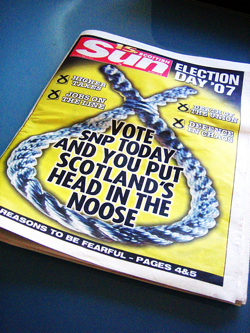
"The headline is a contract with the reader," states one prominent digital strategist. "If you break that contract by over-promising in the title and under-delivering in the post, you may gain a click today, but you lose a reader forever."
Furthermore, the rise of Artificial Intelligence (AI) in content generation is shifting how titles are crafted. AI tools can now analyze vast datasets to predict which word combinations will trigger the highest engagement. This data-driven approach is expected to standardize many of the "secrets" once held by elite copywriters, making high-level headline architecture a baseline requirement for all digital publishers rather than a competitive advantage.
Conclusion
Crafting a blog post title is a multifaceted discipline that sits at the intersection of psychology, linguistics, and data science. By moving away from a rushed, improvisational approach and toward a methodical, "paused" strategy, content creators can significantly influence the trajectory of their work. Whether through the promise of a benefit, the spark of controversy, or the precision of SEO, the title remains the most powerful tool in the digital writer’s repertoire—a few words that hold the power to change the destiny of an entire publication.