Rifan Muazin
The Federal Reserve’s Federal Open Market Committee (FOMC) concluded its September 2026 meeting today, announcing a unanimous decision to increase the target range for the federal funds rate by 0.25 percentage point, elevating it to 3.75 percent to 4.00 percent. This marks another significant step in the central bank’s ongoing efforts to curb elevated inflation and steer the economy towards its dual mandate of maximum employment and price stability. The decision, approved by a 12-0 vote, underscores the Committee’s firm commitment to achieving its 2 percent inflation target, even as economic activity continues to expand at a solid pace and the labor market remains robust.
The Rationale Behind the Rate Hike
The FOMC’s statement highlighted that inflation remains "elevated," necessitating further restrictive monetary policy. This latest rate adjustment is designed to support a timelier return to the Committee’s long-term 2 percent inflation goal, reinforcing the Fed’s dedication to delivering price stability. Despite a series of rate increases over the past two years, the pace of price growth has proven stubbornly persistent, influenced by a complex interplay of strong domestic demand, lingering supply-side constraints, and global geopolitical tensions. The Committee’s assessment suggests that while some inflationary pressures have abated, broad-based price increases continue to outstrip the Fed’s comfort zone, eroding purchasing power and creating economic uncertainty for households and businesses alike.
Furthermore, the Committee affirmed its commitment to maintaining ample reserves within the banking system, a policy stance initiated years ago to ensure the effective implementation of monetary policy and support financial stability. This approach allows the Fed to manage short-term interest rates through administered rates, such as the interest on reserve balances (IORB) and the overnight reverse repurchase agreement (ON RRP) facility, without relying on traditional open market operations to influence reserve levels directly.
A Look at the Economic Landscape
The FOMC’s assessment of the current economic environment painted a picture of resilience despite underlying challenges. "Economic activity is expanding at a solid pace," the statement noted, reflecting broad-based growth across various sectors. Domestic spending, a critical engine of the U.S. economy, has demonstrated remarkable resilience, defying earlier predictions of a more pronounced slowdown. This continued strength in consumer and business outlays suggests underlying economic momentum.
Key indicators supporting this positive outlook include strong productivity growth, which is essential for non-inflationary economic expansion, and robust capital investment by businesses. These factors point to a healthy corporate sector willing to deploy resources for future growth, potentially enhancing long-term supply capacity. The labor market also remains robust, with job gains keeping pace with the workforce’s expansion, preventing a significant rise in unemployment. The unemployment rate, according to the statement, "has changed little," implying that the economy is near or at full employment, a key component of the Fed’s dual mandate.
However, the statement also acknowledged persistent headwinds, specifically pointing to "elevated uncertainty owing, in part, to geopolitical developments." While not specifying particular events, this broad reference encompasses a range of potential global disruptions, from supply chain vulnerabilities to energy market volatility and international trade tensions, all of which can exert upward pressure on prices and dampen business confidence.
Chronology of Policy Tightening
Today’s rate hike is part of a deliberate and sustained campaign by the Federal Reserve to bring inflation under control, a process that began in early 2025 after a period of historically low interest rates designed to support the economy through various global challenges. Following the initial signs of persistent inflation emerging in late 2024, the FOMC began signaling a shift towards a more restrictive stance.
The first rate increase in this cycle occurred in March 2025, moving the federal funds rate from its near-zero range (0.00-0.25 percent) to 0.25-0.50 percent. This was followed by a series of aggressive hikes throughout 2025, including several 50-basis-point (0.50%) increases, as inflation proved more entrenched than initially anticipated. By the end of 2025, the federal funds rate had reached a range of 2.00-2.25 percent.
The year 2026 has seen a continued, albeit slightly moderated, pace of tightening. The FOMC implemented another 50-basis-point hike in February 2026, followed by a 25-basis-point increase in May, bringing the rate to 2.75-3.00 percent. The summer months saw further adjustments, with a 25-basis-point hike in July, reaching 3.00-3.25 percent, and another in August to 3.25-3.50 percent, as the Committee observed that while inflation showed signs of cooling in some sectors, core inflation metrics remained stubbornly high. Today’s 25-basis-point increase to 3.75-4.00 percent marks the eighth consecutive rate hike in this tightening cycle, illustrating the Fed’s persistent commitment to its mandate. This cumulative tightening represents a significant shift from the accommodative policies that characterized the post-pandemic recovery.
Supporting Economic Data and Projections
While the FOMC statement itself did not provide specific data points, the decision is undoubtedly predicated on a comprehensive review of the latest economic indicators. Recent reports likely showed headline Consumer Price Index (CPI) remaining stubbornly above 4.5 percent on an annual basis, with the core Personal Consumption Expenditures (PCE) price index, the Fed’s preferred inflation gauge, still hovering around 3.5 percent. These figures, though down from their peaks, are still considerably higher than the Fed’s 2 percent target. Wage growth, while supportive of household incomes, has also been running above levels consistent with the 2 percent inflation target, contributing to service sector inflation.
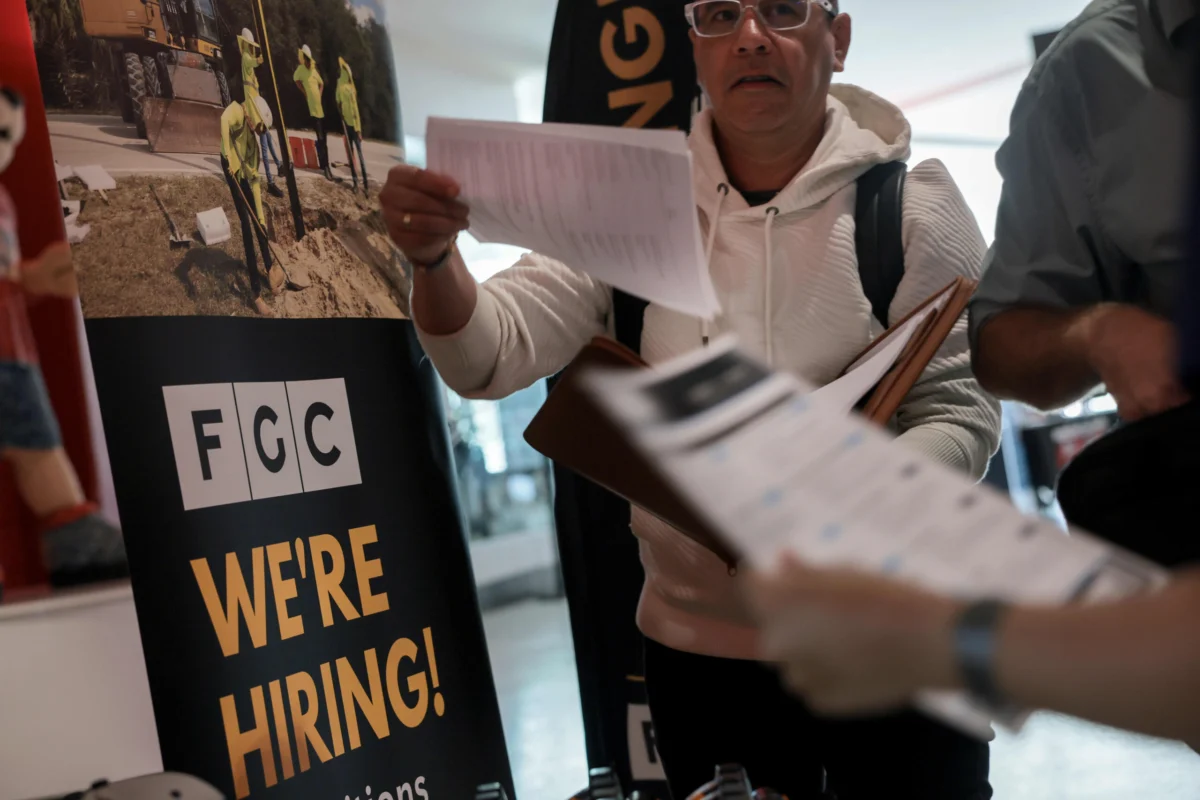
On the employment front, the latest Labor Department reports would have indicated a robust labor market, with average monthly job gains consistently exceeding 200,000 in recent quarters. The unemployment rate has likely held steady at a low 3.8 percent, reflecting strong demand for labor and suggesting that the economy has not yet experienced the significant slowdown often associated with aggressive monetary tightening. Gross Domestic Product (GDP) growth projections for the current year likely remained positive, with the second quarter of 2026 showing an annualized growth rate of approximately 2.5 percent, a testament to the economy’s underlying strength. Business investment, as measured by non-residential fixed investment, has continued its upward trajectory, underscoring corporate confidence in future demand and profitability, even amidst rising borrowing costs.
Reactions from Economists and Market Participants
The Federal Reserve’s decision was largely anticipated by financial markets and economic analysts, who had factored in a 25-basis-point hike following the previous FOMC meeting minutes and recent hawkish statements from various Fed officials. Leading economists at major financial institutions offered varied perspectives on the implications of today’s announcement.
"The unanimous vote signals a unified front within the Committee, emphasizing their resolve to stamp out inflation," commented Dr. Eleanor Vance, Chief Economist at Global Financial Analytics. "While the economic data suggests resilience, the Fed is clearly prioritizing price stability. The question now shifts to how much further they will need to go and whether they can achieve a ‘soft landing’ – bringing inflation down without triggering a recession."
Market strategists noted an initial muted reaction in equity markets, with major indices showing slight dips before recovering as investors digested the news. Bond yields saw a modest increase, reflecting higher short-term interest rate expectations. The U.S. dollar strengthened against a basket of major currencies, a typical response to tighter monetary policy, as higher interest rates make dollar-denominated assets more attractive to international investors.
Business leaders, while acknowledging the need to control inflation, expressed some concerns about the cumulative effect of rising borrowing costs. "Every quarter-point increase adds to the financial burden for businesses, especially small and medium-sized enterprises relying on credit for expansion and operations," stated Mr. David Chen, President of the National Federation of Business. "We hope the Fed’s actions lead to a swift return to price stability, but we also urge careful consideration of the impact on economic growth." Consumer advocacy groups highlighted the growing burden on households with variable-rate debt, such as certain mortgages and credit card balances, which will see their payments increase.
Broader Impact and Implications
The continued tightening of monetary policy by the Federal Reserve carries significant implications across various segments of the economy. For consumers, the impact is primarily felt through higher borrowing costs. Mortgage rates, already elevated, are expected to remain firm or potentially tick higher, affecting affordability for prospective homebuyers. Rates on credit cards, auto loans, and other forms of consumer credit will also adjust upwards, potentially dampening discretionary spending. Conversely, savers may see slightly better returns on deposit accounts, though often lagging the pace of rate hikes.
Businesses will face increased costs for financing new investments, working capital, and expansion projects. This could lead to a slowdown in capital expenditure, hiring, and overall business activity in the coming quarters. While the current economic assessment suggests robust investment, a sustained period of high interest rates could eventually temper this enthusiasm. Sectors heavily reliant on borrowing, such as real estate and technology startups, may experience greater headwinds.
Globally, the strengthening U.S. dollar resulting from higher interest rates can create challenges for countries with dollar-denominated debt, making repayments more expensive. It also impacts trade, as U.S. exports become relatively more expensive for international buyers, while imports become cheaper for U.S. consumers and businesses. This can have ripple effects on global supply chains and economic stability.
Looking ahead, the FOMC’s path will remain highly dependent on incoming economic data. The Committee’s commitment to its 2 percent inflation target suggests that further rate hikes are not off the table if inflation pressures persist or resurface. Conversely, any significant signs of economic weakening or a faster-than-expected deceleration in inflation could prompt the Fed to pause its tightening cycle. The challenge for the Federal Reserve will be to navigate this delicate balance, engineering a "soft landing" where inflation returns to target without triggering a severe economic downturn. The market will closely scrutinize future inflation reports, employment data, and GDP figures for clues regarding the Fed’s next moves and the ultimate trajectory of the U.S. economy. The Fed’s explicit mention of geopolitical developments also signals that external factors will continue to play a crucial role in shaping its policy decisions.