Ena Muazin
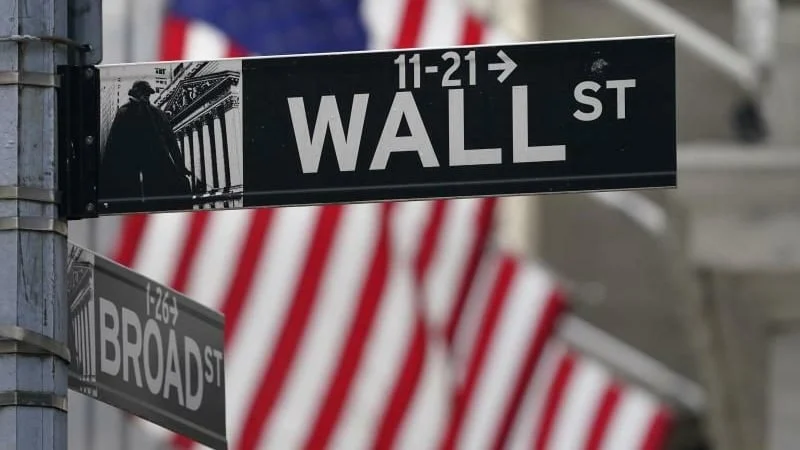
New York/Düsseldorf – US stock markets experienced a significant downturn on Thursday, with major indices facing downward pressure. The decline was primarily fueled by a surge in oil prices and a broad-based sell-off in technology stocks, creating a challenging environment for investors on Wall Street. This confluence of factors triggered a flight to safety, with investors increasingly allocating capital towards US Treasury bonds, traditionally considered a secure haven asset.
The impact of these market dynamics was evident in the performance of key financial instruments. The yield on the benchmark ten-year US Treasury bond, a closely watched indicator of borrowing costs and investor sentiment, fell below the 5.0 percent mark for the first time in weeks. By the afternoon trading session, it was quoted at 4.957 percent. This decline in yield is a direct consequence of increased demand for Treasury bonds. As investors flock to these debt instruments, their prices rise, which in turn pushes down their yields. This phenomenon underscores a palpable sense of caution pervading the financial markets, as investors prioritize capital preservation over higher-risk, higher-return assets.
The recent ascent of Treasury yields to multi-decade highs in preceding weeks, driven by persistent inflation concerns, has now been temporarily arrested by this renewed demand for safety. This shift in investor behavior suggests that anxieties surrounding inflation may be temporarily overshadowed by more immediate geopolitical and economic uncertainties.
Escalating Geopolitical Tensions and Their Market Fallout
A significant catalyst for the market losses on Thursday was the further escalation of the conflict in the Middle East. Heightened concerns about potential supply disruptions in the global oil market sent crude oil prices soaring. Brent crude, the benchmark for oil prices in Europe, saw its price climb by up to 3.8 percent, reaching nearly $113 per barrel for December deliveries. This sharp increase in oil prices has a ripple effect across the economy, impacting transportation costs, manufacturing, and consumer spending, thereby contributing to inflationary pressures and, consequently, market jitters.
The Middle East has long been a critical region for global energy supply, and any significant instability there inevitably translates into volatility in oil markets. The current situation, characterized by heightened tensions and the potential for wider conflict, is exacerbating these supply-side fears. Traders and analysts are closely monitoring the situation, with many predicting further price increases if the geopolitical landscape continues to deteriorate. The impact of elevated oil prices extends beyond just the energy sector, affecting a wide array of industries that rely on oil and its derivatives as inputs. For instance, airlines face higher fuel costs, which can translate into increased ticket prices for consumers. Manufacturers, particularly those in the petrochemical and plastics industries, also experience higher production costs.
Technology Sector Under Scrutiny
The broad-based sell-off in technology stocks added another layer of pressure to the US indices. While the specific reasons for the tech sector’s vulnerability on this particular day are multifaceted, it often reflects a broader investor sentiment shift. Growth-oriented companies, such as those in the tech sector, are typically more sensitive to rising interest rates and economic uncertainty. Higher borrowing costs can diminish the present value of future earnings, which are a significant component of tech valuations. Moreover, concerns about inflation can erode consumer and business spending on technology products and services.
The tech sector has been a significant driver of market gains in recent years, and any sustained downturn can have a disproportionate impact on overall market performance. The current economic climate, marked by inflation and the threat of recession, often leads investors to reassess their exposure to high-growth, high-valuation stocks. This can result in a rotation out of tech and into more defensive sectors or assets perceived as safer.
The Role of US Treasury Bonds as a Safe Haven
The renewed investor interest in US Treasury bonds highlights their enduring status as a "safe haven" asset. In times of market turbulence and economic uncertainty, investors tend to flock to government debt issued by stable economies, like the United States, as it is considered to have a low risk of default. This increased demand drives up the price of these bonds, leading to a decrease in their yield.
The ten-year US Treasury yield, in particular, is a critical benchmark. Its movement influences a wide range of financial products, including mortgage rates, corporate bond yields, and even the valuation of stocks. When this yield falls significantly, it can signal a broader market apprehension and a desire for capital preservation. The fact that it has dipped below 5.0 percent after a period of sustained upward pressure indicates a notable shift in investor sentiment.
Historically, US Treasury bonds have served as a reliable refuge during periods of geopolitical conflict, economic downturns, or significant market volatility. Their perceived safety stems from the US government’s ability to tax its citizens and print its own currency, making it highly unlikely to default on its debt obligations. This makes them an attractive alternative to riskier assets like equities, especially when uncertainty is high.
Analyzing the Broader Implications
The current market scenario presents a complex interplay of factors that have significant implications for the broader economy. The combination of rising oil prices and a tech sell-off creates a challenging environment for policymakers and businesses alike.
Inflationary Pressures: The surge in oil prices directly contributes to inflationary pressures. This can exacerbate the challenge for central banks, like the Federal Reserve, which have been working to bring inflation under control through interest rate hikes. Higher energy costs can filter through to various sectors of the economy, making it more difficult to achieve price stability.
Economic Growth Concerns: A broad-based market downturn, particularly one driven by rising input costs and reduced investor confidence, can weigh on economic growth. If businesses face higher operating expenses and reduced consumer demand, it could lead to slower economic expansion or even a contraction. The tech sector’s performance is also a key indicator of innovation and investment, so a significant downturn there can have longer-term implications for productivity and growth.
Investor Sentiment and Risk Appetite: The flight to safety in Treasury bonds suggests a decrease in investor risk appetite. This can lead to a more cautious approach to investment across the board, potentially slowing down capital deployment into new projects and businesses. A sustained period of low risk appetite can hinder economic dynamism and job creation.
Geopolitical Risk Premium: The escalating Middle East conflict has introduced a significant geopolitical risk premium into the market, particularly evident in the oil price surge. The duration and intensity of this conflict will be a key determinant of future market movements. Any further escalation could lead to more severe supply chain disruptions and increased inflationary pressures.
Policy Responses: The current market conditions will undoubtedly be under close scrutiny by central banks and governments. The Federal Reserve, in particular, will need to balance the need to control inflation with the risk of triggering a recession. The fiscal policies of governments will also play a role in supporting economic stability during this period of uncertainty.
Looking Ahead: Navigating Uncertainty
The coming days and weeks will be crucial in determining the short-term trajectory of the US markets. Several key factors will be closely watched:
- Developments in the Middle East: Any de-escalation or further escalation of the conflict will have a direct impact on oil prices and overall market sentiment.
- Inflation Data: Upcoming inflation reports will be critical in shaping expectations for future monetary policy. Persistent high inflation could force central banks to maintain a hawkish stance, further pressuring growth-oriented assets.
- Corporate Earnings: The ongoing corporate earnings season will provide insights into the health of various sectors and companies, offering a more granular view of the economic landscape.
- Central Bank Communications: Statements and actions from central banks, particularly the Federal Reserve, regarding interest rates and their outlook on the economy will be closely monitored.
In conclusion, the US equity markets on Thursday faced a significant headwinds from rising oil prices and a broad decline in technology stocks. This environment prompted a decisive shift towards safer assets like US Treasury bonds, pushing their yields lower. The interplay of geopolitical tensions, inflation concerns, and sector-specific vulnerabilities underscores the complex and dynamic nature of the current financial landscape, necessitating a cautious and informed approach from investors and policymakers alike. The path forward will likely be characterized by continued volatility as markets grapple with these multifaceted challenges.