Lina Wu
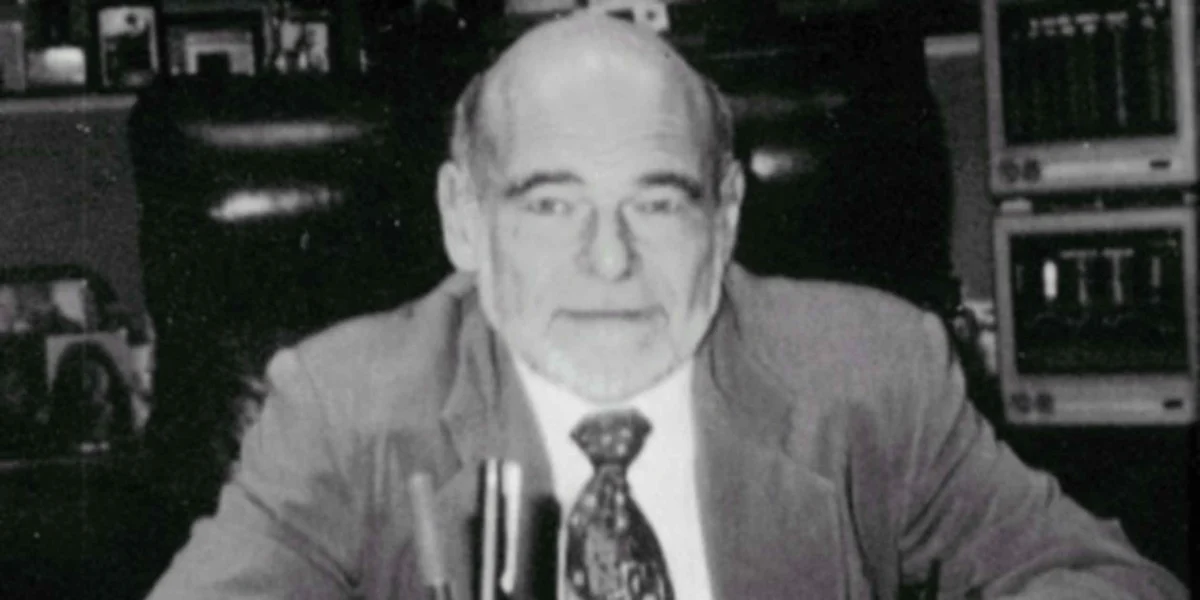
The second deal I cannot forget in Blackstone’s history is our 2007 acquisition of Equity Office Properties, or EOP, then America’s largest publicly held office building owner and manager.
A Landmark Transaction: The Genesis of Blackstone’s Real Estate Prowess
In the annals of corporate finance, certain transactions transcend mere financial metrics, etching themselves into the very identity of the entities involved. For Blackstone, the acquisition of Equity Office Properties (EOP) in 2007 stands as one such monumental event. This $39 billion leveraged buyout, masterminded by Stephen Schwarzman and his team, not only reshaped the landscape of commercial real estate ownership in the United States but also cemented Blackstone’s reputation as a formidable force in the global private equity and real estate investment arena. At the time, EOP was the undisputed titan of America’s office building sector, a sprawling portfolio that represented the zenith of traditional real estate ownership.

The deal’s significance cannot be overstated. It was, at that juncture, the largest real estate transaction ever completed and a testament to Blackstone’s ambitious vision and execution capabilities. The acquisition of EOP was not merely about acquiring physical assets; it was a strategic move to gain control of a vast, income-generating portfolio, which Blackstone intended to optimize and divest strategically. This transaction marked a pivotal moment, demonstrating that private equity firms could indeed orchestrate mega-deals in the highly complex and capital-intensive real estate market.
The Pre-Acquisition Landscape: Sam Zell’s Empire
Before Blackstone’s intervention, Equity Office Properties was the brainchild of legendary real estate investor Sam Zell. Zell, renowned for his contrarian approach and astute deal-making, had built EOP into a behemoth through a series of aggressive acquisitions and strategic consolidations. By the mid-2000s, EOP was the largest publicly traded owner and manager of office buildings in the United States, boasting a portfolio of approximately 560 properties totaling nearly 90 million square feet across 35 states. Its sheer scale made it a dominant player, influencing market dynamics and setting benchmarks for office space valuations.

Zell’s vision for EOP was characterized by a focus on prime urban locations and high-quality office towers, often acquired through complex financial structures. The company’s public offering in 1997 had been a landmark event in itself, signaling the growing appetite for institutional investment in large-scale office real estate. However, by the mid-2000s, the market was evolving. The increasing sophistication of real estate investment vehicles, coupled with a favorable credit environment, presented new opportunities for both buyers and sellers. It was within this dynamic context that Blackstone, under Schwarzman’s leadership, identified EOP as a prime target.
The Dealmaking Process: A Strategic Masterstroke
The acquisition of EOP was not a sudden impulse but a culmination of strategic planning and meticulous execution. Blackstone, a firm already well-established in private equity and credit, was actively seeking to expand its real estate footprint. The opportunity to acquire a portfolio of such magnitude and quality was rare. The deal involved complex negotiations and a sophisticated financing structure, typical of mega-buyouts of that era.

Blackstone engaged in intense due diligence, scrutinizing EOP’s vast portfolio, its operational efficiency, and its long-term leasing prospects. The firm’s ability to secure substantial debt financing, often referred to as leveraged buyouts, was crucial. The credit markets at the time were relatively liquid, allowing for significant leverage to be employed, amplifying potential returns for Blackstone’s investors.
The transaction was structured as a leveraged buyout, with Blackstone committing a substantial equity portion and arranging significant debt financing. The sheer scale of the deal – $39 billion, which included assumption of debt – was unprecedented for a real estate acquisition. This demonstrated Blackstone’s confidence in its ability to manage and enhance the value of such a massive portfolio. The deal closed in February 2007, at a time when the broader financial markets were beginning to show signs of stress, foreshadowing the global financial crisis that would unfold later that year.

Chronology of a Transformative Acquisition
- Early 2000s: Blackstone, under Stephen Schwarzman, actively explores opportunities to deepen its presence in the real estate sector, recognizing its potential for significant value creation.
- Mid-2000s: Equity Office Properties, led by Sam Zell, emerges as a dominant force in the U.S. office real estate market, managing a vast portfolio of prime assets.
- 2006: Discussions and preliminary explorations begin between Blackstone and representatives of EOP regarding a potential acquisition. The sheer scale and strategic importance of EOP’s portfolio make it an attractive target.
- Late 2006: Negotiations intensify, with Blackstone assembling a formidable team to conduct due diligence and structure the complex financing required for a deal of this magnitude. The firm secures commitments for significant debt financing from a syndicate of major financial institutions.
- February 2007: The $39 billion acquisition of Equity Office Properties by Blackstone is officially completed. This transaction is hailed as the largest real estate deal in history at the time, significantly bolstering Blackstone’s real estate division and establishing its credentials as a major player in the sector.
- 2007-2014: Blackstone embarks on a strategic program to manage, reposition, and divest portions of the EOP portfolio. This involves significant asset management, capital improvements, and targeted sales to various investors and real estate entities.
- 2014: Blackstone announces the sale of a significant portion of the former EOP portfolio to a joint venture of Starwood Capital Group and Equity Residential for approximately $5.3 billion. This marks a major milestone in Blackstone’s strategy to realize value from the acquisition.
- Ongoing: Blackstone continues to manage and divest the remaining assets acquired from EOP, demonstrating a long-term, strategic approach to portfolio management and value realization, solidifying its reputation for successful large-scale real estate transactions.
Supporting Data and Financial Implications
The financial implications of the EOP acquisition were profound. The $39 billion valuation reflected the immense scale and perceived value of EOP’s portfolio. For Blackstone, the deal was an exercise in financial engineering and strategic asset management. The firm aimed to leverage its expertise in operational efficiency, leasing, and capital markets to enhance the profitability of the acquired properties and ultimately generate substantial returns for its investors.
The acquisition was financed through a combination of Blackstone’s equity capital and significant debt. The availability of credit in the pre-financial crisis era was a key enabler. This leverage amplified the potential returns on equity but also increased the risk associated with the transaction.

Blackstone’s strategy post-acquisition involved a multi-pronged approach:
- Portfolio Optimization: Identifying underperforming assets and implementing strategies for improvement, including renovations, re-tenanting, and operational efficiencies.
- Strategic Divestments: Selling off individual properties or portfolios of assets to different buyers at opportune times, thereby realizing capital gains and de-risking the overall investment.
- Leasing Enhancement: Leveraging its extensive network and expertise to secure long-term leases with creditworthy tenants, thereby stabilizing income streams.
Over the years, Blackstone successfully executed this strategy. The firm managed to divest significant portions of the EOP portfolio, generating substantial profits. For instance, the sale of a large segment of the portfolio in 2014 for $5.3 billion demonstrated Blackstone’s ability to unlock value from these assets. This systematic approach to asset management and disposition allowed Blackstone to recover its initial investment and generate significant returns, solidifying its reputation as a master of large-scale real estate transactions.

Reactions and Analysis from Stakeholders
While the original article is a personal reflection, a broader journalistic account would include the likely reactions and analyses from various stakeholders.
From Sam Zell: Though not directly quoted in the provided text, Zell, a shrewd negotiator, would likely have viewed the sale as a strategic decision to monetize his investment at a favorable valuation. His public statements at the time often emphasized his opportunistic approach to real estate, suggesting he would have been satisfied with a deal that maximized shareholder value for EOP.

From Blackstone Investors: Investors in Blackstone’s funds would have viewed the EOP acquisition with a mixture of excitement and anticipation. The sheer scale of the deal signaled Blackstone’s ambition, and its successful execution would have been a major validation of the firm’s strategy and capabilities. The subsequent performance of the EOP assets would have been closely watched, with positive returns being a key objective.
From Market Analysts: Financial analysts and real estate experts would have closely scrutinized the deal, analyzing its structure, financing, and potential impact on the broader office real estate market. The acquisition was seen as a significant indicator of the increasing role of private equity in the ownership and management of prime commercial real estate. Some might have expressed concerns about the leverage employed, especially in light of the looming financial crisis.

From Competitors: Rival private equity firms and real estate investors would have undoubtedly taken note of Blackstone’s bold move. The success of the EOP deal would have spurred similar ambitions and strategies among competitors, further intensifying the competitive landscape in institutional real estate investment.
Broader Impact and Legacy
The acquisition of Equity Office Properties by Blackstone was more than just a large financial transaction; it was a transformative event that had a lasting impact on Blackstone and the real estate industry.

Blackstone’s Real Estate Dominance: This deal propelled Blackstone’s real estate division into the top tier of global real estate investors. It demonstrated the firm’s ability to execute complex, large-scale transactions, manage vast portfolios, and generate significant returns. The success of the EOP acquisition became a cornerstone of Blackstone’s reputation in real estate, paving the way for numerous subsequent mega-deals.
The Evolution of Real Estate Investment: The transaction underscored the growing trend of institutionalizing real estate ownership. It showcased how private equity firms could leverage their financial expertise and operational capabilities to acquire, manage, and optimize large portfolios of real estate assets, moving beyond traditional real estate developers and REITs.

Market Dynamics: The sheer size of the acquisition influenced market valuations and the availability of capital for office real estate. It signaled a robust demand for high-quality office assets, even as the broader financial markets began to show signs of strain.
A Precursor to Crisis: While the deal was lauded at the time, it also occurred at the peak of the credit boom. The immense leverage used in the acquisition, combined with the subsequent global financial crisis of 2008, placed significant pressure on such transactions. Blackstone’s ability to navigate the post-crisis environment and eventually realize substantial profits from the EOP portfolio is a testament to its resilience and strategic acumen.

In essence, the $39 billion acquisition of Equity Office Properties was a defining moment for Blackstone. It was a bold declaration of intent in the real estate arena, a masterclass in financial engineering, and a pivotal event that solidified the firm’s position as a global leader in private equity and real estate investment. The legacy of this deal continues to resonate, shaping the way large-scale real estate transactions are conceived and executed in the modern financial landscape.