Clara Shinta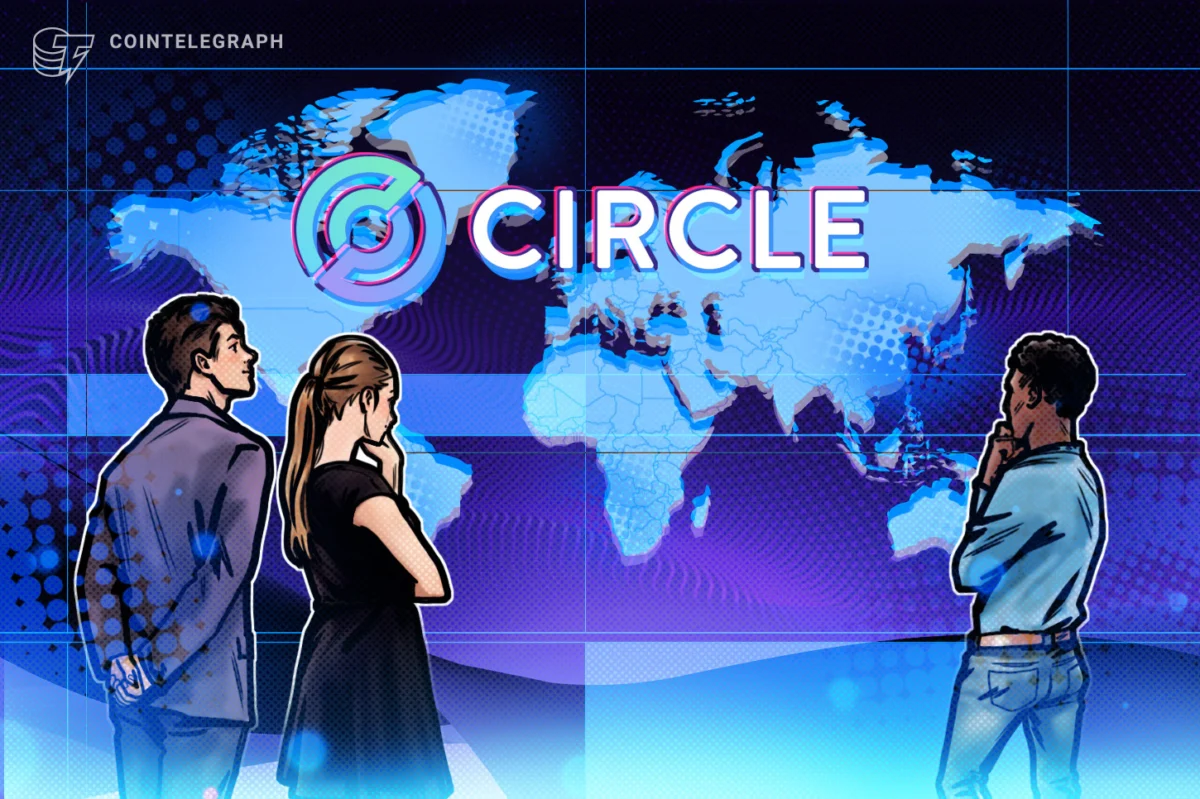
Bangkok, Thailand – October 17, 2026 – Circle, a leading global financial technology firm and the principal issuer of the USDC stablecoin, is embarking on an aggressive expansion strategy targeting approximately 40 developing markets across Southeast Asia, Latin America, Africa, and the Middle East. This significant move, articulated by Circle’s CEO and Chairman, Jeremy Allaire, during the annual International Monetary Fund (IMF) and World Bank meetings in Bangkok, underscores a pivotal shift in the blockchain industry from an early adopter phase to mainstream scaling. The initiative is directly fueled by what Allaire described as an "inflection point," characterized by surging demand for stablecoins as businesses and individuals in these regions increasingly seek entry into the internet-based economic system.
Allaire’s remarks highlighted a palpable evolution in global financial ecosystems, where the inherent benefits of stablecoins—such as stability, speed, and cost-effectiveness—are resonating deeply within economies grappling with currency volatility, high inflation, and limited access to traditional financial services. This strategic pivot by Circle is not merely an expansion of market reach but a testament to the growing utility and acceptance of digital assets in fostering financial inclusion and cross-border commerce on a global scale. The announcement comes amidst a backdrop of robust performance for Circle’s USDC, which has demonstrated remarkable growth in transaction activity, coupled with optimistic projections from financial analysts regarding its future trajectory.
The Genesis of a Global Shift: Stablecoins as Economic Enablers
The increasing demand for stablecoins in developing economies is rooted in a confluence of macroeconomic factors and technological advancements. Many countries in Southeast Asia, Latin America, Africa, and the Middle East face persistent challenges, including volatile local currencies, high remittance costs, and a significant unbanked or underbanked population. Traditional financial infrastructure often proves cumbersome, slow, and expensive, particularly for cross-border transactions. Stablecoins, digital currencies pegged to a stable asset like the US dollar, offer a compelling alternative. They provide a digital medium of exchange that combines the stability of fiat currency with the efficiency and transparency of blockchain technology.
For individuals, stablecoins offer a hedge against inflation and local currency depreciation, enabling them to save and transact in a more stable unit of account. For businesses, particularly small and medium-sized enterprises (SMEs) engaged in international trade, stablecoins facilitate faster and cheaper cross-border payments, reducing operational costs and improving cash flow. The ability to send and receive value almost instantly, at a fraction of the cost of traditional wire transfers or money orders, unlocks new opportunities for economic participation and growth.
Allaire elaborated on this phenomenon, noting that the "mainstream scaling phase" is characterized by a broader demographic recognizing and utilizing blockchain-based financial tools not as speculative investments, but as practical solutions for everyday economic activities. This evolution marks a critical turning point for the digital asset landscape, moving beyond niche applications to becoming an integral part of global commerce and personal finance.
USDC’s Ascendance: Transaction Volume and Analyst Confidence
Circle’s confidence in its expansion strategy is underpinned by the impressive performance of its USDC stablecoin. While USDC remains the second-largest dollar-backed stablecoin by market capitalization, trailing Tether’s USDt (USDT), it has made significant strides in transactional activity. According to data cited by Bernstein analysts in an August 24, 2026 report, USDC’s share of adjusted stablecoin transaction volume surged from approximately 40% in 2025 to over 60% year-to-date in 2026, effectively overtaking USDt in this crucial metric. This shift indicates a growing preference among users and institutions for USDC in real-world transactions, reflecting its perceived reliability, regulatory compliance, and broader ecosystem integration.
Bernstein’s analysis was unequivocally bullish on Circle, foreseeing a new growth cycle for USDC that could significantly boost the company’s valuation over the subsequent 12 months. The analysts identified several catalysts for this projected growth, including a renewed momentum in the broader cryptocurrency markets, which typically correlates with increased stablecoin usage. Furthermore, greater regulatory clarity in the United States, particularly concerning stablecoin frameworks, is expected to instill greater confidence among institutional investors and mainstream users. The burgeoning potential of tokenized capital markets and the increasing adoption of stablecoins for payments, including nascent uses by AI agents, were also highlighted as key drivers.
The notion of "tokenized capital markets" refers to the digitalization of traditional financial assets—such as stocks, bonds, and real estate—onto blockchain networks. Stablecoins serve as the primary medium for settlement and exchange within these emerging digital marketplaces, offering enhanced liquidity, transparency, and fractional ownership opportunities. The anticipated integration of stablecoins into AI-driven payment systems further illustrates the forward-looking nature of this technology, positioning it at the forefront of future digital commerce.
Strategic Acquisitions and Ecosystem Expansion: The Tazapay Deal
Circle’s aggressive growth strategy extends beyond organic market penetration to include strategic acquisitions aimed at bolstering its infrastructure and expanding its service offerings. A prime example is the company’s agreement, announced on September 8, 2026, to acquire Singapore-based cross-border payments platform Tazapay in a $400 million all-stock deal, anticipated to close in 2027.
The acquisition of Tazapay is a pivotal move that directly supports Circle’s ambition to facilitate seamless, efficient, and cost-effective cross-border payments globally, especially within the developing markets it targets. Tazapay’s established network and expertise in handling international transactions, particularly across Asia, will provide Circle with immediate inroads and enhanced capabilities. This synergy is expected to streamline the on-ramp and off-ramp processes for USDC, making it easier for businesses and individuals in emerging economies to convert local currencies into USDC and vice versa, thereby accelerating adoption and utility.
The integration of Tazapay’s platform into Circle’s ecosystem will likely enhance the overall user experience, offering more localized payment options and potentially reducing friction associated with regulatory compliance in diverse jurisdictions. This strategic alignment underscores Circle’s commitment to building a comprehensive financial infrastructure that leverages blockchain technology to address real-world payment challenges.
Broader Implications for Global Finance and Financial Inclusion
Circle’s foray into 40 developing markets carries profound implications for the future of global finance, particularly concerning financial inclusion and the modernization of payment systems. The move represents a significant step towards democratizing access to stable, dollar-denominated financial services for billions of people who have historically been underserved by traditional banking institutions.
Financial Inclusion: In many target regions, a substantial portion of the population lacks access to basic banking services. Stablecoins, accessible via a smartphone and an internet connection, can bypass traditional banking infrastructure, offering a pathway to digital savings, payments, and remittances for the unbanked. This empowers individuals to participate more fully in the global digital economy, fostering economic resilience and opportunity.
Remittance Market Disruption: The global remittance market, estimated to be hundreds of billions of dollars annually, is ripe for disruption. Traditional remittance services often charge exorbitant fees, particularly for transfers to developing countries, and can take days to process. Stablecoins offer near-instantaneous transfers at significantly lower costs, putting more money directly into the hands of recipients and increasing the purchasing power of diaspora communities. This could lead to a substantial redistribution of wealth, benefiting families and local economies.
Economic Development: By facilitating cheaper and faster transactions, stablecoins can spur local economic development. SMEs can more easily engage in international trade, access global supply chains, and receive payments from overseas customers. This fosters entrepreneurial growth, creates jobs, and integrates local economies more deeply into the global marketplace. The increased flow of capital, unburdened by high fees and delays, can accelerate investment and innovation.
Geopolitical and Regulatory Landscape: The widespread adoption of dollar-pegged stablecoins also raises complex questions regarding financial sovereignty and the potential for "digital dollarization" in economies with unstable local currencies. While offering stability, it also introduces a reliance on the monetary policy of the US dollar. This aspect necessitates careful consideration by national regulators and central banks in these developing markets, prompting discussions around sovereign digital currencies (CBDCs) and comprehensive stablecoin regulatory frameworks. The IMF and World Bank meetings, where Allaire made his announcement, serve as critical forums for these very discussions, highlighting the interconnectedness of technological innovation and global financial governance.
Challenges and the Road Ahead
Despite the promising outlook, Circle’s ambitious expansion is not without its challenges. Navigating the diverse regulatory landscapes of 40 different countries will require significant effort and adaptability. Each jurisdiction may have its own unique rules regarding digital assets, requiring Circle to secure various licenses and comply with local anti-money laundering (AML) and know-your-customer (KYC) regulations. The lack of consistent global stablecoin regulation remains a hurdle, though efforts are underway in various international bodies to establish common standards.
Furthermore, fostering adoption in markets where digital literacy or internet penetration may be lower will require localized education and robust infrastructure. Competition from existing payment systems, both traditional and emerging, will also be a factor. The success of Circle’s strategy will depend not only on the technological superiority of USDC but also on its ability to build trust, integrate seamlessly with local financial ecosystems, and provide accessible, user-friendly solutions.
As the world continues its rapid digital transformation, stablecoins like USDC are poised to play an increasingly central role in bridging traditional finance with the blockchain-powered economy. Circle’s proactive engagement with developing markets signals a clear vision for a more interconnected, efficient, and inclusive global financial system, setting a precedent for how digital assets can drive economic progress on an unprecedented scale. The coming years will undoubtedly reveal the full impact of this strategic expansion on the lives of millions and the broader landscape of international finance.