Farhan Pambudi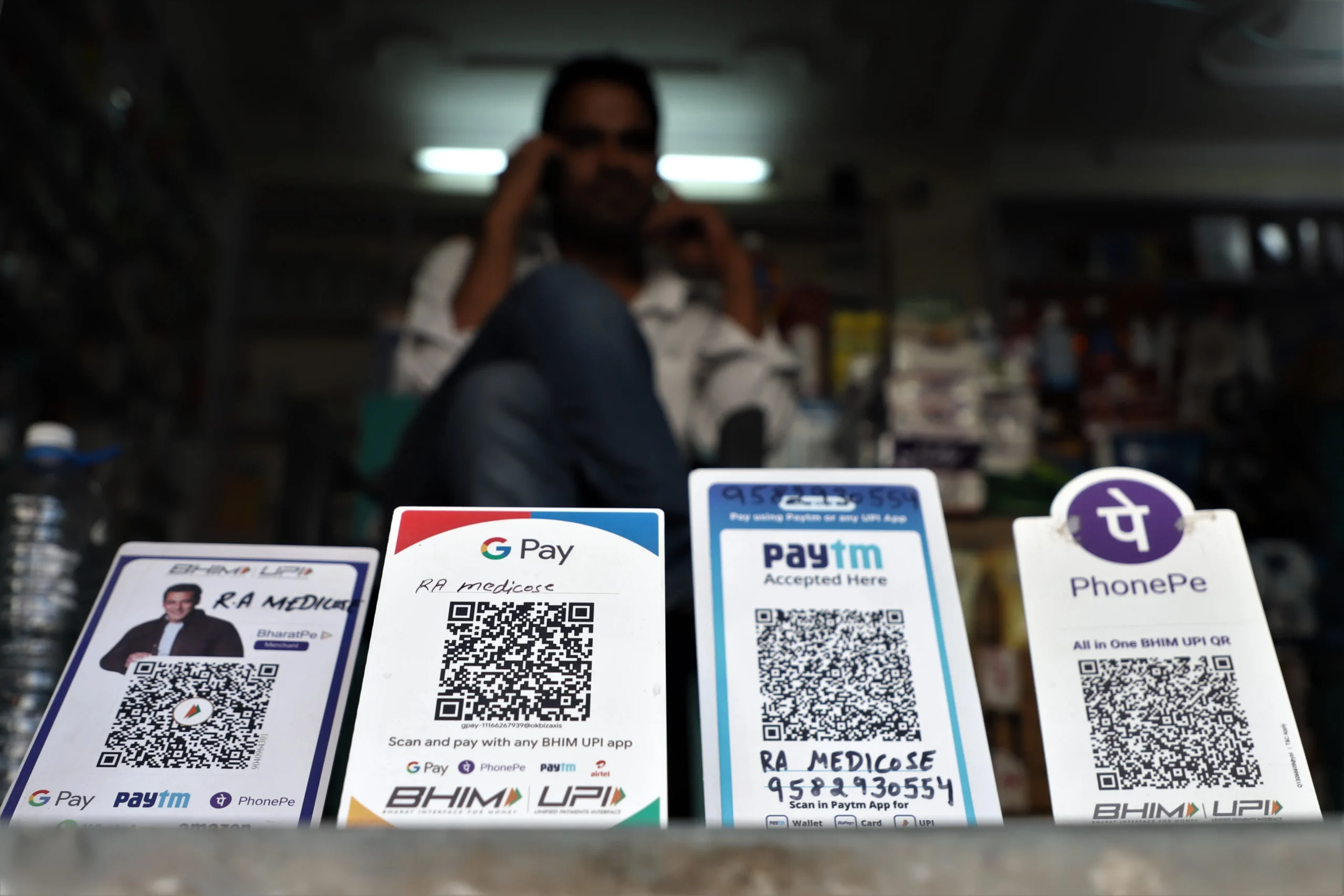
The National Payments Corporation of India (NPCI) has officially announced a delay in the implementation of a new fee structure for transactions conducted via the Unified Payments Interface (UPI). The decision, communicated on Tuesday, postpones the introduction of a 0.4% merchant fee on specific high-value transactions that was originally scheduled to take effect on October 15. The NPCI cited the upcoming festive season, which includes major holidays like Diwali, as the primary reason for the reprieve, acknowledging the critical role of digital payments in facilitating the surge in consumer spending during this period.
The proposed fee, which targets transactions exceeding ₹2,000 (approximately $21), represents a pivotal shift in the Indian government’s long-standing policy of maintaining a zero-fee environment for UPI transactions. This "zero-MDR" (Merchant Discount Rate) regime has been a cornerstone of India’s digital transformation, propelling UPI from a niche payment method to the country’s dominant financial infrastructure. However, the move to monetize the network has met with intense resistance from various trade bodies and retail associations, leading to the current administrative pause.
The Scale and Growth of the UPI Ecosystem
To understand the weight of this decision, one must look at the sheer volume of transactions currently processed by the network. According to official data from the NPCI, the UPI ecosystem processed 24.07 billion transactions in September 2024 alone. The cumulative value of these transactions reached a staggering ₹29.37 trillion (approximately $305 billion). These figures represent a year-on-year growth that continues to defy global trends in digital payment adoption.
UPI now accounts for over 80% of all digital payment volumes in India. Its ubiquity is driven by its ease of use, instant settlement capabilities, and the proliferation of QR codes in even the most remote parts of the country. Currently, the market is dominated by third-party application providers (TPAPs), with Walmart-owned PhonePe and Google Pay collectively holding more than 80% of the market share. Other significant players include Paytm, Axis Bank, and HDFC Bank.
The financial burden of maintaining this massive infrastructure is substantial. Industry estimates shared by the NPCI suggest that the annual operating cost of the UPI network—encompassing server maintenance, cybersecurity measures, fraud prevention, and technical support—is approximately ₹200 billion (around $2.1 billion). For years, banks and payment service providers have argued that the zero-MDR policy is unsustainable, as they are forced to absorb these costs without a direct revenue stream from the transactions themselves.
Chronology of the UPI Fee Debate
The journey toward the current impasse began shortly after the launch of UPI in 2016. In its early years, UPI operated similarly to other digital payment methods, where banks and payment processors charged merchants a small percentage of the transaction value.
- January 2020: In a bid to accelerate the adoption of digital payments and reduce the economy’s reliance on physical cash, the Indian government mandated a zero-MDR policy for all UPI and RuPay debit card transactions. This meant merchants no longer had to pay fees to accept these payments.
- 2021–2023: As transaction volumes exploded, the government began providing annual subsidies to banks and financial institutions to compensate for their lost revenue. However, industry stakeholders consistently argued that these subsidies—often totaling around ₹1,500 crore to ₹2,000 crore annually—were insufficient to cover the actual operational costs and investments required for technological upgrades.
- September 2024: The NPCI announced the 0.4% fee on transactions above ₹2,000, intended to provide a sustainable revenue model for the ecosystem. The plan included exemptions for small merchants and a cap on the maximum fee per transaction.
- October 2024: Following threats of boycotts from retailers and petrol pump operators, the NPCI announced the postponement of the fee rollout until after the Diwali festival.
Details of the Proposed Fee Structure and Exemptions
The NPCI’s proposed fee was designed with several safeguards intended to protect small businesses and casual users. The 0.4% charge was not a blanket tax on all digital commerce but was specifically calibrated for "eligible merchant transactions."
Under the proposed guidelines, transactions of ₹2,000 or less would remain entirely free for merchants. Furthermore, small-scale vendors who receive less than ₹100,000 (approximately $1,033) per month via UPI were also slated for exemption. For larger transactions, the NPCI proposed a fee cap of ₹300 (around $3), ensuring that high-ticket purchases would not result in exorbitant costs for retailers.
The revenue generated from these fees was intended to be distributed among the various participants in the UPI lifecycle. This includes the "Remitter Bank" (the sender’s bank), the "Beneficiary Bank" (the merchant’s bank), and the payment service providers like PhonePe or Google Pay. The NPCI emphasized that these funds are essential for bolstering the network’s resilience against cyber threats and enhancing the "Know Your Customer" (KYC) and fraud monitoring frameworks.
Widespread Opposition from Retail and Petroleum Sectors
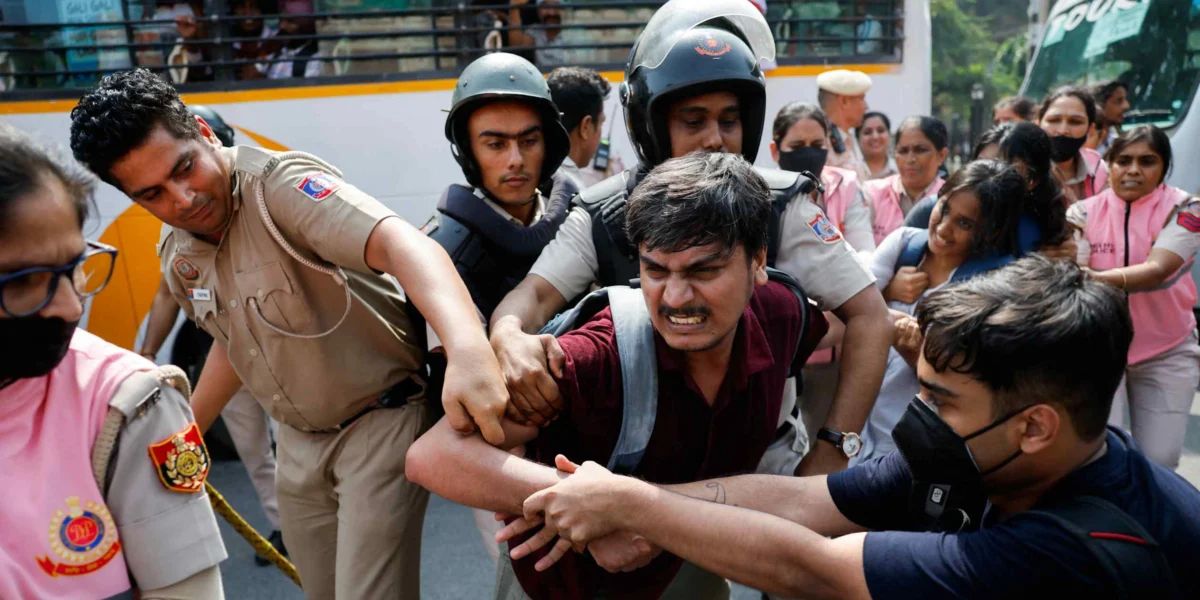
The postponement follows a week of escalating tension between the NPCI and merchant associations. The most vocal opposition came from the All India Mobile Retailers Association (AIMRA) and various petrol pump operator unions.
Petrol pump owners, in particular, argued that their profit margins are regulated and extremely thin. They claimed that a 0.4% fee on fuel purchases—which are frequently high-value transactions—would effectively wipe out a significant portion of their net earnings. Some associations went as far as to warn that they would stop accepting UPI payments entirely if the fee were enforced, potentially forcing millions of consumers back to cash or credit cards.
Retailers expressed similar concerns, noting that while the fee is nominally charged to the merchant, the economic reality would eventually force them to pass the cost onto consumers or discourage the use of UPI for high-value items like electronics and appliances. "The beauty of UPI was its friction-less and cost-less nature," stated a representative from a regional traders’ body. "Introducing a fee, even a small one, changes the psychology of the merchant and the consumer."
The Financial Sustainability Dilemma
The delay highlights a fundamental tension in India’s fintech strategy: the balance between financial inclusion and financial sustainability. The zero-MDR policy was undoubtedly successful in bringing millions of unbanked or underbanked individuals into the formal economy. However, the "free ride" has created a situation where the companies driving the innovation—the fintech startups and the banks—are struggling to find a path to profitability within the UPI framework.
Payment service providers have long sought ways to monetize their massive user bases. While they have branched out into lending, insurance, and wealth management, the core payment business remains a "loss leader." The government’s subsidies, while helpful, are often viewed as a temporary "band-aid" rather than a long-term solution.
Industry analysts suggest that the NPCI is in a difficult position. If it does not introduce fees, the quality of the infrastructure may eventually degrade as banks become reluctant to invest in the necessary server capacity to handle the ever-increasing load. If it does introduce fees too aggressively, it risks derailing the "Digital India" momentum that has become a global case study for financial technology.
Global Ambitions and the Future of UPI
The domestic fee debate comes at a time when India is aggressively exporting the UPI technology to international markets. Through its international arm, NPCI International Payments Limited (NIPL), the network has already established a presence or signed agreements in countries including Singapore, the United Arab Emirates, Mauritius, Nepal, France, and the United Kingdom.
The goal of these international partnerships is to allow Indian travelers to pay via UPI abroad and to facilitate cheaper, faster cross-border remittances. Analysts point out that a stable and profitable domestic model is essential for the long-term credibility of UPI on the global stage. Foreign regulators and partner banks are closely watching how India handles the transition from a subsidized public good to a self-sustaining commercial infrastructure.
Implications for the Post-Diwali Landscape
While the NPCI has not specified a new date for the rollout, the "post-Diwali" window suggests a likely implementation in late November or early January 2025. This delay provides the government and the NPCI additional time to engage in consultations with merchant groups to perhaps refine the fee structure or offer further concessions.
The broader implication of this postponement is the acknowledgement that UPI is no longer just a payment tool; it is a critical utility. Any change to its economic structure has immediate and far-reaching consequences for inflation, consumer behavior, and the operational viability of millions of small businesses.
As the festive season approaches, the volume of transactions is expected to hit record highs. The NPCI’s decision ensures that the shopping period remains unencumbered by new transaction costs, but the underlying problem of who pays for the "backbone" of India’s digital economy remains an unresolved and contentious issue. The coming months will likely see intense negotiations as the government seeks a middle ground that satisfies the financial requirements of the banking sector without alienating the merchant community that has been instrumental in UPI’s success.