Ena Muazin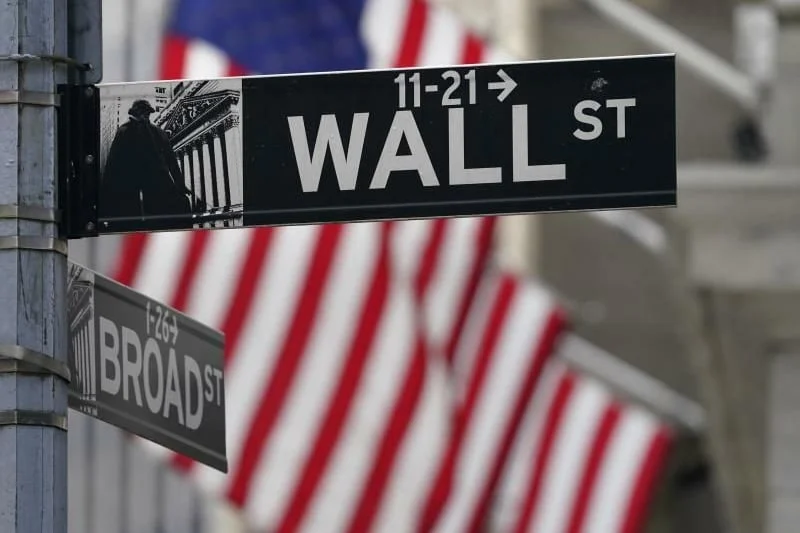
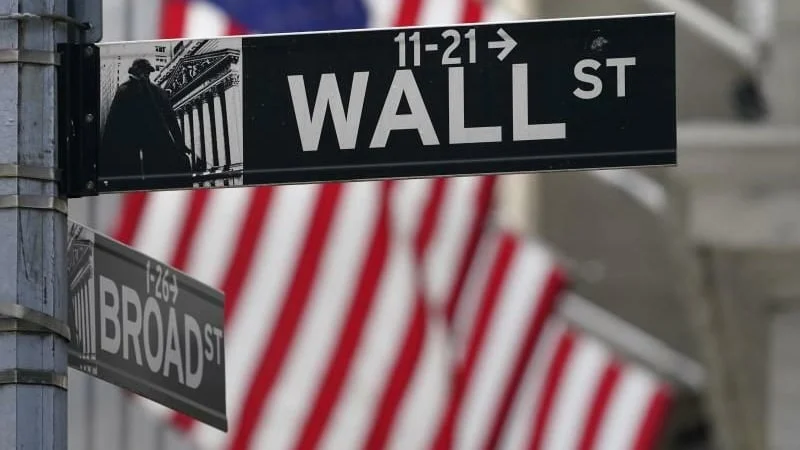
The final trading day of the week saw the U.S. indices influenced by a speech from Fed Chairman Warsh. On the bond markets, there were indications that the sell-off of government bonds might be over for now. The Dow Jones Industrial Average experienced a slight decline, closing down by 0.3 percent, as investors reacted to a combination of factors, including hawkish remarks from Federal Reserve officials and ongoing concerns about the broader economic landscape. The S&P 500 and the Nasdaq Composite also registered modest losses, reflecting a cautious sentiment pervading the markets.

Market Dynamics and Investor Sentiment
The U.S. stock markets concluded the trading week on a subdued note, with major indices extending a trend of cautious trading. The Dow Jones Industrial Average, a bellwether for large-cap U.S. stocks, shed 0.3 percent, reflecting a broader market hesitancy. This dip came despite signals from Federal Reserve Chairman Warsh regarding the U.S. economic outlook, which failed to fully galvanize investor optimism. Concurrently, the broader S&P 500 index and the technology-heavy Nasdaq Composite also experienced minor contractions, indicating a widespread sentiment of prudence among market participants.
The week had been characterized by volatility, particularly in the semiconductor sector. A significant sell-off in chipmaker stocks had previously cast a shadow over the market, fueled by anxieties surrounding rising interest rates. Investors are increasingly concerned that a higher interest rate environment could disproportionately impact companies with significant ties to Artificial Intelligence (AI), a sector that has seen substantial growth and investment in recent years. This sector-specific weakness contributed to a general air of caution, prompting a reassessment of risk appetite across various segments of the market.
The Influence of Federal Reserve Policy
Federal Reserve policy remains a central theme driving market sentiment. Comments from Federal Reserve officials, including Chairman Warsh, are closely scrutinized for any indications of future monetary policy direction. While Warsh’s remarks were interpreted as a sign of confidence in the U.S. economy, they did not entirely allay concerns about the trajectory of interest rates. The market is keenly aware that higher interest rates can increase borrowing costs for businesses, potentially dampening corporate earnings and investment, and making equities less attractive relative to fixed-income investments.
The ongoing debate about the Federal Reserve’s approach to inflation and economic growth continues to shape investor strategies. Any perceived hawkishness – a stance favoring higher interest rates to combat inflation – can lead to a recalibration of asset allocations. Conversely, dovish signals – suggesting a more accommodative monetary policy – can boost equity markets. In this instance, the nuanced message from Chairman Warsh appears to have leaned towards a more cautious, data-dependent approach, leaving investors to weigh the potential for continued economic expansion against the risk of persistent inflation and subsequent rate hikes.
Bond Market Signals and Interest Rate Expectations
Beyond equities, the bond markets have also been a focal point of investor attention. Recent activity in the government bond market has suggested a potential stabilization after a period of significant selling pressure. The "sell-off" in government bonds, characterized by falling bond prices and rising yields, had been a cause for concern, signaling expectations of higher interest rates or increased inflation. The current indications of a potential pause in this trend could offer some relief, suggesting that the market might be pricing in a more stable interest rate environment in the short to medium term.
However, the underlying dynamics of the bond market are complex and influenced by a multitude of factors, including inflation expectations, fiscal policy, and global economic conditions. While a temporary reprieve in bond yields is a positive sign, sustained stability would likely depend on clearer signals from the Federal Reserve and a more predictable inflation outlook. The interplay between bond yields and equity valuations is crucial, as higher bond yields can draw capital away from riskier assets like stocks, thus impacting overall market performance.

Sectoral Performance and AI Concerns
The recent performance of the semiconductor industry has had a ripple effect across the broader market, particularly impacting companies associated with Artificial Intelligence. The sharp decline in memory chip stocks, for instance, has been interpreted by some analysts as a broader market signal. David Morrison, Chief Analyst at Trade Nation, commented on this phenomenon, stating that the downturn in memory chip stocks "provided investors with a pretext to reduce their exposure in all AI-related companies." This suggests that the sell-off was not solely driven by company-specific issues within the semiconductor sector but also by a broader reassessment of valuations and risks associated with the high-growth AI segment.
The AI sector, which has been a significant driver of market growth, is particularly sensitive to interest rate movements. Companies in this space often rely on substantial investment and may carry higher valuations, making them more vulnerable to increases in borrowing costs and a general shift towards risk-off sentiment. The concerns are that higher interest rates could make it more expensive for these companies to fund their operations and expansion, potentially slowing their growth trajectory and impacting their profitability. This has led to a more cautious approach from investors, prompting a re-evaluation of their portfolios and a potential shift away from highly valued, growth-oriented technology stocks.

Broader Economic Context and Outlook
The performance of the U.S. stock markets is intrinsically linked to the broader economic landscape of the United States. Factors such as consumer spending, corporate earnings, employment figures, and inflation rates all play a significant role in shaping investor confidence and market direction. The Federal Reserve’s dual mandate of maintaining price stability and maximizing employment continues to guide its monetary policy decisions, which, in turn, influence economic activity and market performance.
The current economic environment is marked by a complex interplay of factors, including the lingering effects of the pandemic, supply chain disruptions, and geopolitical uncertainties. While certain economic indicators have shown resilience, concerns about inflation and the potential for an economic slowdown persist. The Federal Reserve’s ability to navigate these challenges and achieve a "soft landing" – a scenario where inflation is brought under control without triggering a significant recession – remains a key determinant of future market performance.

Chronology of Market Events This Week
- Monday: Markets opened the week with a cautious tone, reflecting ongoing concerns about inflation and the Federal Reserve’s monetary policy. Early trading saw mixed performance across the major indices.
- Tuesday: Investor sentiment remained subdued as market participants awaited further clarity on economic data and potential policy shifts. Technology stocks experienced some pressure, continuing a trend from the previous week.
- Wednesday: The Federal Reserve released minutes from its latest policy meeting, which offered some insights into the discussions around interest rates and inflation. The market reacted with moderate volatility, digesting the implications of the Fed’s deliberations.
- Thursday: Attention turned to statements from Federal Reserve officials, including Chairman Warsh, whose remarks on the economic outlook were closely watched. Bond yields saw some movement as investors assessed the potential impact on future monetary policy.
- Friday: The trading week concluded with a slight downturn in the major U.S. indices. The Dow Jones Industrial Average, S&P 500, and Nasdaq Composite all closed in negative territory, influenced by the prevailing cautious sentiment and the continued focus on interest rate expectations.
Data and Figures
- Dow Jones Industrial Average: Closed down approximately 0.3% on Friday.
- S&P 500: Experienced a slight decline, mirroring the broader market trend.
- Nasdaq Composite: Also registered minor losses, reflecting sector-specific pressures and general market caution.
- Semiconductor Sector: Saw significant volatility throughout the week, with a notable sell-off in chipmaker stocks.
- Bond Markets: Showed signs of potential stabilization after a period of decline in bond prices and rising yields.
Expert Analysis and Outlook
The current market environment presents a complex picture for investors. The interplay between inflation, interest rates, and corporate performance creates a degree of uncertainty. Analysts are closely monitoring economic data releases and Federal Reserve communications for any shifts in policy direction. The performance of technology and growth stocks, particularly those in the AI sector, will likely remain a key area of focus, given their sensitivity to interest rate changes and valuation concerns.
The consensus among many market observers is that a period of continued caution is likely until there is greater clarity on the path of inflation and monetary policy. While some segments of the market have shown resilience, the overarching sentiment suggests that investors are prioritizing capital preservation and a measured approach to risk-taking. The coming weeks will be crucial in determining whether the current cautious trend persists or if new catalysts emerge to drive a more decisive market direction. The ongoing dialogue between economic realities and investor expectations will undoubtedly continue to shape the performance of the U.S. stock markets.