Farhan Pambudi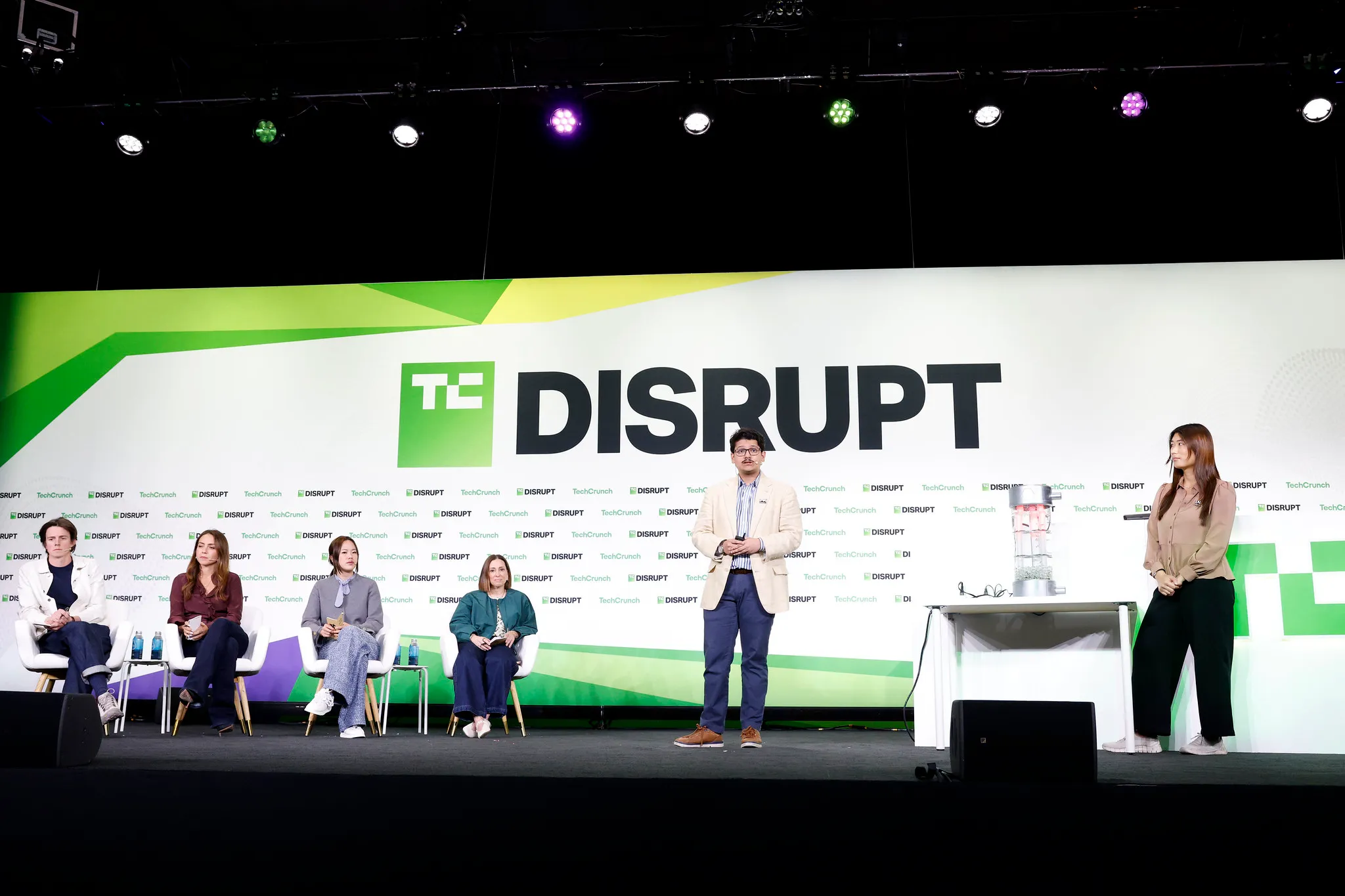
The first phase of TechCrunch Disrupt 2026 has concluded in San Francisco, marking the transition into the most intensive period of the three-day summit. As the event moves into its second and third days on October 14 and 15 at the Moscone West convention center, organizers have implemented a strategic 50% price reduction across all ticket categories. This mid-event adjustment aims to maximize attendance density during the final 48 hours, which are traditionally characterized by high-stakes investor meetings, the culmination of the Startup Battlefield 200 competition, and deep-dive technical sessions across two dedicated artificial intelligence stages.
The decision to offer a significant discount for the remaining programming reflects the evolving nature of tech conferences in a post-pandemic economy, where organizers seek to lower the barrier for early-stage founders and students who may benefit most from the networking ecosystem. By reducing the entry cost by half, the event seeks to foster a more inclusive environment for the final sessions featuring a diverse lineup of speakers ranging from Hollywood entrepreneurs to the world’s most influential venture capitalists.
A Strategic Timeline for Innovation
TechCrunch Disrupt has long served as a bellwether for the technology sector, and the 2026 iteration comes at a pivotal moment for the industry. Following a period of market recalibration in 2024 and 2025, the 2026 event is heavily focused on the operationalization of generative artificial intelligence and the stabilization of the venture capital landscape.
The conference began on October 13 with an emphasis on the foundational layers of technology. As the event enters its second day, the focus shifts toward application and scaling. October 14 is set to feature a heavy concentration of sessions regarding enterprise AI and consumer tech, while October 15 will serve as the finale for the Startup Battlefield, where the remaining finalists will compete for the coveted Disrupt Cup and a significant equity-free cash prize.
The venue, Moscone West, has been "revamped" for this year’s event to accommodate a more interactive Expo Hall. This physical layout change is designed to facilitate more spontaneous "hallway tracks"—the informal networking that many industry veterans consider the most valuable aspect of the Disrupt experience.
High-Profile Speaker Lineup and Executive Insights
The programming for the remainder of the event features a cross-section of cultural and technical leadership. On the Disrupt Stage, A-list actor and entrepreneur Mark Wahlberg is scheduled to discuss the intersection of celebrity branding and tech-driven fitness and lifestyle platforms. His appearance highlights a growing trend of "creator-led" enterprises that leverage massive social footprints to disrupt traditional consumer categories.
In a rare public appearance, all five partners from Benchmark—one of Silicon Valley’s most storied venture capital firms—will take the stage together. Benchmark is known for its lean partnership structure and its early bets on companies like Uber, eBay, and Dropbox. Their joint appearance is expected to provide critical insights into the current investment climate, particularly regarding where "smart money" is moving as the initial hype surrounding large language models (LLMs) transitions into a search for sustainable business models.
The executive roster also includes Amjad Masad, CEO of Replit, who has been a vocal proponent of AI’s role in democratizing software engineering. He is joined on the schedule by Panos Panay, Amazon’s head of devices and services, who is expected to discuss the integration of ambient intelligence into consumer hardware. Furthermore, the leadership of Bluesky—CEO Toni Schneider and COO Rose Wang—will address the future of decentralized social media, a topic of increasing relevance as users seek alternatives to traditional, centralized platforms.
The Dominance of Artificial Intelligence
Reflecting the current technological zeitgeist, TechCrunch Disrupt 2026 has dedicated two flagship stages exclusively to Artificial Intelligence. These stages serve as the epicenter for technical discourse and product announcements.
A highly anticipated session features Alexander Embiricos, OpenAI’s Head of Enterprise Product. Embiricos is slated to discuss the deployment of the company’s "Dots" agents. These autonomous or semi-autonomous AI agents represent the next frontier of productivity software, moving beyond simple chat interfaces toward systems capable of executing complex workflows with minimal human intervention. The introduction of agentic AI is a central theme of the 2026 conference, as businesses look for ways to move from "AI experimentation" to "AI implementation."
The AI stages will also host representatives from other industry leaders, including:

- Anthropic: Focusing on AI safety and the development of constitutional AI models.
- Hugging Face: Discussing the importance of open-source repositories in the global AI ecosystem.
- Clay: Exploring the role of AI in automating lead generation and personalized outreach for B2B enterprises.
These sessions are intended to provide a comprehensive view of the AI stack, from the foundational models to the specialized applications that are currently disrupting the SaaS (Software as a Service) industry.
Startup Battlefield 200: The Competition Core
At the heart of TechCrunch Disrupt is the Startup Battlefield 200, a curated competition featuring 200 startups selected from thousands of global applicants. These companies represent the vanguard of innovation in sectors including fintech, healthtech, sustainability, and space exploration.
The competition is currently in its middle rounds, with founders pitching their business models to panels of expert judges, including seasoned VCs and technical founders. The 2026 cohort is notable for its geographical diversity and its focus on "hard tech"—startups dealing with physical infrastructure, energy storage, and advanced manufacturing.
The discount offered for the final two days provides a unique opportunity for attendees to witness the final "top ten" pitches. Historically, the Startup Battlefield has been the launching pad for companies that have gone on to raise billions in follow-on funding and achieve multi-billion dollar valuations. For investors, the competition serves as a concentrated scouting ground for the next generation of market leaders.
Networking, Side Events, and the San Francisco Ecosystem
Beyond the formal stages, the Disrupt Expo Hall features over 320 exhibitors. The revamped hall is designed to encourage deeper engagement through interactive booths and "breakout" zones. These zones allow for smaller, more focused discussions on niche topics such as cybersecurity regulations, the ethics of biometric data, and the future of remote work infrastructure.
In addition to the main programming at Moscone West, the "Disrupt experience" extends across the city of San Francisco. A series of "Side Events"—ranging from early-morning founder runs to late-night networking mixers—are scheduled in various neighborhoods including SoMa, Hayes Valley, and the Mission District. These satellite events are often where the most significant deals are initiated, as they provide a more relaxed environment for founders to connect with potential co-founders and early-stage backers.
Broader Impact and Industry Implications
The 50% discount on tickets is more than a marketing tactic; it is a response to the shifting economics of the tech industry. In 2026, the "founder experience" is increasingly defined by capital efficiency and the need for high-signal networking. By making the final two days of Disrupt more accessible, the event organizers are acknowledging that the value of a tech conference lies in the density and quality of its participants.
For the city of San Francisco, the continued success of large-scale events like Disrupt is a vital component of its economic recovery. The influx of thousands of tech professionals provides a significant boost to local hospitality and service sectors, reinforcing the city’s status as the global capital of technological innovation despite the rise of competing hubs in Austin, Miami, and New York.
The themes emerging from Disrupt 2026—specifically the transition to agentic AI and the return to fundamental business metrics—suggest an industry that is maturing. The presence of both established giants like Amazon and OpenAI alongside the 200 Battlefield startups creates a unique dialogue between the present and the future of the digital economy.
Participation Details for Prospective Attendees
For those seeking to capitalize on the 50% discount, several ticket tiers remain available, tailored to different professional needs:
- Founder/Investor Passes: Provide full access to all stages, the Expo Hall, and the premium networking app used to schedule one-on-one meetings.
- General Admission: Offers access to all stages and the Expo Hall, suitable for professionals looking to stay abreast of industry trends.
- Entry-Level/Student Options: Designed for those new to the ecosystem or currently in academia, providing access to the Expo Hall and select programming.
As the event moves into its final 48 hours, the emphasis remains on action. For founders "sitting on the fence," the reduced ticket price represents a low-risk opportunity to secure the funding, partnerships, and knowledge necessary to navigate an increasingly complex technological landscape. With the Startup Battlefield finals approaching and the AI stages set to reveal new product directions, the remaining days of TechCrunch Disrupt 2026 are poised to be the most impactful of the week.