Clara Shinta
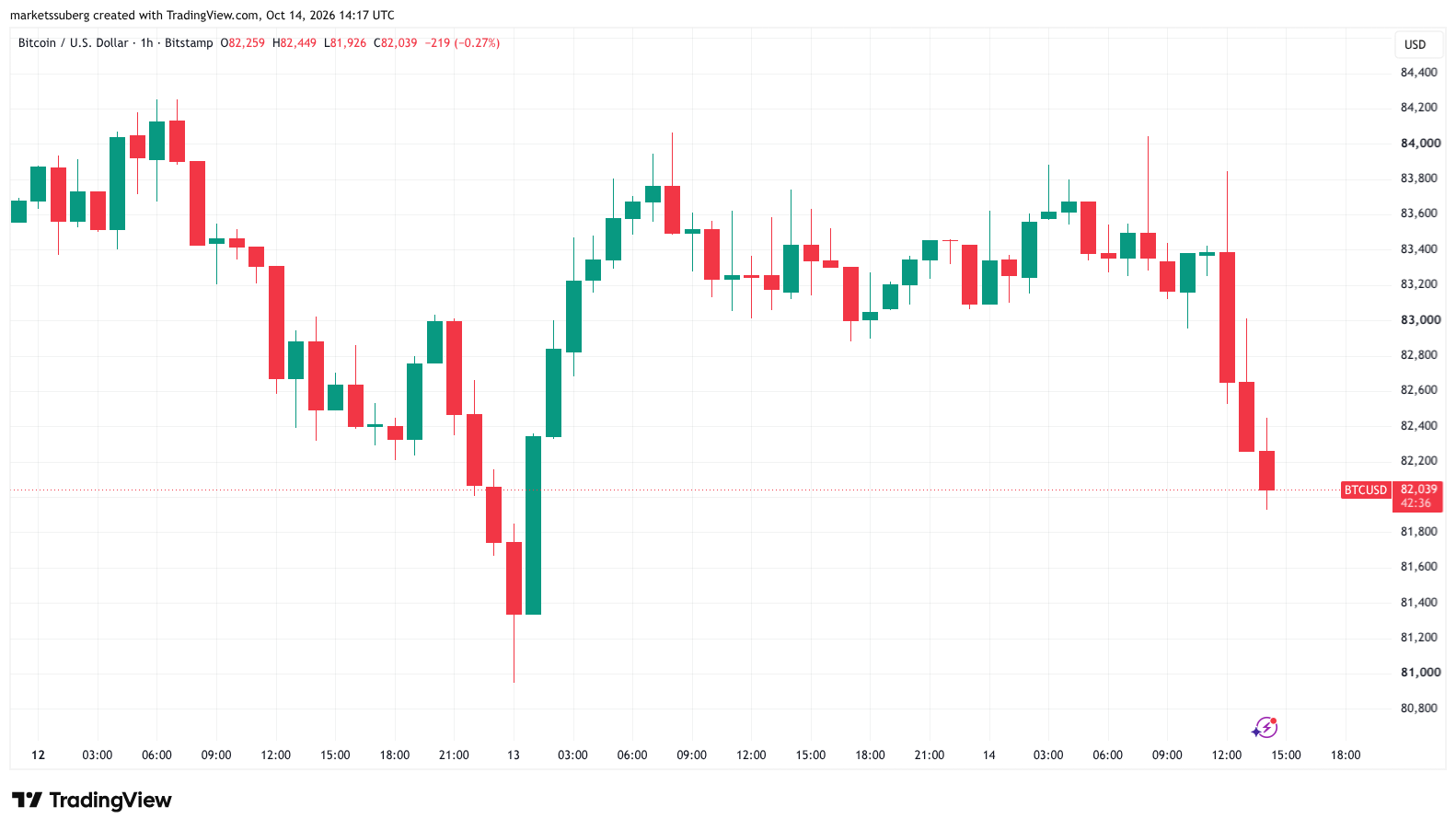
Bitcoin (BTC) experienced a significant downturn, falling below the $82,000 threshold shortly after Wednesday’s Wall Street open, as fresh data revealed that US consumer inflation had surpassed market expectations for September. This unexpected uptick in the Consumer Price Index (CPI) sent immediate ripples across global financial markets, impacting not only cryptocurrencies but also traditional assets like gold, stocks, and particularly, the sensitive bond market. The immediate market response saw a broad sell-off, with futures for crypto, gold, and stock markets registering notable drops in the wake of the CPI announcement.
The September Inflation Report: A Deeper Dive
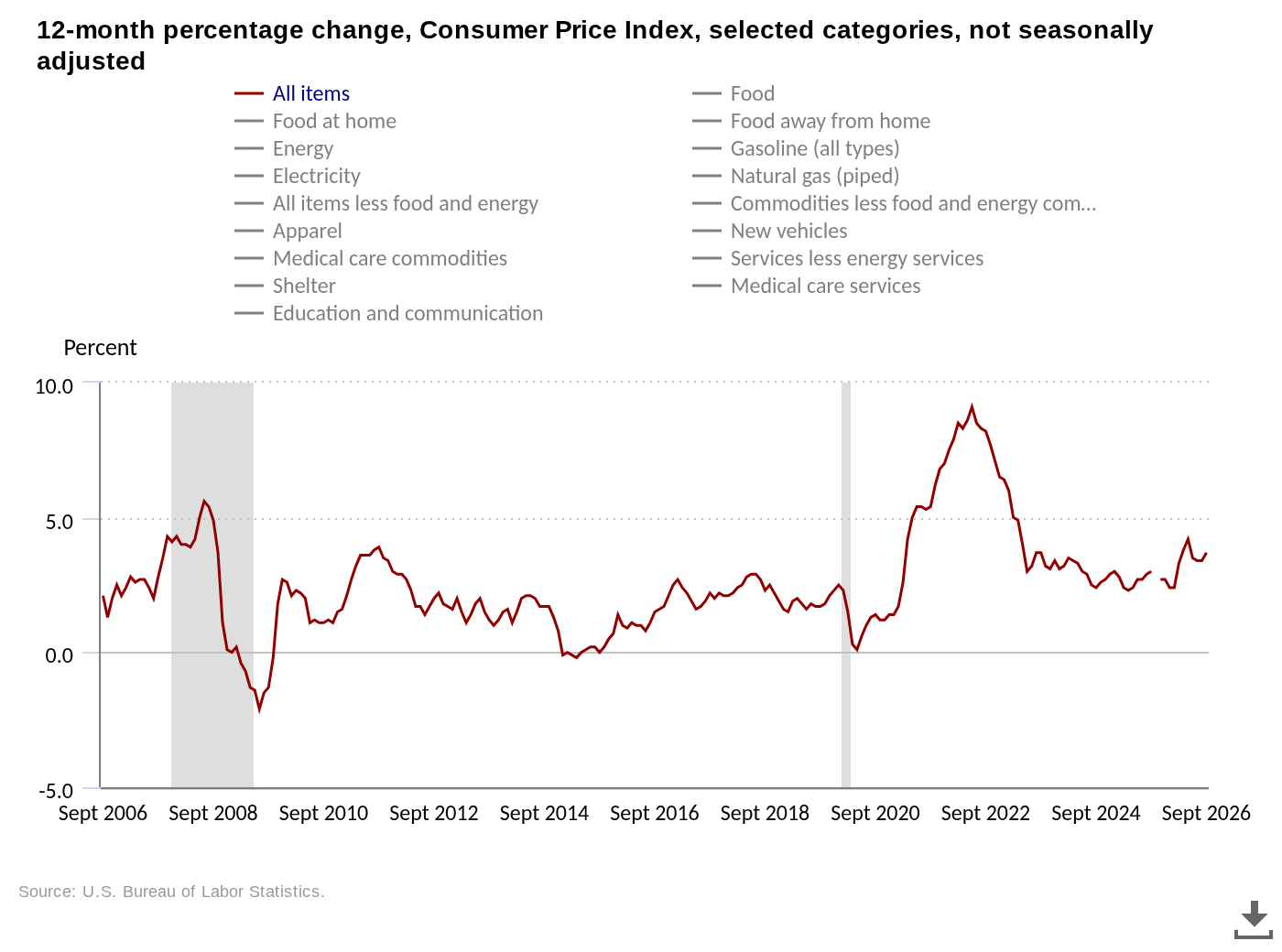
Data released by the Bureau of Labor Statistics (BLS) confirmed a year-on-year CPI increase of 3.7% for September. This figure arrived 0.1% higher than the majority market consensus, which had anticipated a more modest 3.6% rise. The primary catalyst for this acceleration in inflation was unmistakably the energy sector, specifically gasoline prices. The report highlighted a conspicuous increase in fuel costs, largely attributed to the ongoing Middle East conflict and its consequential impact on global oil supply dynamics.
According to the official BLS release, "The index for gasoline rose 9.1 percent in September, accounting for over half of the monthly all items increase. The energy index increased 5.2 percent over the month following a 2.1-percent increase in August." This sharp acceleration in energy prices underscored the fragility of the global supply chain and the profound influence of geopolitical events on domestic economic indicators. Beyond the headline figures, the core CPI, which meticulously strips out the more volatile food and energy components to provide a clearer picture of underlying inflation trends, also registered an increase. This key metric came in at 2.6% year-on-year, again exceeding market expectations by 0.1%, indicating that inflationary pressures were not solely confined to the energy sector but were indeed more broad-based across the economy.

Market Repercussions: A Global Contagion
The fallout from the higher-than-expected inflation print was swift and widespread, demonstrating the interconnectedness of modern financial markets. Bitcoin, often characterized as a risk asset, bore the brunt of the immediate reaction, retracing its gains and falling below the psychologically significant $82,000 level. Traders closely monitored BTC/USD one-hour charts, which showed pronounced downward pressure following the news.
However, the impact extended far beyond the crypto sphere. Gold, traditionally viewed as a safe-haven asset and an inflation hedge, also experienced a significant decline, falling as low as $4,079 per ounce. This counterintuitive reaction suggests that the immediate concern shifted from inflation itself to the implications for monetary policy, specifically the likelihood of more aggressive interest rate hikes by the Federal Reserve.
Perhaps the most dramatic reaction was observed in the US bond markets. Yields, which move inversely to bond prices, spiked sharply. The benchmark 10-year US Treasury yield, highly sensitive to inflation expectations and future interest rate policy, surged to 5.329%. This put it just three basis points shy of the new 24-year highs recently observed, signaling profound distress among bond investors. Rising bond yields increase borrowing costs for governments and corporations alike, potentially stifling economic growth and making riskier assets less attractive by comparison.
Federal Reserve Policy: Hawkish Shifts and Analyst Insights
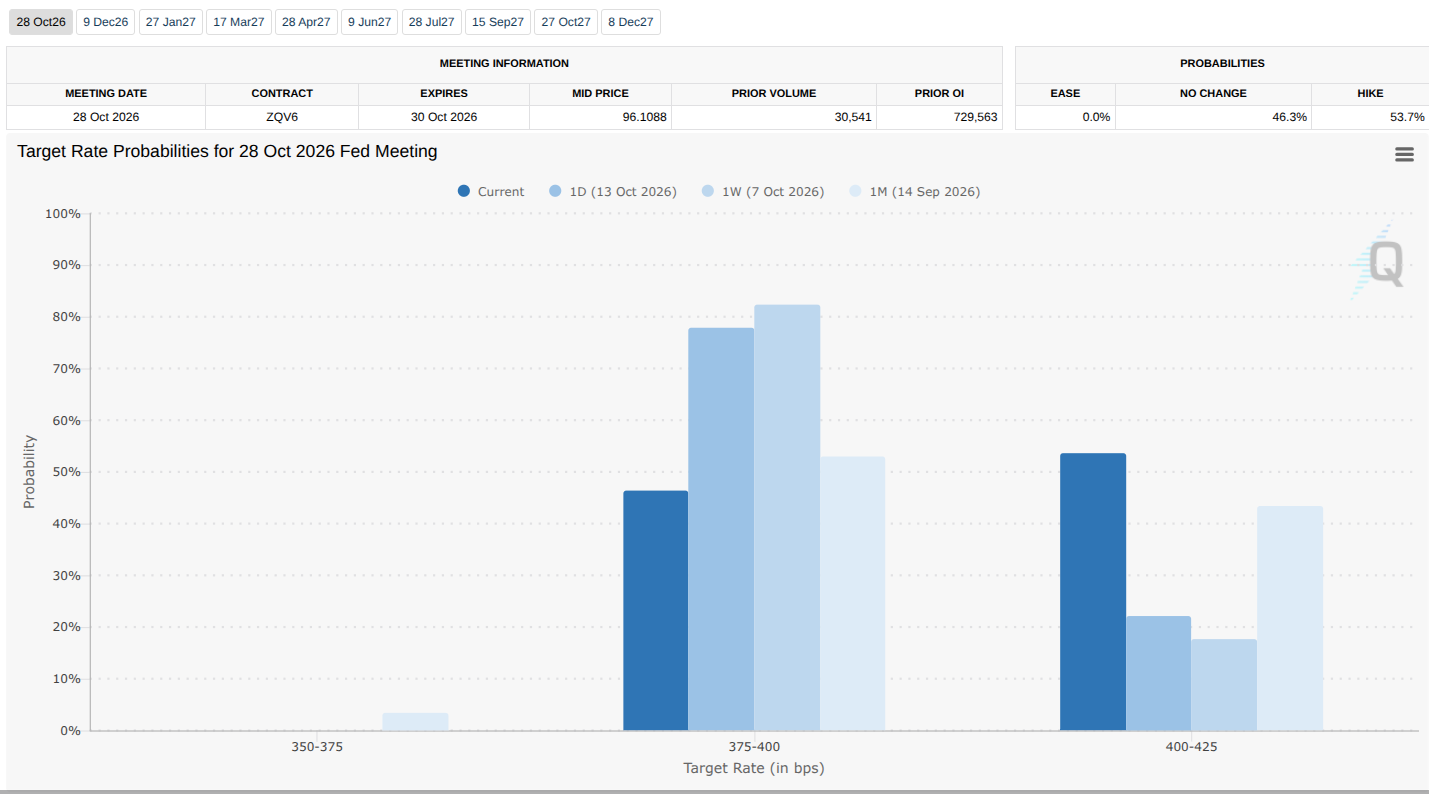
The higher CPI figures immediately triggered a reassessment of the Federal Reserve’s monetary policy trajectory. The CME Group’s FedWatch Tool, a crucial indicator of market expectations for interest rate changes, showed a significant shift in probabilities for upcoming Federal Open Market Committee (FOMC) meetings.
Prior to the CPI release, the market had been less certain about an immediate rate hike. However, following the data, the odds of a 25-basis-point interest-rate hike at the Fed’s upcoming meeting on October 28 surged dramatically. The probability of such an outcome jumped to 53.7% from just 22.1% the day before, reflecting a sudden and decisive recalibration of market sentiment towards a more hawkish Fed. Looking further ahead to December, the odds of a second 25-basis-point hike also solidified, standing at a significant 50%. This rapid adjustment underscores the market’s sensitivity to inflation data and its direct correlation with anticipated central bank actions.
Expert analysts were quick to weigh in on the implications. Sonu Varghese, chief macro strategist at Carson Group, expressed a sense of weary familiarity with the persistent inflation. He commented to CNBC, "The only surprise is that investors keep getting surprised by broad-based inflation. And we’ve yet to see the full impact of higher diesel prices and the AI boom." Varghese’s statement highlights concerns that inflationary pressures might be more deeply entrenched and perhaps not fully appreciated by the market, with potential future drivers yet to fully manifest.
Theresa Sheehan, an economic analyst at Econoday, provided a nuanced perspective on the Fed’s likely immediate response. She noted, "Taken in combination with the soft payroll numbers in the September employment report, the FOMC is probably on hold for any rate moves at the upcoming October 27-28 meeting although with a definite bias toward a hike in December." Sheehan’s analysis suggests that while the inflation data points towards tightening, the Fed might balance this with other economic indicators, such as a potentially softening labor market, leading to a more cautious approach for the immediate meeting but retaining a clear tightening bias for year-end. This cautious stance, however, does little to alleviate market fears of future rate hikes, which continue to loom large over risk assets.
Broader Economic Implications: A Challenging Landscape
The resurgence of inflationary pressures, particularly in the energy sector, poses significant challenges for the global economy. As economist Robin Brooks succinctly put it in a blog post, "This is the last thing global bond markets needed. Prior to this number, it looked like the global bond sell-off was calming, but now bond markets are catching on fire again." This sentiment captures the renewed anxiety gripping fixed-income markets, where stability had seemed to be tentatively returning. A "bond sell-off" implies falling bond prices and rising yields, which translates to higher borrowing costs for everyone, from national governments issuing debt to corporations seeking capital for expansion and consumers taking out mortgages or loans.
The ripple effect of sustained high interest rates is profound. It can lead to a slowdown in economic activity as businesses and consumers face increased costs of borrowing. For emerging markets, it can lead to capital flight as investors seek higher, safer returns in US dollar-denominated assets. The strength of the US dollar, often correlated with higher US interest rates, can also make imports more expensive for other countries and increase the burden of dollar-denominated debt.
The geopolitical backdrop further complicates the inflation narrative. The Middle East conflict and the broader oil supply crisis have demonstrably impacted energy prices, which are a foundational input cost for almost every sector of the economy. Higher fuel costs translate to increased transportation expenses, which are then passed on to consumers in the form of higher prices for goods and services, perpetuating the inflationary cycle.
Bitcoin’s Vulnerability and Future Outlook
For Bitcoin, the elevated CPI print reinforces its sensitivity to macroeconomic factors, particularly the Federal Reserve’s monetary policy. In an environment of rising interest rates, the opportunity cost of holding non-yielding assets like Bitcoin increases. Investors may opt for assets that offer guaranteed returns, even if modest, over the speculative potential of cryptocurrencies. This dynamic often leads to capital flowing out of riskier assets and into safer havens or interest-bearing instruments.
Despite the recent downturn, Bitcoin’s price action continued to hover around a key area between $82,500 and $83,400 following the CPI data. Analysts are closely watching whether this range can establish itself as a new support level or if further downward momentum will prevail. The market’s decision on this critical area will likely dictate short-term price movements.
Looking ahead, market participants will be keenly awaiting further economic data to gauge the persistence of inflation and the Fed’s subsequent policy responses. The next key US inflation data release, the September print of the Producer Price Index (PPI), is due on Friday. The PPI measures inflation from the perspective of producers, tracking the average changes in prices received by domestic producers for their output. A higher-than-expected PPI could further reinforce inflationary concerns and potentially solidify expectations for more aggressive monetary tightening.
While some optimistic narratives, such as CryptoQuant’s "Uptober" thesis, had previously suggested a bullish outlook for Bitcoin in October, the latest CPI data presents a significant challenge to such predictions. The overarching macroeconomic environment, dominated by persistent inflation and the specter of continued interest rate hikes, will likely continue to exert considerable influence over Bitcoin and the broader cryptocurrency market in the coming months. The interplay between global economic indicators, geopolitical events, and central bank policy will remain critical determinants of market sentiment and asset valuations.
This article is produced in accordance with Cointelegraph’s Editorial Policy and is intended for informational purposes only. It does not constitute investment advice or recommendations. All investments and trades carry risk; readers are encouraged to conduct independent research.